




Historic Aristocratic Portrait Painting
Historic aristocratic portrait painting preserves the likenesses of nobles and courtiers in oil on canvas, offering a direct window into past power.
Historic Aristocratic Portrait Painting
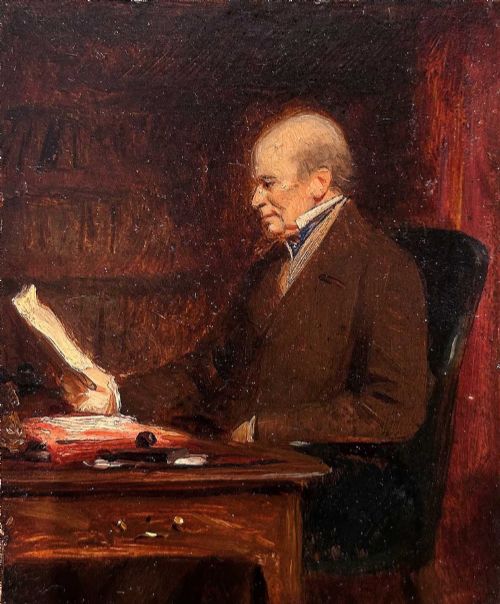
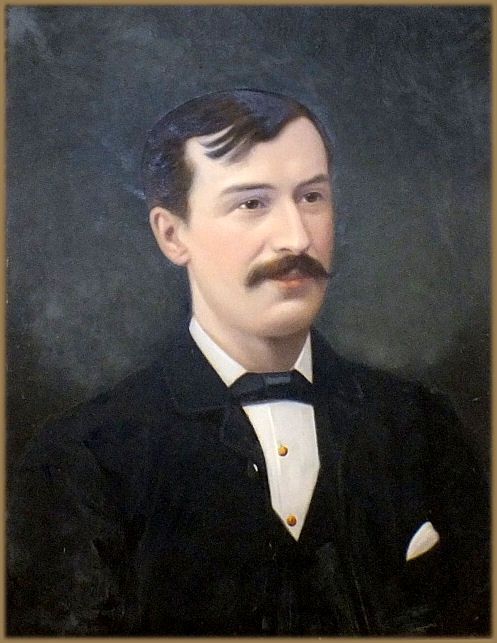
Historic aristocratic portrait painting captures titled sitters from the seventeenth to the nineteenth centuries, including dukes, earls, and viscounts. These works record nobility in formal attire, armour, or academic robes, reflecting the status and lineage of the sitter.
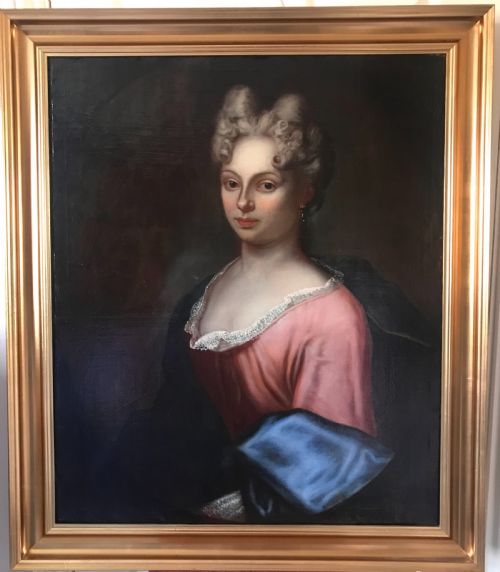
The versions most frequently met on this page date from the seventeenth and eighteenth centuries, executed in oil on canvas and often housed within period giltwood frames. English and French baroque styles dominate, alongside later Victorian interpretations.
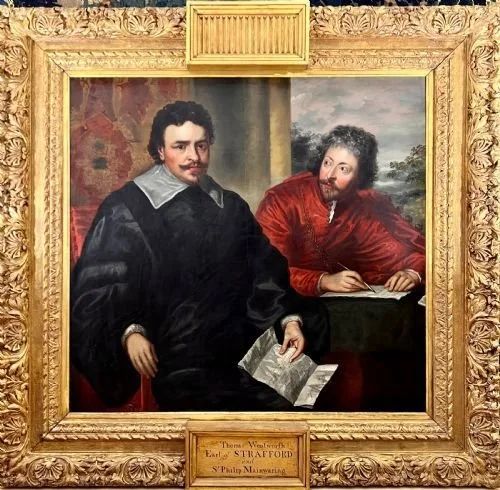
Subjects range from full studio productions to intimate preparatory studies and circle attributions. Each painting presents a specific historical personage, such as Prince George of Denmark or Sir Thomas Wentworth.
How They Were Made
Artists built these works using oil paint applied to stretched canvas, allowing for deep glazing and rich tonal graduation in skin and fabric. Wood stretchers provide the internal support for the fabric substrate.
Frames utilise carved wood overlaid with gold leaf, creating the heavy giltwood borders associated with baroque and Georgian display. These ornate surrounds complement the grandeur of the painted subjects.
Listings span the seventeenth, eighteenth, and nineteenth centuries, featuring oil on canvas supported by wood and giltwood.
What Varies in Quality
Original frames in period giltwood enhance the overall integrity of the piece, whereas later replacements alter the historical presentation. The presence of clear provenance linking the sitter to the artist elevates the standing of the work.
Studio of Sir Godfrey Kneller·Stephen Pearce·Joseph Vivienne·Mary Beale·Robert Byng·Sir Peter Lely·John Michael Wright
The Historic Aristocratic Portrait Painting Glossary
- Oil on Canvas
- A painting medium where pigments are suspended in a drying oil and applied to a woven fabric support. This combination allows for subtle blending and rich colour depth.
- Giltwood
- Wood that has been treated with a thin layer of gold leaf or powder. It provides a bright, reflective border for historic canvases.
- Baroque
- An artistic style prevalent in the seventeenth and eighteenth centuries, characterised by drama, rich detail, and grand scale. Portraits in this style emphasise movement and status.
- Circle of
- A term used when a painting is by an unidentified artist working closely within the orbit of a known master, adopting their specific style and technique.
Historic Aristocratic Portrait Painting: Frequently Asked Questions
How do I date these portraits?
Dating relies on costume, hair styling, and the framing materials associated with specific periods like the seventeenth or eighteenth centuries. Sitters often wore contemporary court dress that anchors the creation time.
Inscriptional evidence on the canvas or stretcher can also provide specific calendar years or decades for the creation of the work.
What is a circle attribution?
A circle attribution denotes an anonymous painter who worked in the direct vicinity of a master. They absorbed the methods and visual language of that primary workshop.
These pieces share stylistic traits with documented masters without bearing a verified signature from the principal artist.
How were these paintings displayed?
Aristocratic portraits hung in the grand galleries, libraries, and reception rooms of country houses and town mansions. They served to project family lineage and political allegiance.
Heavy giltwood frames ensured the paintings commanded authority within large, wood-panelled interiors.
Why are some subjects in armour?
Armour served as a conventional symbol of military command, aristocratic duty, and peerage status in seventeenth-century portraiture. Even nobles without active military careers wore it for symbolic gravity.
This pictorial device linked the sitter to martial heritage and chivalric virtue.