
17th Century Gentleman Painting
A 17th century gentleman painting captures the gravitas, status, and distinct fashion of an era through portraiture.
17th Century Gentleman Painting
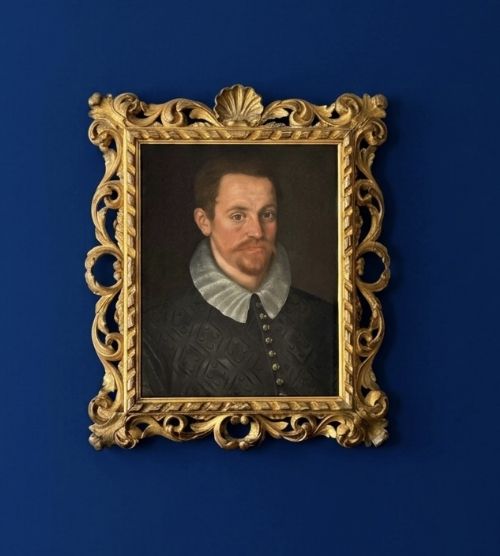
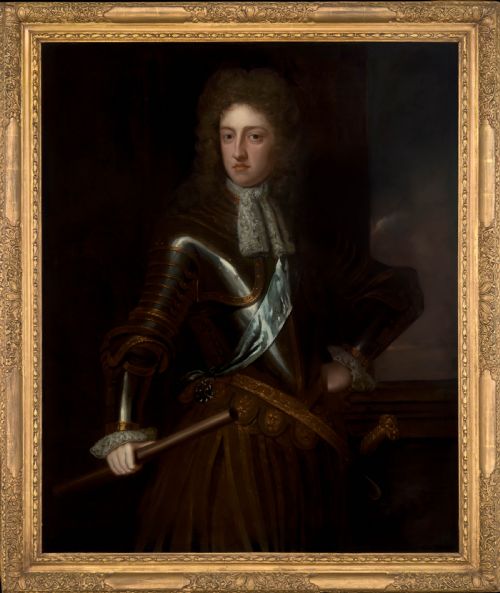
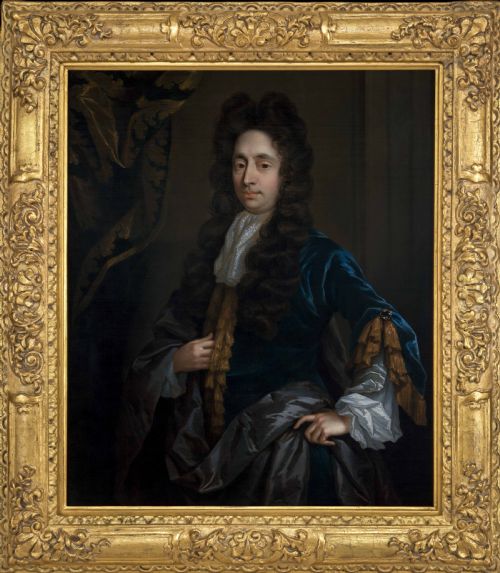
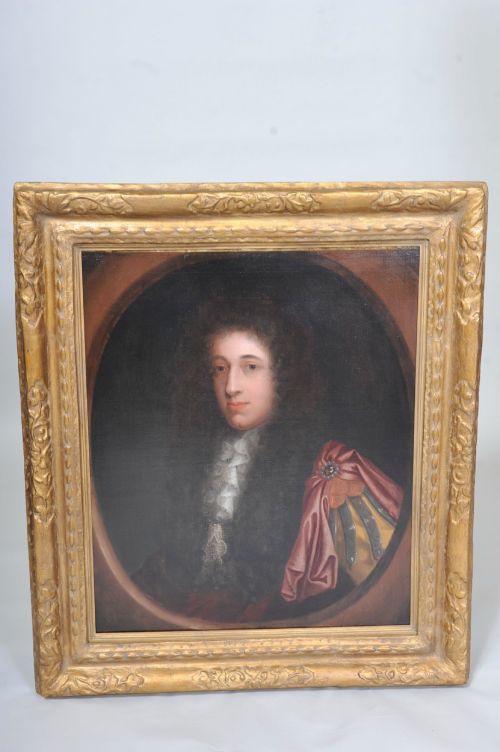
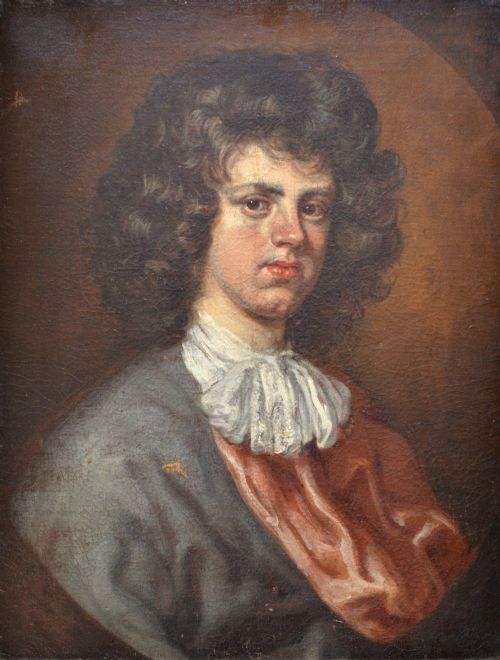
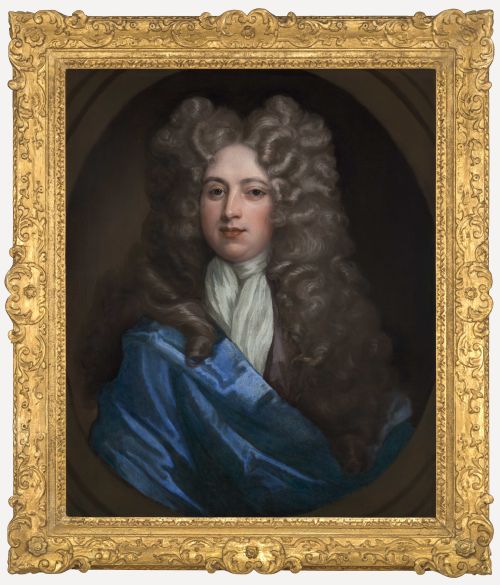
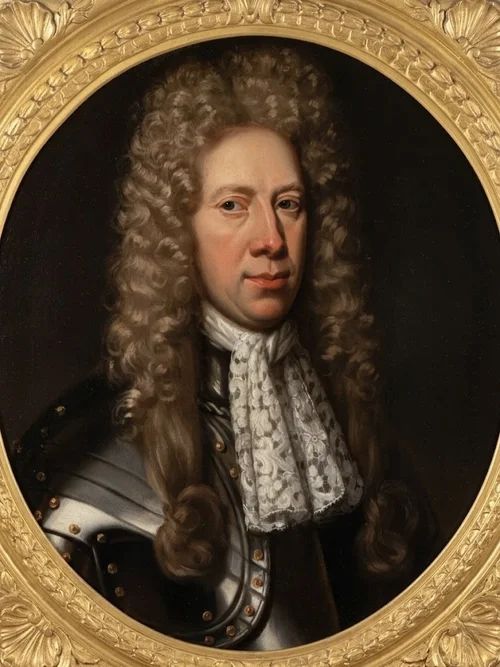
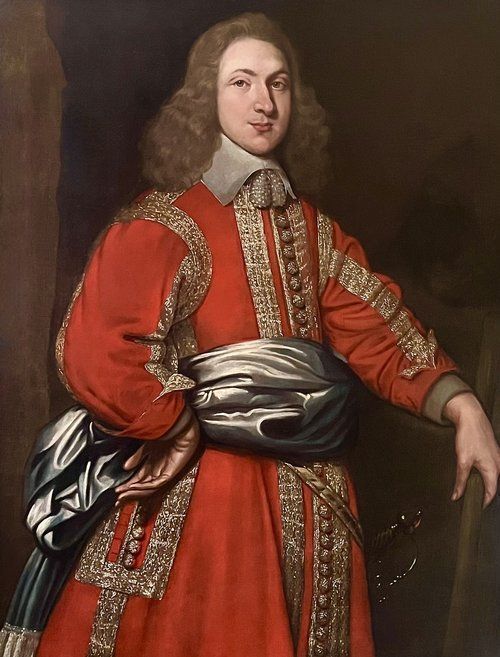
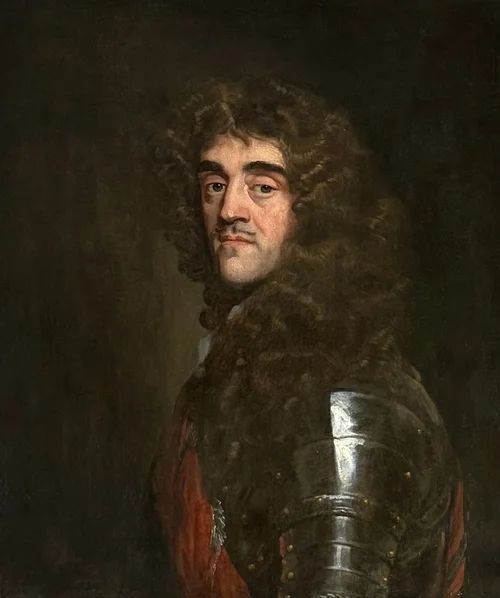
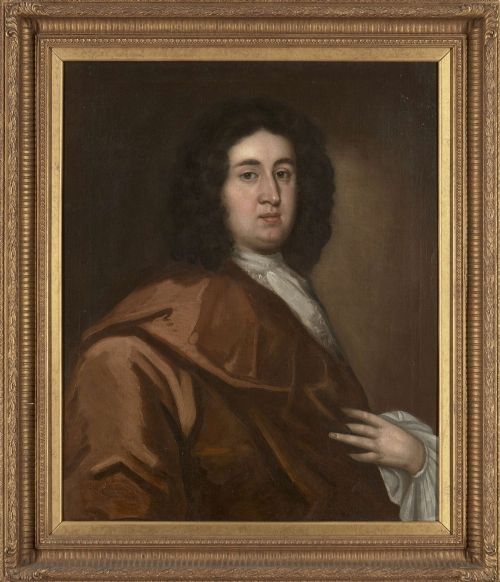
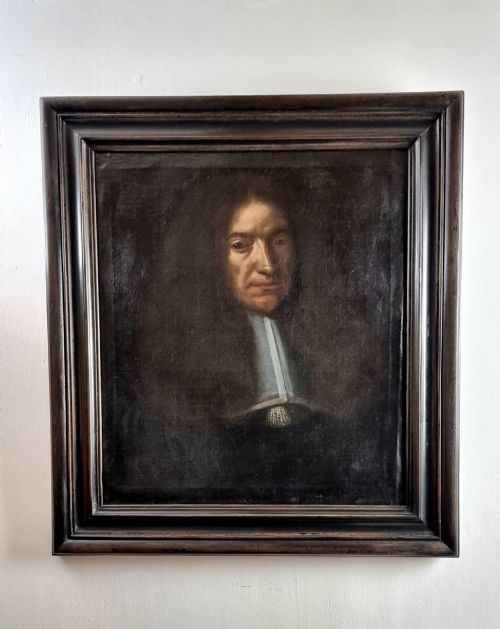
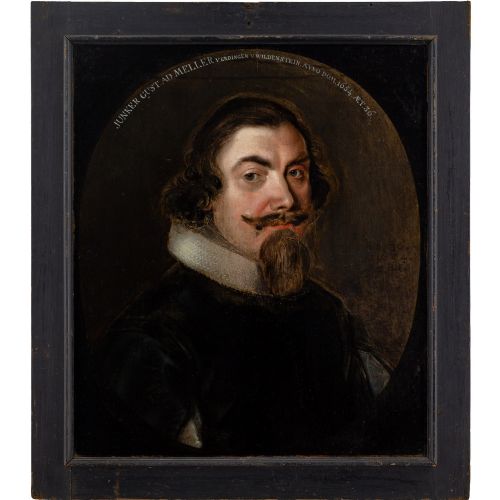
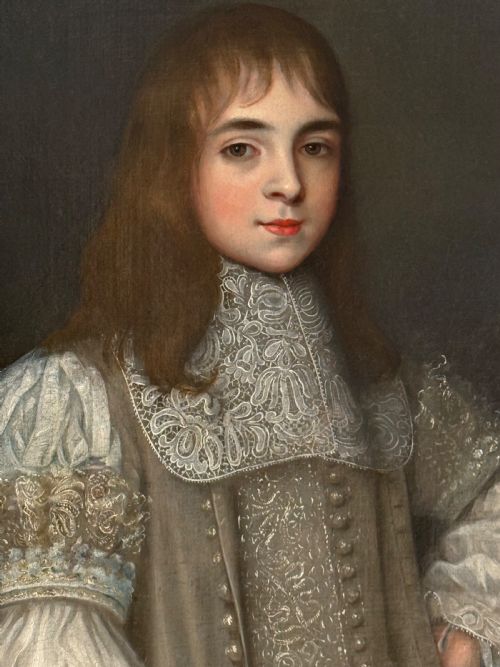
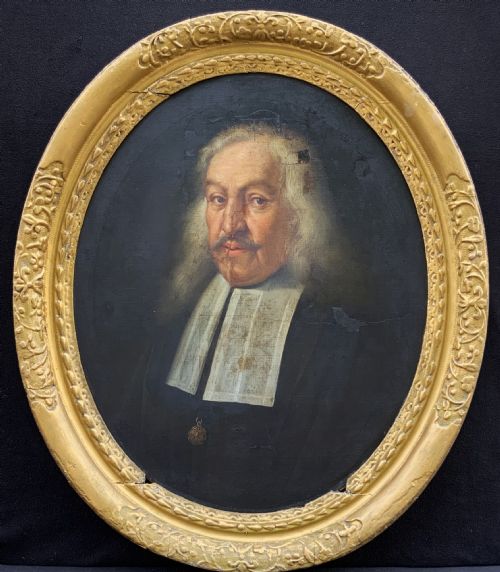
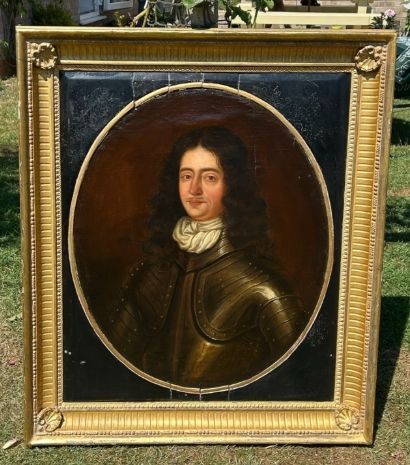
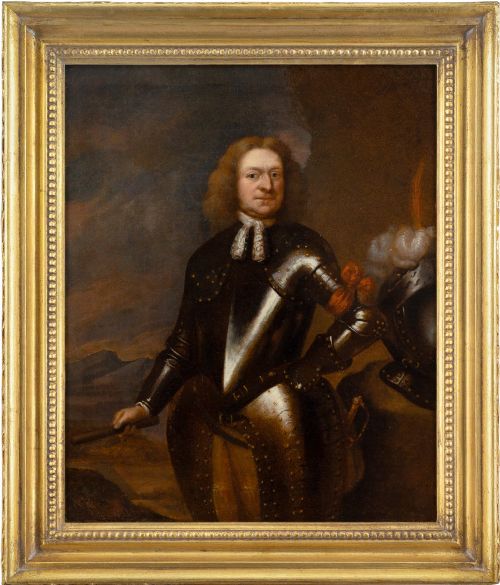
A 17th century gentleman painting represents male subjects ranging from nobility and military officers to merchants and judges. These works function as historical records of elite status, often highlighting elaborate dress such as ruffs, doublets, periwigs, and armour.
The versions most commonly met on this page include oil on canvas portraits attributed to English, Dutch, Flemish, and German schools. Many originate from the circles of notable portraitists of the Stuart and Baroque periods rather than bearing direct signatures.
Materials and Techniques
Artists of this era built their compositions using oil paint applied to woven canvas stretched over wooden frames. The handling of pigments allowed for rich depth in fabrics like velvet and silk, frequently accented by gold leaf details in frame construction.
Framing often utilised heavy gilded wood in Baroque and Stuart styles, matching the ornate aesthetic of the canvases they enclose.
Listings feature canvases spanning the 17th century, utilising oil paint on wood and canvas within Baroque and Stuart stylistic frameworks.
Distinctions in Execution
The distinction between an average studio production and a masterwork lies in the psychological depth of the sitter's face and the anatomical accuracy of hands and drapery. Skilled hands render the play of light across fabrics with convincing weight and texture.
Authorship proximity also drives distinction, with direct works by documented portrait painters commanding greater interest than pieces produced by their wider circle or anonymous regional schools.
Sir Godfrey Kneller·Constantyn Netscher·Thomas Murray·John Scougall·John Greenhill·John Closterman·John Michael Wright·Pieter Borseler·Mary Beale·John Riley·Willem Wissing·Samuel Cooper·Bartholomeus Van Der Helst
The 17th Century Gentleman Painting Glossary
- Baroque
- A style of European architecture, music, and art of the 17th and 18th centuries that followed Mannerism and is characterised by ornate detail. In portraiture, this manifests in dramatic lighting and dynamic poses.
- Doublet
- A man's close-fitting jacket that was commonly worn during the Renaissance and 17th century. Its elaborate embroidery often denotes the high social standing of the sitter.
- Periwig
- A highly styled wig worn by men of fashion during the late 17th century. Its presence in a portrait typically points to a date of execution towards the end of the 1600s.
- Ruff
- A projecting starched frill worn around the neck by men and women in the 16th and 17th centuries. This stiffened collar provides a reliable chronological marker for early works.
17th Century Gentleman Painting: Frequently Asked Questions
How do you date a gentleman portrait?
Dating relies heavily on the evolving fashion of the sitter's attire, such as the transition from stiff white ruffs in the early decades to flowing periwigs by the end of the century. Costume details provide the most immediate chronological clues.
Secondary indicators include the canvas preparation, stretcher construction, and framing styles associated with specific decades of the 1600s.
What is the difference between studio and circle works?
A work from the studio of a named artist was produced under their direct supervision, often with the master executing key areas like the face while assistants completed the drapery. Pieces from the circle of an artist reflect a follower working closely in the same stylistic manner.
Both categories offer period authenticity while differing significantly in market attribution and direct association with the master's hand.
How should these oil paintings be displayed?
These works require stable environmental conditions away from direct sunlight and dramatic humidity fluctuations to protect the aged canvas and oil pigments. Proper wall placement preserves the integrity of the original paint layer.
Pairing the canvas with an appropriate period frame, such as carved giltwood, enhances both the visual presentation and historical context.
Why do many portraits remain anonymous?
Many historical portraits were produced by regional schools or travelling painters who did not sign their canvases. Sitters were primarily concerned with recording their likeness and status rather than acquiring a signed artwork.
Attributions are subsequently made by art historians comparing brushwork, palette choices, and costume details with documented works of the period.