
17th Century Dutch Art
When you search for 17th century dutch art, you encounter oil paintings, portraits, and cartography capturing the golden age of European culture.
17th Century Dutch Art
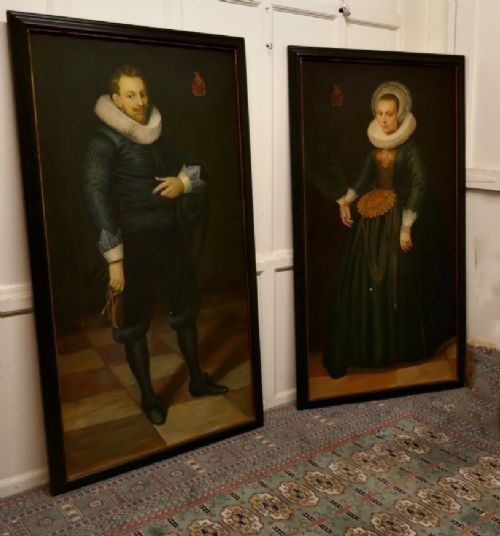
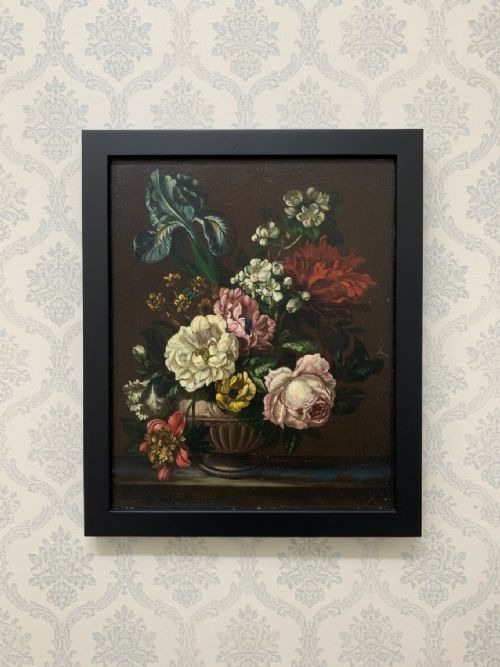
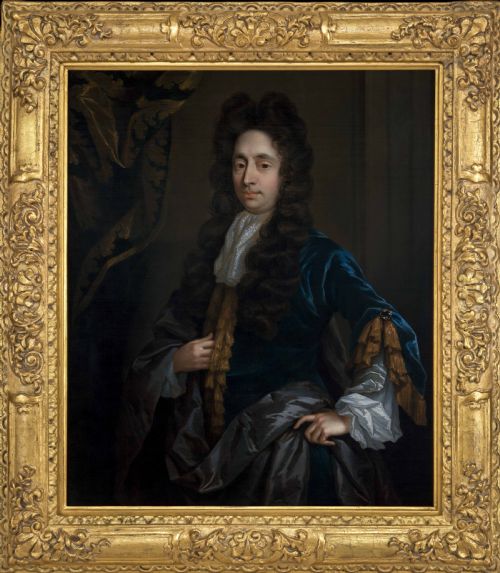
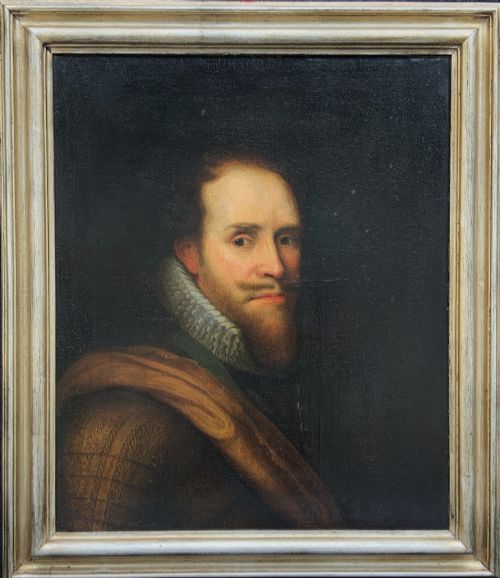
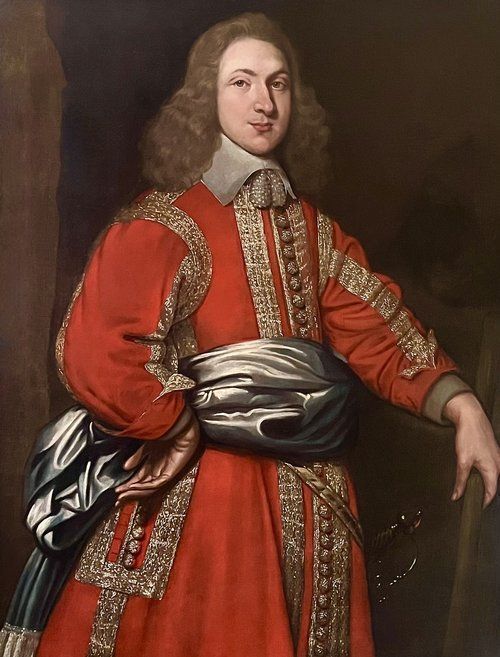
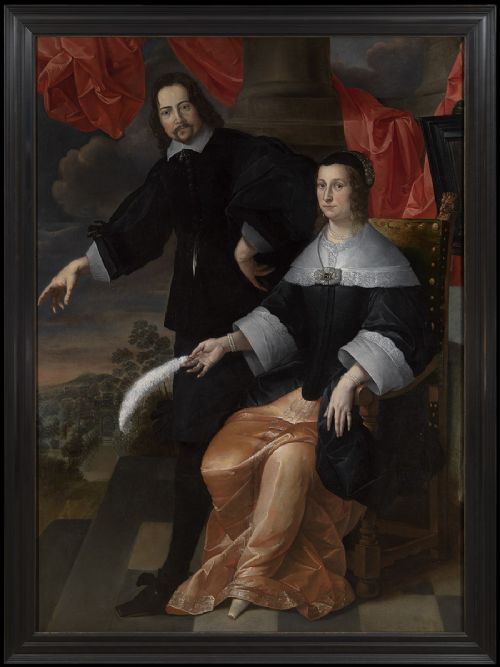
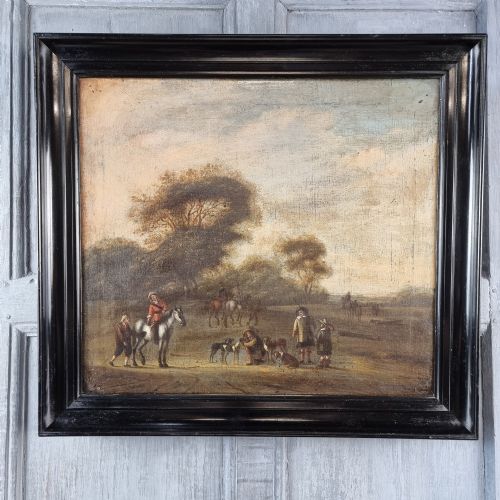
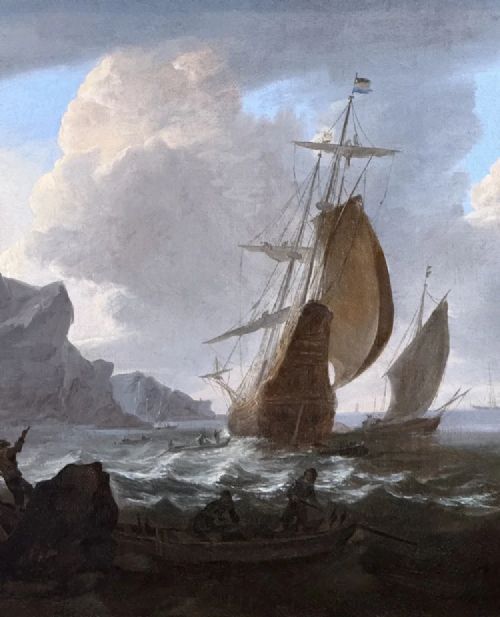
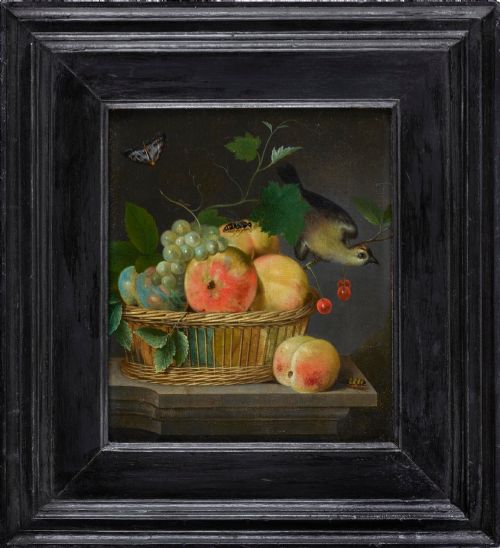
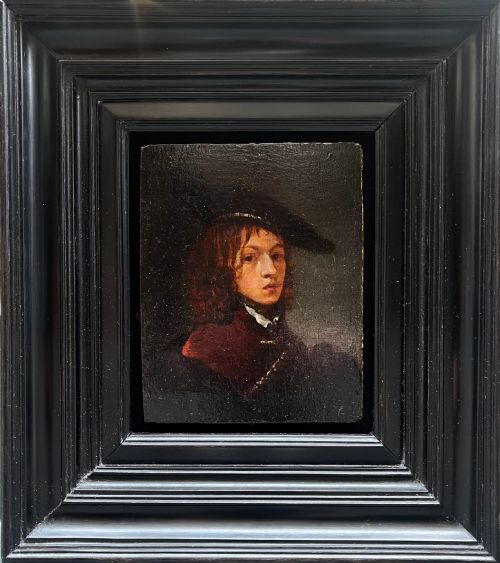
Collectors seeking 17th century dutch art typically examine oil paintings on canvas or panel, alongside framed cartography from the period. The selection includes portraits of noblemen, still life arrangements of fruit, and maritime scenes depicting boats in gales.
Many works reflect the broader influence of the Dutch Golden Age and Baroque styles, produced by regional schools or later practitioners working in the nineteenth century and the nineteen-twenties.
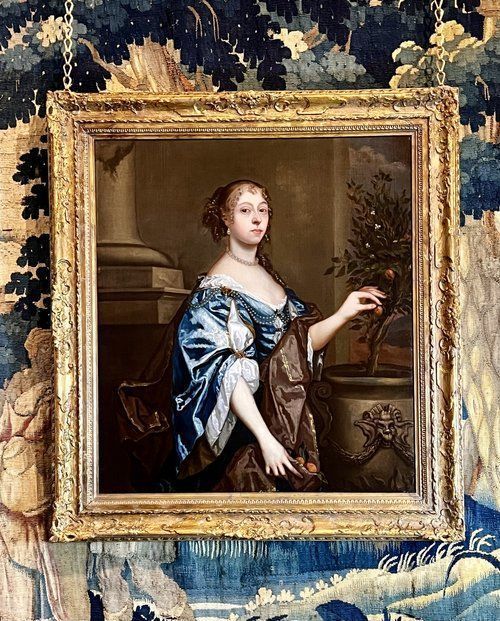
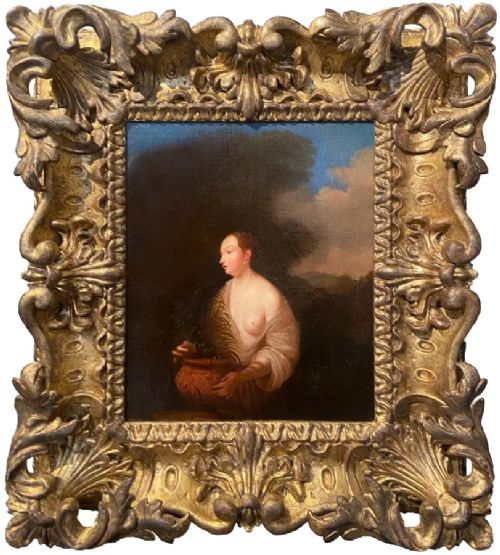
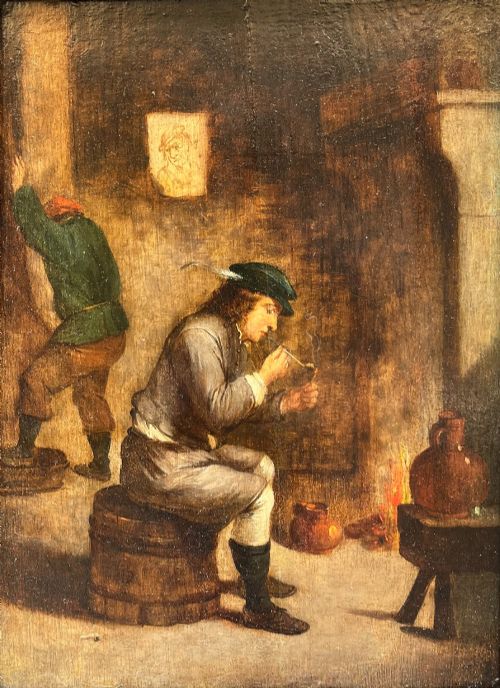
Subjects range from individual military officers and elegant ladies in ruff collars to mountainous landscapes and domestic interiors rendered with careful observation.
Materials and execution
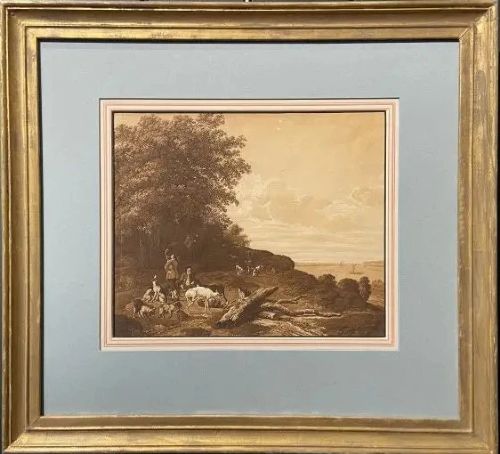
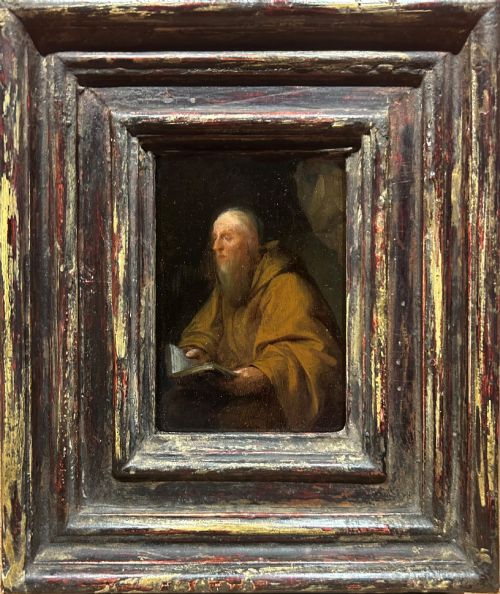
The primary medium recorded across these listings is oil paint applied to canvas, wood panels, or paper supports. Giltwood frames frequently house these paintings and historical county maps.
Artists of the period utilised layered oil techniques to build depth in drapery, flesh tones, and still life components such as wicker baskets and flowers.
Listings feature oil paintings on canvas and panel, alongside engraved paper maps framed in giltwood.
Distinguishing quality
The preservation of the original paint surface and the character of the associated period frame contribute significantly to the standing of an individual work within the market.
Constantyn Netscher·Pieter Borsseler·Bonaventura Peeters·Johannes Lingelbach·Gaspar Peeter Verbruggen·David Teniers·Rembrandt·Frans Hals·Godfried Schalcken·Frans Snyders·Nicolaes Maes·Simon Pietersz Verelst·Cornelis Van Poelenburgh·Jacob Bogdani
The 17th Century Dutch Art Glossary
- Oil on panel
- A painting executed on a flat wooden board rather than stretched fabric. This support was common in earlier European painting traditions.
- Cartography
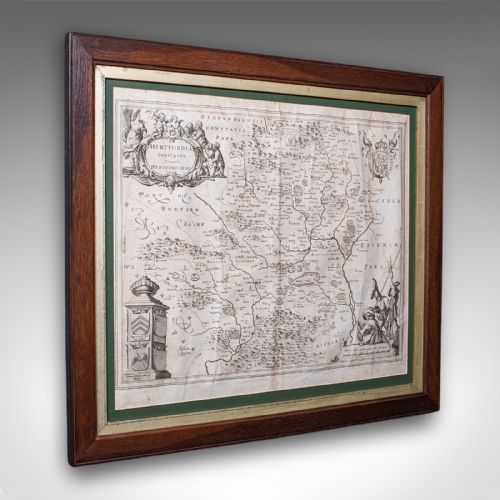
- The study and practice of making maps. Period examples include engraved and framed county maps bearing Latin text.
- Old Master
- A term applied to European painters of skill working before about eighteen hundred. These artists often belonged to recognised regional schools.
- Baroque
- An artistic style characterised by dramatic movement and deep light contrast. This aesthetic dominated European art throughout the seventeenth century.
17th Century Dutch Art: Frequently Asked Questions
What subjects appear in seventeenth-century Dutch paintings?
The works encompass formal portraits of noblemen and military officers, maritime views of shipping, and detailed still lifes featuring fruit and flowers. Landscapes and genre scenes of daily life also feature prominently.
These subjects reflect the cultural and commercial priorities of the Netherlands during its golden age of economic and artistic expansion.
How do period maps fit into this category?
Engraved county maps by cartographers of the era are often framed for wall display alongside traditional paintings. They demonstrate the same meticulous attention to detail found in contemporary canvases.
Such maps frequently include decorative cartouches and Latin text typical of seventeenth-century cartography.
Are all listed works from the seventeenth century?
While many pieces originate in the period itself, the selection also includes later interpretations and works created in the nineteenth and twentieth centuries. These later pieces often follow the manner of earlier masters.
Examining the listed period details helps distinguish original seventeenth-century execution from later revivals.
What is a school of painting?
A school refers to a group of artists working in a particular region and time, sharing common techniques, subjects, and stylistic influences. Listings frequently reference the Dutch or Flemish school.
Attributions to these schools indicate that a work was produced within that specific cultural sphere, sometimes by an anonymous follower of a major master.