



Baroque Landscape Oil Painting
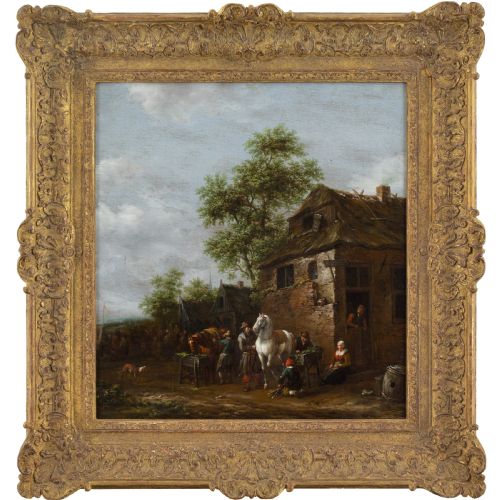
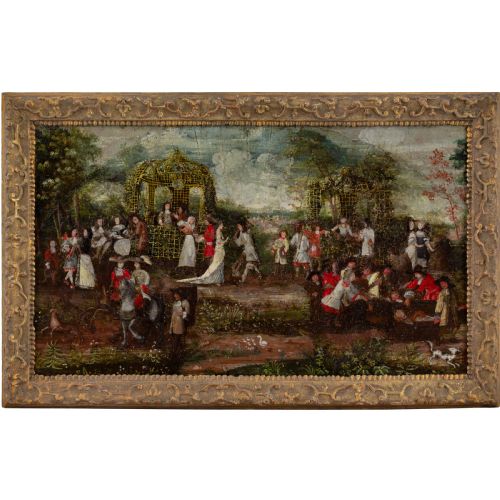
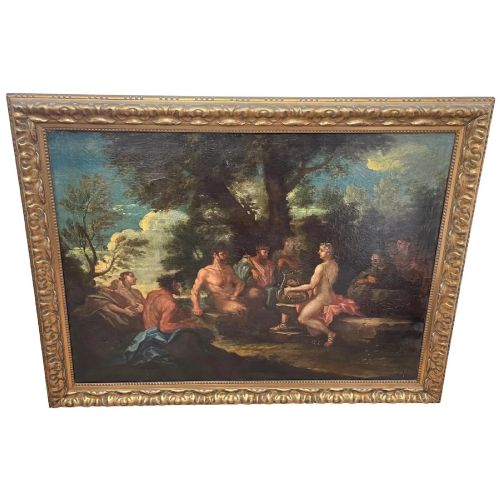
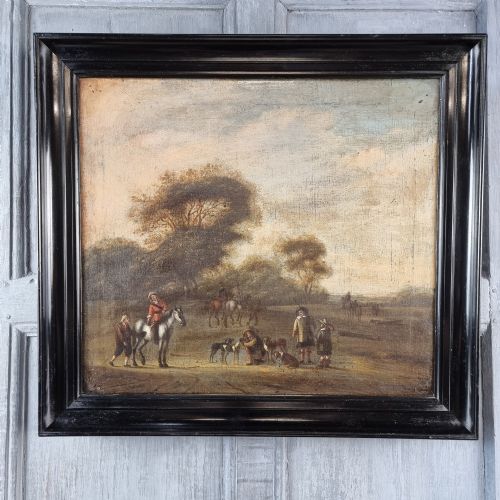
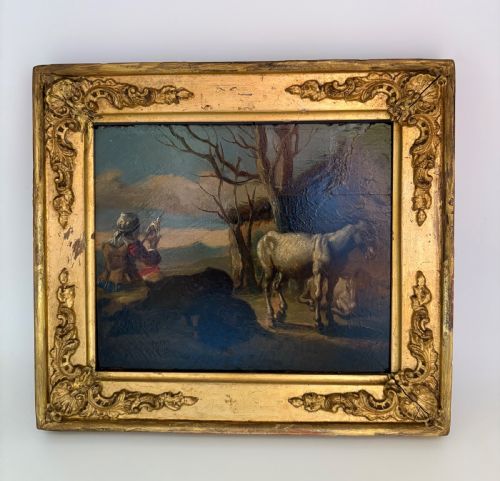
These baroque landscape oil painting examples bring seventeenth and eighteenth-century pastoral scenes, ruined castles and classical mythology into the room.
Baroque Landscape Oil Painting
A baroque landscape oil painting captures expansive natural scenery infused with classical figures, architectural ruins, rivers, and mythological narratives from the seventeenth and eighteenth centuries. These works emerge from Flemish, Dutch, Italian, and French schools, reflecting the dramatic tension and grand scale associated with the period.
Buyers encounter compositions featuring mountain ranges, wooded groves, coastal views, and bustling village fétes framed by the naturalistic ideals of the Dutch Golden Age or the theatricality of Italian and Flemish baroque art. Many of these artworks incorporate figurative elements, such as shepherds, bathers, or cavalry skirmishes, integrated into vast open horizons.
The most frequent pieces on this page stem from the seventeenth century and the eighteenth century, presented in original giltwood frames or floral motif wooden surrounds. They range from intimate panel paintings to large canvases depicting complex architectural and pastoral vistas.
Materials and construction methods
Artists of this era applied oil paint onto stretched canvas or prepared wood panels, building up rich colour harmonies and atmospheric depth through layered glazes. The physical support often shows the heavy weave of old canvas or the solid grain of oak panels.
Frames play an integral role in the presentation, utilising carved wood finished with gold leaf or gilt to create ornate baroque and rococo floral motifs. These frames complement the theatrical lighting and dramatic perspectives characteristic of the period's oil paintings.
Distinctions in quality
The strength of the composition and the fluidity of the brushwork separate master tier works from routine studio pieces, particularly in the rendering of atmospheric light and distant skies. Superior paintings demonstrate confident handling of figures and foliage that integrate seamlessly into the surrounding landscape.
The preservation of the original paint surface and the retention of period giltwood frames significantly influence the standing of a piece. Works that retain their early framing and untouched pigment layers hold greater historical integrity.
Angelo Maria Crivelli·Cornelis Van Poelenburgh·Philipp Peter Roos·David Teniers II·Claude Lorrain·Marmaduke Cradock·Jacob Bogdani·Pieter Bout·Adriaen Frans Boudewyns·Francesco Zuccarelli·Francesco Albani·Giacomo Nani·Reynard Le Vieux·Martin Pierre Denis·Hendrik Frans Van Lint
The Baroque Landscape Oil Painting Glossary
- Baroque
- A European artistic style originating in the early seventeenth century, characterised by dramatic movement, deep shadow, and grand scale. This aesthetic prioritises emotional intensity and dynamic composition.
- Oil on Canvas
- A traditional painting medium where pigments suspended in drying oils are applied to a woven fabric support. This technique allows for subtle blending and rich texture.
- Giltwood
- Wood that has been treated with a thin layer of gold leaf or gilt powder. It forms the decorative surface of period frames.
- Old Master
- A term for a European artist of high skill working before the nineteenth century. These painters established foundational standards in oil painting.
- Panel Painting
- A flat piece of wood used as a structural support for an oil painting before canvas became dominant. Oak is frequently encountered in these works.
Baroque Landscape Oil Painting: Frequently Asked Questions
How do I date a baroque landscape?
Dating relies upon stylistic markers, costume details of any figures present, and the physical characteristics of the canvas or wood panel. Seventeenth-century examples often lean towards darker, dramatic contrasts while eighteenth-century works introduce lighter classical palettes.
Examination of the reverse of the canvas, stretcher bars, and framing techniques provides further chronological context to support the attribution.
Were these paintings always framed in gold?
Giltwood and gold leaf frames were standard for major works of this period, designed to catch candlelight and complement the rich tones of the oil paint. Many survived centuries paired with their original frames.
Replacement frames do occur, though period-appropriate baroque or rococo frames are sought after to maintain the historical presentation of the artwork.
What subjects appear besides scenery?
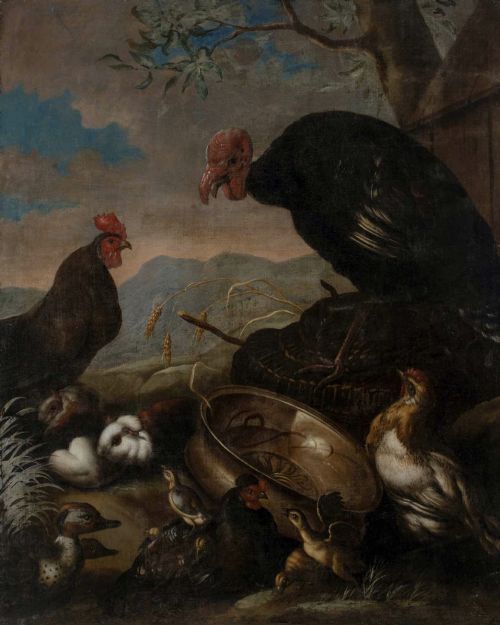
Landscapes from this era frequently incorporate mythological narratives, religious scenes, or genre figures like shepherds, hunters, and bathers. Animals, exotic birds, and architectural ruins also populate the compositions.
These elements reflect the academic hierarchy of the period, which valued history and landscape painting as elevated artistic pursuits.
How should I care for an old master canvas?
Keep the painting away from direct sunlight, radical temperature shifts, and high humidity to protect both the oil paint and the wooden stretcher. Dust the canvas gently with a soft, dry brush without applying pressure.
Professional conservation should be sought for any structural issues with the canvas or stabilization of the paint layer.