
Classical Oil on Canvas
A classical oil on canvas brings narrative and depth into a room through historical portraiture, mythology, and landscape.
Classical Oil on Canvas
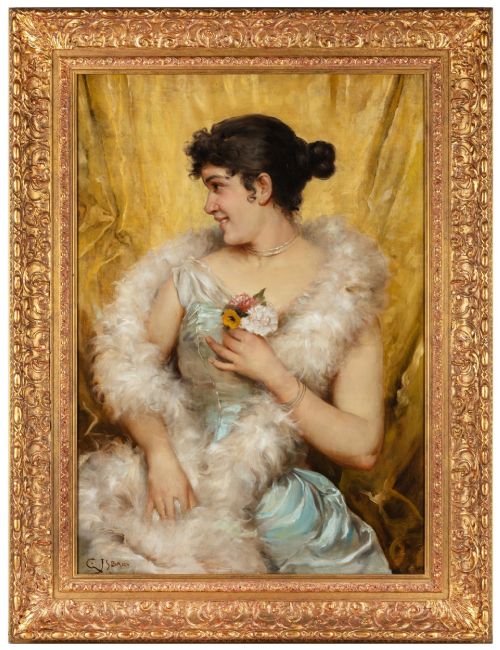
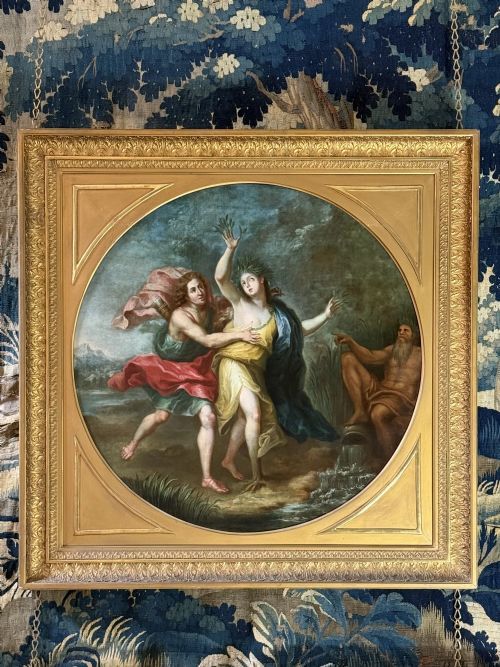
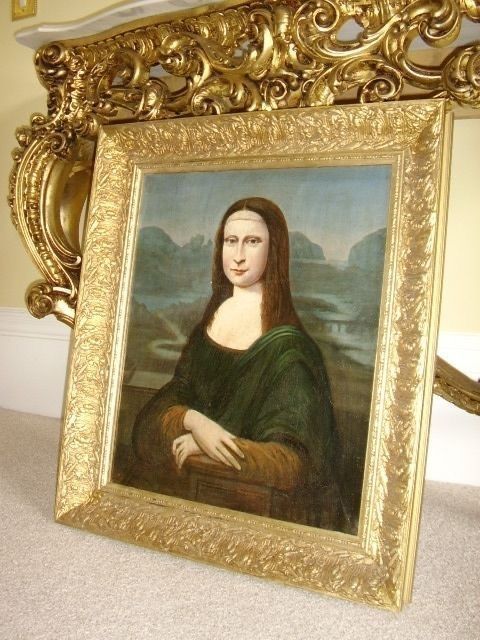
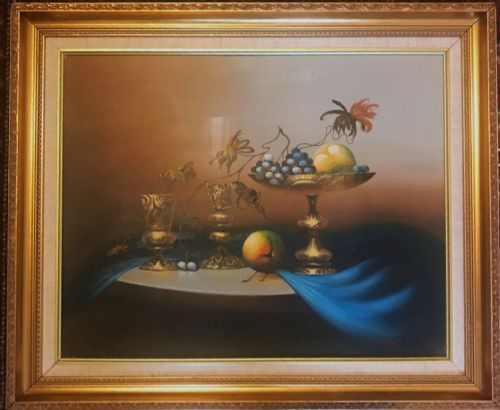
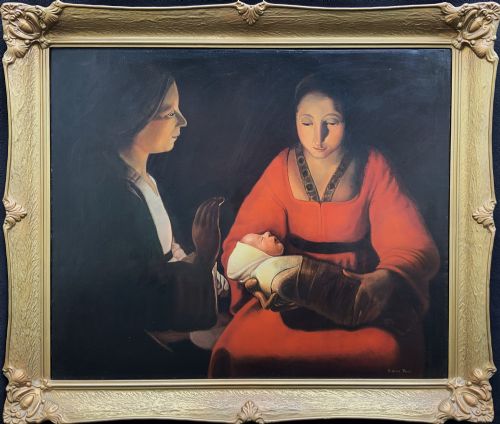
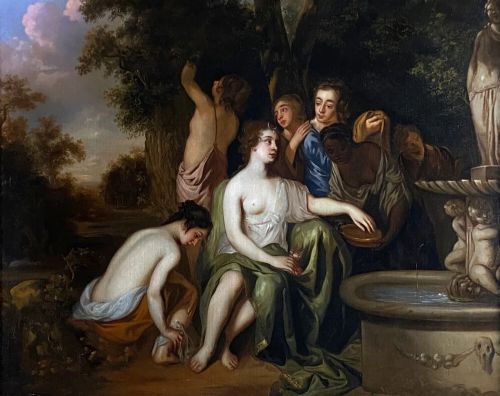
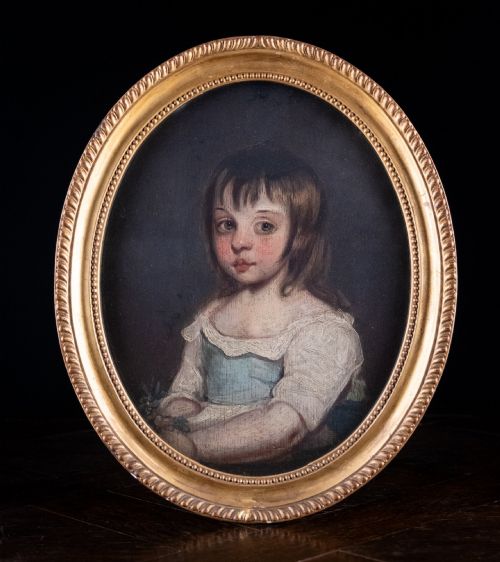
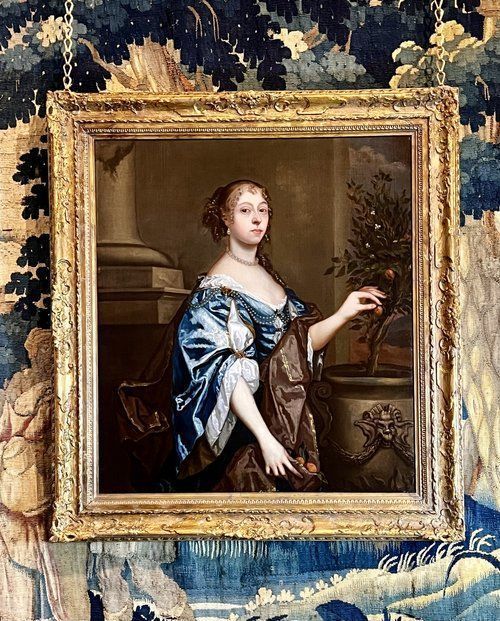
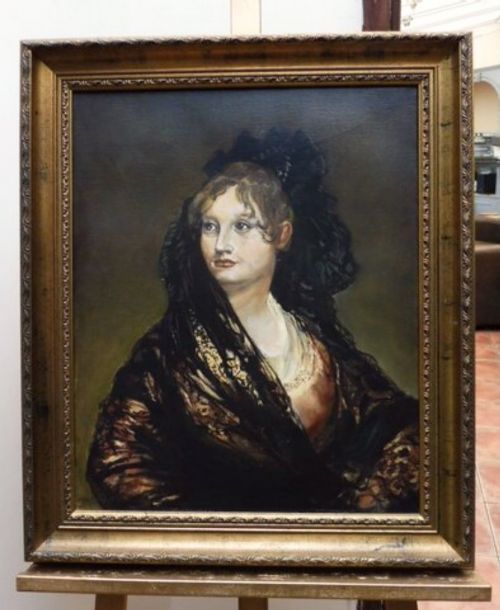
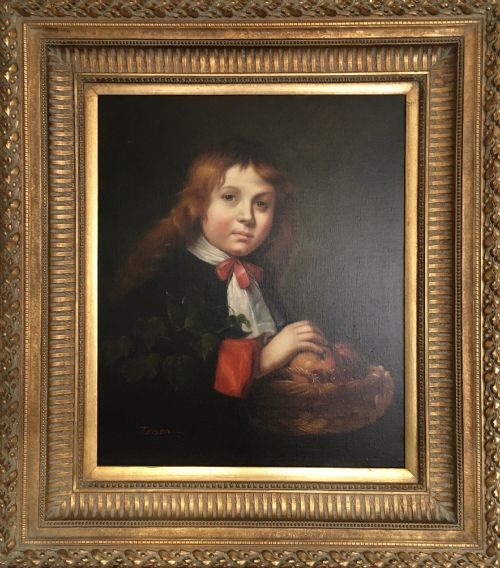
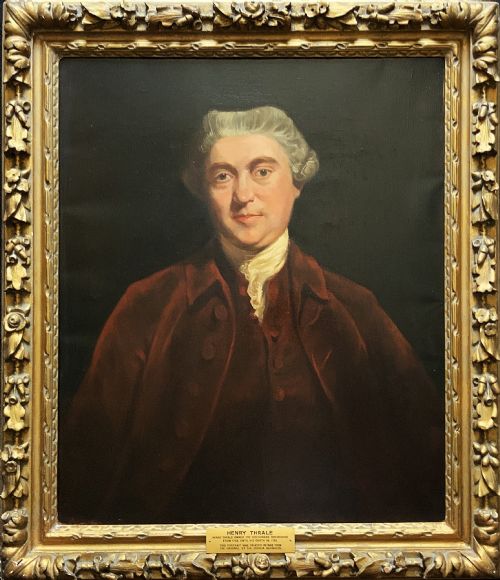
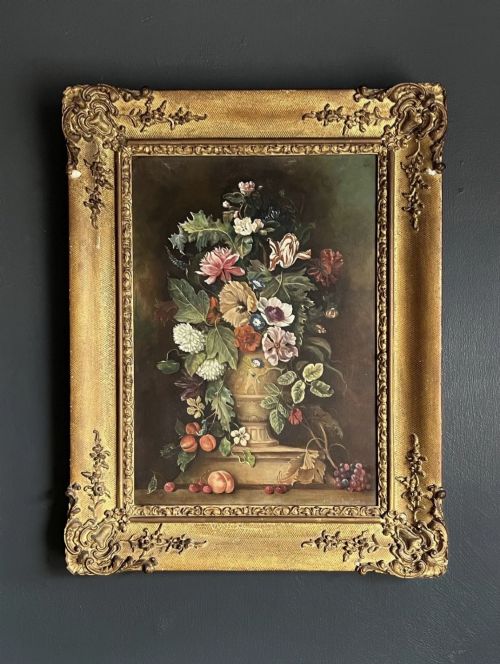
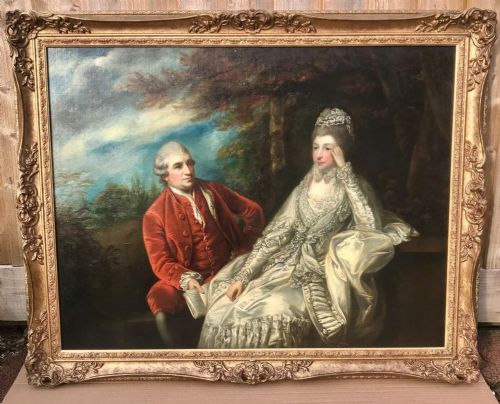
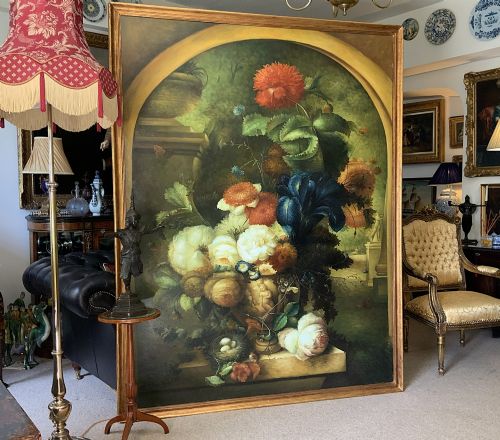
A classical oil on canvas selection involves historical paintings spanning from the seventeenth century through to later revivals, capturing mythological scenes, formal portraits, and still lifes. Buyers encounter works attributed to various European schools, alongside interpretations and copies after notable historical artists.
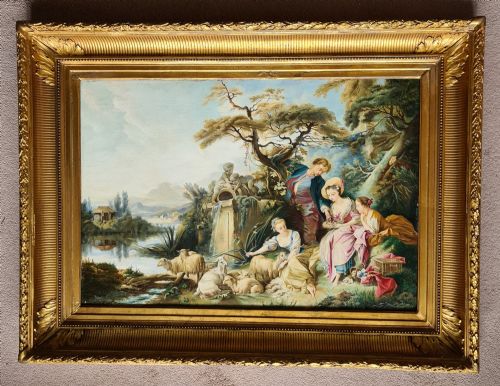
The format ranges from intimate cabinet portraits to monumental canvases meant for grand interiors. Many pieces retain their period frames, constructed from carved wood, giltwood, or gesso, which complete the presentation of the artwork.
Materials and Technique
The primary construction relies on oil paint applied to woven canvas supports stretched over wooden frames. Pigments mixed with oils allowed artists to build rich layers, glazes, and fine details over extended drying periods.
Surrounding frames frequently utilise carved wood finished with gold leaf, giltwood, or moulded gesso to complement the visual weight of the paintings. These traditional framing methods protect the canvas edges and provide structural rigidity.
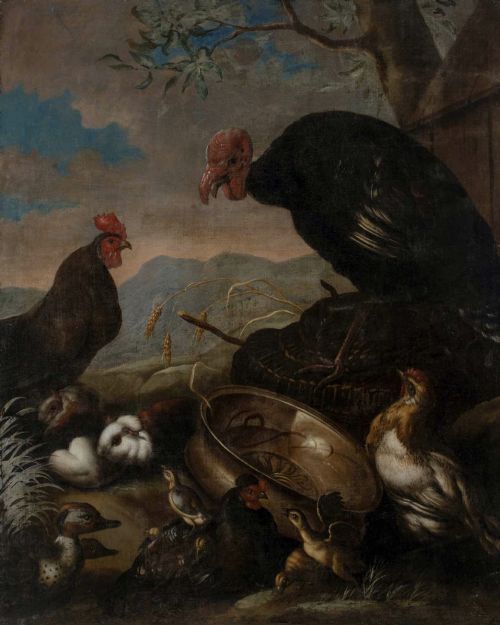
Several portraits preserve the likenesses of aristocratic ladies, scholars, and even birds and fowl surveying castle ruins.
Evaluating Quality
Quality rests upon the handling of light, anatomical precision, and the expressive depth of the brushwork. Masterworks and strong studio pieces demonstrate confident draughtsmanship and sophisticated pigment layering that create convincing spatial depth.
The integrity of the canvas and the preservation of the original paint surface influence the overall standing of an artwork. Period frames matching the age and origin of the painting contribute materially to the historical completeness of the piece.
Charles Antoine Coypel·Sir Peter Lely·Angelo Maria Crivelli·Pieter Borsseler·Jacob Philipp Hackert·John Opie
The Classical Oil on Canvas Glossary
- Oil on Canvas
- A painting medium where pigments suspended in drying oils are applied to a woven fabric support. This combination allows for smooth blending and rich tonal gradations.
- Giltwood
- Wood that has been treated with a thin layer of gold leaf or gilt powder. It provides a reflective, ornate border common in period frames.
- Gesso
- A paint mixture consisting of a neutral binder mixed with chalk, gypsum, or pigment. It served as a smooth preparation layer for wooden frames before gilding.
- Grand Tour
- A cultural journey of Europe undertaken by wealthy young men in the eighteenth and nineteenth centuries. Paintings from this context often recorded classical antiquities and landscapes.
- Provenance
- The chronology of the ownership and custody of a historical artwork. Documented origin helps establish authenticity and historical context.
Classical Oil on Canvas: Frequently Asked Questions
How do I care for an antique oil painting?
Keep the artwork away from direct sunlight, high humidity, and rapid temperature fluctuations to prevent canvas slackening and pigment degradation. Avoid using liquid cleaners on the surface and consult a professional conservator for dusting or cleaning.
Ensure the hanging environment remains stable throughout the year. Proper wall anchoring protects both the heavy wooden stretcher and the accompanying period frame.
What is the difference between an original and an after work?
An original painting represents an artist's direct composition from life or imagination during a specific historical period. Works described as 'after' an artist are period or later copies created in homage or study of a famous composition.
Both categories hold distinct places in collecting, as skilled historical copies often display high levels of technical execution and artistic merit.
How can I identify the age of the canvas?
Examinations of the weave, tacking margins, and the type of wood used for the stretcher frame offer primary clues to date a piece. Older canvases typically exhibit irregular hand-woven textures and square-cut handmade nails.
Craquelure patterns in the oil paint layer also develop naturally over centuries as the medium hardens and responds to environmental conditions.
Are period frames original to the paintings?
Many historical paintings retain their original frames, while others have been paired with suitable period-matching surrounds over time. Matching the style of the gesso or carved wood to the estimated date of the canvas confirms compatibility.
Frames often underwent replacement centuries ago to suit changing interior decoration tastes while keeping the artwork secure.