





Renaissance Style Portrait Painting
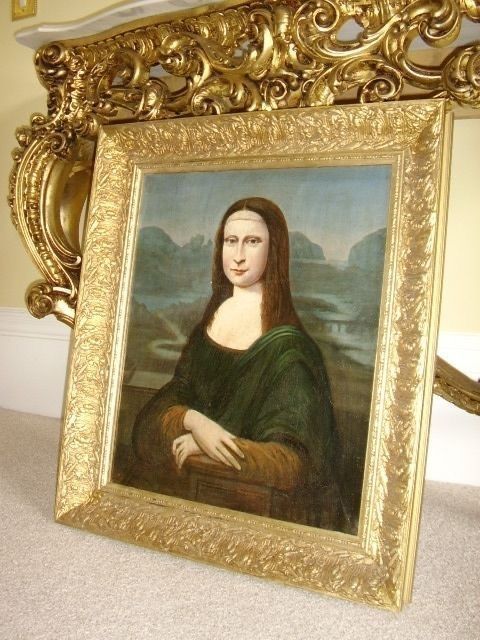
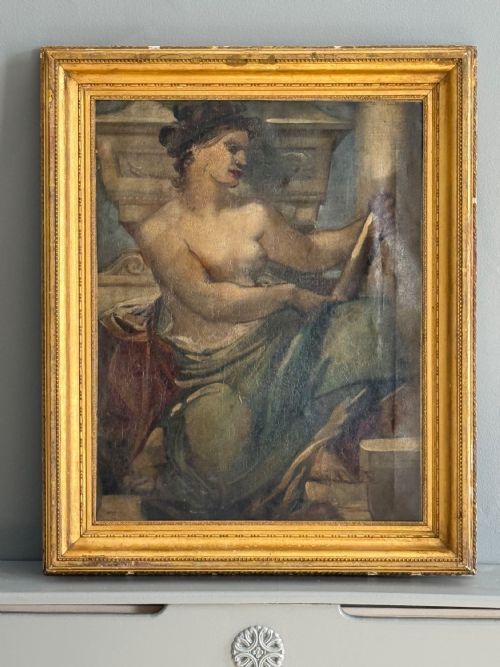
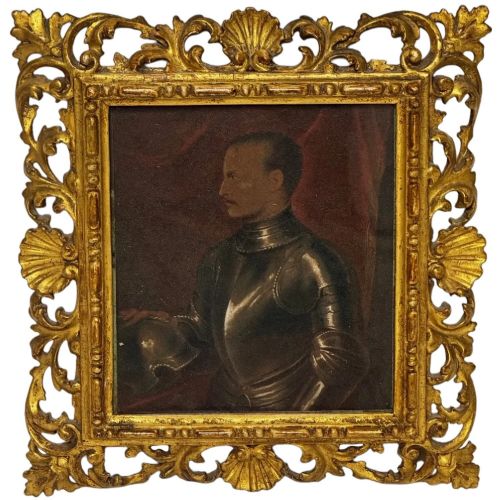
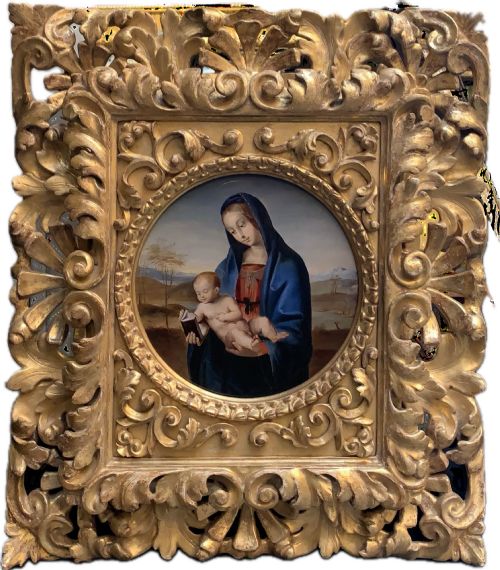
These renaissance style portrait painting works capture centuries of historical grandeur through oil on canvas and carved giltwood frames.
Renaissance Style Portrait Painting
A renaissance style portrait painting brings historical figures, noblewomen, and religious subjects into interior spaces through oil on canvas. Buyers often encounter revival interpretations alongside works created in earlier centuries.
The selections span Italian Renaissance compositions, Tudor depictions, and later copies after masters like Raphael and Leonardo da Vinci. These pieces frequently feature subjects rendered with formal dignity and rich period attire.
Framing plays a significant role in how these works appear, with carved giltwood frames frequently housing the canvas. Such pieces range from Grand Tour items to formal studio paintings.
How They Were Made
Artists applied oil paint to stretched canvas or wooden panels, often building up rich layers of pigment to achieve depth and luminosity. Gesso provided the foundational smooth ground for giltwood frames and select panel supports.
Gold leaf was meticulously applied to carved wooden mouldings to create ornate frames that complemented the visual weight of the portraits. These traditional methods ensured the longevity of both the painted surface and its housing.
Several portraits depict stern monarchs and noblewomen who steadfastly refuse to smile across the centuries.
What Varies in Quality
The fidelity of the brushwork and the expressive depth of the subject separate finer portraits from simpler decorative copies. Mastery in rendering textiles, flesh tones, and light defines the accomplishment of the hand.
The integrity and period compatibility of the frame influence the overall character of the piece. Original or period-appropriate carved giltwood enhances the historical cohesion of the artwork.
The Renaissance Style Portrait Painting Glossary
- Oil on Canvas
- A traditional painting medium utilising pigments bound in drying oils spread across woven fabric. This technique allows for subtle blending and rich colour saturation.
- Giltwood
- Timber that has been coated with a thin layer of gold leaf or gold powder. It provides a luminous border for classical and revival artworks.
- Gesso
- A white paint mixture consisting of a binder mixed with chalk, gypsum, or pigment. It prepares rigid surfaces and frames for gilding and painting.
- Grand Tour
- A traditional trip of Europe undertaken by upper-class European young men of sufficient means. It frequently resulted in the acquisition of classical art and portraiture.
- Revival
- An artistic style that consciously draws upon the inspiration of past periods. Renaissance revival works emulate the compositions and techniques of the fifteenth and sixteenth centuries.
Renaissance Style Portrait Painting: Frequently Asked Questions
How do I hang a heavy framed oil painting?
Heavy framed oil paintings require secure wall anchors and appropriate picture hooks rated for the total weight of canvas and wood. Fixing directly into wall studs ensures long-term stability.
Position the centre of the canvas at average eye level to replicate gallery standards and reduce strain on the hanging wire or brackets.
Where should I place these portraits at home?
These portraits suit formal reception rooms, libraries, or hallways where traditional furniture complements their historical aesthetic. Placing them away from direct heat sources protects the canvas and wooden frame.
Ensure wall spaces receive balanced ambient light rather than harsh direct sunlight to preserve the oil pigments over time.
How do I clean an antique oil painting?
Dust accumulation should be gently managed using a soft, dry brush without applying moisture or commercial cleaning solutions to the pigment surface. Professional conservators handle deep cleaning and varnish removal.
Frames require similarly careful maintenance with a dry cloth to protect exposed giltwood or gesso details.
What lighting suits a renaissance style portrait?
Warm picture lights mounted above the frame highlight the rich tones and textures of oil paint without generating excessive heat. Adjustable LED fixtures work well for directing illumination accurately.
Positioning the light source at an angle minimises distracting glare on the varnished canvas surface.
How can I tell a revival piece from an older work?
Examining the canvas preparation, stretcher construction, and pigment ageing offers clues regarding the chronological origin of the artwork. Revival pieces often display nineteenth-century material characteristics while imitating earlier styles.
Secondary elements like nails, framing techniques, and canvas stamps assist in confirming the active period of production.