


Antique Italian Oil Artwork
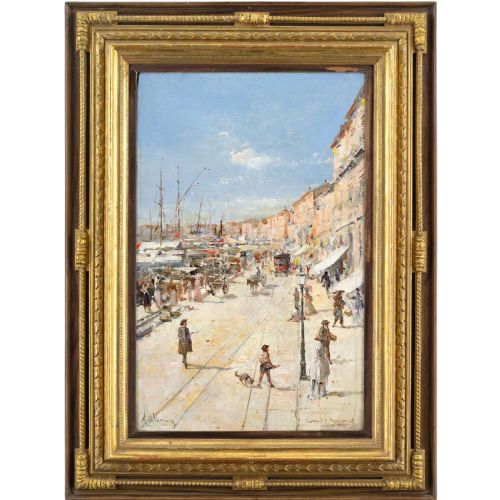
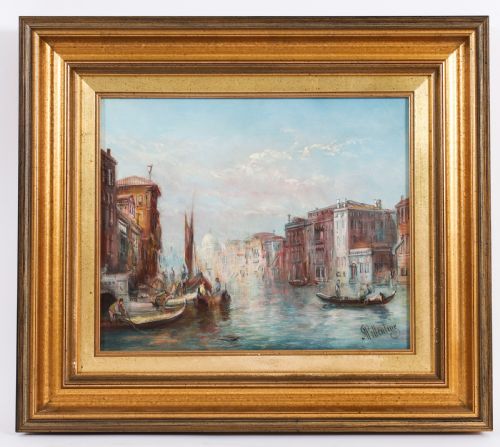
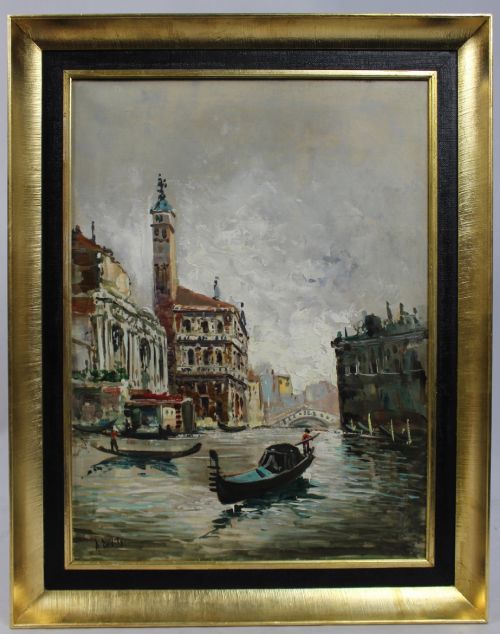
Antique italian oil artwork brings centuries of religious subjects, Venetian canals and classical landscapes into a room through hand-painted canvas.
Antique Italian Oil Artwork
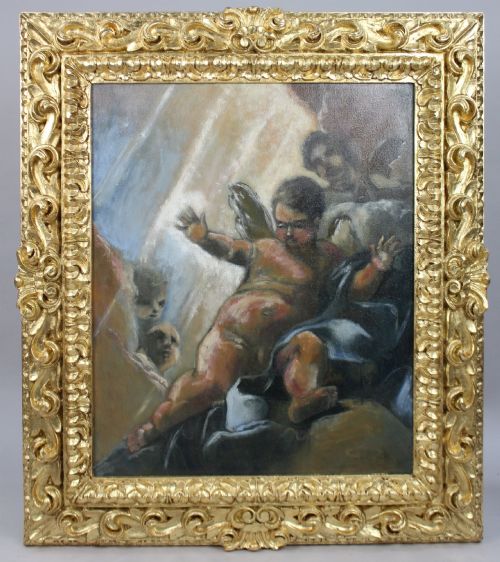
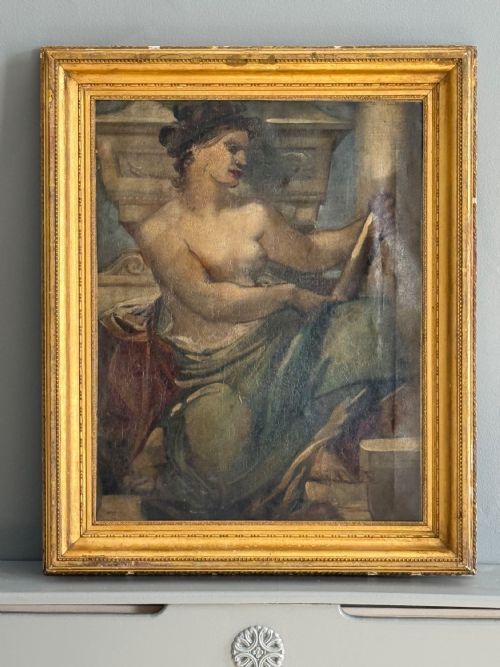
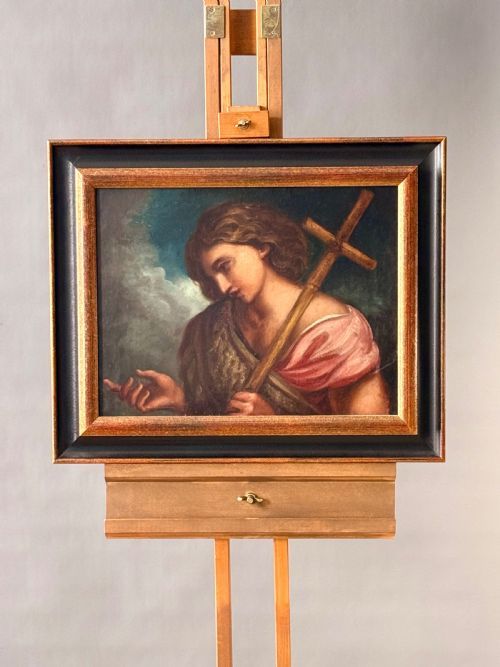
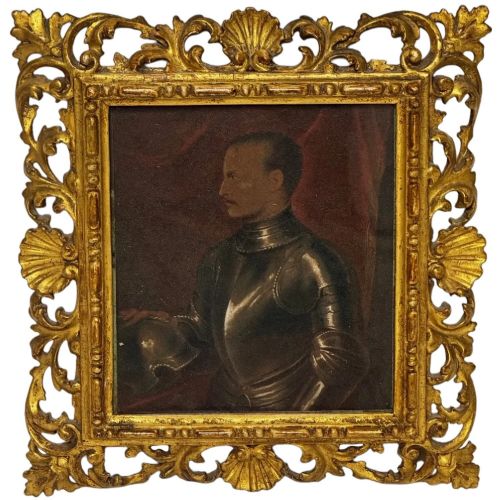
Antique italian oil artwork comprises paintings on canvas or wood panels spanning from the 16th century through the 20th century. Buyers seek these pieces for their historical depth, ranging from Renaissance portraits to Grand Tour landscape views of Venice.
Works appear either unframed or set within period frames such as carved giltwood or swept frames. Originating from various Italian schools and individual named artists, these paintings offer traditional oil paint techniques applied to canvas or board.
How they were made
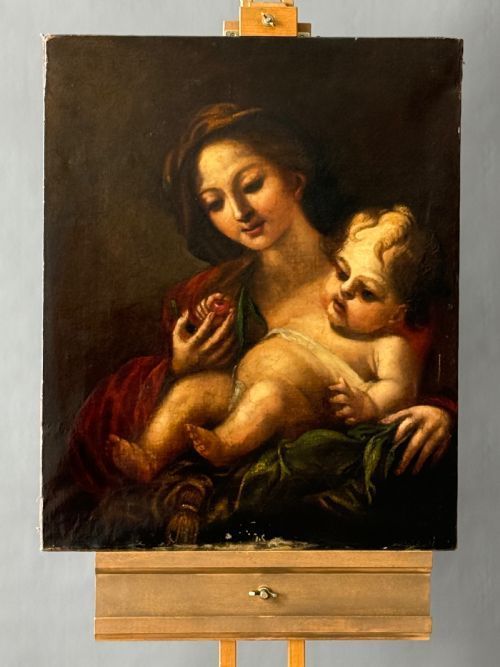
Artists applied oil paint using brushes onto woven canvas stretched over wooden frames or directly onto wooden panels. Pigments built up across layers to create depth in portraiture, architectural perspectives and landscape vistas.
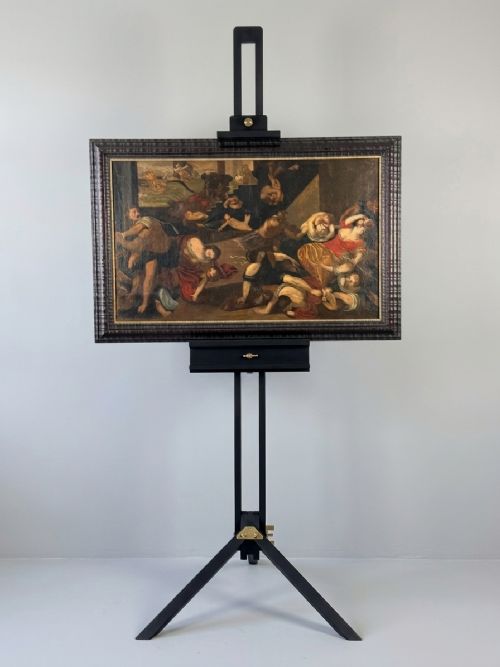
Finished canvases were frequently housed in decorative wooden surrounds finished with gold leaf or giltwood. Carved details on frames matched the stylistic periods of Baroque, Renaissance Revival or later academic traditions.
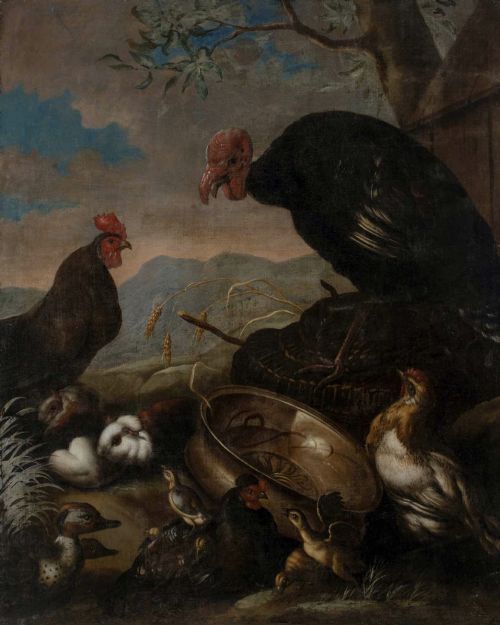
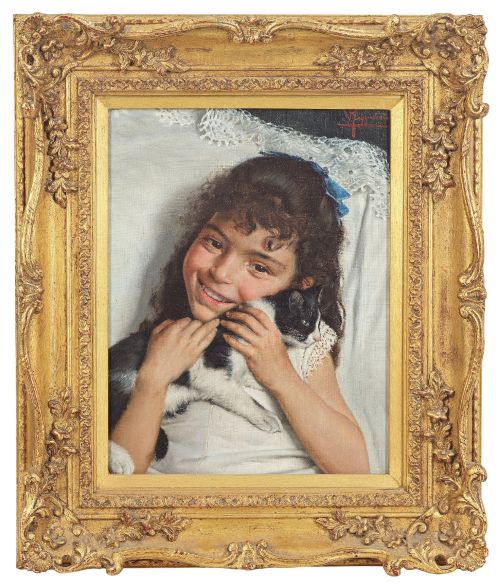
Birds, fowl and a cat appear among the human portraits, proving that Italian artists enjoyed painting animals just as much as nobility.
What varies in quality
Execution and authorship define the upper tier of these works, where named masters, documented workshops or skilled followers of classical painters produced compositions. Lesser works derive from anonymous regional schools or later decorative copies after well-known Renaissance originals.
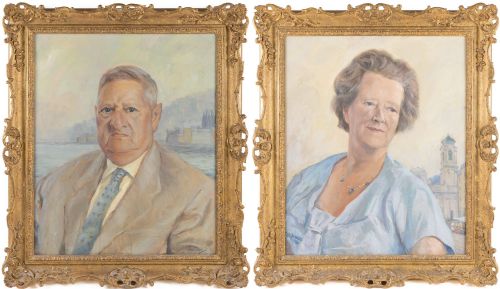
The handling of light, anatomical precision in portraits, and perspective within complex architectural views such as the Venetian canals separate ambitious compositions from simpler studio outputs. Material preservation of the original oil paint and canvas support also influences the standing of individual pieces.
Dumini Leopoldo·Angelo Maria Crivelli·Vittorio Reggianini·Augusto Alberici·Alfred Pollentine·Francis Moltino·Michelangelo Meucci·Guillaume Courtois·Umberto Volpato·Renato Moretti·Attilio Toro·Francesco Solimena·Costantino Frixione
The Antique Italian Oil Artwork Glossary
- Old Master
- A European painter of skill working before about eighteen hundred. These pieces carry historical weight and traditional academic techniques.
- Grand Tour
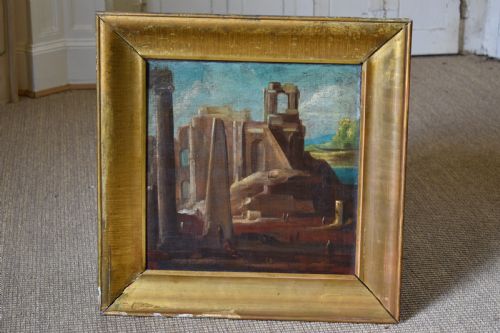
- A cultural journey undertaken by wealthy young Europeans visiting continental art centres. Resulting artwork typically depicts Italian landscapes, ruins and Venetian canals.
- Giltwood
- Wood carved and coated with gold leaf or a gold-coloured metallic finish. This material forms the ornate frames frequently housing these paintings.
- Trompe l'oeil
- An art technique that creates an optical illusion of three-dimensional space on a flat surface. Examples include realistic depictions of hanging objects or still life arrangements.
- Provenance
- The documented history of ownership associated with an artwork. This record supports attribution to specific makers or schools.
Antique Italian Oil Artwork: Frequently Asked Questions
How do I identify a 17th century Italian oil painting?
Look for stylistic markers such as dramatic lighting contrasts typical of Baroque art, combined with religious or classical subject matter. Examination of the canvas weave and stretcher construction helps confirm age.
Signatures or attribution notes on the reverse often point toward specific regional schools or named practitioners from the period.
What is a Grand Tour painting?
Grand Tour paintings are historical artworks collected by travellers visiting Italy during the eighteenth and nineteenth centuries. They commonly feature scenic views of Venice, Rome or Tuscan landscapes.
These pieces served as visual records of travel and cultural education for collectors returning home.
How should I display antique oil paintings at home?
Hang oil paintings away from direct sunlight and fluctuating heat sources to protect the canvas and paint layers. Ensure the wall structure securely supports the weight of framed works, especially those in heavy giltwood.
Pairing the period of the frame with the painting style maintains visual harmony within a room.
What does after an artist mean in a title?
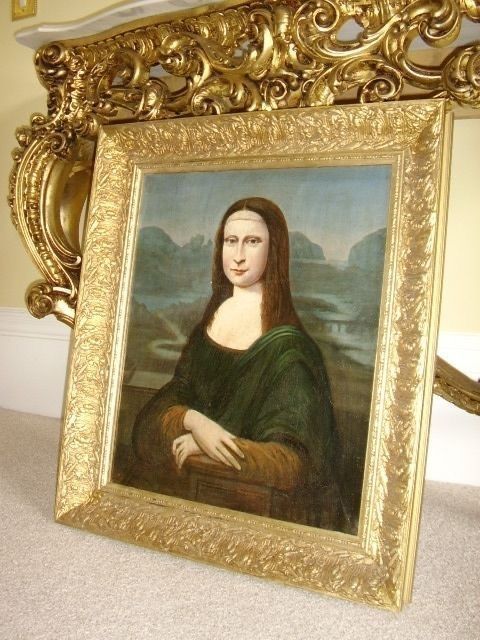
The term indicates that the work is a later painted copy based on a well-known original by a master such as Raphael or Leonardo da Vinci. These secondary interpretations were common practice in academic training and decorative art.
They offer collectors access to famous compositions executed in centuries following the original creation.