



Antique Bird Landscape Art
Antique bird landscape art brings together feathered creatures and outdoor scenes across centuries of painting and textile work.
Antique Bird Landscape Art
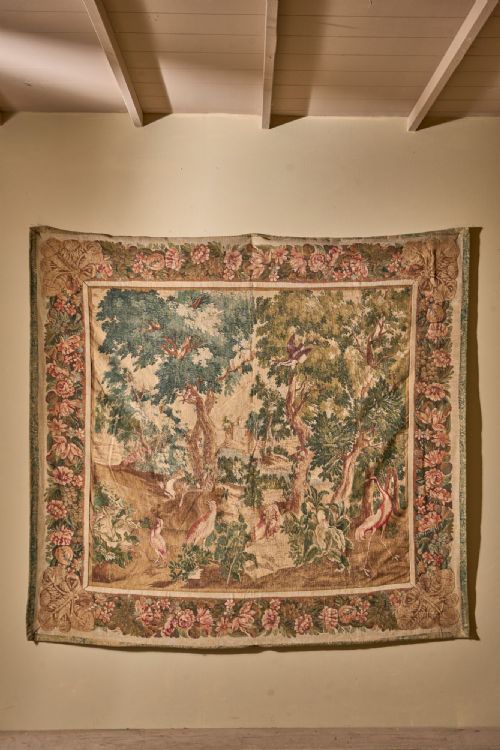
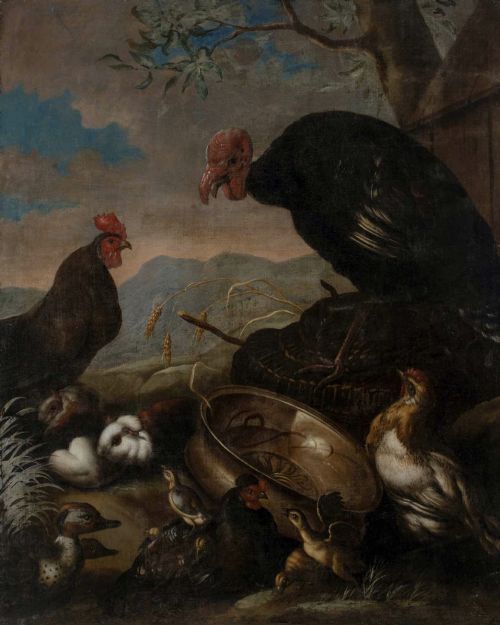
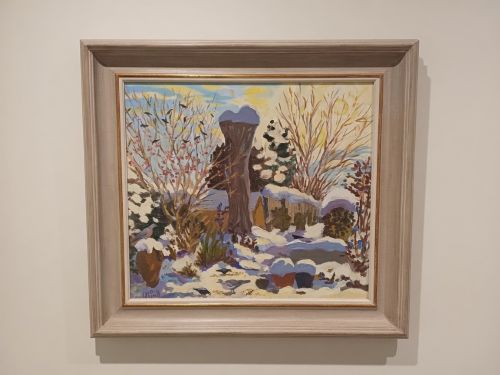
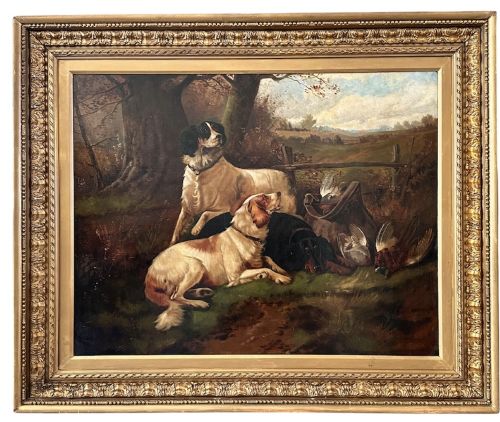
Antique bird landscape art captures avian subjects within natural settings, ranging from oil paintings to wall tapestries. When searching for antique bird landscape art, buyers encounter works spanning the seventeenth through to the twentieth century.
The category encompasses diverse forms such as large hanging tapestries, detailed watercolours, and traditional oil on canvas pieces. European and Asian traditions both contribute to the selection, displaying scenes from verdure landscapes to domestic bird studies.
Materials and construction
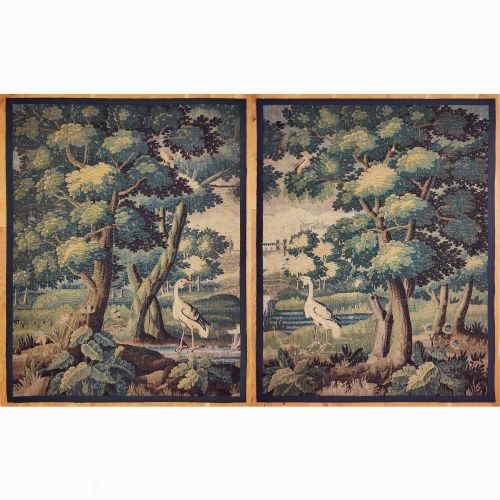
Artists and makers utilised oil on canvas, watercolour, pastel, and woven threads to create these scenes. Textile pieces often employ wool and silk to build complex verdure landscapes filled with fowl and exotic birds.
Paintings rely on stretched canvas or paper supports, framed by traditional wood structures. Pigments and brushwork reflect the prevailing techniques of periods from the seventeenth century onward.
Several pieces capture birds doing quite ordinary things near historic buildings and bustling city streets.
Elements of quality
Quality rests upon the precision of the draughtsmanship and the preservation of the medium, whether woven wool or oil pigment. Finer works demonstrate careful rendering of plumage and naturalistic integration of birds within their wider settings.
The depth of the landscape and the complexity of the composition distinguish exceptional examples from simpler naive pieces. Material integrity, such as the stability of canvas or the intact weave of a tapestry, dictates the standing of each piece.
Angelo Maria Crivelli·John Sargent Noble·Marmaduke Cradock·Jacob Bogdani·William Stephen Coleman·Rowland Henry Hill·Giacomo Nani·Stephen Elmer
The Antique Bird Landscape Art Glossary
- Verdure tapestry
- A type of woven wall hanging dominated by lush foliage, often featuring trees, plants, and animals or birds. These textiles typically date from the seventeenth and eighteenth centuries.
- Oil on canvas
- Pigments mixed with drying oil applied to a woven fabric support stretched over a wooden frame. This medium allowed artists to achieve rich colour and fine detail in landscape scenes.
- Watercolour
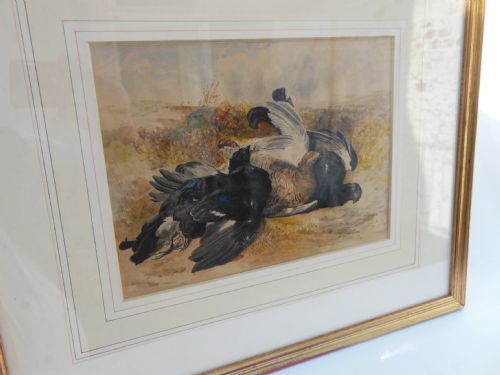
- A painting method where fine pigment is suspended in a water-based solution on paper. It produces translucent washes often utilised for botanical and avian studies.
- Chinoiserie
- A European artistic style reflecting Chinese motifs and decorative traditions. This aesthetic influenced various decorative arts and painted panels during earlier centuries.
Antique Bird Landscape Art: Frequently Asked Questions
What periods do these pieces come from?
The selection spans multiple centuries, beginning with seventeenth-century oils and tapestries through to twentieth-century watercolours and pastels. Pieces also represent Victorian and later twentieth-century production.
Each period brings distinct stylistic conventions, reflecting the materials and artistic preferences of its time.
How were large tapestries used?
Large wall tapestries and hangings served both decorative and practical purposes in historic interiors, often insulating stone walls while displaying rich imagery. Verdure scenes brought outdoor motifs into formal rooms.
Their heavy wool and silk construction allowed them to cover substantial expanses of wall space.
What is the difference between oil paintings and watercolours here?
Oil paintings utilise pigment bound in oil on canvas, offering rich textures and deep colour layering suitable for large historical works. Watercolours apply water-based pigments to paper, yielding lighter and more delicate studies.
Both mediums capture avian subjects but deliver entirely different visual weights and preservation requirements.
How do I care for antique textiles and paintings?
Textiles and paper works require protection from direct sunlight and stable humidity to prevent fading and material degradation. Canvas paintings benefit from gentle dusting and avoidance of damp environments.
Proper framing and mounting safeguard these delicate materials against physical damage over time.