




Renaissance Style Painting
A renaissance style painting brings the majesty of historical portraiture and sacred art into a room through classical composition and rich oil pigments.
Renaissance Style Painting
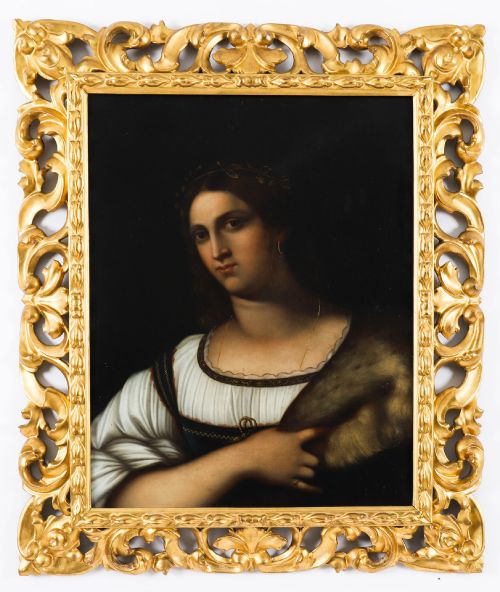
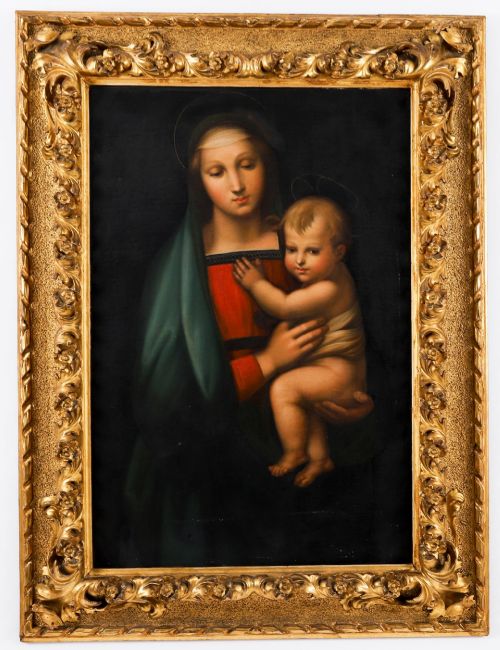
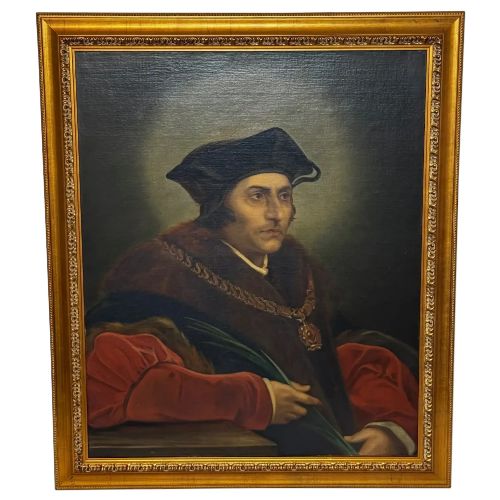
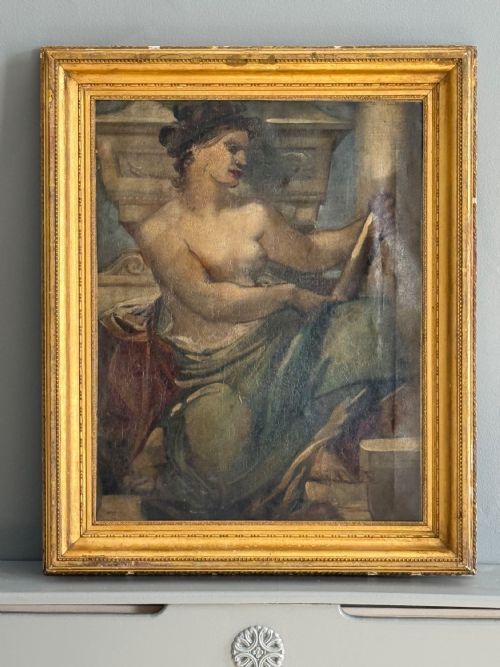
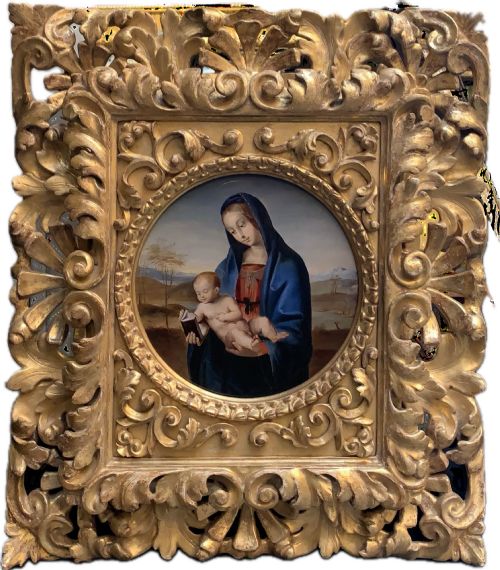
A renaissance style painting comprises works created across multiple centuries that imitate the pictorial traditions of the fifteenth and sixteenth centuries. When exploring this selection, buyers frequently encounter canvases depicting religious scenes, mythological subjects, or aristocratic portraits.
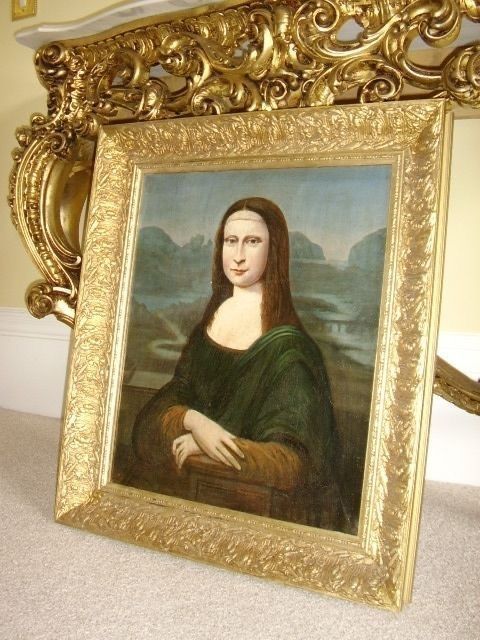
The objects stem from various periods, ranging from original sixteenth-century compositions and later eighteenth-century copies to nineteenth-century revival interpretations. Many items directly reference renowned masters such as Raphael, Leonardo da Vinci, and Correggio.
Alongside traditional oil paintings on canvas and wood panels, related decorative items appear in the listings, including painted porcelain plaques and manuscript bindings. These works capture the enduring appeal of Italian and European classical aesthetics for domestic display.
How they were made
Makers utilised oil paint applied to prepared canvas or wooden panels, often building up translucent layers to achieve deep shadow and luminous flesh tones. Giltwood frames, carved wood, and applied gesso frequently complete the presentation of these historical artworks.
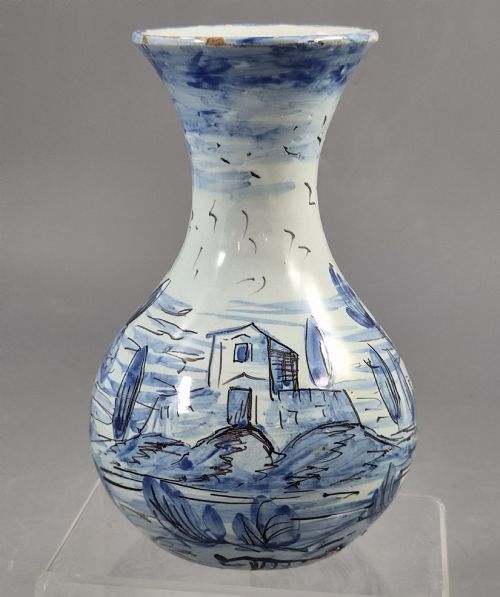
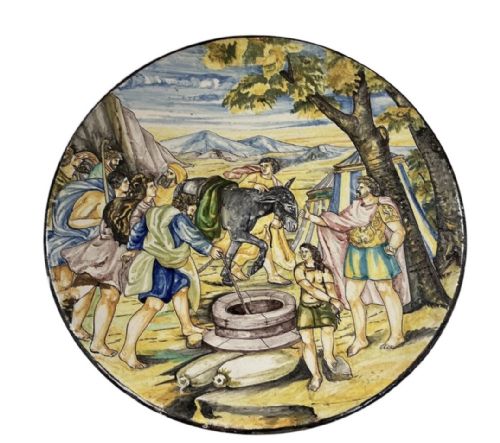
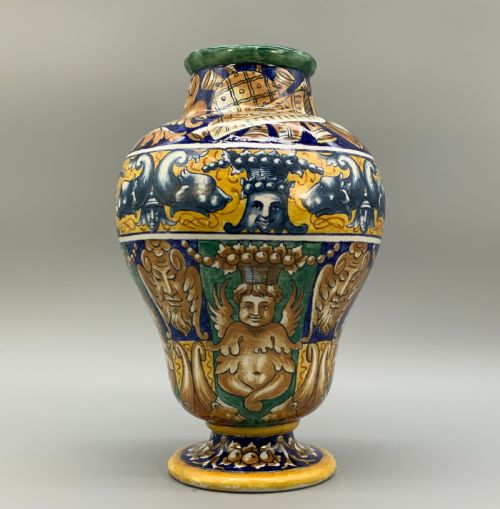
Ceramic forms such as maiolica chargers and vases employ tin glazes painted with polychrome oxides, mirroring Renaissance pottery techniques from Urbino, Florence, and Pesaro.
Listings span centuries of artistic production, from authentic sixteenth-century Italian school works to nineteenth-century Grand Tour souvenirs and twentieth-century revival pieces.
What varies in quality
The nuance of brushwork and the precision of proportion separate ambitious academic studies from more rigid decorative copies. Superior examples demonstrate a careful handling of light and shadow that reflects the anatomical understanding of the periods they emulate.
Materials contribute significantly to overall standard, where hand-carved giltwood frames and finely ground pigments elevate the piece far above standard commercial production.
Icilio Federico Joni·White Allom and Co·Cantagalli
The Renaissance Style Painting Glossary
- Oil on Canvas
- A painting technique where pigmented oil is suspended in a drying oil and applied to a woven fabric support. This method allows for subtle blending and rich colour saturation.
- Maiolica
- Tin-glazed earthenware produced in Italy and other European centres, typically decorated with colourful historical or religious scenes. The tin glaze provides a brilliant white background for detailed painting.
- Giltwood
- Wood that has been coated with a thin layer of gold leaf or powder, often over a prepared gesso base. This treatment adds opulent reflectivity to picture frames and furniture.
- Gesso
- A white paint mixture consisting of a binder mixed with chalk, gypsum, or pigment, used as a preparation surface for wood panels or frames. It creates a smooth, absorbent ground for subsequent decoration.
Renaissance Style Painting: Frequently Asked Questions
How do I identify a renaissance style painting?
Examine the composition for balanced geometry, classical architectural backgrounds, and idealized human figures modelled with soft light. These visual markers distinguish historical revival pieces from later modern abstract works.
Look closer at the support materials, such as aged wood panels or woven canvas, alongside the framing and pigment depth to gauge the approximate period of creation.
Where should I hang a renaissance style painting?
These artworks suit traditional living spaces, libraries, or dining rooms where rich wood tones and antique furnishings complement their classical aesthetic. Placing them away from direct sunlight protects the oil pigments and sensitive gilt frames.
Consider pairing smaller portraits with decorative wall brackets or placing large chargers and vases on sturdy occasional tables to create a cohesive historical display.
Are these paintings original Renaissance works?
Most pieces found in this category represent later revivals, copies, or interpretations created during the eighteenth and nineteenth centuries by artists studying old master techniques. Genuine sixteenth-century works appear less frequently and usually carry detailed scholarly attribution.
Studying the framing, canvas weave, and pigment characteristics helps determine whether a work dates to the Renaissance period or a subsequent revival era.
What subjects are common in these paintings?
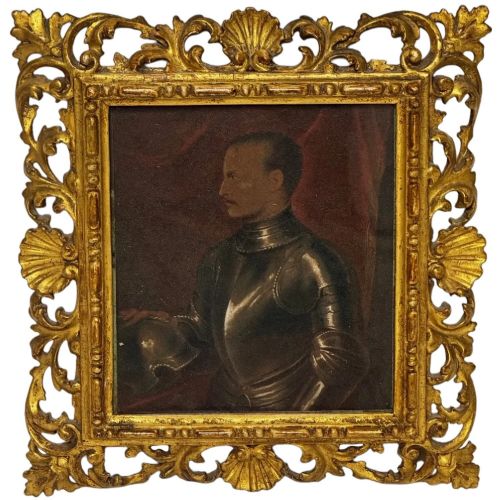
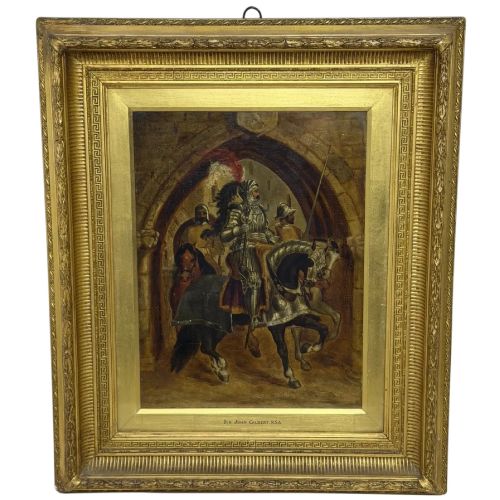
Religious themes dominate the selection, frequently depicting the Madonna and Child, the Holy Family, or biblical narratives inspired by masters like Raphael and Correggio. Portraiture of noble figures, knights, and Venetian women also appears regularly.
Mythological scenes and historical genre subjects reflect the broad educational ambitions of the Grand Tour and nineteenth-century academic art training.