
Canvas Female Wall Art
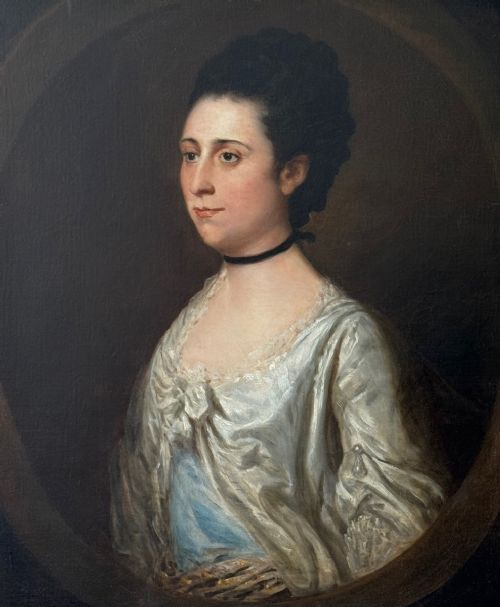
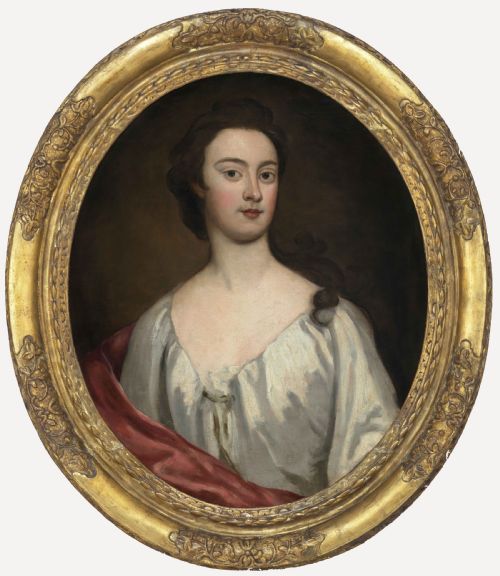
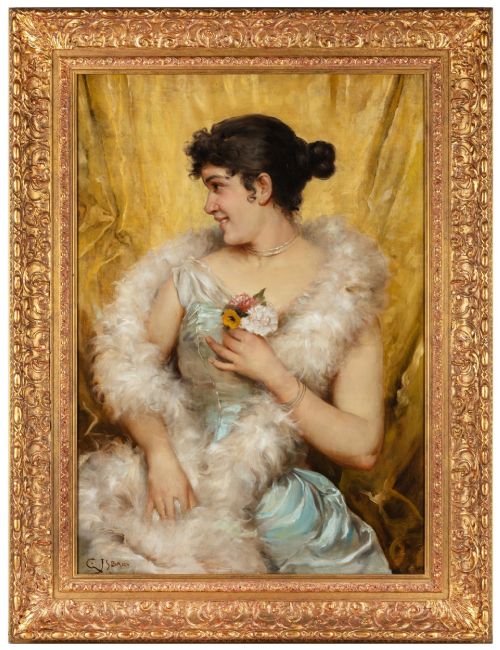
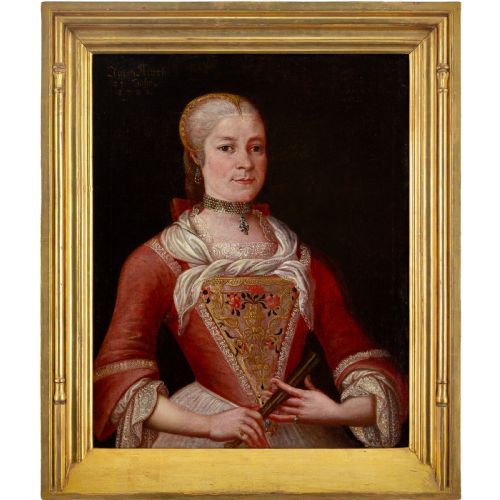
Canvas female wall art brings historic portraiture and figure painting into contemporary interiors through centuries of oil on canvas tradition.
Canvas Female Wall Art
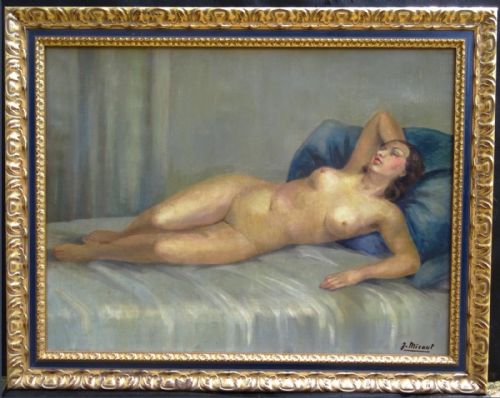
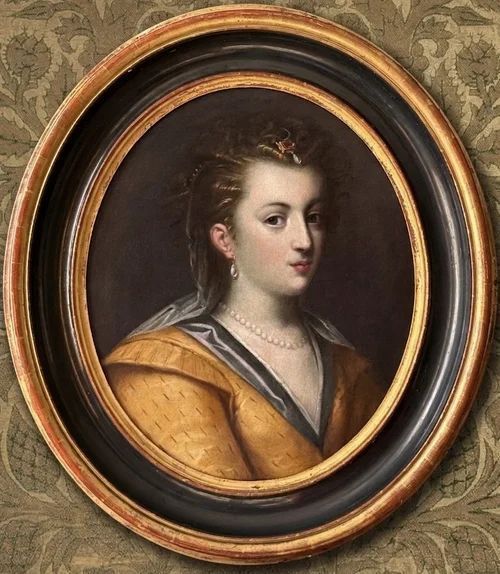
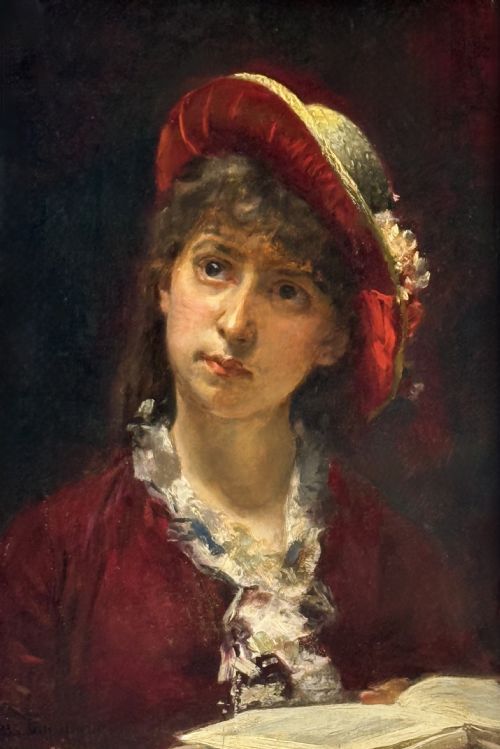
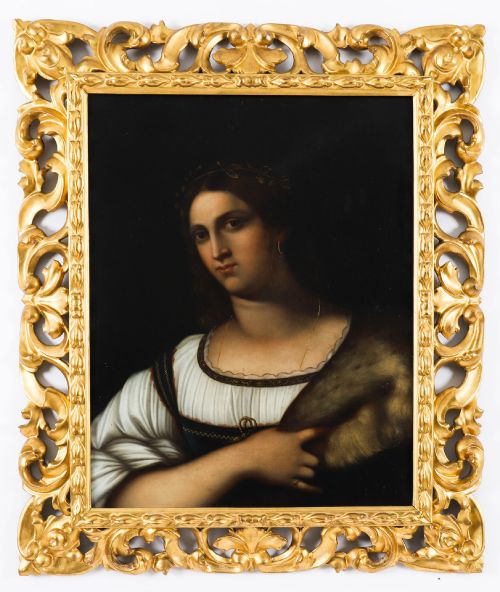
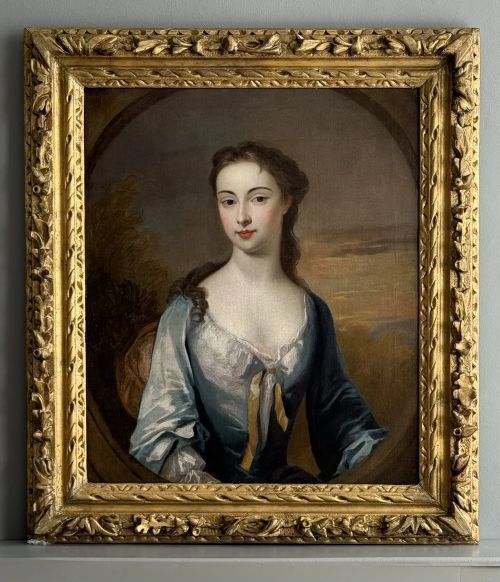
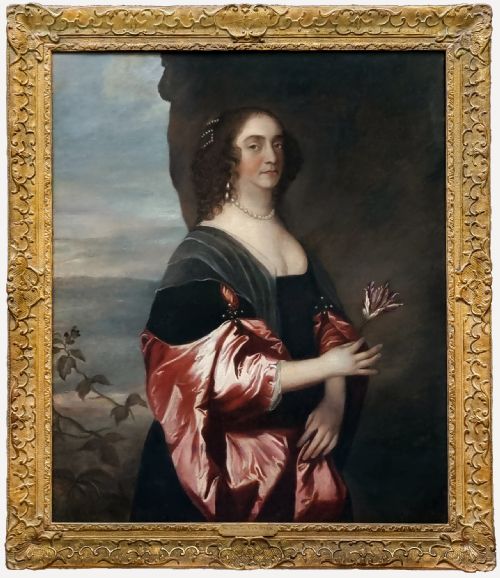
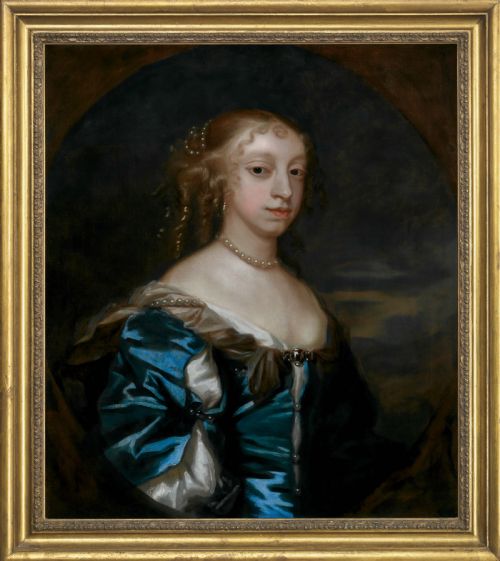
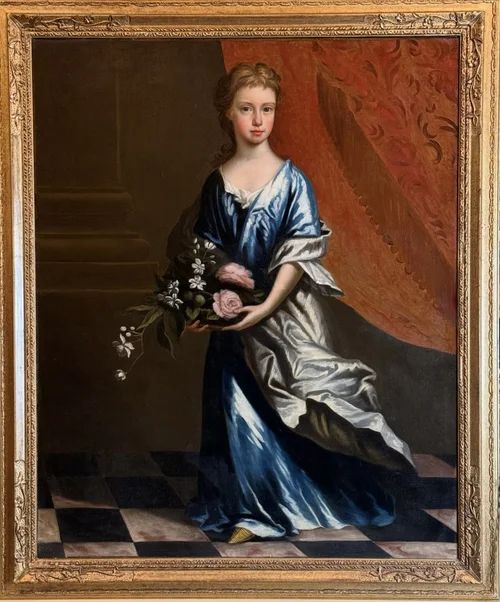
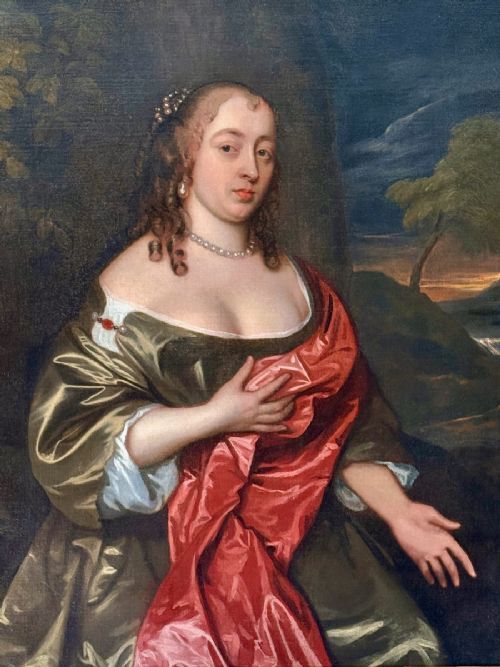
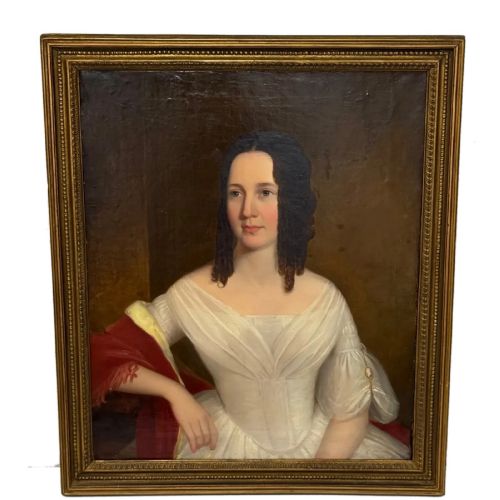
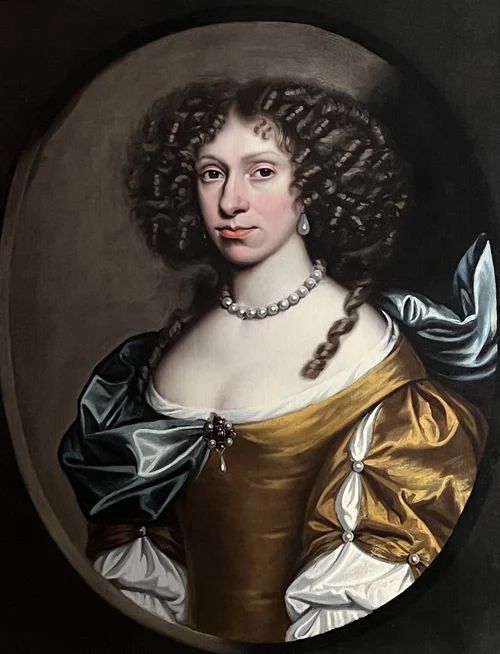
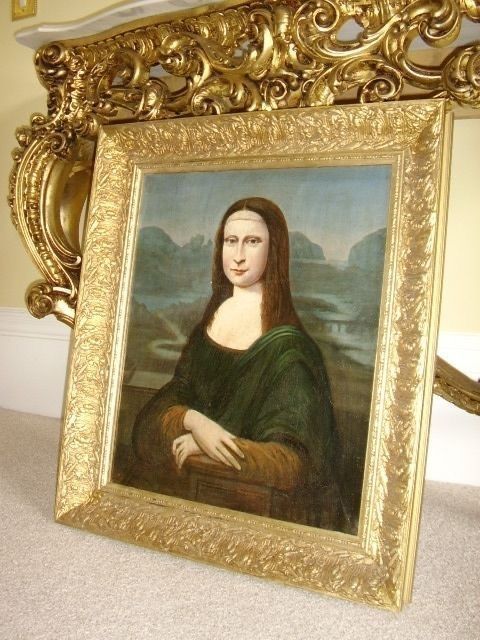
Canvas female wall art primarily consists of oil paintings depicting women, spanning from the seventeenth century through to the mid-twentieth century. The selection ranges from seventeenth-century British and Dutch noblewomen to eighteenth-century classical portraits and twentieth-century modernist studies.
The dominant forms are framed oil paintings on canvas, encompassing formal aristocratic portraiture, intimate domestic scenes, and figure studies. Buyers encounter works from various regional schools, including British, French, Bavarian, and Spanish traditions.
Subjects include named historical figures, architectural designers, nobility, and anonymous sitters captured in distinct periods such as the Georgian, Regency, Victorian, and Edwardian eras.
Materials and Construction
The physical foundation of these works relies on woven canvas stretched over wooden frames, providing a stable support for subsequent layers of preparation and pigment. This textile base is frequently housed within period wooden frames, occasionally accented with giltwood and gold leaf.
Artists utilised oil paint, applying medium-rich pigments to build depth, luminosity, and texture across the canvas surface. The combination of traditional oil media and organic fabric supports accounts for the physical longevity of these historic paintings.
One historical sitter is famously captured mid-action, caught permanently in the act of picking oranges.
Evaluating Artistic Merit
Quality in these works is determined by the precision of the brushwork, the psychological depth of the sitter's portrayal, and the structural integrity of the canvas and frame. Masterworks demonstrate superior handling of light, fabric texture, and anatomical proportion.
Provenance and attribution significantly influence distinction, with works securely linked to established historical painters or documented sitters commanding greater academic and aesthetic interest.
G. J. S. Bary·John Hayls·David Scougall·George Willison·Pieter Borsseler·Sir Allan Ramsay·Robert Byng·John Opie·Jeremiah Davison·Sir Peter Lely·Sir Anthony Van Dyck·Florence Small
The Canvas Female Wall Art Glossary
- Oil on Canvas
- A painting medium where pigments suspended in drying oils are applied to a woven fabric support. This combination allows for rich colour blending and substantial textural variation.
- Giltwood
- Wood, typically carved timber, coated with gold leaf or a gold-coloured metallic finish. It is commonly found on the decorative frames enclosing period portraits.
- School
- A group of artists working in a particular style, region, or period, often under the influence of a master. It denotes artistic lineage rather than a formal educational institution.
- Attributed to
- A term used when a work is considered likely by a specific artist based on stylistic evidence, though lacking definitive documentation or signature.
Canvas Female Wall Art: Frequently Asked Questions
How do I hang heavy oil paintings?
Heavy canvas paintings require secure wall anchors and fixings rated for the combined weight of the canvas and its wooden frame. It is essential to locate wall studs or utilise appropriate cavity fixings to distribute the load safely.
Position the painting at eye level, ensuring the hanging wire or D-rings are evenly tensioned and securely fastened to the heavy-duty frame itself rather than decorative mouldings.
Are these portraits original historic works?
The selection comprises authentic period pieces ranging from the seventeenth century to the mid-twentieth century. Each work reflects the artistic techniques, materials, and stylistic conventions of its specific era.
Documentation often includes attribution to particular schools or named artists, providing context regarding the creation date and historical provenance of the canvas.
How should I clean antique canvas art?
Surface dust should be removed gently using a soft, dry natural-bristle brush, moving carefully across the textured surface of the oil paint. Avoid using water, household cleaners, or chemical solvents on the canvas.
Professional conservators should handle deeper cleaning, varnish removal, or the repair of tears and craquelure to prevent permanent damage to the historic pigment layers.
What lighting suits oil portraiture?
Display these canvases away from direct sunlight, as prolonged exposure to ultraviolet rays fades traditional oil pigments and damages the fabric support. Controlled, indirect lighting preserves the integrity of the paint.
Utilising low-heat picture lights or positioned interior illumination highlights the depth of the oil layers and the detail of the giltwood frame without causing thermal stress.