





Decorative Oil Wall Art
Decorative oil wall art brings centuries of hand-painted canvas and wood into domestic spaces, offering character and rich visual depth.
Decorative Oil Wall Art
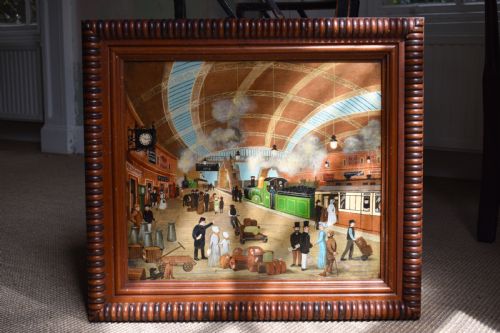
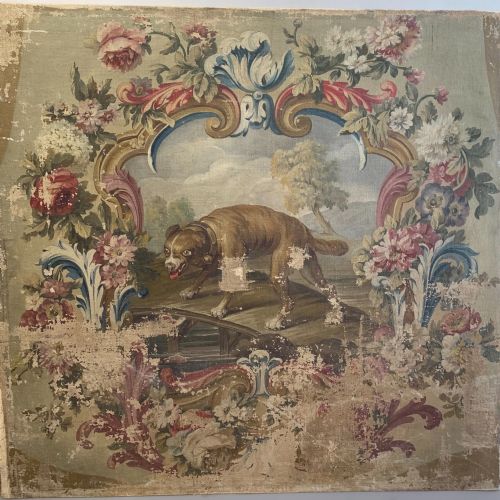
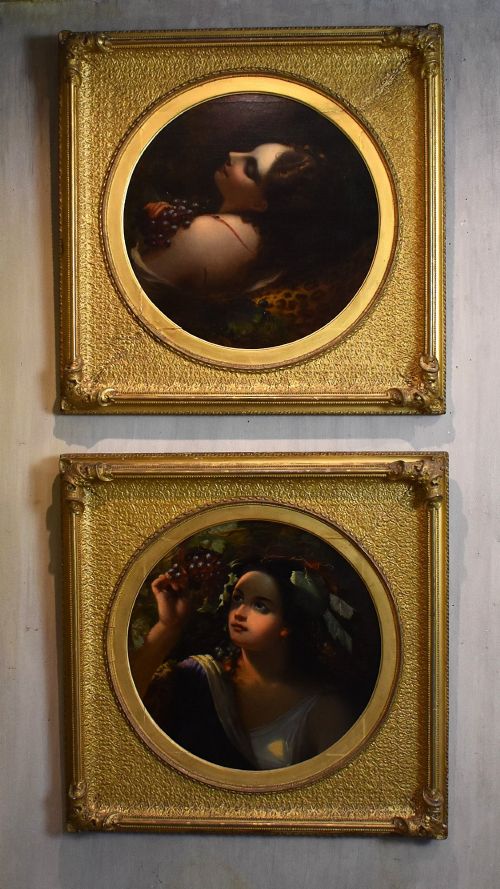
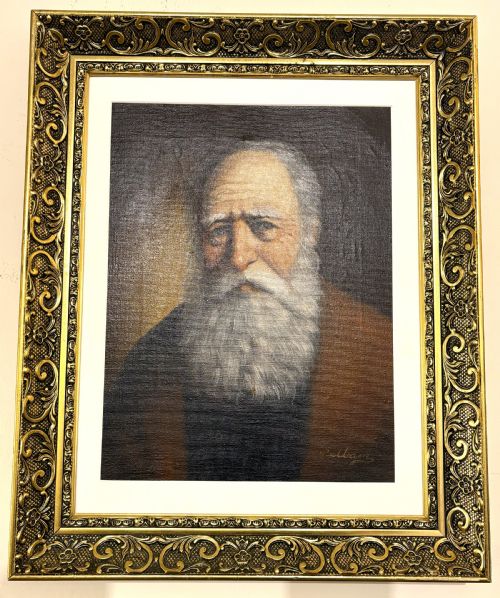
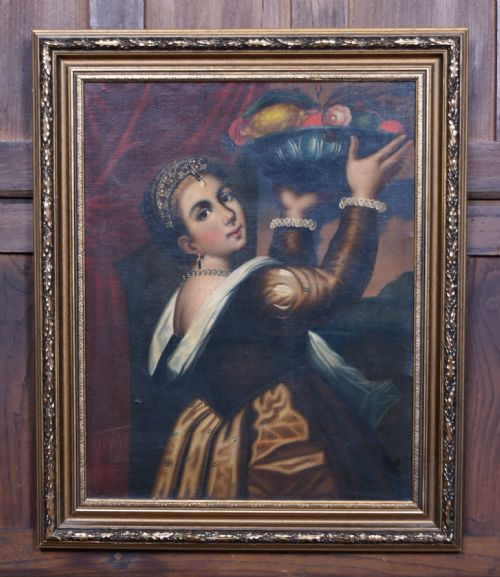
Decorative oil wall art encompasses hand-painted works executed in oil on canvas, board, and panel, spanning from the seventeenth century through to the mid-twentieth century.
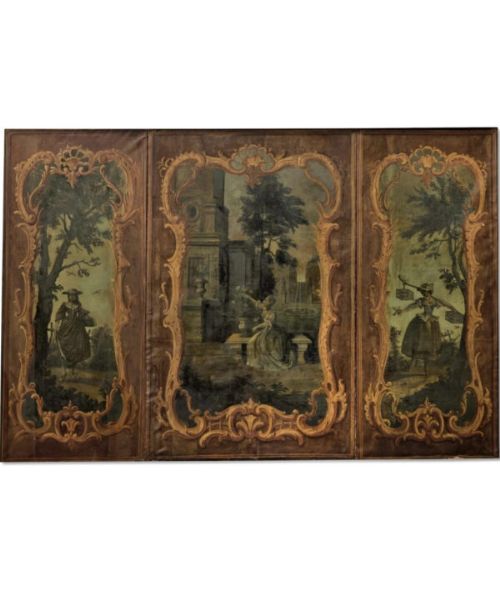
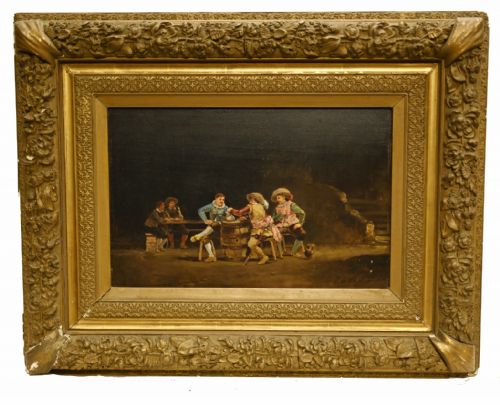
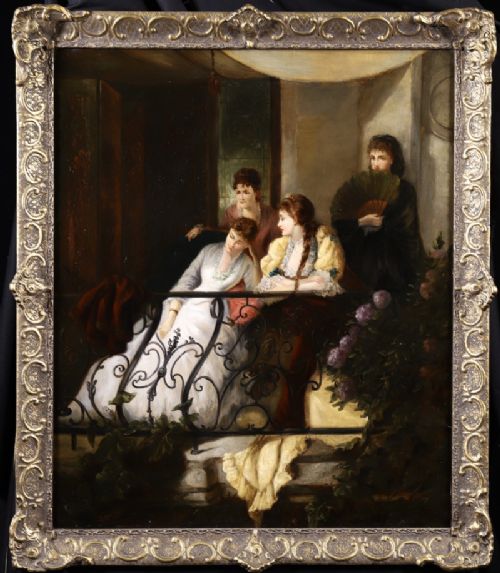
The selection ranges widely from Dutch landscape scenes and Baroque floral still lifes to Victorian genre works, intimate miniature compositions, and grand grisaille triptychs.
Buyers encountering this group will find both signed compositions by named painters and characterful works originating from diverse European and British schools.
Materials and construction methods
These works are painted using oil pigments applied to prepared canvas supports, wooden boards, or painted panels.
Many historical pieces retain their original frames, often formed from carved wood with gilded finishes or giltwood surrounds that complement the artwork.
Several charming works feature domestic animals and playful cherubs caught mid-scene, reminding viewers that historical homes loved a touch of theatrical fun.
Distinguishing quality in painted works
Quality rests upon the confidence of brushwork, the handling of light and shadow, and the structural integrity of the underlying canvas or wooden support.
Works that demonstrate greater compositional balance, sophisticated tonal harmony, and well-preserved pigment depth stand apart from simpler decorative pieces.
Theodore Jensen·Stuart Armfield·Constant Ludovic Artz·Frank Myers Boggs·John Gilroy·Ralph Hedley
The Decorative Oil Wall Art Glossary
- Grisaille
- A painting executed entirely in shades of grey or neutral monochrome, often employed to simulate sculptural reliefs or architectural wall panels.
- Trompe l'oeil
- An artistic technique that uses realistic imagery to create the optical illusion that the depicted objects exist in three dimensions.
- Chiaroscuro
- The strong contrast between light and dark, used to give a sense of volume to figures and objects within a composition.
- Tempera
- A permanent, fast-drying painting medium consisting of coloured pigment mixed with a water-soluble binder, such as egg yolk.
- Provenance
- The chronology of the ownership, custody, or location of a historical historical painting.
Decorative Oil Wall Art: Frequently Asked Questions
How do I hang a heavy oil painting?
Heavy oil paintings require sturdy fixings suited to the weight of both the canvas and its wooden frame. Secure fastenings anchored directly into wall studs or appropriate wall plugs ensure stability.
Position the piece at eye level to ensure proper viewing balance within the room.
How do I clean an antique oil painting?
Surface dust should be removed gently with a very soft, dry brush without applying pressure to the canvas. Specialist conservation cleaning should be left to professionals to avoid damaging the historical pigment.
Keep paintings away from direct heat sources and moisture to protect the oil layers.
What is the difference between canvas and board supports?
Canvas is fabric stretched over a wooden frame, offering slight flexibility and texture beneath the paint layers. Board provides a rigid, flat surface that resists sagging over long periods.
Both supports have been utilised across various centuries depending on the artist's preference.
How do I identify the age of an oil painting?
Age is often indicated by the type of canvas weave, the composition of the wooden stretcher frames, and the style of the brushwork. Examining the reverse of the canvas or panel frequently reveals historical labels, inscriptions, or stamps.
Comparing stylistic elements to documented periods helps narrow down the date of creation.