


Traditional Oil Canvas Art
Traditional oil canvas art brings centuries of portraiture, landscapes, and still life straight to the wall.
Traditional Oil Canvas Art
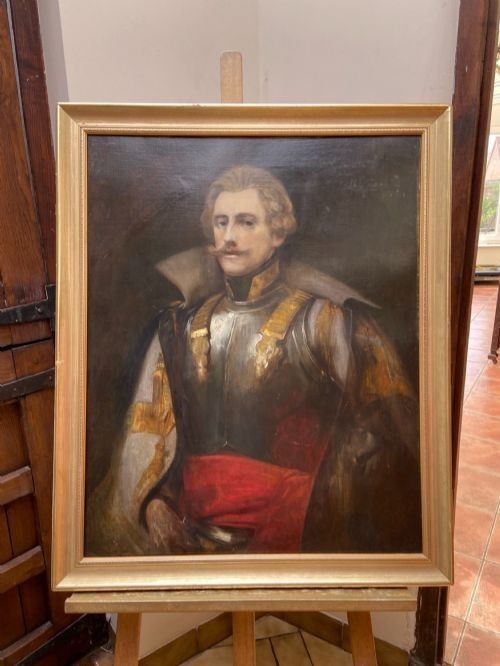
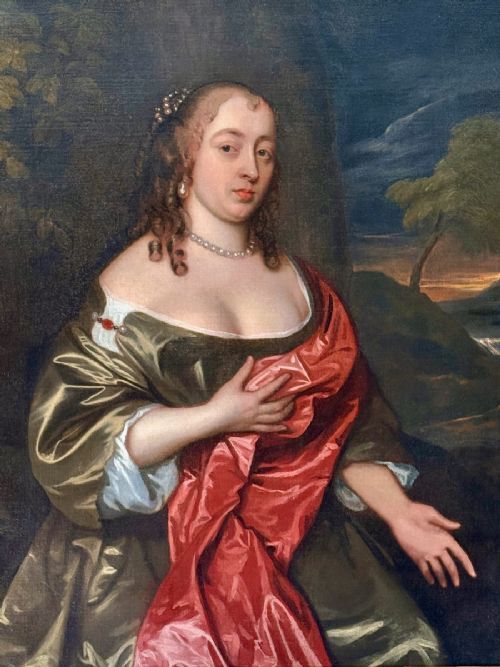
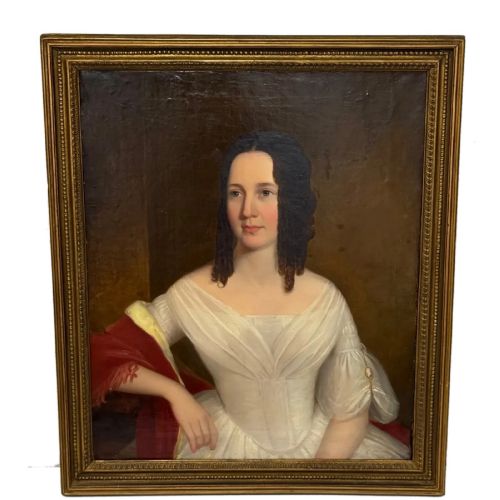
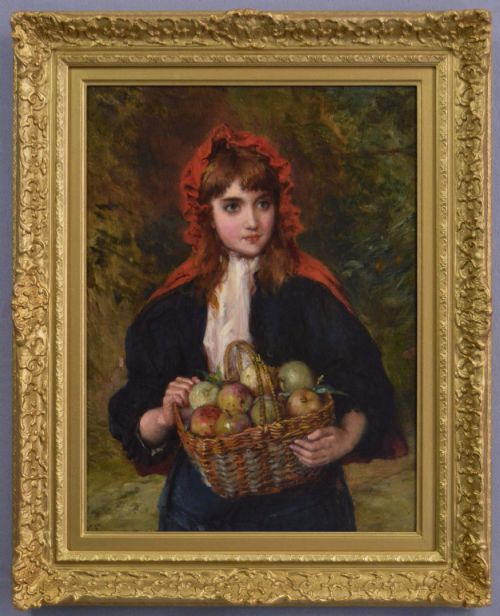
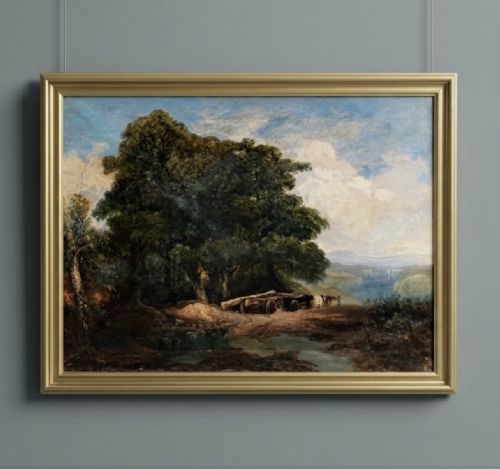
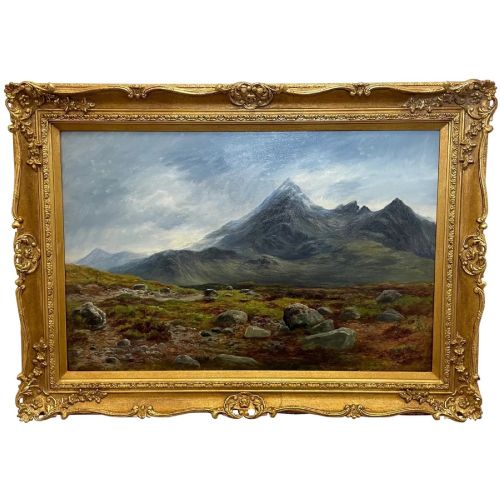
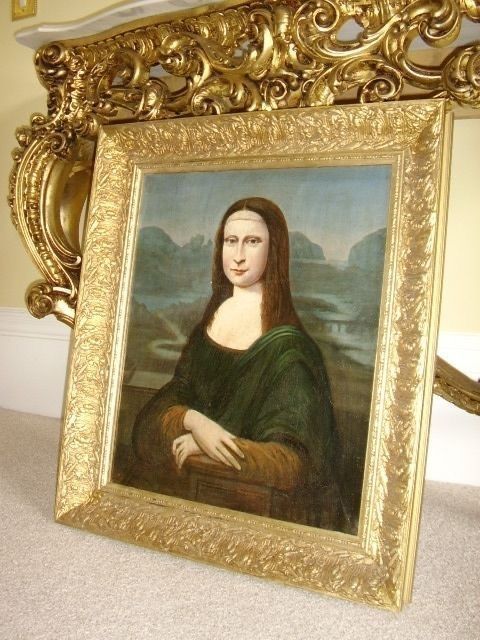
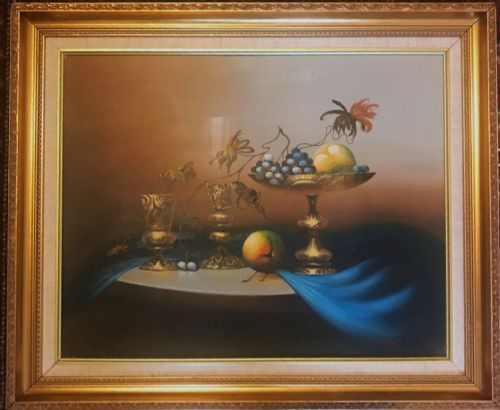
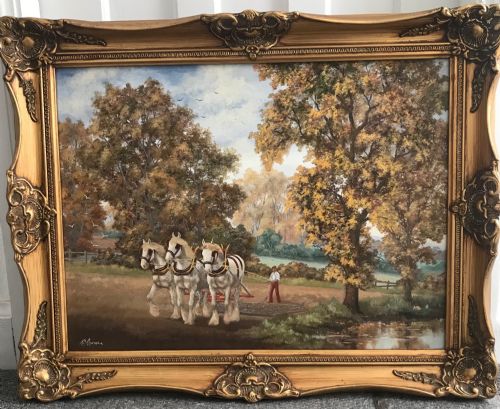
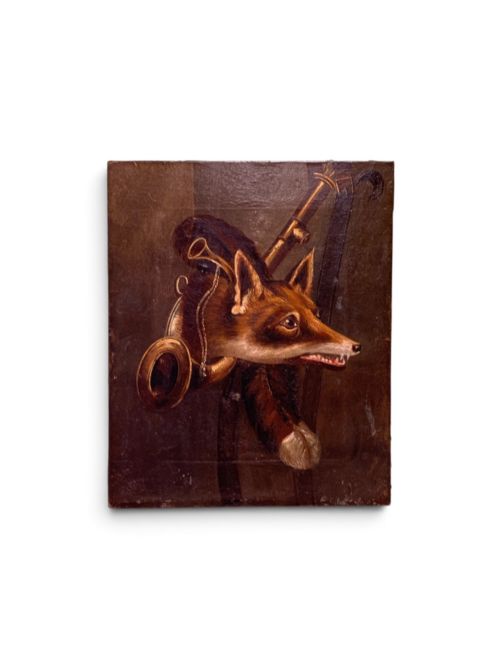
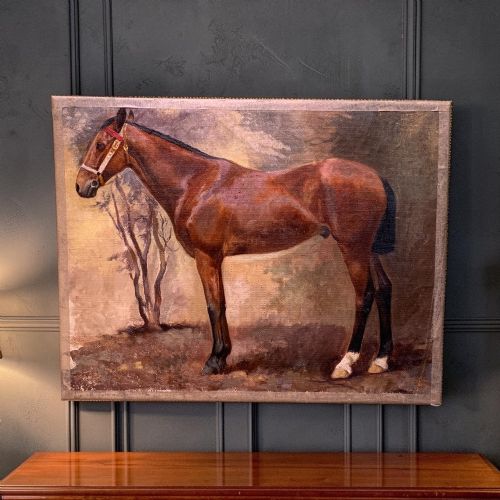
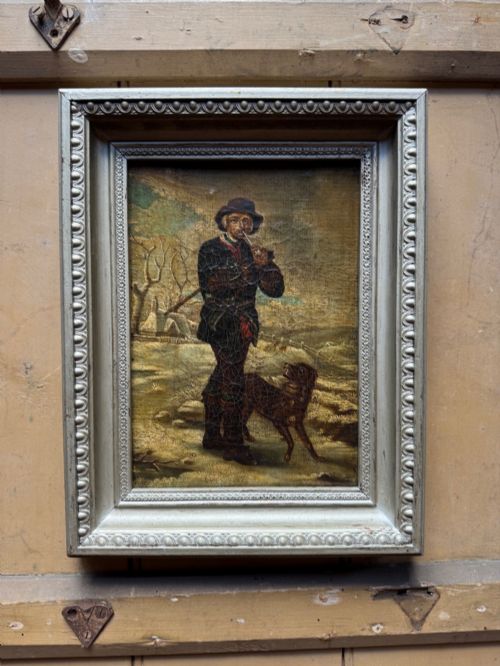
Traditional oil canvas art spans centuries of painted works, drawing from periods ranging from the 18th century through to the mid 20th century. Buyers encounter subjects as diverse as pastoral landscapes, equine portraits, maritime scenes, and floral still lifes.
Works range from intimate framed canvases to monumental compositions, occasionally housed in period giltwood or gesso frames. The pieces demonstrate varied regional traditions, connecting contemporary interiors with historical painting techniques.
Materials and construction
These works rely on oil paint applied to woven canvas supports, often stretched over wooden frames. The medium allows for rich colour depth and gradual blending, facilitated by drying oils such as linseed.
Many pieces are presented within decorative frames constructed from wood and finished with gilt or gesso embellishments. The combination of canvas, oil pigment, and timber framing defines the physical structure of these works.
Equine portraits capture prize-winning shires and racing pigeons, recording Victorian agricultural pride in feathered and hooved detail.
Elements of quality
Quality rests in the handling of light, shadow, and anatomical precision within the brushwork. Masterful execution shows in the convincing rendering of textures, whether depicting animal fur, delicate petals, or turbulent water.
The depth of the composition and the integrity of the original canvas and stretcher frames distinguish superior examples. Furthermore, the presence of a well-preserved period gilt or gesso frame contributes to the overall cohesion of the piece.
John Hayls·William Oliver·Richard Sebastian Bond·William Beattie Brown·George Willison·Hendrik Willem Schweickhardt·George Houston·Thomas Barker of Bath
The Traditional Oil Canvas Art Glossary
- Canvas
- A heavy woven fabric used as a surface for painting. It provides the tensile strength required for large oil compositions.
- Giltwood
- Wood carved and covered with a thin layer of gold leaf. This material is frequently found on traditional picture frames.
- Still Life
- A painting featuring inanimate subject matter, such as fruit, flowers, or game. These works emphasise composition and textural rendering.
- Gesso
- A plaster-like mixture applied to wood frames before gilding. It creates a smooth base for intricate decorative mouldings.
Traditional Oil Canvas Art: Frequently Asked Questions
How do I care for an oil painting on canvas?
Keep the canvas away from direct sunlight and extreme humidity fluctuations to prevent cracking in the paint layer. Dust the surface gently with a soft, dry brush without applying pressure.
Avoid using liquid cleaners or chemical solvents on the paint or the gilt frame. Professional conservation should be sought for any structural repairs to the canvas or stretcher.
Are these paintings supplied with their original frames?
Many listings include period frames, such as giltwood or gesso designs, which complement the era of the canvas. Some pieces retain frames added during subsequent decades rather than the original mounting.
Frame styles offer clues to the age and history of the artwork. Checking the joinery and finish helps determine if the frame matches the period of the painting.
How can I distinguish a reproduction from an original oil painting?
Original oil paintings exhibit visible brush texture and impasto where the paint sits raised above the canvas surface. Under close inspection with magnification, the distinct weave of the canvas is visible beneath the pigment layers.
Printed reproductions lack the physical topography and layered application characteristic of hand-applied oil paint. The edges of the canvas where it wraps around the stretcher also reveal the age of the materials.
What subjects are most common in traditional oil paintings?
Portraits of individuals and animals, including horses and livestock, form a significant portion of the available works. Landscapes and maritime scenes reflecting British and European schools also appear frequently.
Floral and fruit still lifes represent another major category, often executed in Dutch styles. Each subject category reflects the dominant artistic commissions and tastes of its respective period.