



Dutch School Fine Art
Dutch school fine art brings centuries of portraiture and landscape into a room, offering oil paintings rooted in seventeenth-century traditions.
Dutch School Fine Art
Dutch school fine art encompasses oil paintings spanning from the seventeenth century through the nineteenth century, capturing portraits, interiors, and landscapes. Buyers encounter works attributed to periods like the Dutch Golden Age alongside later interpretations by the Hague School and nineteenth-century genre painters.
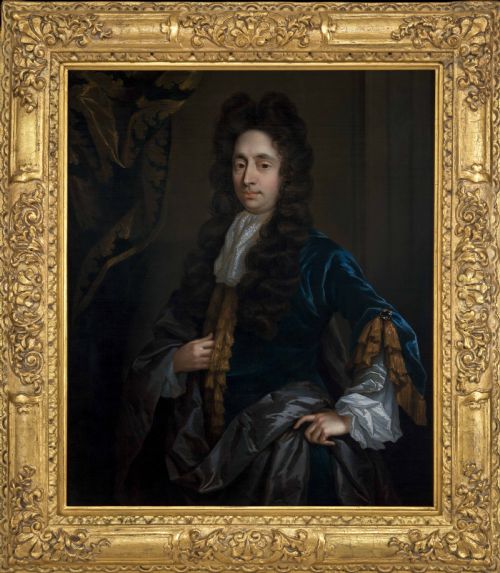
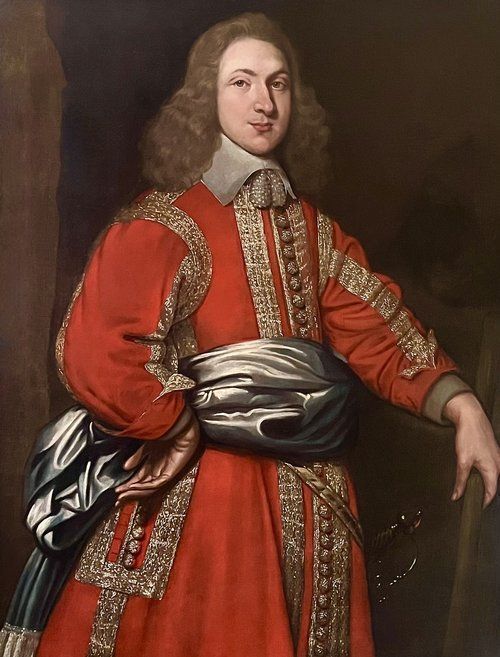
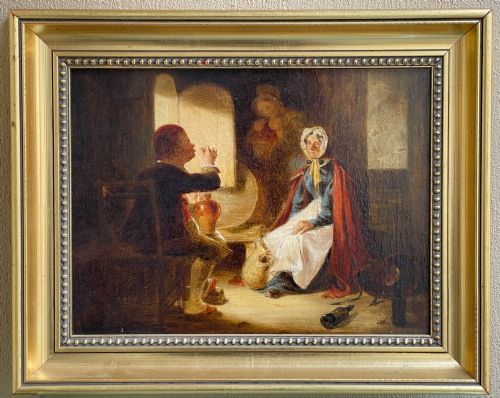
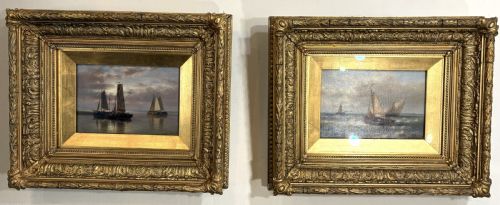
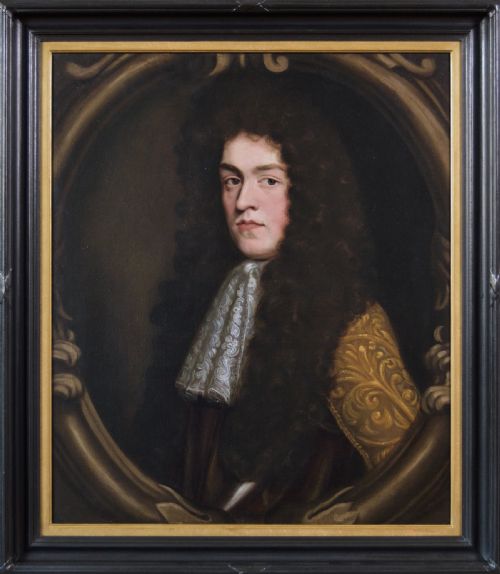
The dominant forms on this page include framed oil on canvas compositions, oil on copper panels, and giltwood-framed portraits. Subjects range from military officers and nobility to winter scenes with figures skating on frozen lakes and quiet tavern interiors.
Origins stretch across seventeenth-century northern European workshops up to early twentieth-century creations. The selection relies heavily on oil paint applied to canvas, wood, or copper, finished with period frames.
What varies in quality
The finesse of brushwork and the preservation of the original paint layer separate works significantly. Handling of light on fabrics, facial expressions, and atmospheric perspective dictates the strength of a composition.
Condition of the canvas, panel, and accompanying giltwood frames influences the overall integrity of the piece. Attribution to specific circles or named artists also shapes the standing of each oil painting.
Listings feature oil paintings executed on canvas, wood, and copper, spanning the seventeenth to the twentieth centuries.
Bernard De Hoog·Abraham Hulk I·Pieter Cornelis Dommersen·Johannes Philippus Galjaard·Nicolaes Maes·Louis Smets·Willem Wissing·Abraham Lambertsz van den Tempel
The Dutch School Fine Art Glossary
- Oil on canvas
- Pigment mixed with drying oil applied to a woven fabric support. This combination allowed artists to blend tones smoothly and build rich textures.
- Giltwood
- Wood carved and covered with a thin layer of gold leaf. Frames executed in this material often complement the age of the painting they enclose.
- Genre painting
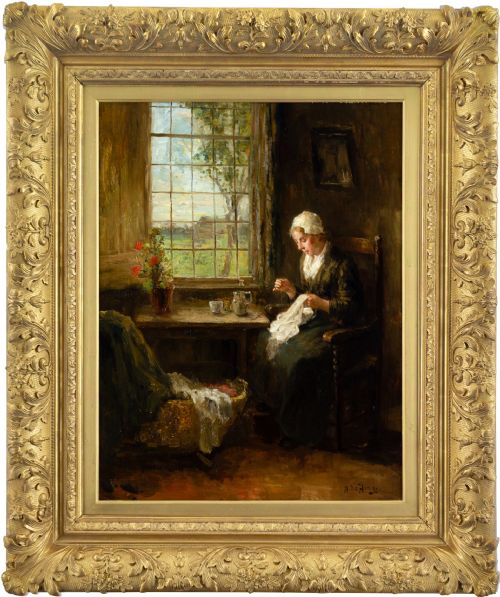
- The pictorial representation of scenes from everyday life. These works depict ordinary people engaged in common activities, such as tavern interiors or domestic moments.
- Dutch Golden Age
- A period in Dutch history spanning the seventeenth century marked by immense output in painting. Artists of this era mastered realism, portraiture, and landscape subjects.
- Circle of
- A term used when a work originates from an unidentified artist working closely in the style and manner of a master. It denotes proximity to a prominent workshop without definitive direct attribution.
Dutch School Fine Art: Frequently Asked Questions
What is dutch school fine art?
Dutch school fine art comprises oil paintings originating from seventeenth-century northern European traditions through nineteenth-century revivals. The category includes portraits of military officers and gentlemen, winter landscapes, and domestic genre scenes.
Works employ oil paint on canvas, wood, or copper, frequently housed in period giltwood frames. Pieces reflect the stylistic developments of the Dutch Golden Age and later nineteenth-century interpretations.
How do I identify seventeenth century portraits?
Seventeenth-century portraits typically feature subjects in specific attire such as ruffs, military coats, or formal dress. The handling of light draws heavily on Baroque principles of contrast.
Attributions often point toward specific circles, studios, or named artists active during that era. Examining the canvas preparation, pigments, and framing style aids in determining the period.
Where were these oil paintings created?
These oil paintings originate from northern European workshops, with a strong emphasis on Dutch and Flemish artistic traditions. Creators worked within regional schools that passed down techniques across generations.
Subjects frequently depict local scenes, from rural tracks and Dutch lakes to domestic hearths. The geographic scope encompasses seventeenth-century portraits as well as nineteenth-century interpretations.
How should I care for antique oil paintings?
Antique oil paintings require stable indoor environments away from direct sunlight and excessive humidity fluctuations. Keeping the canvas and wood panels protected prevents cracking of the paint layer.
Giltwood frames benefit from gentle dusting with a soft brush to preserve the gold leaf surface. Avoiding harsh chemical cleaners ensures the preservation of both the artwork and its frame.
What subjects appear in these paintings?
Subjects range widely from formal portraiture of nobility and officers to quiet domestic interiors. Landscapes feature prominently, including winter scenes with figures skating on frozen lakes.
Painters also recorded rural tracks, town views, and genre scenes around the hearth. Each subject reflects the prevailing interests of collectors and artists across the centuries.