
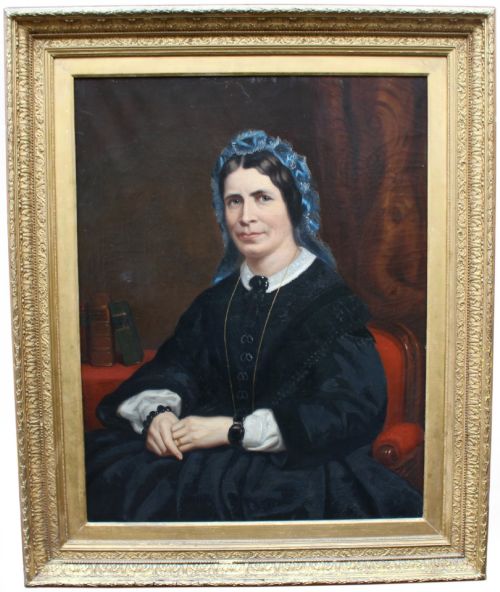
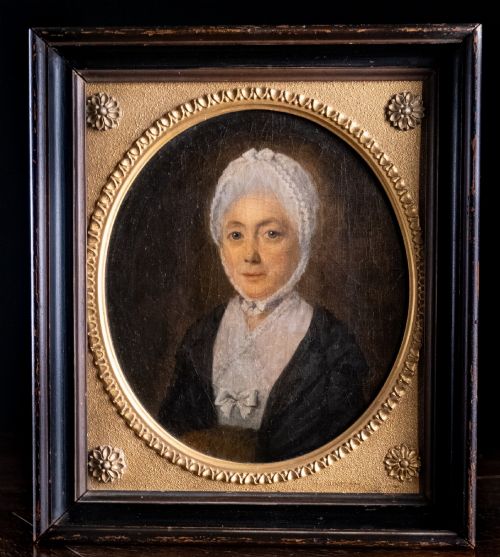
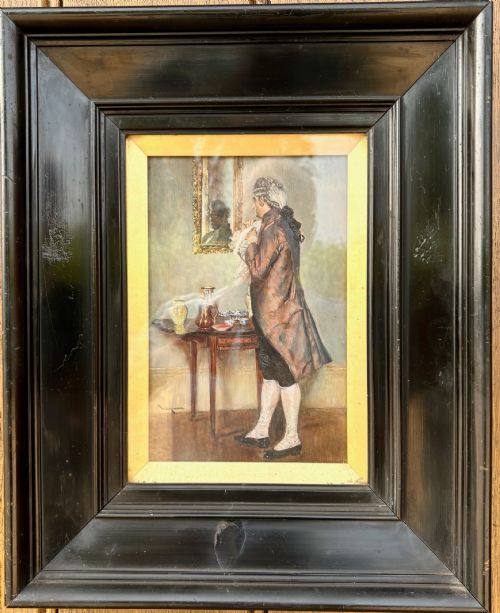
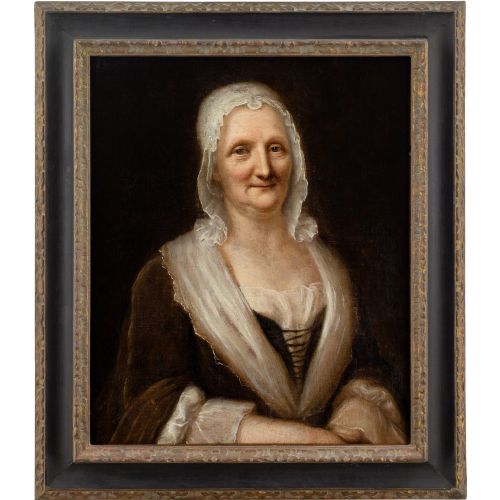
Black Framed Oil Portrait
A black framed oil portrait brings centuries of character into a room, capturing faces from the seventeenth century onward in rich, enduring pigments.
Black Framed Oil Portrait
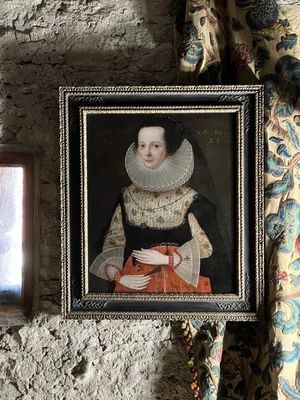
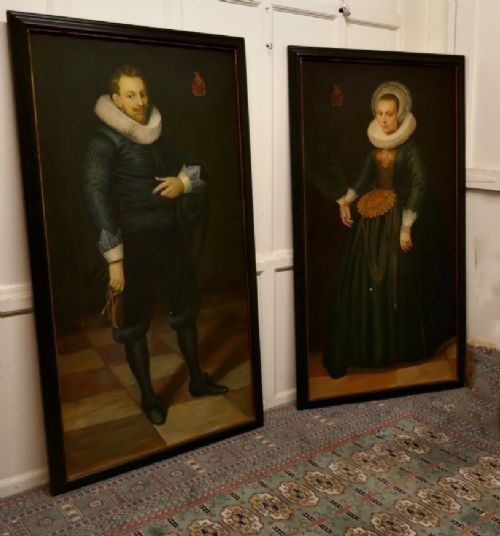
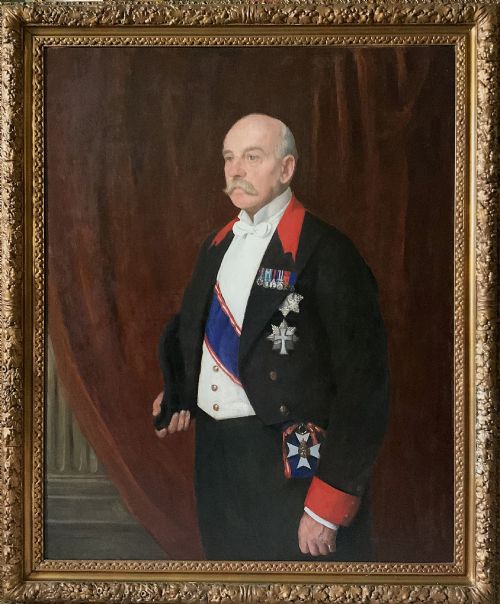
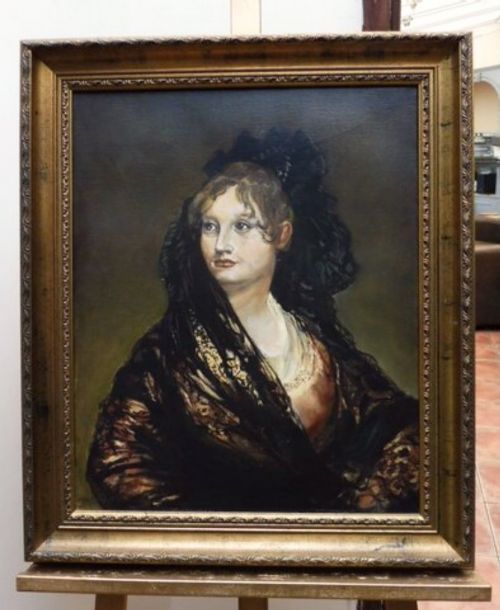
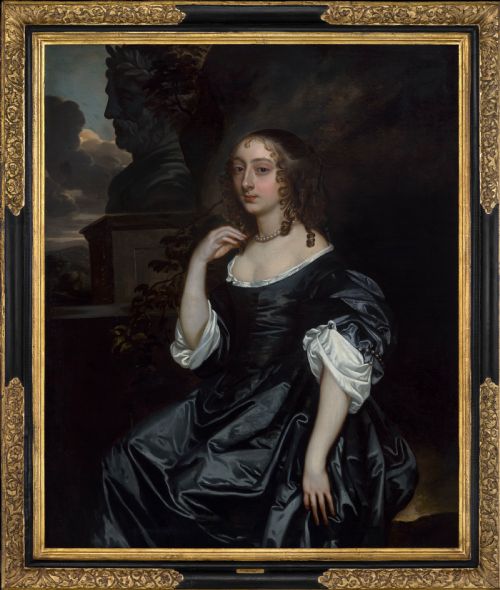
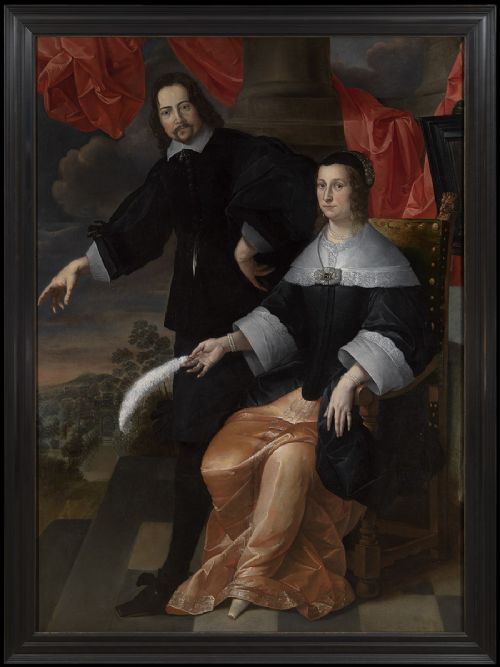
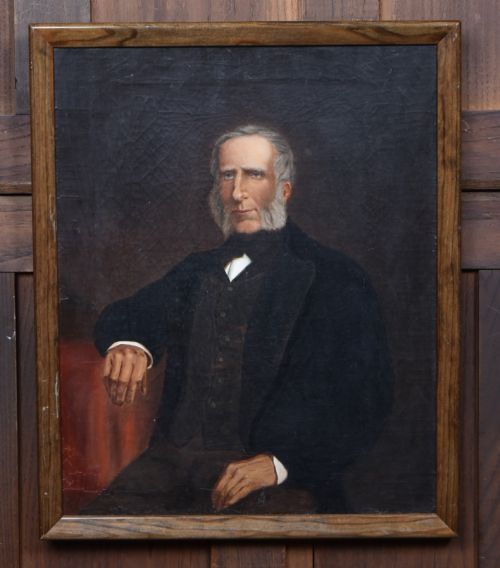
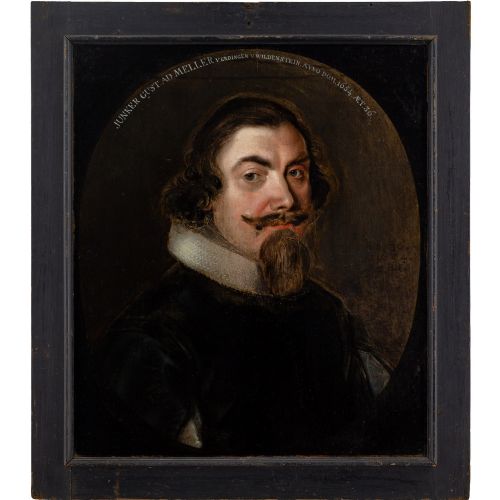
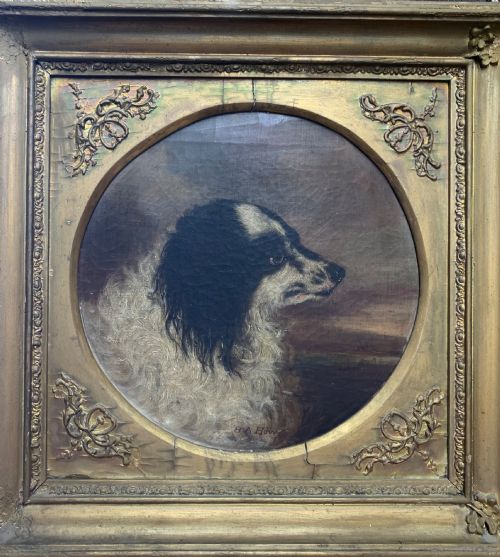
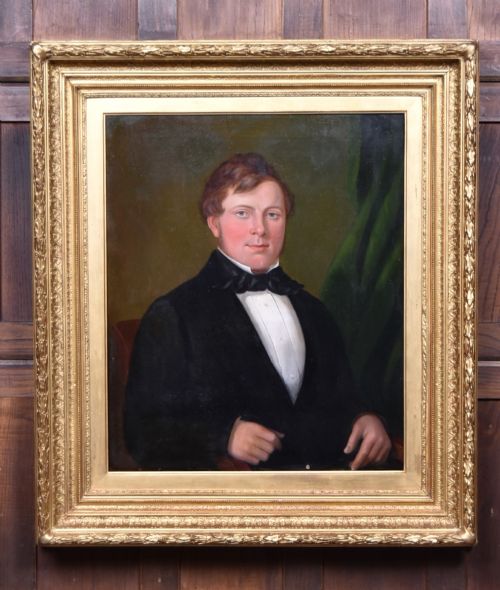
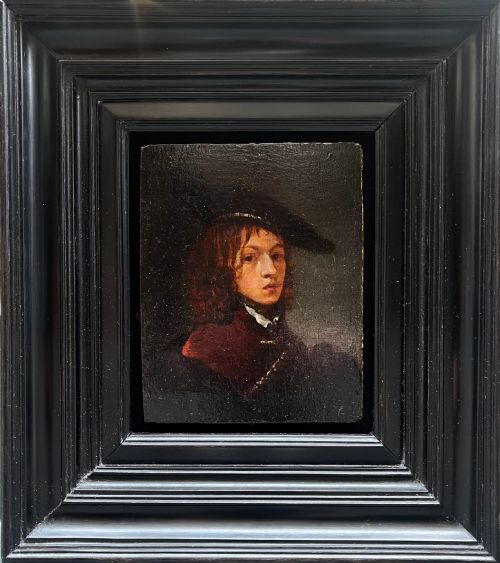
A black framed oil portrait depicts historical figures, nobility, children, and animals executed in oil paint on canvas, panel, or board. These works span from the seventeenth century through the Victorian era and into the mid-twentieth century, showcasing diverse regional schools.
The framing often employs dark wood or ebonised surrounds that provide a stark, contrasting border to the painted canvas. Such framing choices anchor the deep tones of the oil pigments and complement the sombre attire frequently seen in early subjects.
Buyers frequently encounter seventeenth-century British and Dutch subjects alongside nineteenth-century Victorian pieces and later twentieth-century interpretations. These artworks range from formal grand manner depictions to intimate folk-art studies.
What varies in quality
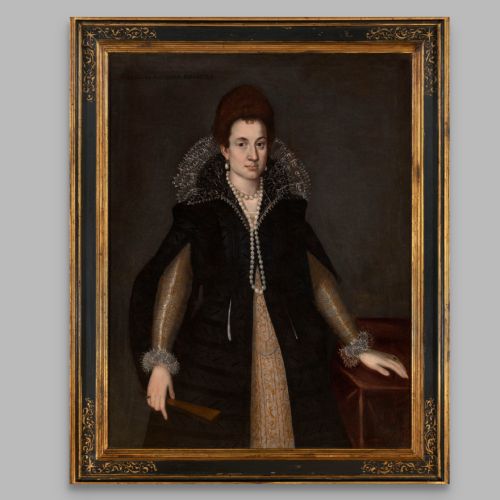
The handling of light, shadow, and anatomy dictates the sophistication of the portrait, distinguishing master workshops from regional naive output. Brushwork dexterity in rendering delicate lace ruffs, fabrics, and facial expressions reveals the painter's technical control.
The integrity of the underlying canvas or panel and the preservation of the paint surface influence the visual impact. Original frames that complement the exact period of the painting add historical cohesion to the piece.
Several portraits preserve the stern likenesses of beloved nineteenth-century pointers, spaniels, and champion dogs alongside their human owners.
Sir Peter Lely·Cornelius Johnson·John Frederick Herring Senior·Sir Edwin Landseer·Hans Temple
The Black Framed Oil Portrait Glossary
- Oil on canvas
- Pigments suspended in a drying oil medium and applied to a stretched fabric support. This combination allows for rich blending and gradual tonal shifts.
- Ebonised frame
- Wood treated or stained to resemble expensive ebony wood. This dark finish provides a formal border that isolates the painted scene.
- Ruff collar
- A pleated linen or lace neck accessory popular in late sixteenth and seventeenth-century fashion. Its intricate folds challenge the artist's precision.
- Panel painting
- An artwork executed on a flat piece of prepared wood rather than fabric. This solid support was common in earlier centuries before canvas became dominant.
- Naive art
- Work produced by artists lacking formal academic training. These pieces display charming directness in perspective and proportion.
Black Framed Oil Portrait: Frequently Asked Questions
How do I date an oil portrait?
Stylistic clues such as costume, hair, and collar shape provide the most reliable dating evidence. Clothing fashions changed rapidly across centuries, reflecting the exact period of the sitter.
Framing materials and construction techniques also offer chronological markers. Comparative study with documented works by known schools narrows down the execution window.
What is ebonised wood?
Ebonised wood is ordinary timber treated with chemical stains or dark finishes to imitate dense black ebony. This technique was widely utilised for frames to create a sombre aesthetic.
The dark boundary concentrates the viewer's attention entirely on the illuminated skin tones and rich garments within the portrait.
How should I hang a portrait?
Secure wall fixings suited to the weight of the timber frame and canvas are essential for safe display. Position the artwork at eye level where stable indoor humidity protects the wooden support and oil paint.
Avoid direct sunlight to prevent the fading of organic pigments and the drying out of the underlying canvas or panel.
What distinguishes naive portraits?
Naive portraits display simplified perspective, flat planes of colour, and direct proportions rather than academic realism. These regional works offer a personal record of everyday sitters.
Folk-art pieces possess a distinct character driven by local tradition rather than courtly convention.