

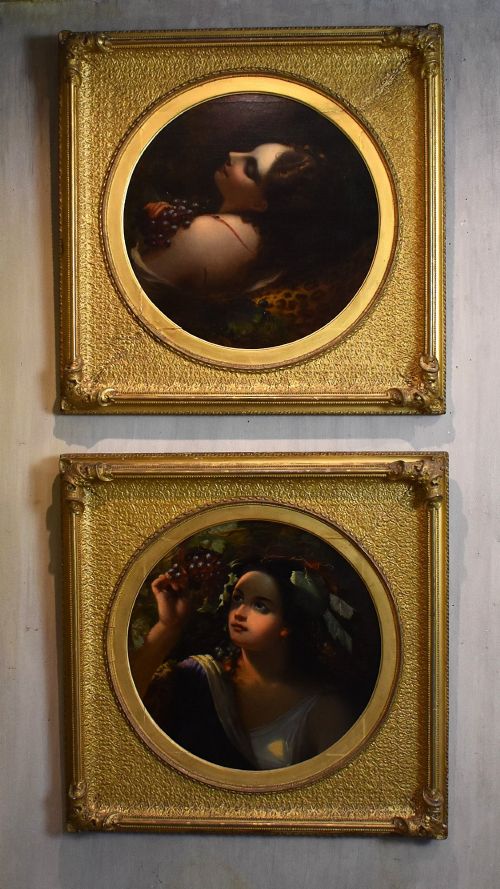


Fine Art Portrait Pair
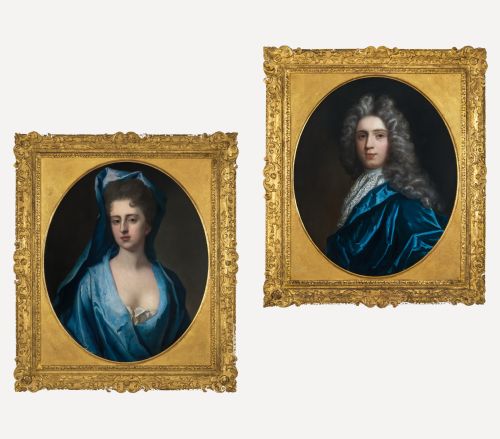
A fine art portrait pair brings matched character to a room, offering two oil paintings or watercolours designed to hang together.
Fine Art Portrait Pair
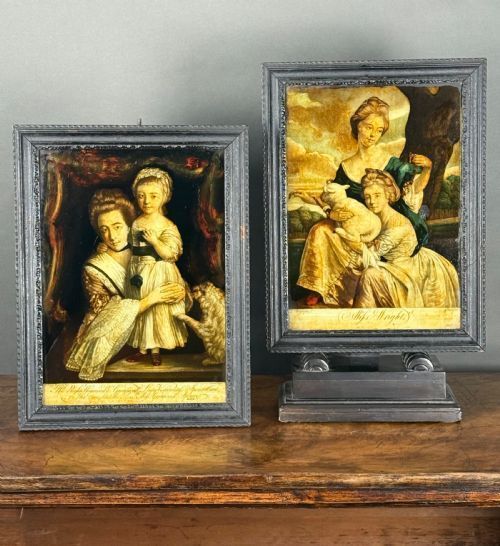
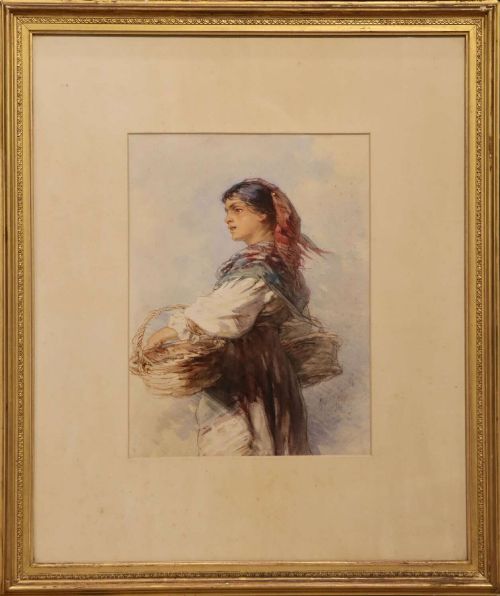
A fine art portrait pair consists of two matching pictures created during the seventeenth, eighteenth, or nineteenth centuries, frequently depicting a husband and wife or children. These works appear in forms such as oil on canvas, reverse glass mezzotints, watercolours, and portrait miniatures, often framed in giltwood.
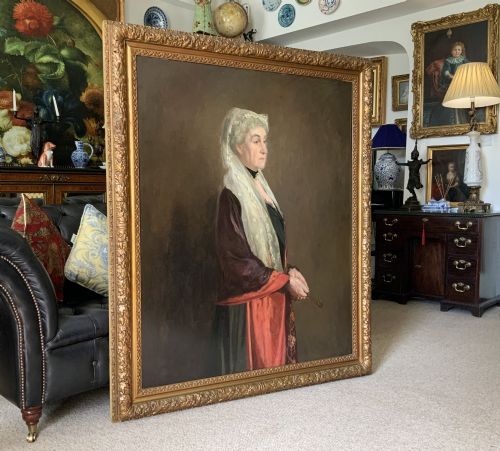
The pieces on this page span Georgian, Victorian, Edwardian, and earlier periods, including English School works and continental European paintings. Buyers most commonly encounter nineteenth-century oil paintings and eighteenth-century portraits when searching this phrase.
Materials and construction
These works rely on oil paint applied to canvas or wood panels, alongside watercolour on paper and mezzotints behind glass. The physical construction often involves substantial giltwood and gold leaf frames that secure the pair as a unified decorative object.
Artists of the seventeenth to nineteenth centuries built these portraits using layered pigments and varnishes, mounting them within heavy timber frames designed to complement both subjects simultaneously.
Several matched pairs depict subjects who appear to be staring sternly past one another across the centuries.
Assessing quality and execution
Quality rests in the precision of the facial expression, the handling of drapery, and the condition of the original canvas or paper surface. Stronger examples display confident brushwork and anatomical clarity that capture the individuality of the sitter.
The integrity of the accompanying frame influences the piece, with period giltwood mouldings adding substantial character compared to later replacements. Preservation of the painted surface without extensive repainting distinguishes superior examples.
Guido Bach·James Sharples·Theodore Jensen·Francois Boucher·Nicolaes Maes·Gilbert Jackson
The Fine Art Portrait Pair Glossary
- Oil on Canvas
- Pigment mixed with drying oil applied to a woven fabric support. This method dominated portraiture from the seventeenth century onwards.
- Giltwood
- Wood, typically carved timber, coated with gold leaf or metal powder. It provides the ornate reflective border common in period frames.
- Portrait Miniature
- A small-scale painting executed with high detail on media such as paper or vellum. These intimate works are frequently presented in pairs.
- Reverse Glass Mezzotint
- An image transferred to glass and hand-coloured from the reverse side. This technique produced delicate print works during the eighteenth century.
- English School
- A designation for works produced by artists trained or working in England. It groups together period portraiture lacking a specific individual attribution.
Fine Art Portrait Pair: Frequently Asked Questions
How do I hang a portrait pair?
Hang the two pictures at eye level with adequate space between them to allow each subject room to breathe. They traditionally face inward toward one another when depicting a husband and wife.
Ensure the hardware matches the weight of the heavy giltwood frames typically found on these pieces. Secure them with two hooks to keep the matched pair level over time.
Are these portraits always painted of couples?
Many pairs depict a husband and wife, but others show siblings, children, or Italian peasant figures. The unifying factor is the simultaneous creation and matching composition rather than a marital relationship.
Artists produced these sets to balance a wall or commemorate family members together. Collectors evaluate the artistic harmony between the two canvases rather than the relation of the sitters.
How do I clean old oil paintings?
Dust the surface very gently with a soft, dry brush to remove loose particles. Avoid using water, household cleaners, or chemical solvents on the delicate paint layer.
Professional conservators should handle any removal of old discoloured varnish or deeper grime. Protecting the canvas from direct sunlight and stable humidity prevents future degradation.
What periods do these portraits cover?
The available pieces stretch from the seventeenth century through the Georgian and Victorian eras into the Edwardian period. Each era brings distinct clothing styles, frame designs, and painting techniques.
Early works feature ruff collars and stiff poses, while nineteenth-century examples show looser realism and broader brushwork. Checking the costume and framing helps identify the correct period.