
17th Century Portrait Artwork
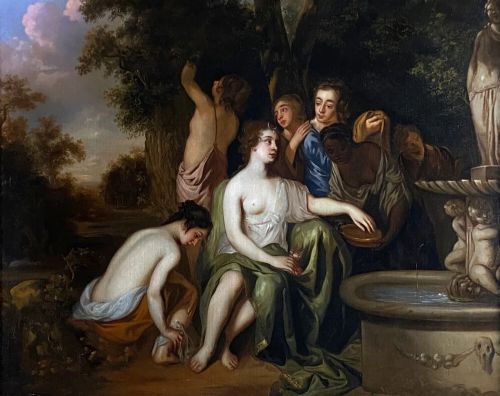
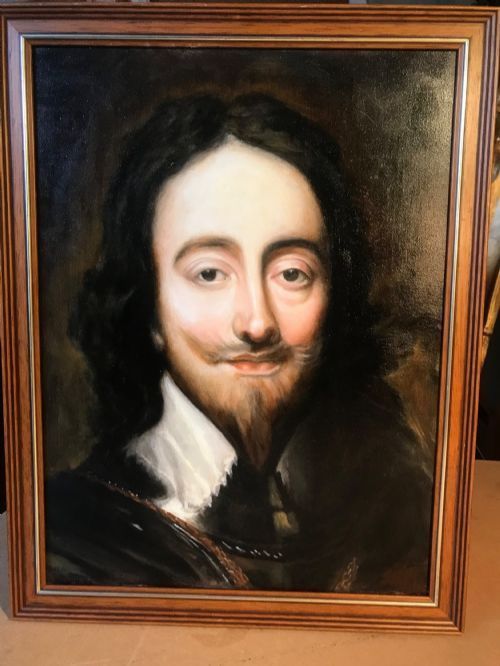
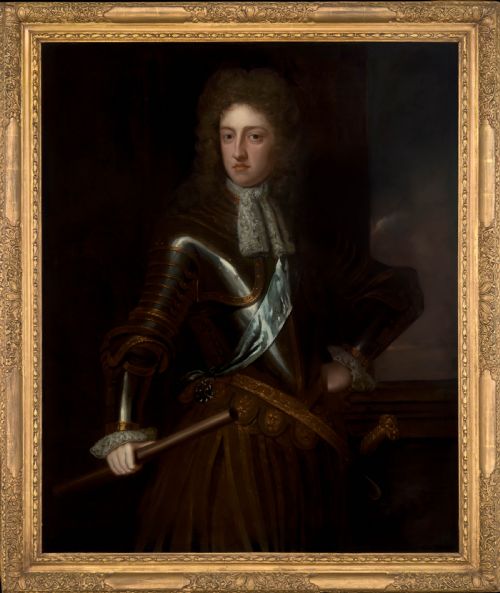
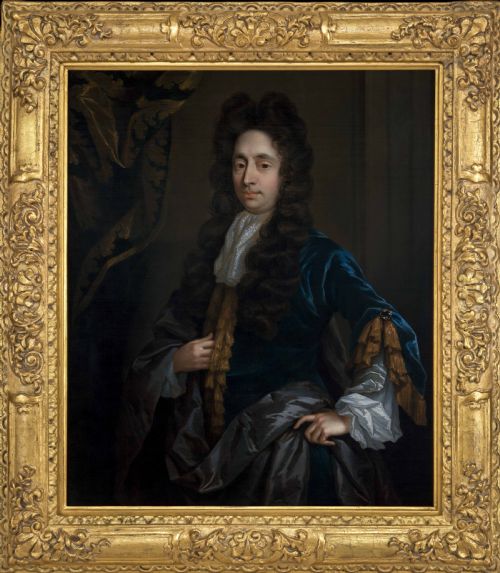
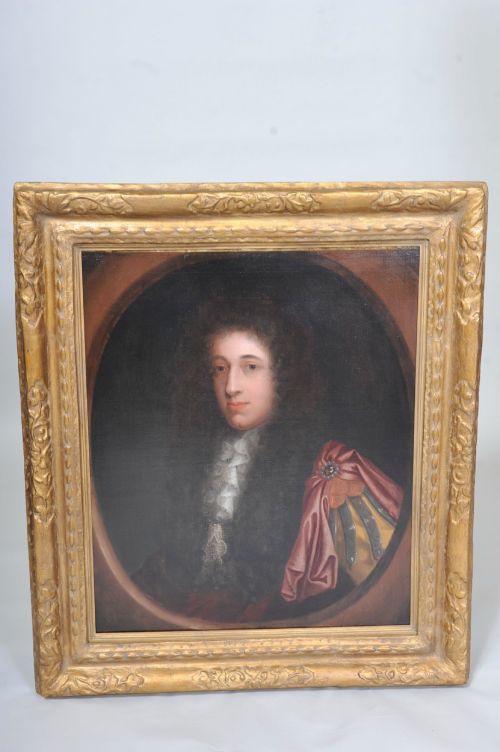
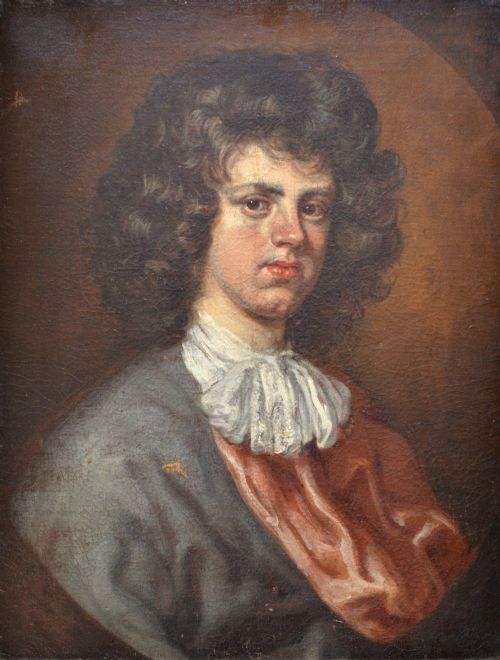
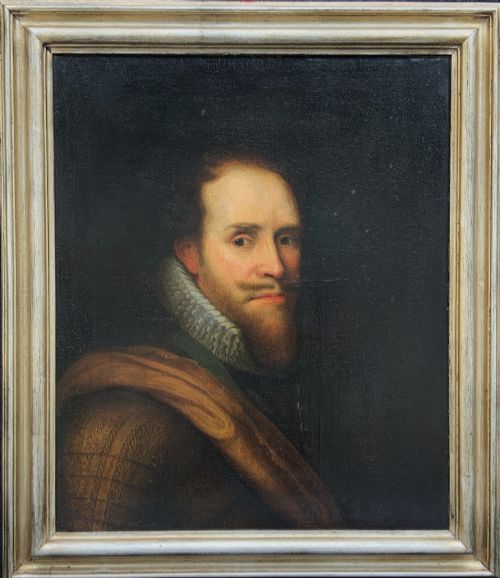
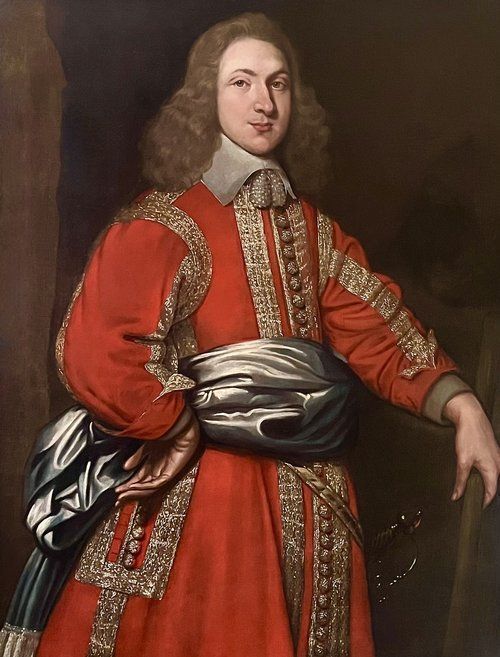
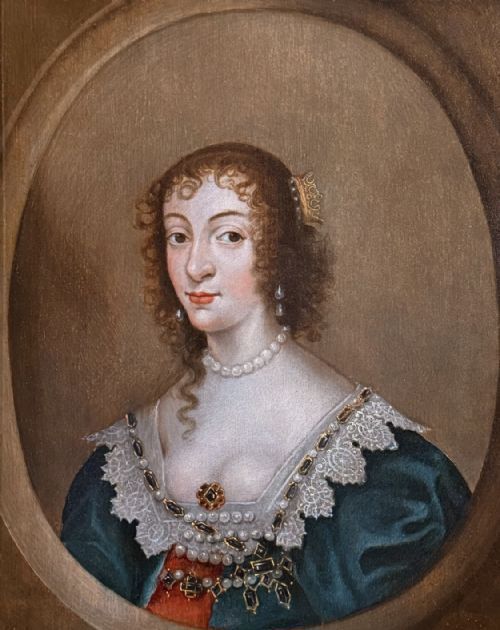
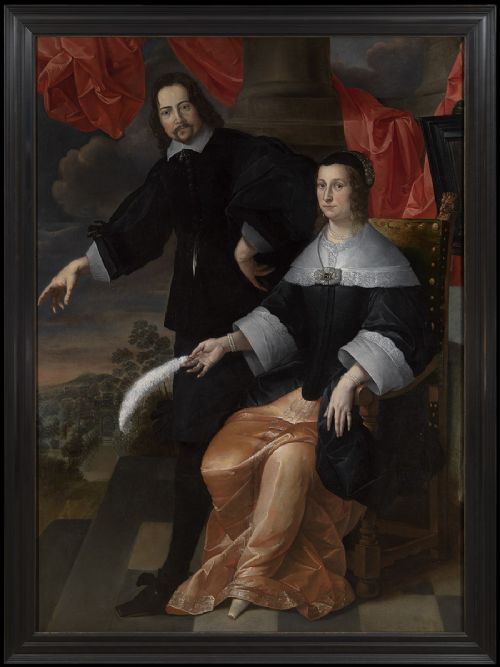
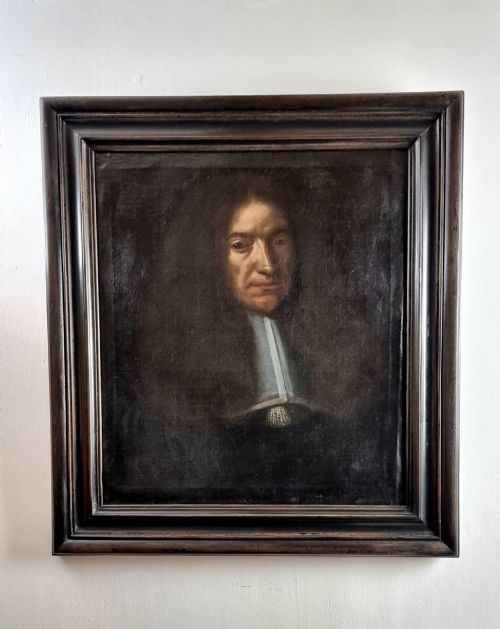
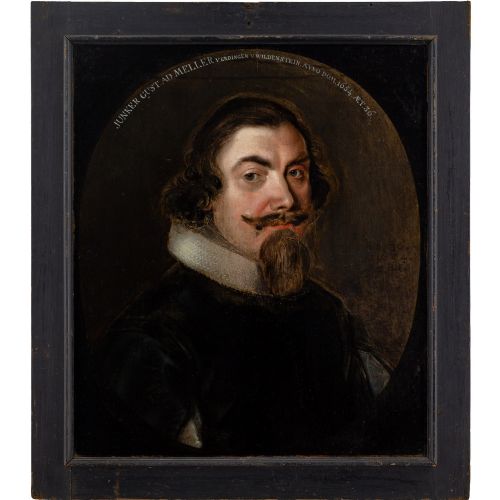
When you seek 17th century portrait artwork, you meet aristocratic faces, military officers, and scholars rendered in oil on canvas or wood panels.
17th Century Portrait Artwork
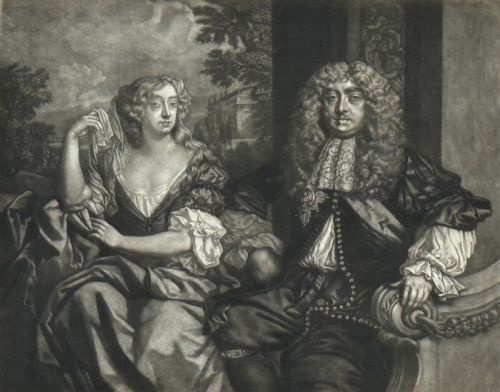
Collectors searching for 17th century portrait artwork encounter oil paintings, fine art prints, and mezzotints depicting nobility, judges, and military figures. These works originate from English, Dutch, Flemish, Spanish, and German schools of painting.
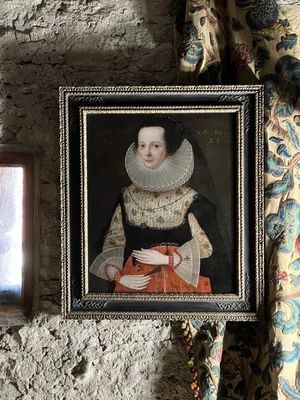
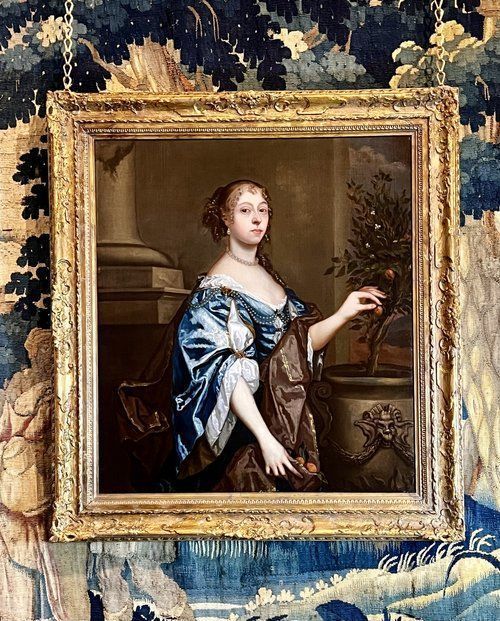
The versions most commonly met on this page include oil on canvas paintings and wood panel portraits created by circles of prominent painters or regional schools from the period. Subjects often wear elaborate costumes, lace ruff collars, and satin dresses.
Surviving pieces range from direct works by named historical portraitists to studio productions and later interpretations in the Baroque style. They capture figures through bust-length studies and full compositions set against dark backgrounds or curtains.
Materials and construction
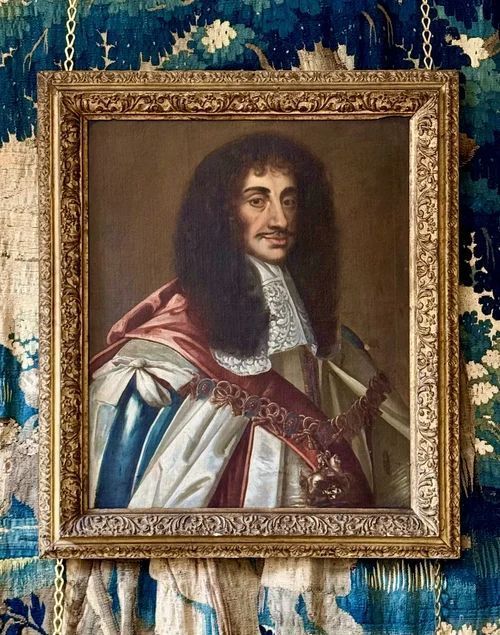
Painters of this era applied oil paint onto woven canvas supports or prepared wood panels, building up rich garments and flesh tones through layered glazes. Many works retain their period giltwood frames, which complement the dark palettes and dramatic lighting of the Baroque style.
Printmakers utilised the mezzotint technique on paper to reproduce celebrated painted portraits by artists such as Sir Peter Lely and Sir Godfrey Kneller. This tonal print method allowed workshops to disseminate likenesses of earls, dukes, and monarchs widely.
Subjects occasionally pose alongside unexpected companions, including exotic birds and oranges.
Distinguishing quality in portraiture
The skill evident in facial modelling, hands, and textile rendering separates studio output from works by master painters or their immediate circles. Finer pieces display subtle handling of light on silk satin, lace collars, and complex facial expressions.
Condition and originality dictate the standing of a portrait, particularly the stability of the oil paint layer and the retention of the original wooden stretcher or panel. Surviving period frames appropriate to the canvas also add to the integrity of the piece.
Sir Peter Lely·Anthony Van Dyck·Sir Godfrey Kneller·Constantyn Netscher·Pieter Borsseler·Mary Beale·John Michael Wright·Nicolaes Maes·Michael Dahl·John Greenhill
The 17th Century Portrait Artwork Glossary
- Baroque
- A style of European art from the seventeenth century characterised by dramatic lighting, deep shadows, and intense psychological presence in the subjects.
- Mezzotint
- A printmaking process where the copper plate is roughened to produce dark tones, allowing smooth gradations of light for portrait reproduction.
- Ruff
- A pleated linen or lace collar worn around the neck by nobility and gentry during the late sixteenth and early seventeenth centuries.
- Giltwood
- Timber carved and coated with a thin layer of gold leaf, frequently used for framing oil paintings from this period.
- Panel painting
- An artwork executed on a rigid wooden support rather than a flexible woven canvas.
17th Century Portrait Artwork: Frequently Asked Questions
How can I identify a seventeenth century canvas?
Examination of the canvas weave, stretcher construction, and the ageing of the oil paint layers provides clues to the era of creation. Pigment analysis and canvas texture help differentiate period originals from later copies.
Many works also carry historical inscriptions, sitter identifications, or stamps on the reverse that connect them to specific portrait studios.
What subjects appear in these portraits?
Sitters typically include kings, queens, judges, military officers, noblewomen, and wealthy merchants from various European nations. Their status is often indicated by elaborate costumes, ruff collars, armour, or exotic accessories.
Artists aimed to record social standing and personal prestige through formal poses and rich garments.
Where should I hang an oil portrait?
These paintings require stable indoor environments away from direct sunlight and excessive humidity to protect the oil paint and canvas. Placing them on interior walls helps prevent warping of wood panels and degradation of the giltwood frame.
Proper wall lighting enhances the dark, dramatic tones characteristic of Baroque painting.
What is the difference between an oil and a mezzotint?
An oil painting is a unique work created by applying pigmented oils directly onto canvas or wood by an artist's hand. A mezzotint is an engraved print on paper produced from a metal plate to replicate a painted portrait.
Paintings offer textured brushwork and layered glazes, whereas mezzotints provide tonal monochrome impressions of famous compositions.