
Stuart Era Oil Portrait
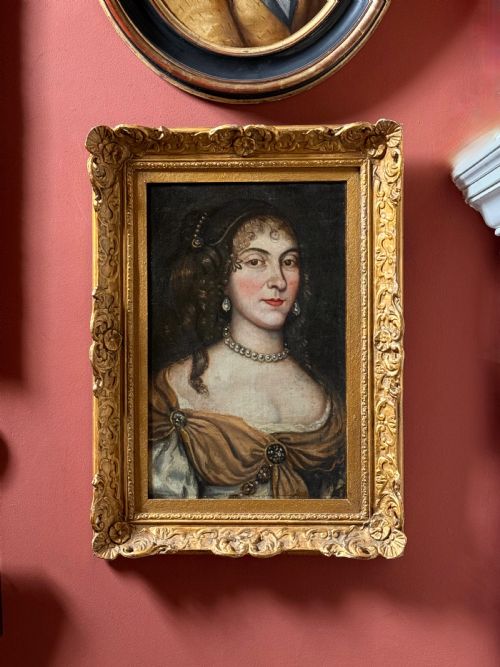
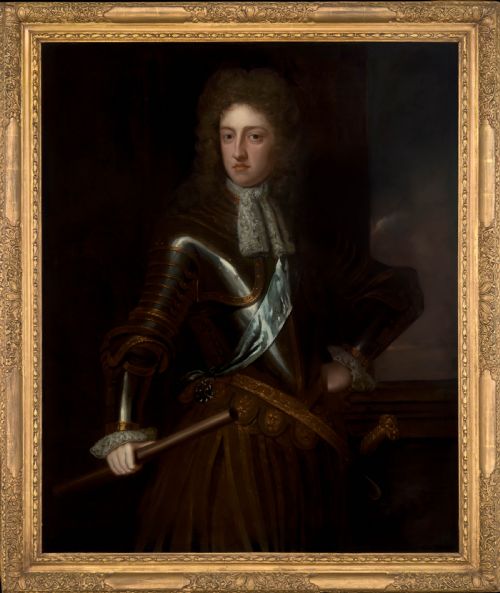
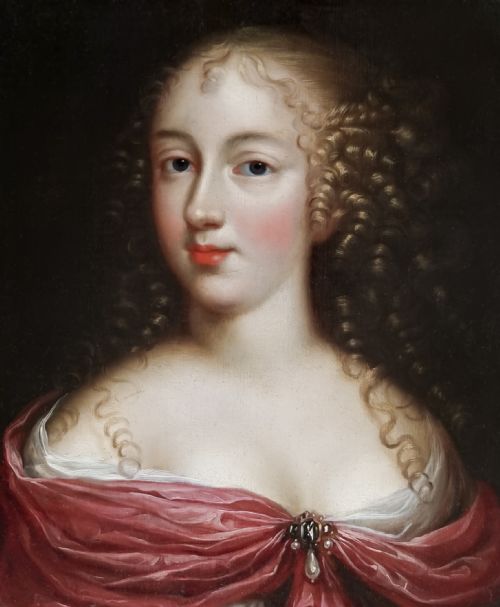
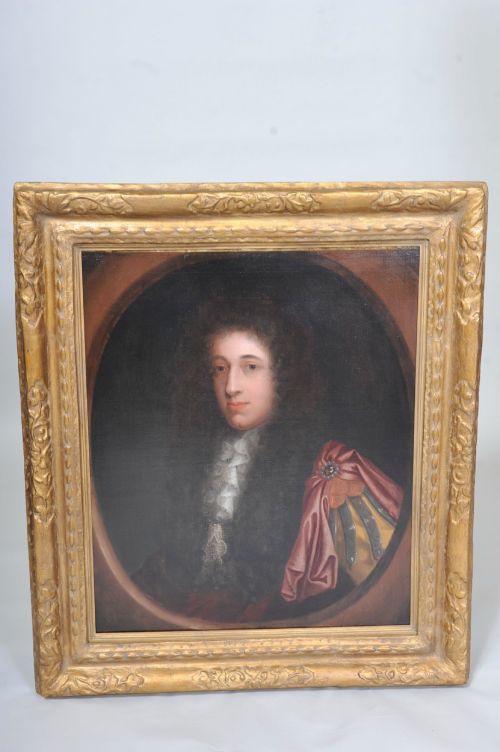
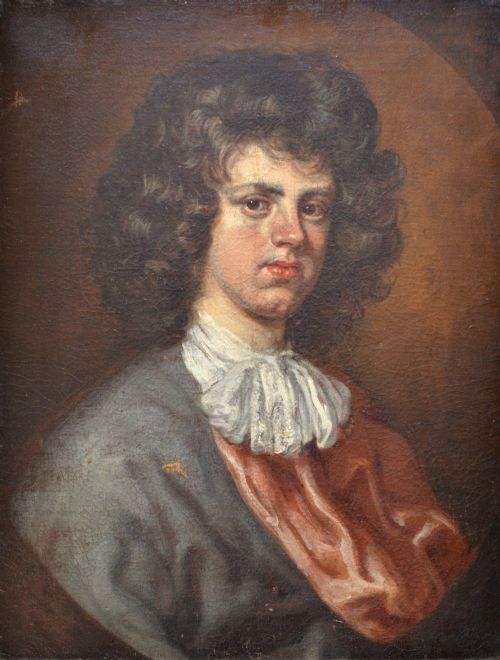
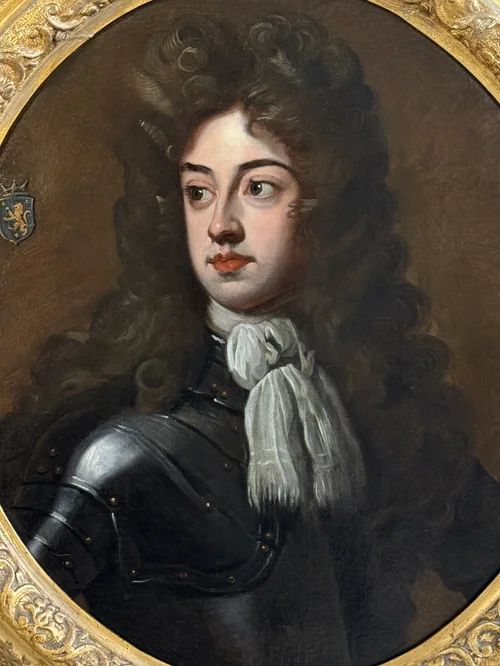
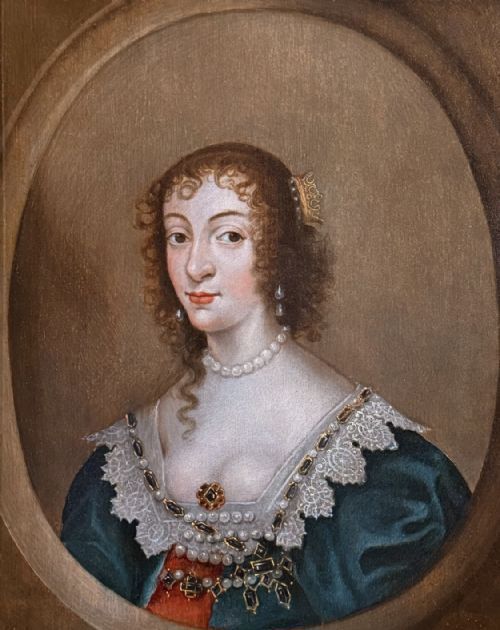
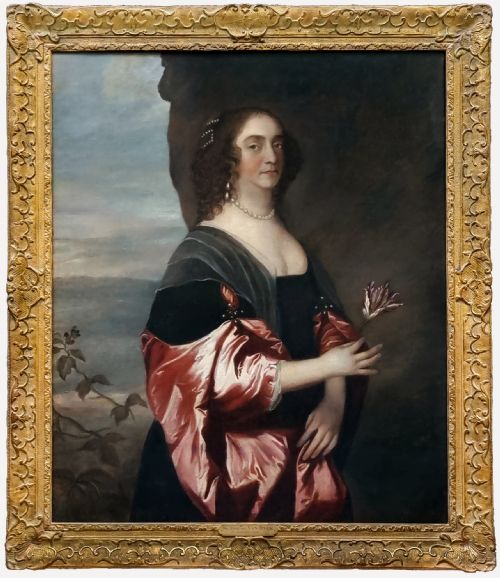
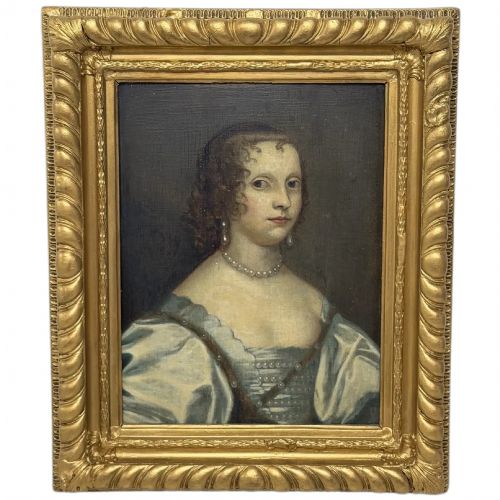
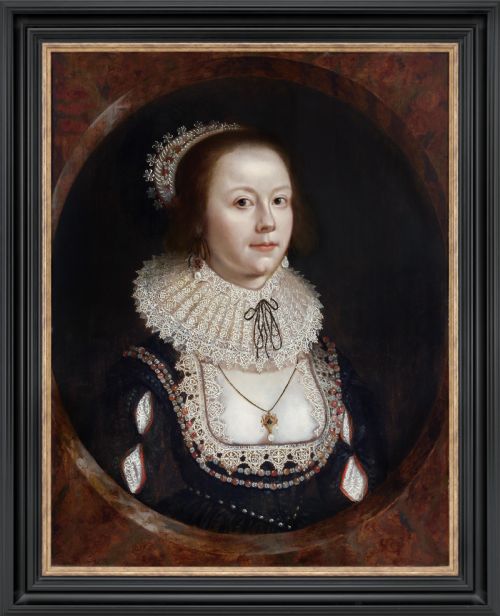
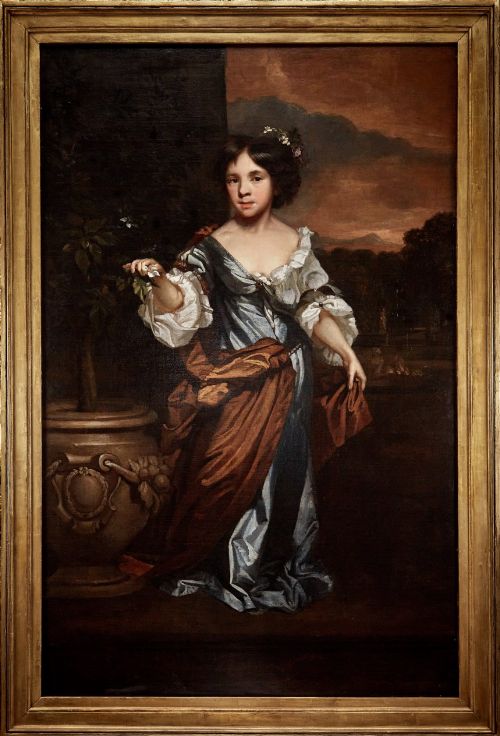
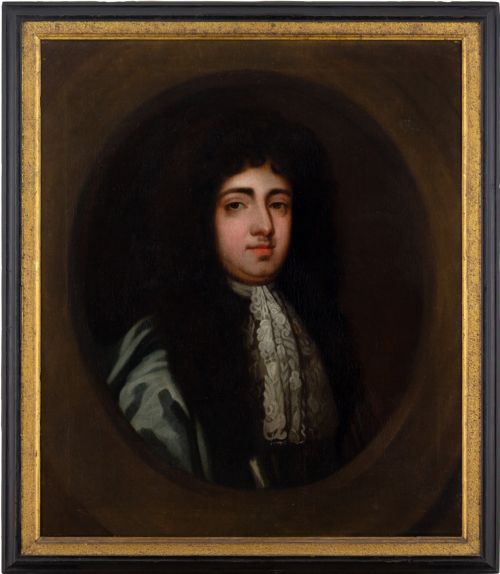
When you search for a stuart era oil portrait, you encounter historic likenesses of nobles, clergymen and gentlefolk captured in rich pigments.
Stuart Era Oil Portrait
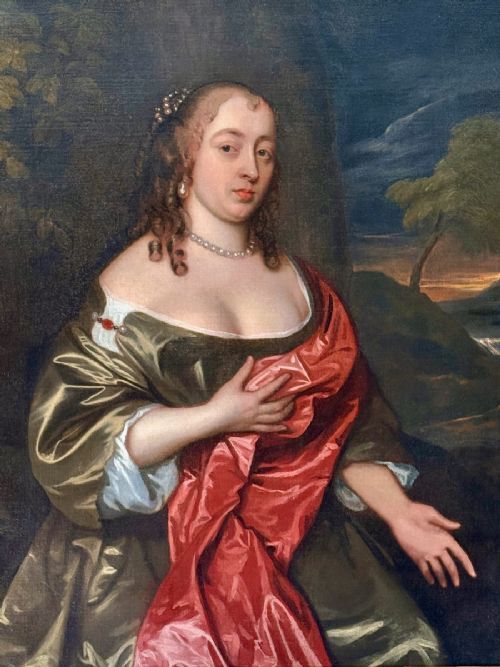
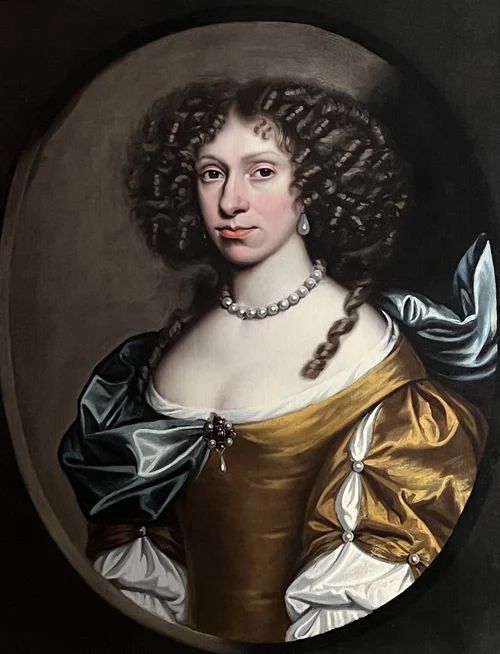
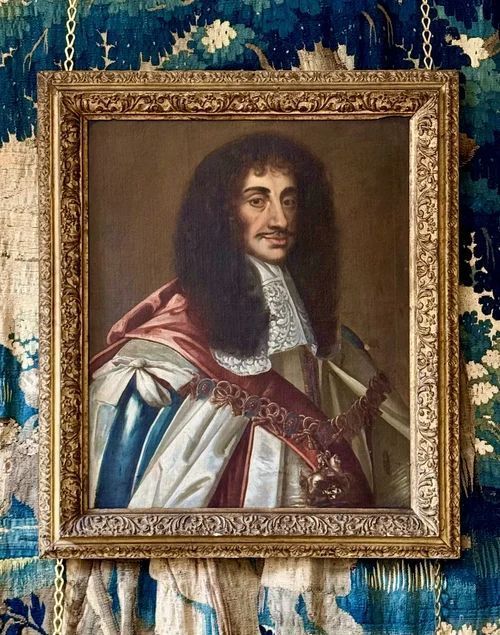
A stuart era oil portrait represents figures from the seventeenth century and the turn of the eighteenth century, spanning Jacobean, Restoration and English Baroque styles. The subjects range from anonymous gentlemen and noblewomen to named historical figures like kings, bishops and military commanders.
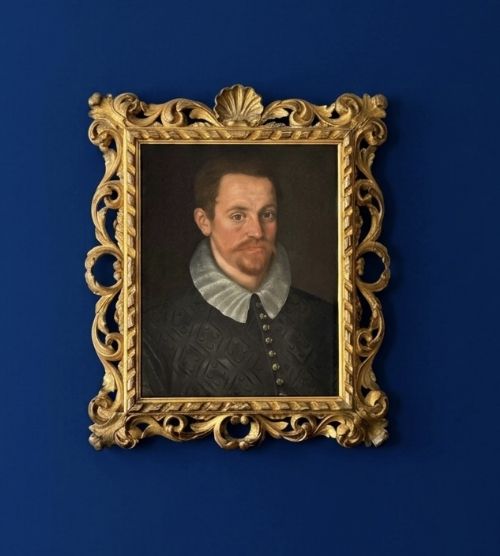
Most pieces on this page take the form of shoulder-length or half-length canvases and panel paintings depicting sitters in elaborate contemporary attire, ruffs, lace and armour. These artworks capture the distinct visual culture of seventeenth-century Britain through formal portraiture.
Materials and Technique
Artists of this period applied oil paint primarily onto woven canvas or rigid wooden supports such as oak panel. The pigments built up rich, layered surfaces that depicted textiles, complex embroidery, skin tones and dark backgrounds with great depth.
Many surviving works retain their original or period frames constructed from wood and finished with gold leaf or giltwood. These heavy frames often feature ornamentation characteristic of the Baroque and Restoration periods.
The selection includes formal likenesses of monarchs, bishops, army officers and gentlewomen by prominent court portraitists.
Assessing the Works
Quality in these portraits depends on the skill of the brushwork in rendering facial expression, lighting and the intricate textures of lace, satin and velvet. Studio pieces and works by followers often show more rigid execution compared to prime examples by named masters.
The degree of preservation across the canvas or panel surface significantly influences the overall character of the piece. Subtle details in the sitter's gaze and attire distinguish accomplished regional and court painting from routine workshop production.
John Hayls·David Scougall·Sir Peter Lely·Sir Godfrey Kneller·Mary Beale·Cornelius Johnson·John Riley·John Greenhill·Michael Dahl·John Michael Wright·John Closterman·Johann Kerseboom
The Stuart Era Oil Portrait Glossary
- Baroque
- An ornate artistic style prevalent during the seventeenth century, characterised by drama, rich detail and deep chiaroscuro lighting. It influenced both the portraiture and the framing choices of the era.
- Oil on Canvas
- A traditional painting medium where coloured pigments suspended in oil are applied to stretched fabric. This combination allowed artists to achieve subtle tonal gradations and lasting durability.
- Panel Painting
- An artwork executed on a flat piece of wood rather than fabric. Oak was frequently utilised for seventeenth-century British panels before canvas became the dominant support.
- Doublet
- A close-fitting man's jacket worn during the early seventeenth century. Its detailed embroidery and cut serve as key indicators for dating early stuart era oil portrait examples.
- Ruff
- A prominent, pleated starched collar worn by men and women in the late sixteenth and early seventeenth centuries. This stiffened fabric framing the face helps establish the chronology of the sitter's costume.
Stuart Era Oil Portrait: Frequently Asked Questions
How do I identify the sitter?
Sitters are often identified through contemporary inscriptions on the canvas, archival family records, or distinctive heraldic elements depicted in the background. Comparison with known engravings and medals from the period also aids verification.
Many portraits remain anonymous when records are lost, leaving historians to rely on costume style and approximate dating of the materials to suggest a probable identity.
What is a studio or circle work?
Paintings attributed to the circle or studio of a master painter were produced by assistants or followers working closely under that artist's supervision. These pieces share the stylistic traits and compositional approaches of the principal master.
Such works formed a major part of seventeenth-century artistic production, offering high technical standards while reflecting the broader output of a prominent workshop.
How were these portraits displayed?
Original owners hung these large canvases and panels within the panelled rooms of country houses, town residences and institutional halls. They served to display lineage, social status and political allegiances.
Today, collectors place them in traditional or contemporary interiors where the deep tones of oil paint and giltwood frames complement architectural spaces.
Can I determine the exact date?
Exact dates occasionally appear inscribed directly onto the canvas alongside the sitter's age, known as the aetat notation. When inscriptions are absent, experts date the painting by analysing the evolution of the sitter's clothing, hairstyle and lace.
Changes in ruffs, doublets and periwigs provide reliable chronological markers across the seventeenth century.