



English Baroque Oil Painting
An english baroque oil painting captures the stately dignity and elaborate portraiture of the late seventeenth and early eighteenth centuries.
English Baroque Oil Painting
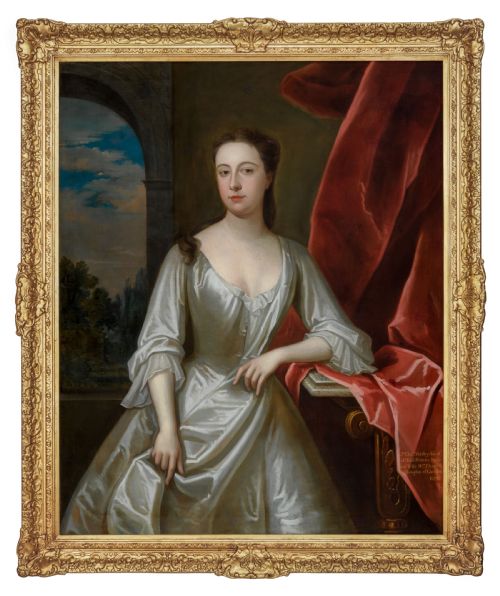
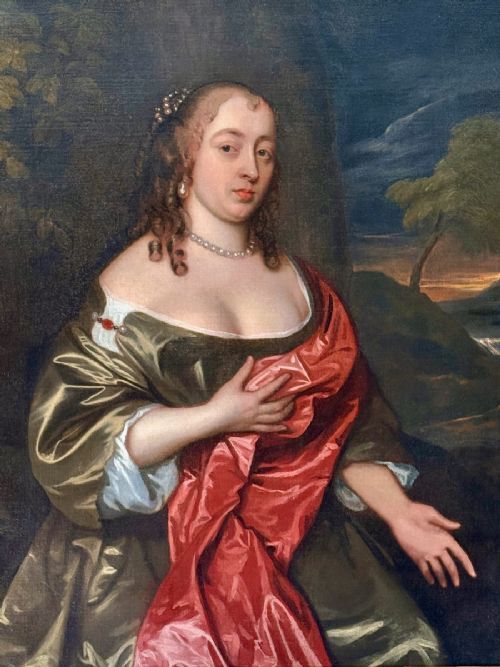
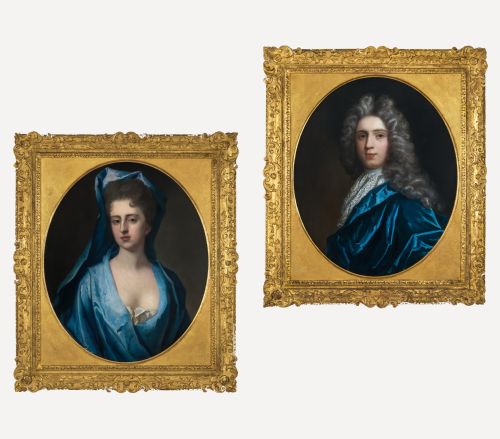
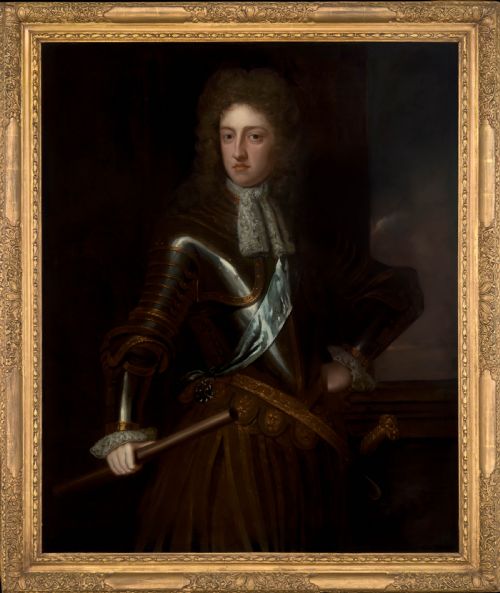
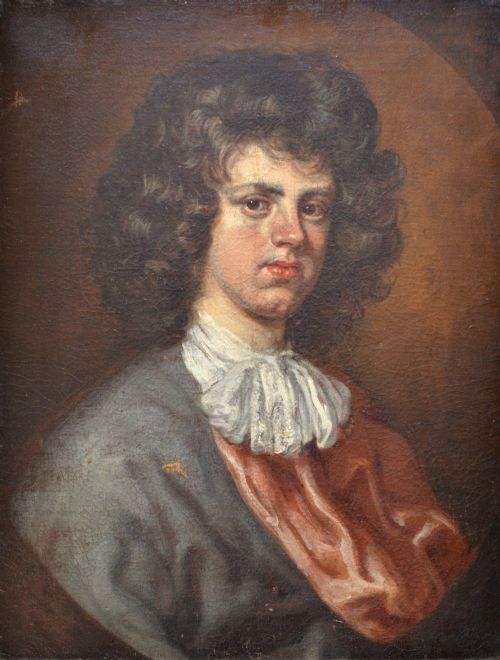
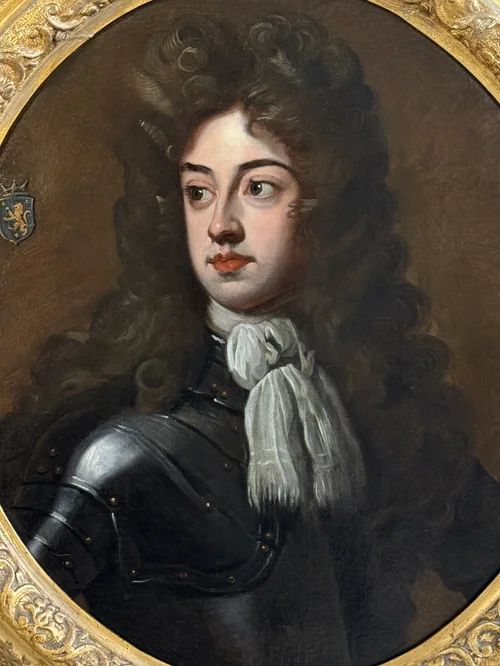
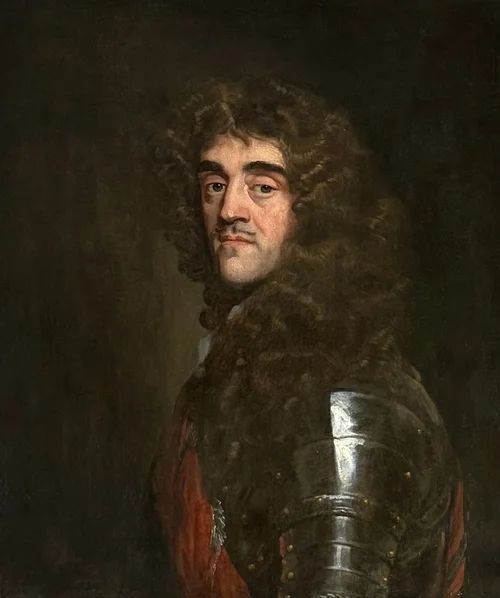
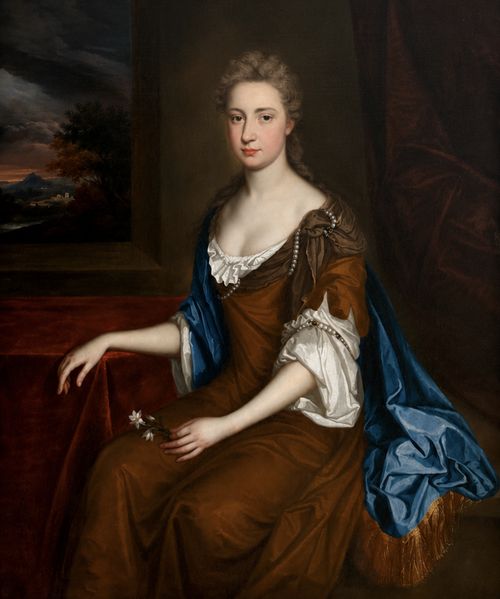
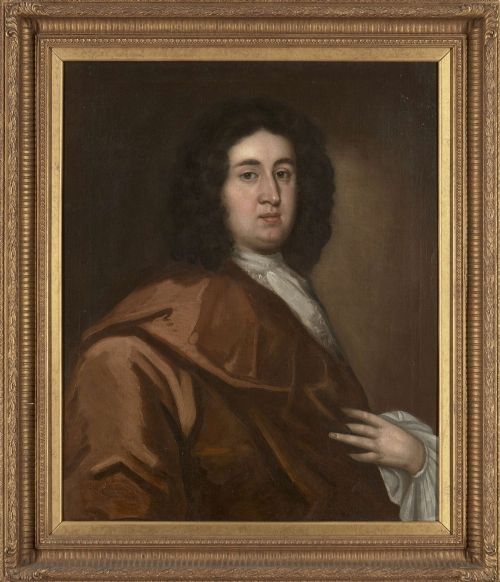
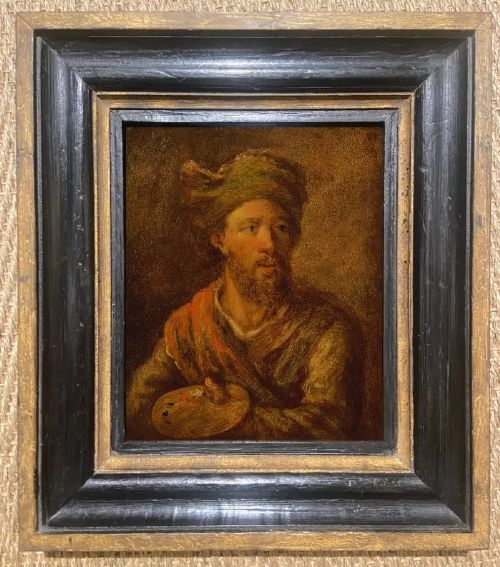
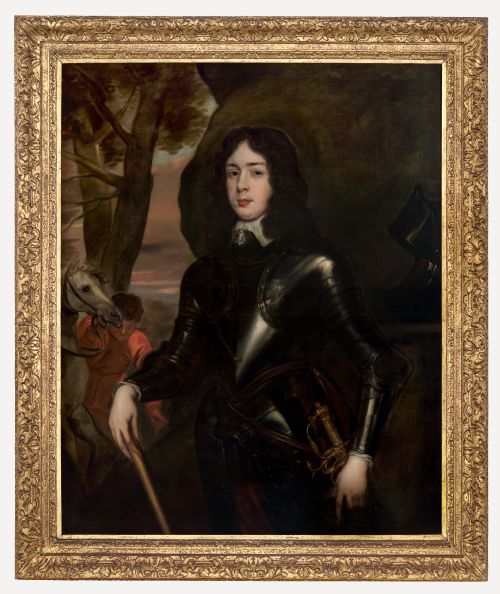
When browsing for an english baroque oil painting, collectors encounter formal portraiture depicting nobility, landed gentry, and figures of authority from the Stuart and early Georgian periods. These works frequently present subjects in half-length or three-quarter poses, often accompanied by classical columns, extensive landscapes, or symbolic attributes.
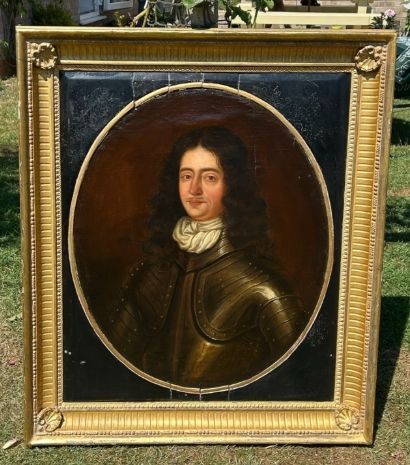
The selections available span the seventeenth and eighteenth centuries, reflecting the stylistic developments of the era from martial posturing to softer domestic elegance. Portraits of ladies in silk gowns and gentlemen in armour dominate the visual record, capturing the social aspirations of the period through structured composition and rich pigment.
Materials and Construction
Makers built these works primarily using oil paint applied to woven canvas supports, though occasional examples employ panel or copper grounds. The preparation involved traditional gesso priming to seal the fabric before artists layered rich pigments to achieve deep drapery folds and luminous flesh tones.
Framing forms an integral component of the physical object, with surviving canvases frequently housed in period giltwood or gilded wood frames. These frames utilise carved wooden mouldings finished with gold leaf, complementing the opulent aesthetic of the paintings within.
Several portraits preserve the solemn gaze of noblemen alongside remarkably attentive King Charles Spaniel puppies.
Assessing Artistic Merit
Differentiation across the range depends largely on the proximity of the hand to the primary master, distinguishing autograph works by recorded painters from studio productions and circle pieces. Superior examples demonstrate confident brushwork in the rendering of textiles, lace, and facial expressions, whereas lesser pieces rely on formulaic repetition.
The preservation of the pigment layer and the structural integrity of the canvas also influence standing. Works retaining their original stretched canvas and undisturbed varnish layers command greater appreciation among traditional collectors than those with extensive modern intervention.
Sir Godfrey Kneller·John Hayls·Michael Dahl·Thomas Murray·Mary Beale·Sir Peter Lely·John Michael Wright·John Riley·John Closterman·Robert Byng
The English Baroque Oil Painting Glossary
- Baroque
- A style of European art spanning the seventeenth and early eighteenth centuries characterised by drama, movement, and grand scale. In portraiture, this manifested in theatrical staging and rich textures.
- Giltwood
- Wood that has been coated with a thin layer of gold leaf or gold powder. This material was standard for framing high-status portraits of the period.
- Studio of
- A term used to describe a painting produced by assistants working under the direct supervision of a master artist. The composition typically follows the master's established design.
- Circle of
- An attribution indicating the work was created by an unnamed artist closely associated with a master and working in a similar manner. It denotes proximity in time and style without direct authorship.
- Cavalier
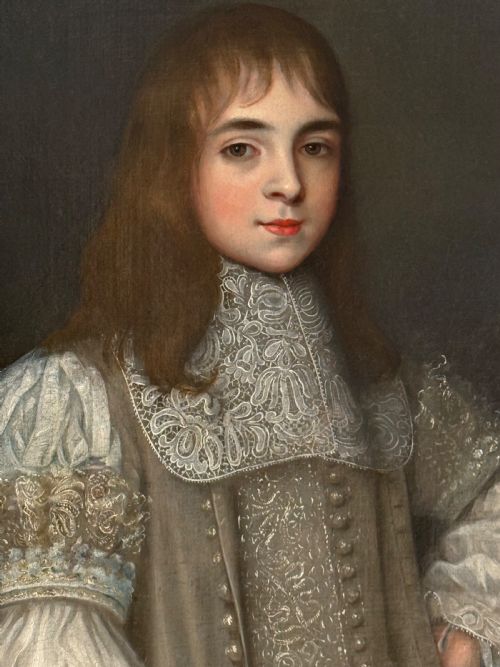
- A term often applied to the royalist supporters of King Charles I during the English Civil War, whose distinctive long hair and elaborate dress frequently appear in portraiture.
English Baroque Oil Painting: Frequently Asked Questions
How do I identify a seventeenth century portrait?
Examination of the sitter's costume, hair styling, and lace collars usually provides the most reliable chronological indicator. Documentation on the reverse of the canvas or traditional stretcher construction also aids identification.
Stylistic conventions such as painted oval borders or martial armour point firmly toward the Stuart era. Comparing the handling of paint with documented works by contemporary studios helps confirm the period.
What subjects are common in these paintings?
Aristocratic patrons, military officers, judges, and landed families form the vast majority of subjects in these works. Sitters often commissioned portraits to record their social standing, political allegiance, or marital alliances.
Children and pets occasionally appear alongside parents to demonstrate familial wealth and affection. Allegorical themes, such as depicting a sitter in the guise of a classical deity or saint, also occur.
How should I care for an antique oil painting?
Display the canvas away from direct sunlight and fluctuating heat sources to prevent the wood and canvas from warping. Maintaining stable room humidity protects both the structural support and the delicate oil ground.
Dust the surface gently with a soft, dry brush without applying moisture or cleaning solutions. Professional conservation should be sought if the varnish yellows or structural tears appear.
What is the difference between attributed and circle works?
An attributed work suggests strong stylistic evidence linking the painting to a specific named artist, though absolute proof is absent. These pieces carry greater weight in the hierarchy of scholarship.
A circle attribution indicates the maker was part of a specific master's orbit or workshop environment. This reflects the prevailing aesthetic of the studio without claiming individual authorship.