




Restoration Era Painting
A restoration era painting captures the refined portraiture and courtly elegance of the late seventeenth century for contemporary interiors.
Restoration Era Painting
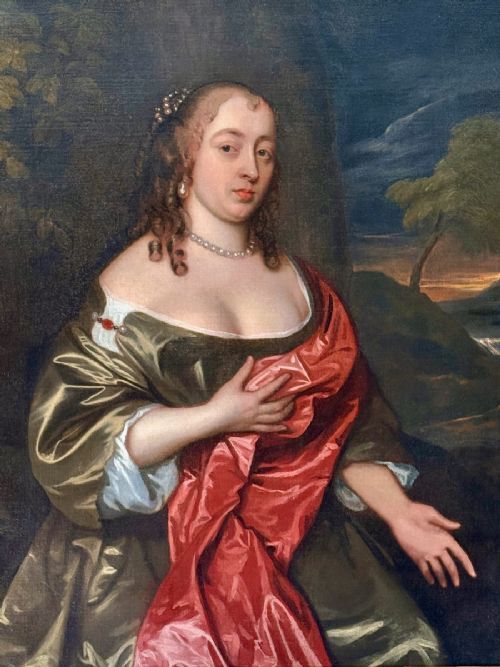
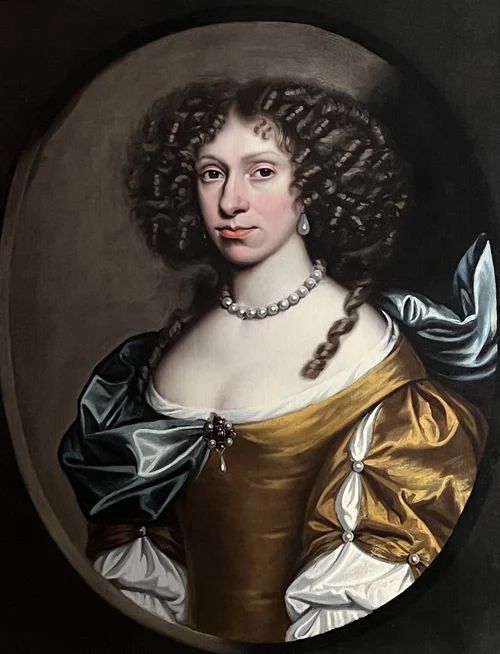
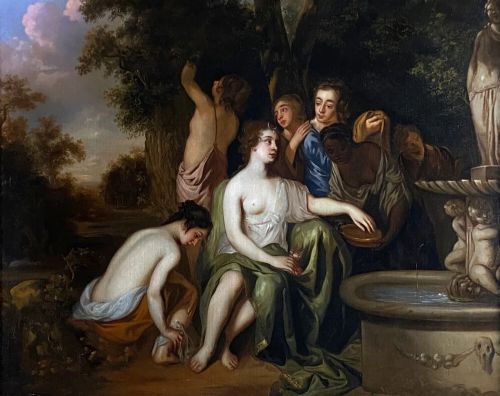
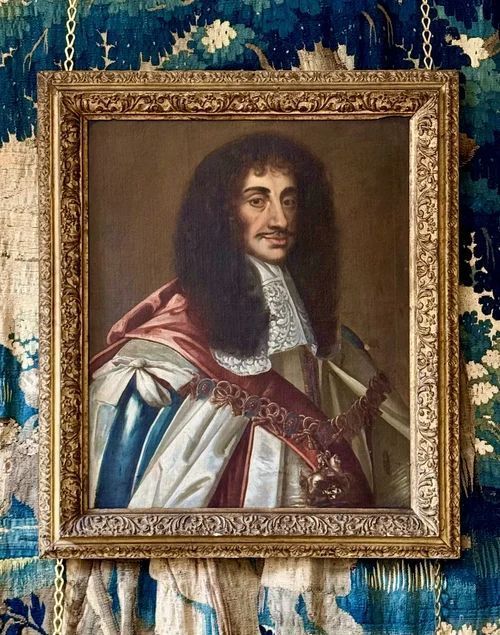
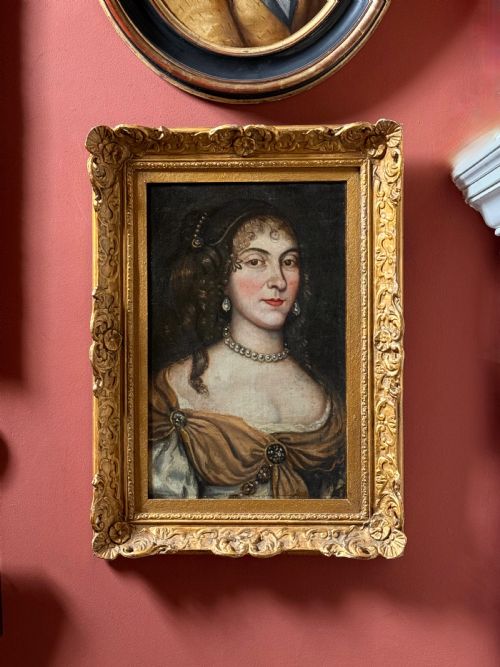
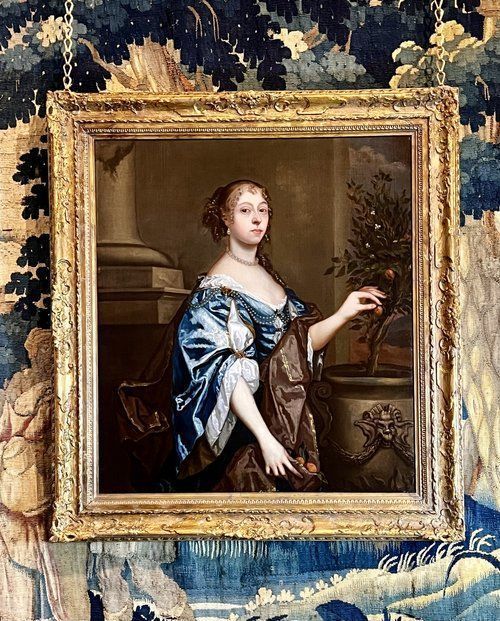
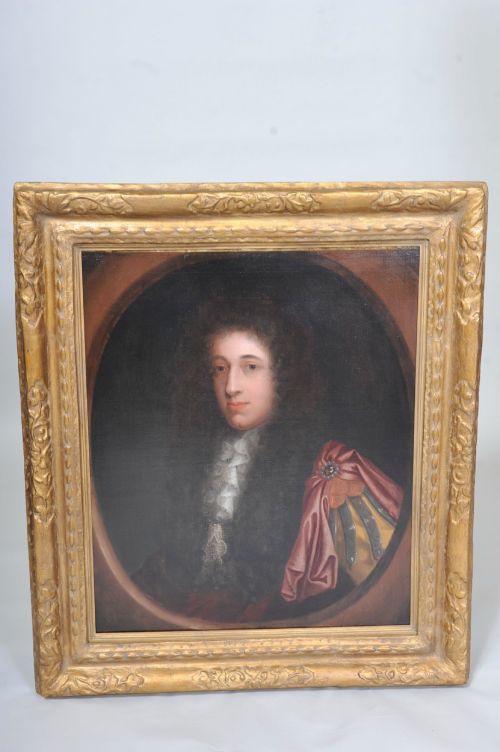
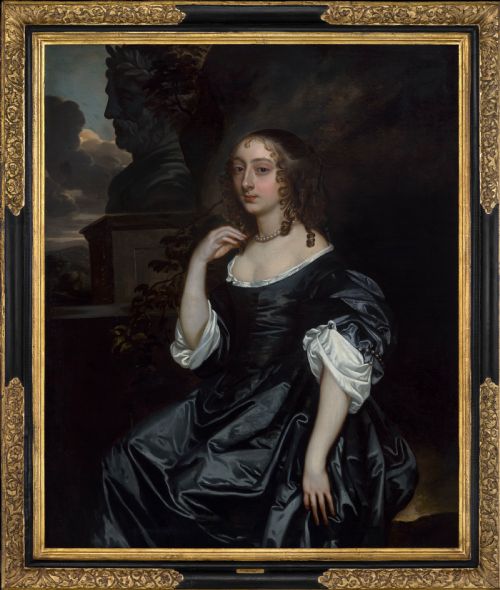
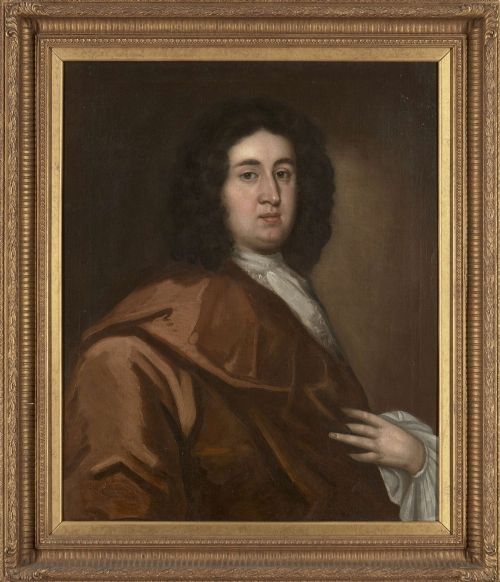
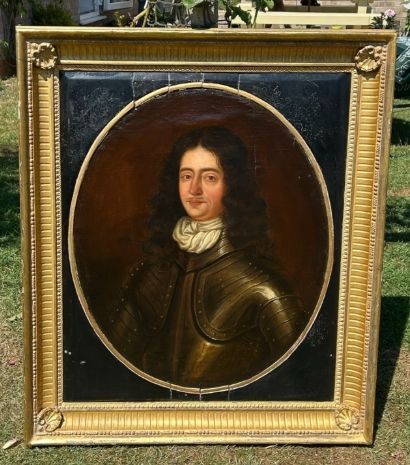
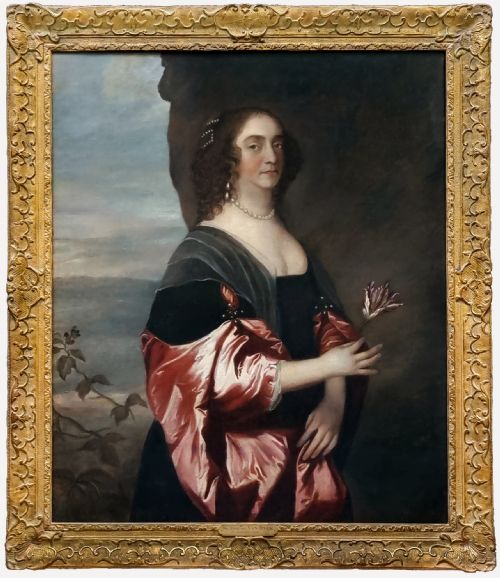
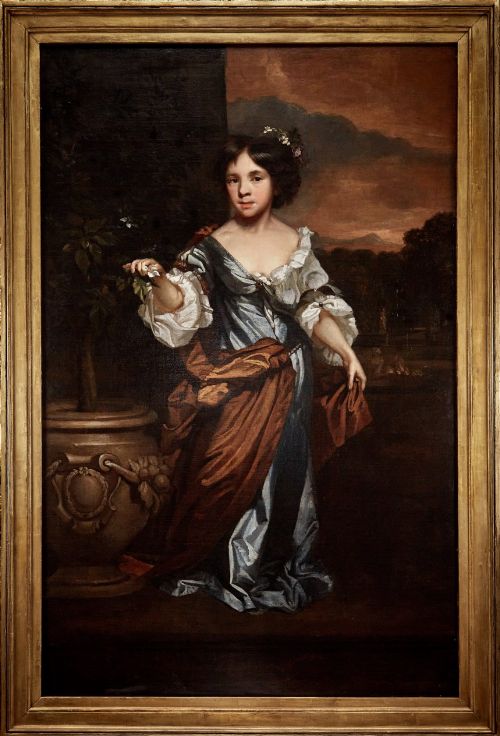
A restoration era painting typically presents oil on canvas portraits of identifiable sitters, including noblewomen, gentlemen, clerics, and military officers from the seventeenth century. These works frequently reflect Baroque sensibilities, employing dramatic lighting and rich drapery to convey the social status and dignity of the subject.
The prevailing format on this page is the portrait painting, often originating from English, Dutch, or French artistic circles associated with the Stuart period. Buyers encounter both direct works by noted practitioners and pieces produced within the studios or circles of prominent court painters.
Materials and construction
Painters of this period applied oil paint to woven canvas supports or occasionally wood panels, building up rich pigment layers to define fabrics like satin and velvet. Canvases were typically stretched over wooden frames and frequently housed within heavy, ornate giltwood or gilt wood frames embellished with gold leaf.
The physical construction relies upon traditional priming layers beneath the oil pigments, which account for the deep tonalities and enduring surface character of seventeenth-century canvases. Artisans carved and gilded the surrounding wood frames by hand, integrating decorative motifs suited to the Baroque style.
The listings span the seventeenth and nineteenth centuries, featuring oil on canvas paintings and porcelain decorative objects.
Quality variations in historical portraiture
Quality within these historical works depends heavily upon the anatomical precision of the hands and face, alongside the confident handling of drapery and background textures. Pieces originating directly from the hand of a master or a closely connected studio exhibit greater subtlety in facial modelling than output from more distant followers.
The integrity of the original canvas surface and the survival of the underlying pigment layers also influence the standing of a piece. Works retaining their early or period-appropriate giltwood framing preserve a more authentic historical context than those altered in later centuries.
JOHN HAYLS·DAVID SCOUGALL·SIR PETER LELY·PIETER BORSSELER·MARY BEALE·SIR GODFREY KNELLER·JOHN SCOUGALL·JOHN CLOSTERMAN·JOHN RILEY·JOHN GREENHILL·JACOB HUYSMANS·JOHN MICHAEL WRIGHT·ARNOLD VAN BOONEN·MICHAEL DAHL·WILLIAM WISSING·JOHANN KERSEBOOM·SAMUEL VAN HOOGSTRATEN
The Restoration Era Painting Glossary
- Baroque
- A European artistic style of the seventeenth century characterised by grand scale, exuberant ornamentation, and dramatic contrasts between light and dark. This aesthetic informs the mood and composition of many period canvases.
- Canvas
- A heavy woven fabric, typically linen, stretched across a wooden frame to serve as a stable support for oil painting. It forms the primary base material for the majority of works on this page.
- Circle of
- A term used in attribution to denote an artist working during the same period and within the distinct stylistic orbit of a master. These works share technical methods and visual idioms with the named painter.
- Oil paint
- A slow-drying medium composed of pigments suspended in a drying oil, commonly linseed. This formulation allows artists to achieve rich colour depth and smooth tonal gradations.
Restoration Era Painting: Frequently Asked Questions
Who do these seventeenth-century portraits depict?
The subjects include titled nobility, military commanders, bishops, and landed gentry associated with the Stuart court and the wider social elite of the era. Many canvases record specific historical personages whose identities have been preserved through contemporary inscriptions or documentary research.
These likenesses functioned as statements of lineage, political allegiance, and personal status within seventeenth-century society.
How do I care for an antique oil painting?
Antique canvases require stable indoor environments with moderate humidity levels to prevent the canvas and wooden stretcher from warping or cracking. Direct sunlight should be avoided to protect organic oil pigments from fading over time.
Dusting the surface and the surrounding giltwood frame should be done gently with a soft, dry brush, avoiding liquid cleaners or chemical agents entirely.
What is the difference between a studio work and a direct attribution?
A direct attribution indicates that scholars consider the painting to be the physical work of the named master. Studio or circle pieces were produced by assistants or contemporaries working under the master's supervision or within their immediate stylistic environment.
Both categories reflect the prevailing aesthetic standards of the period, though works by the primary hand command distinct scholarly attention.
How do these paintings fit into modern interiors?
The dark, rich tonalities and dramatic lighting of Baroque portraiture provide a striking focal point against contemporary neutral wall colours. These works introduce historical depth and character when hung in studies, living rooms, or hallways.
Pairing a seventeenth-century canvas with its original giltwood frame enhances its visual presence as an independent piece of fine art.