


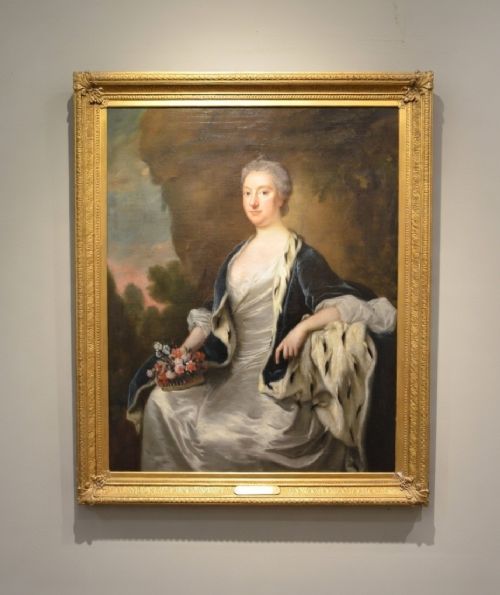

Blue Mantle Portrait
A blue mantle portrait captures nobility and sitters of distinction in oils, porcelain, and pottery figures across centuries of craft.
Blue Mantle Portrait
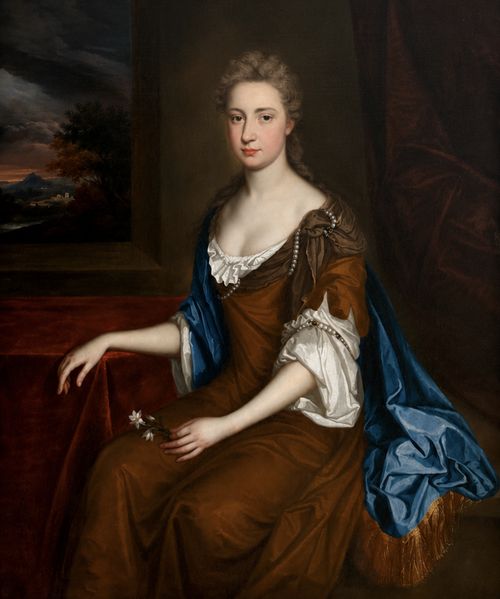
A blue mantle portrait represents subjects from the seventeenth, eighteenth, and nineteenth centuries, depicted wearing a characteristic blue drapery or garment.
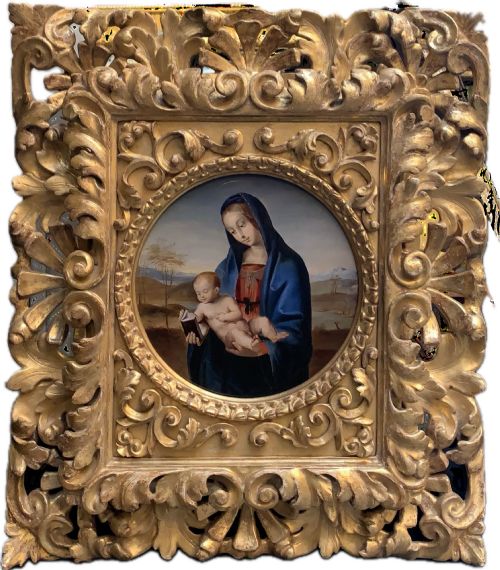
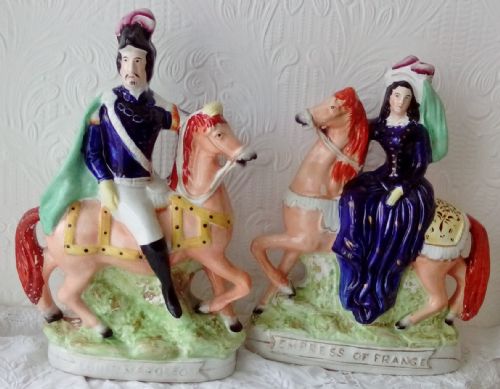
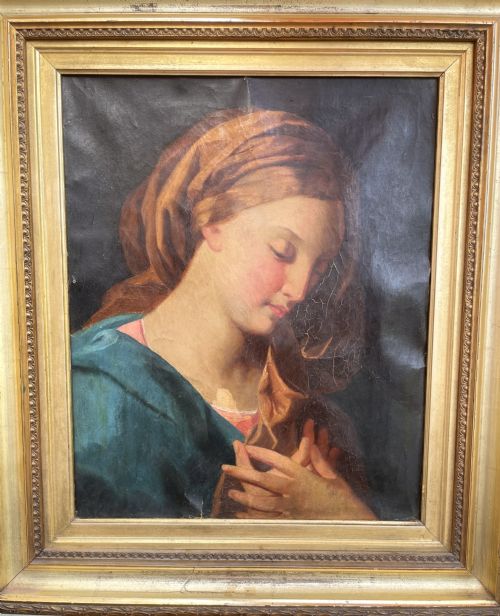
The selections span oil on canvas paintings, oil on panel works, and ceramic royal portrait figures, reflecting diverse periods from the seventeenth century to the Victorian era.
Buyers frequently encounter historical oil paintings alongside porcelain busts, pottery figures, and decorative items featuring painted portrait plaques.
Materials and construction methods
Painters utilised oil on canvas and oil on panel, applying layered pigments to render fabrics like the distinctive blue mantle with depth and luminosity.
Potters and sculptors employed earthenware, porcelain, and ceramic techniques to mould and hand-paint three-dimensional figures and decorative portrait vases.
Makers incorporated giltwood, enamel, and gilt bronze mounts to frame canvases or integrate portrait plaques into mantel clocks and luxury objects.
Listings feature periods spanning from the sixteenth century through the Victorian era, utilising oil, porcelain, enamel, and earthenware.
Distinctions in craftsmanship
Fidelity of modelling and clarity of enamel work define the standard in porcelain busts, pottery figures, and clock plaques.
Originality of mounting and the condition of the canvas or ceramic body determine the overall integrity of the piece.
Pompeo Batoni·Johann Kerseboom·Enoch Seeman·Jonathan Richardson·Michael Dahl·Thomas Murray
The Blue Mantle Portrait Glossary
- Oil on canvas
- Pigments bound in a drying oil applied to a stretched cloth support. This medium allowed artists to achieve subtle tonal gradations in garments such as a blue mantle.
- Porcelain
- A ceramic material made by heating raw ingredients to high temperatures. It permits delicate modelling and fine painted detail seen in portrait busts and vases.
- Enamel
- A glassy substance fused to a metal or ceramic substrate through firing. It provides durable colour and gloss on clock dials and miniature portrait plaques.
- Gilt bronze
- Metal cast and finished with a layer of gold. It frames or supports decorative plaques and clock faces in nineteenth-century pieces.
- Earthenware
- Porous pottery fired at lower temperatures. It forms the body of Victorian Staffordshire portrait figures.
Blue Mantle Portrait: Frequently Asked Questions
What is a blue mantle portrait?
A blue mantle portrait is a painting or figural work depicting a subject wearing a distinct blue cloak or drapery. These pieces span multiple centuries and include oils, ceramics, and porcelain.
Sitter attire often denoted status or specific artistic conventions of the period, particularly in British and European portraiture from the seventeenth and eighteenth centuries.
How should I care for an oil on canvas?
Keep oil paintings away from direct sunlight and fluctuating humidity levels to protect the canvas and paint layers. Dust gently with a soft, dry brush.
Avoid using water or cleaning solvents on the surface, and consult a professional conservator for any structural repairs or cleaning.
Are these portraits signed by artists?
Some historical paintings and works include artist signatures, studio attributions, or sitter inscriptions on the canvas or reverse. Others remain attributed based on stylistic evidence and historical records.
Pottery figures and porcelain pieces often bear factory marks or titled bases identifying the subject rather than the maker.
How do I distinguish nineteenth-century pieces?
Nineteenth-century works often reflect Victorian, Belle Epoque, or Revival styles, utilising industrial porcelain casting and refined enamel techniques alongside traditional media.
Examining the materials, mounting hardware, and any factory stamps helps separate nineteenth-century productions from earlier seventeenth and eighteenth-century examples.