

Carved Giltwood Painting
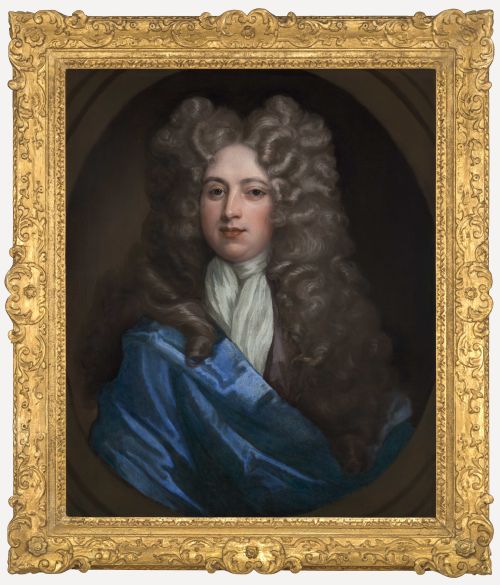
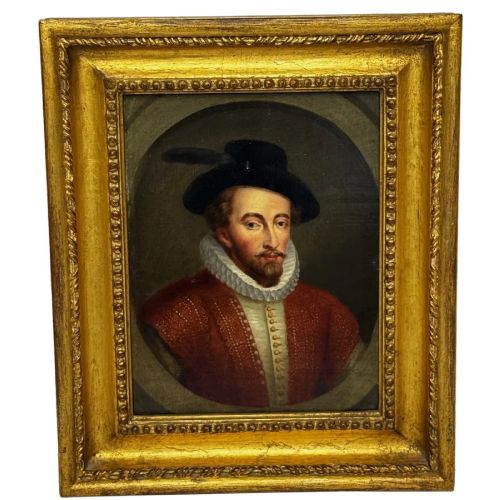
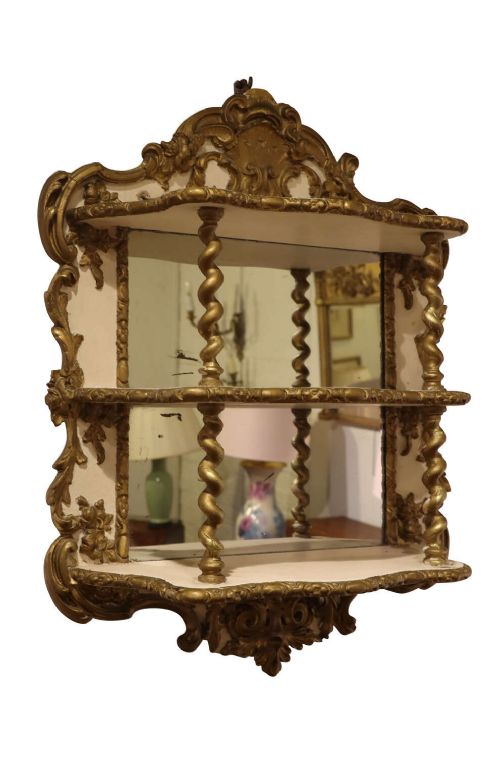
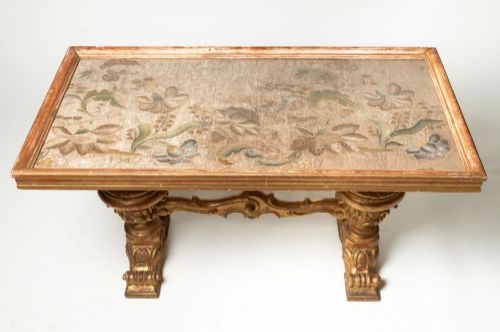
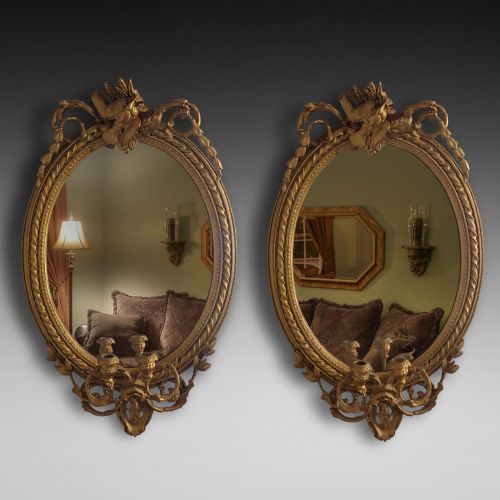
These pieces unite a carved giltwood painting frame with oils on canvas, bringing seventeenth-century portraiture and continental grandeur into the room.
Carved Giltwood Painting
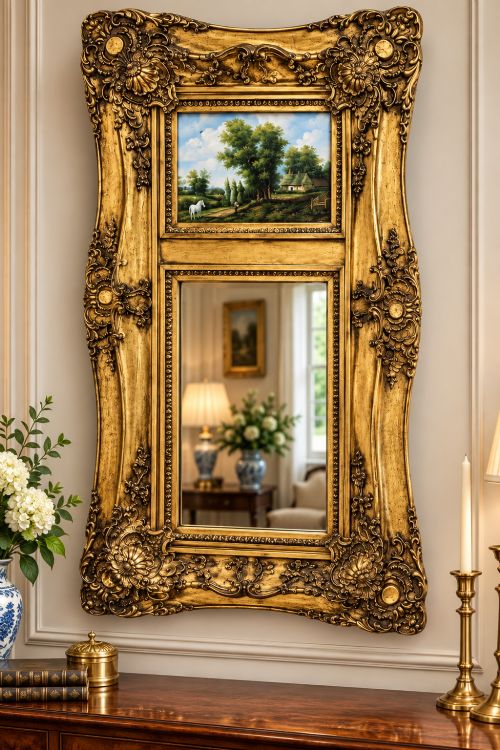
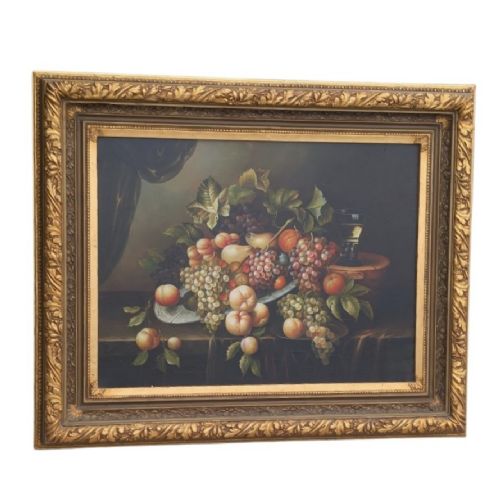
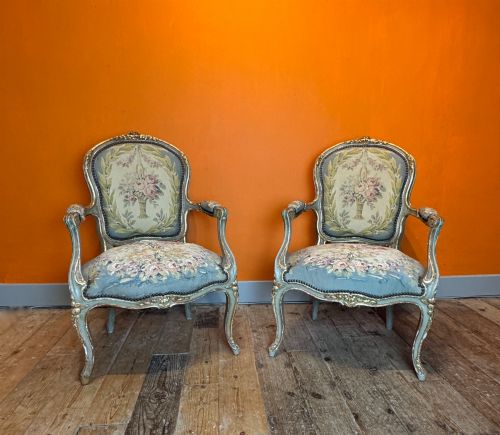
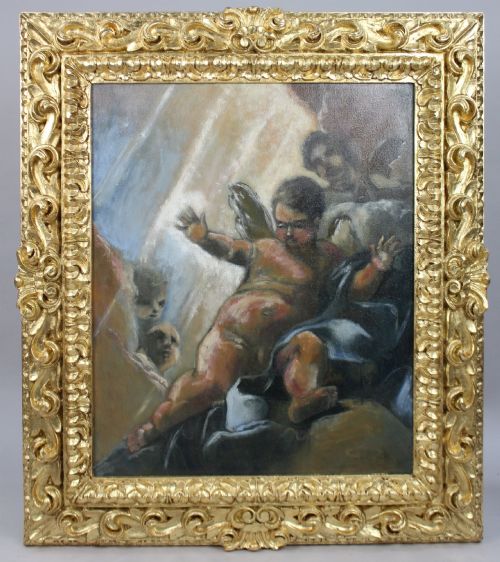
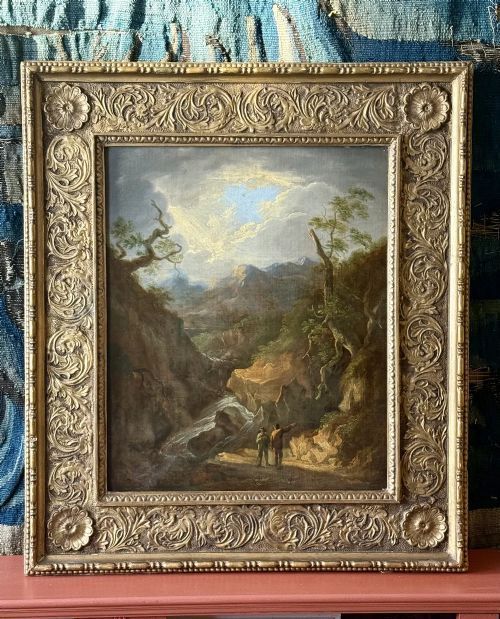
When you search for carved giltwood painting, you are looking at oil paintings on canvas set inside ornate wooden frames coated in gold leaf and gesso. The selection spans centuries of European craftsmanship, from seventeenth-century Anglo-Flemish portraits to later French trumeau mirrors incorporating landscape panels.
The objects combine two distinct disciplines into a single piece: the fine art of portrait or landscape painting and the heavy ornamentation of decorative woodwork. Many examples on this page bring together seventeenth-century canvases and later Italian or French frames, or present nineteenth-century revivals of earlier baroque styles.
You will encounter grand scale Georgian overmantels, French empire pier mirrors, and intimate oil portraits depicting royalty, privateers, and gentlefolk. The frames themselves carry deep relief carving, scrolling foliage, and pierced work that elevate the canvas they enclose.
How they were made
Makers shaped the frames from timber such as pine or oak, building up intricate relief details with layers of gesso before applying gold leaf or paintwork. This plaster ground was carved and punched while damp to create crisp edges that caught the candlelight.
Canvases were prepared with gesso grounds and painted in oil, using pigments layered to achieve deep drapery and flesh tones in the manner of seventeenth-century schools. The finished paintings were secured into their gilded surrounds with wooden slip blocks and hand-forged pins.
Listings feature oil on canvas works paired with giltwood, gesso, and painted wood frames across the seventeenth, eighteenth, and nineteenth centuries.
What varies in quality
The depth and crispness of the wood carving separate superior frames from simpler moulded versions, as hand-chiselled acanthus leaves show sharper undercut details than cast composition ornament. The thickness of the gold leaf application and the skill of the original gilder dictate how the surface reflects light across the room.
On the canvas, the strength of the brushwork and the preservation of the pigment layers determine artistic merit. A well-proportioned relationship between the weight of the frame and the scale of the painting indicates thoughtful design by the original workshop.
Sir Anthony van Dyck·Thomas Murray·Henry Pickering·Benjamin Barker of Bath·Nicolaes Maes
The Carved Giltwood Painting Glossary
- Giltwood
- Wood that has been decorated with thin sheets of gold leaf over a prepared surface. This finish provides a warm metallic sheen that resists tarnishing over centuries.
- Gesso
- A plaster mixture applied to wood frames to create a smooth, buildable surface for carving and gilding. It allows artisans to achieve sharp relief details before laying the gold leaf.
- Trumeau
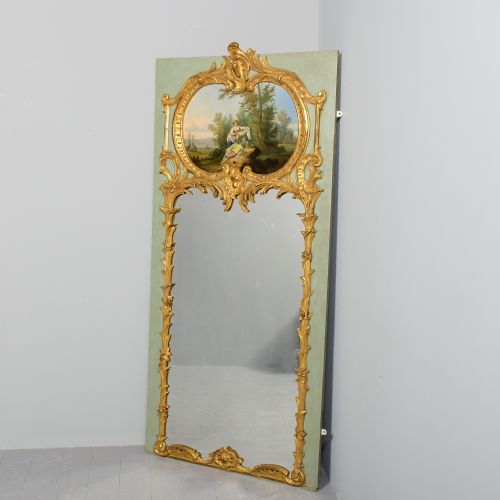
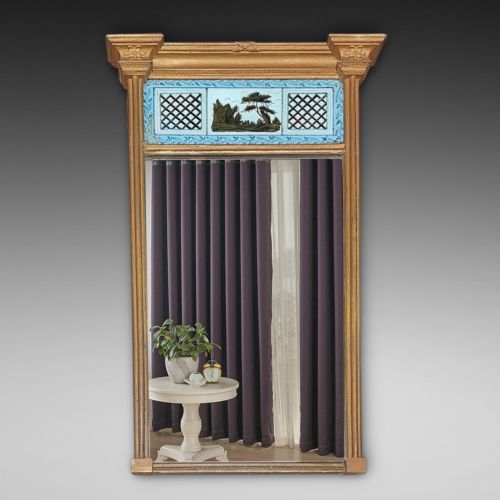
- A decorative wall mirror featuring a painted panel or oil painting set above the glass plate. These architectural elements originated in eighteenth-century French interior design.
- Pier Mirror
- A tall mirror designed to hang on the wall between two windows, often placed above a matching console table. They expanded light and visual space in period drawing rooms.
- Verre Eglomise
- A technique of cold painting and gilding on the reverse side of glass to produce a mirror-like silhouette. It frequently appears in neoclassical and regency trumeau panels.
Carved Giltwood Painting: Frequently Asked Questions
What is a trumeau mirror?
A trumeau mirror combines a vertical looking glass with an upper panel containing either an oil painting or a decorative carving. These architectural fittings were designed to fill the wall space between tall windows in grand European rooms.
The painting within the frame often depicts pastoral scenes, naval engagements, or classical figures, executed on canvas or wood panels and integrated directly into the gilded woodwork.
How do I hang a heavy giltwood frame?
These substantial wooden frames require secure wall fixings distributed across heavy-duty brackets or steel mirror plates screwed into structural studs. Because the combination of dense timber, gesso, and canvas carries considerable weight, professional installation is strongly recommended.
Ensure the hanging wire or integrated strap hangers are rated well above the actual weight of the piece to prevent any strain on the original frame joints.
Are seventeenth-century portraits original to their frames?
Many early portraits and their carved giltwood frames have been paired together over the centuries rather than created as a single commission. Connoisseurs often unite period-appropriate canvases with frames of the same decade to recreate historical harmony.
Signs of marriage between canvas and frame include corner joins in the wood that match the rebate size and matching patination on the gilding surfaces.