



Heritage Portrait Wall Art
Heritage portrait wall art brings real depth to a room, offering centuries of character through painted and engraved faces.
Heritage Portrait Wall Art
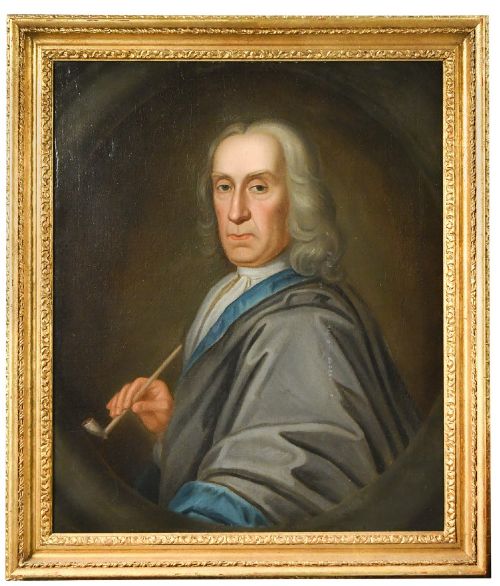
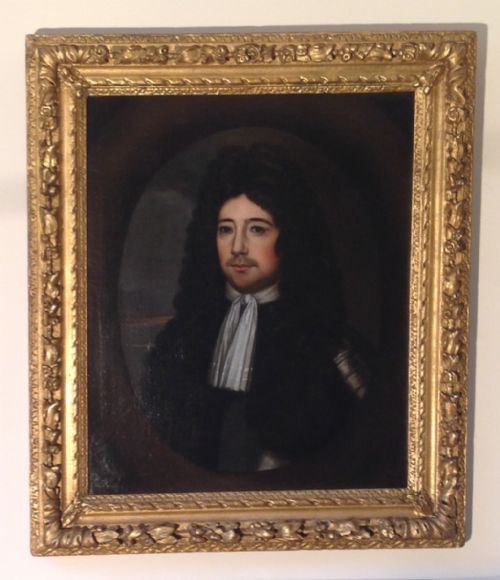
Heritage portrait wall art encompasses oil paintings and engravings depicting subjects from the seventeenth century through to the mid twentieth century. These pieces capture individuals in various formats, ranging from intimate sketches to large exhibition works.
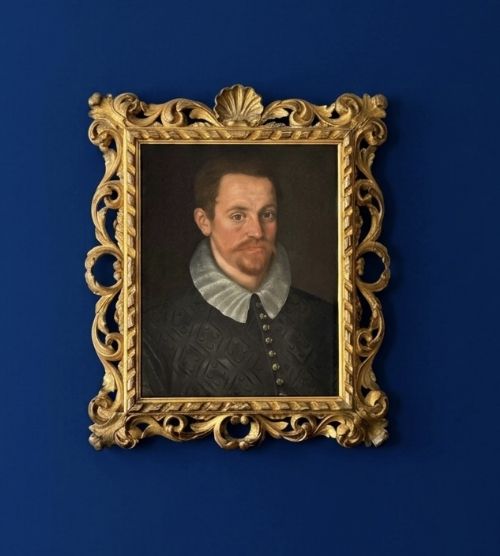
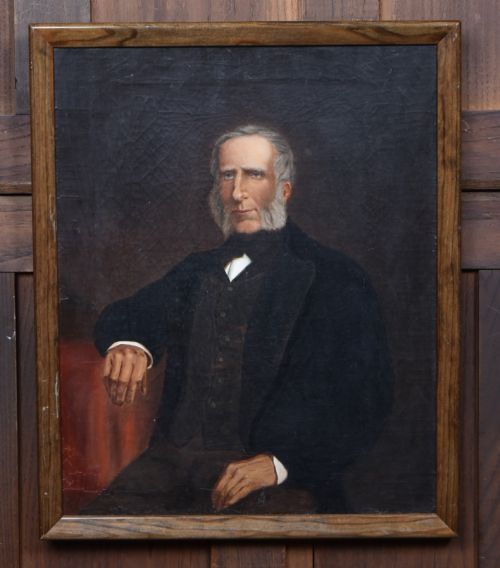
Buyers searching for heritage portrait wall art will most frequently encounter oil paintings on canvas and antique paper prints originating from British and European schools. The subjects span from gentlemen in ruffs to mid century military figures and family groups.
The selection reflects diverse aesthetic movements including Jacobean, Georgian, Victorian, French Rococo, Biedermeier, and mid century portraiture. Each period brings distinct clothing, framing, and painting conventions to the wall.
How they were made
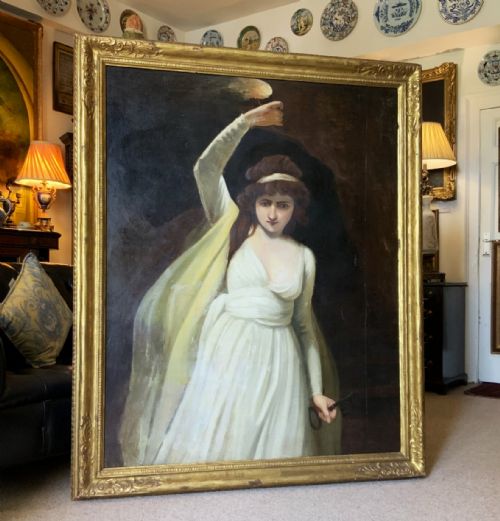
The primary technique relies on oil paint applied to canvas, often supported by wooden stretcher frames and housed within giltwood or gold leaf mouldings. Artists built up depth through layered pigments, capturing the textures of embroidered doublets, uniforms, and skin tones.
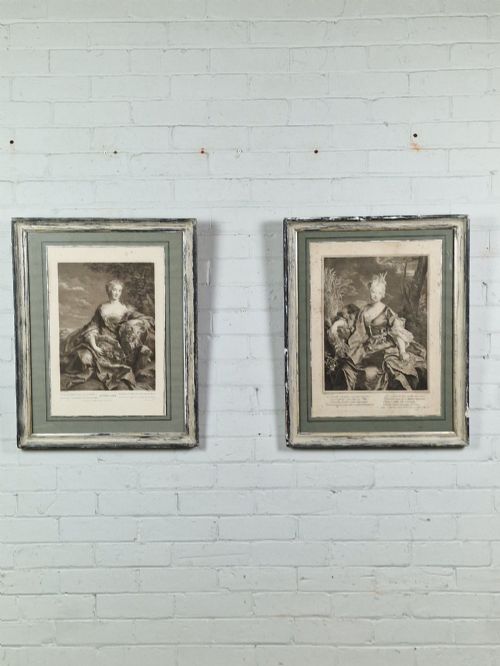
Works on paper utilise engraving methods to transfer fine inked lines, producing detailed prints that were subsequently framed behind glass. Canvas supports range from standard formats to large exhibition scales requiring substantial wooden structures.
Listings span periods from the 17th century through to the mid 20th century, utilising oil paint, canvas, giltwood, and paper.
What varies in quality
Quality in these portraits rests upon the skill of the brushwork and the psychological depth captured in the sitter's expression. Master works demonstrate subtle control over light and shadow, whereas simpler pieces rely on formulaic representation.
The choice of materials, from heavy gold leaf frames to fine oil pigments, distinguishes works intended for major exhibitions from standard school pieces. Attribution to recorded artists further elevates the standing of a portrait.
John Opie RA·Carl Adolf Mende·Frank Moss Bennett·John Laviers Wheatley ARA
The Heritage Portrait Wall Art Glossary
- Oil on Canvas
- Pigment mixed with drying oil applied to stretched woven fabric. This was the standard medium for substantial portraits from the seventeenth century onward.
- Giltwood
- Wood carved and coated with gold leaf or metallic powder. It provides the ornate framing typical of formal historic portraits.
- Engraving
- An intaglio printmaking process where lines are cut into a metal plate to hold ink. These plates are then pressed onto paper.
- School
- A descriptive term used when a painting is characteristic of a particular period, region, or master's circle rather than positively signed.
Heritage Portrait Wall Art: Frequently Asked Questions
How do I hang heavy oil portraits?
Heavy oil portraits require secure fixings into structural wall studs or proper masonry anchors. The substantial weight of giltwood frames demands robust picture hooks rated well above the painting's mass.
Position the centre of the portrait at approximate eye level for optimal viewing. Ensure the hanging wire or brackets are professionally attached to the wooden stretcher frame.
Where should I display antique portraits?
Antique portraits suit studies, living rooms, and hallways where traditional furnishings complement their historic presence. They anchor a room with a distinct focal point.
Avoid placing canvas works in direct sunlight or damp environments like unheated spaces. Stable indoor temperatures preserve the oil paint and canvas integrity.
How do I identify the period of a portrait?
Examine the sitter's clothing, hairstyle, and collar style for distinct historical markers such as ruffs, doublets, or military uniforms. These fashion details provide the most reliable dating clues.
Consider the painting technique, canvas preparation, and framing style as secondary indicators. Signatures, inscriptions, and attribution notes on the reverse also help establish the date.
Can I clean an old oil painting?
Surface dust can be gently removed with a very soft, dry brush, taking care around any craquelure or flaking paint. Avoid using water or domestic cleaning products on the canvas.
Professional conservation is recommended for deep cleaning or removing discoloured varnish. Improper cleaning can permanently damage the original pigment layers.