


Ancestral Portrait Oil Painting
An ancestral portrait oil painting anchors a room with generations of character, offering genuine historical presence through painted canvas and period frame.
Ancestral Portrait Oil Painting
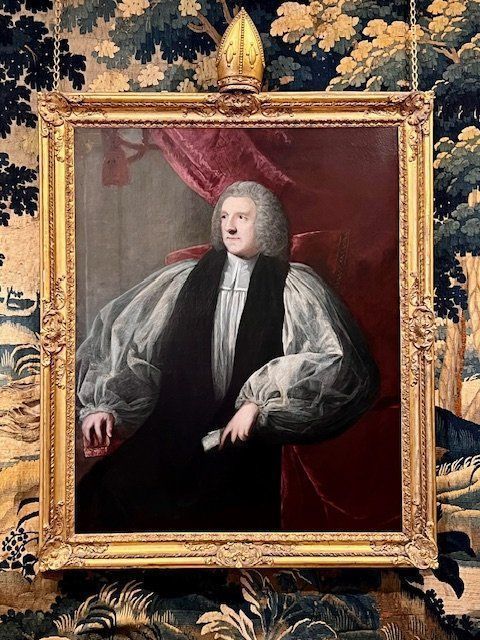
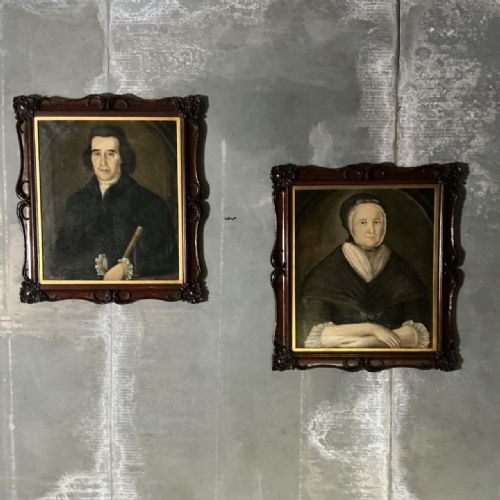
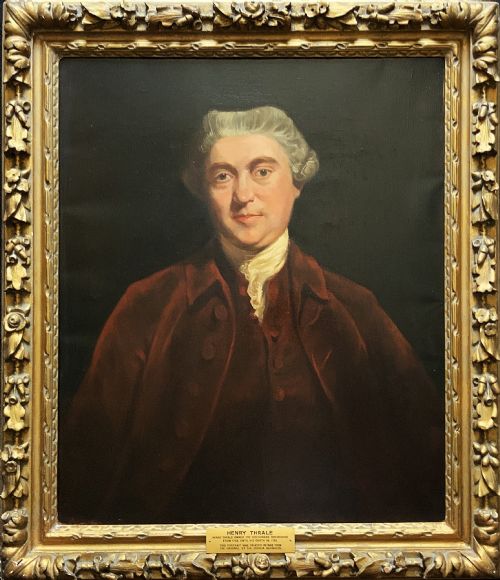
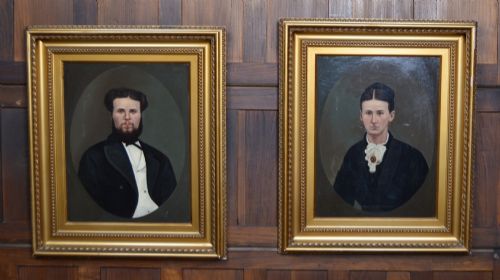
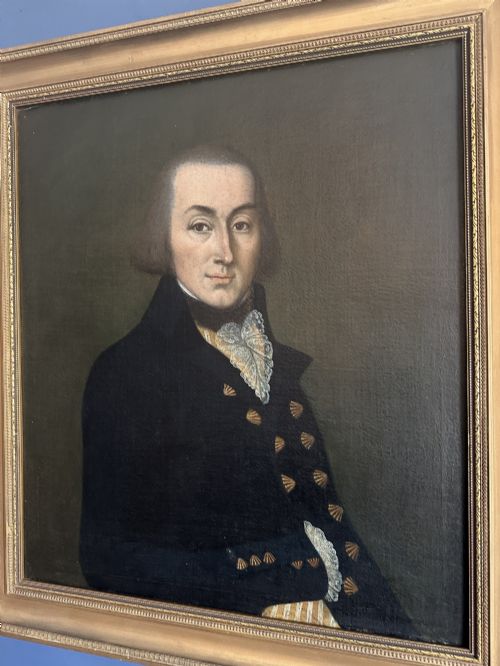
An ancestral portrait oil painting brings historical figures and past family lineages directly into domestic spaces, capturing sitters from the eighteenth, nineteenth, and early twentieth centuries. You will most frequently encounter nineteenth-century canvases alongside Georgian and Regency period examples, often depicting gentlemen, ladies, or specific historical personages.
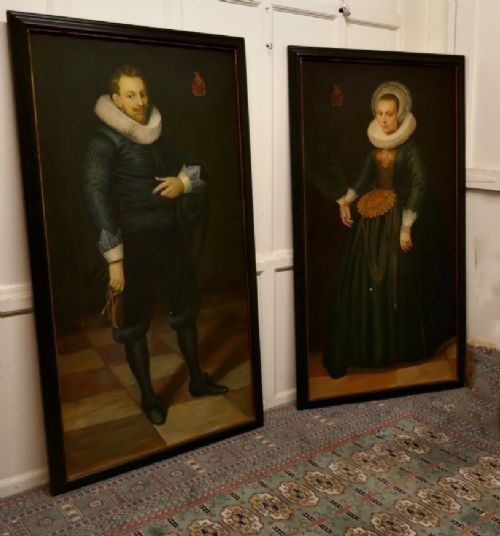
These works typically arrive in their original frames, ranging from simple wood surrounds to elaborate giltwood and gesso designs. Many are offered in pairs representing a lady and a gentleman, preserving the traditional companion arrangement common in country houses and period properties.
How They Were Made
Artists utilised oil paint on stretched canvas, building up layers of pigment to achieve depth in skin tones, fabrics, and background details. Wood stretchers provided the internal structural support for the canvas before framing.
Frames were constructed from wood and finished with gesso and gold leaf to create ornate decorative borders. Skilled artisans carved these surrounds to complement the prevailing style of the period, from Georgian simplicity to Victorian elaboration.
The current selection spans from the seventeenth century through the Edwardian era, featuring works in oil on canvas framed in wood, giltwood, and gesso.
What Varies in Quality
The skill of the brushwork largely defines the standard of a portrait, distinguishing competent regional works from the accomplished output of named artists and established schools. Finer pieces demonstrate superior handling of light, shadow, and facial expression.
The condition and originality of the frame also influence the piece, particularly where original giltwood and gesso surfaces remain intact. Matching pairs that retain their original frames hold greater integrity than mismatched combinations assembled later.
Sir Joshua Reynolds·Thomas Beach·Michael Dahl·Cornelis Van Der Voort
The Ancestral Portrait Oil Painting Glossary
- Giltwood
- Wood carved and coated with gold leaf or metallic powder to create a bright decorative surface. This finish is typical of superior period frames.
- Gesso
- A plaster-like mixture applied to wooden frames as a base for gilding and fine carving. It allows crisp ornamental details to be formed around the painting.
- Regency
- A British stylistic period spanning the early nineteenth century, noted for classical restraint and elegance in both portraiture and framing.
- Canvas
- The woven fabric support, usually linen or cotton, stretched across a wooden frame for oil painting. Older works utilise traditional hand-woven textiles.
- Baroque
- An elaborate European artistic style of the seventeenth and early eighteenth century, characterised by drama and rich detail. Portraits from this era display deep shadows and formal poses.
Ancestral Portrait Oil Painting: Frequently Asked Questions
How do I date an ancestral portrait?
Dating relies heavily on the style of clothing, the canvas preparation, and the construction of the wooden frame. Details such as hairstyles, collars, and uniforms provide clear indicators of the sitter's era.
Secondary clues include handwritten inscriptions on the stretcher bars or canvas reverse, alongside the specific ageing of the oil paint and underlying gesso.
Where should I hang a large portrait?
These works suit principal reception rooms, hallways, or above a fireplace where they can serve as a primary focal point. Ensure the wall space allows the frame to breathe without crowding.
Avoid placing oil paintings in direct sunlight or above active heat sources, as fluctuations in temperature and light can damage both canvas and giltwood.
What is a portrait pair?
A portrait pair consists of two separate paintings, usually depicting a husband and wife, commissioned or painted at the same time. They share similar dimensions, artist styles, and framing.
Keeping pairs together maintains their historical and decorative integrity as a matched set intended for domestic display.