





Male Portrait in Wig
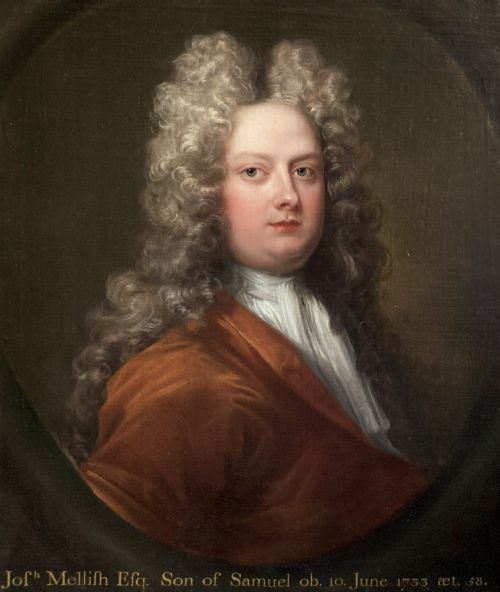
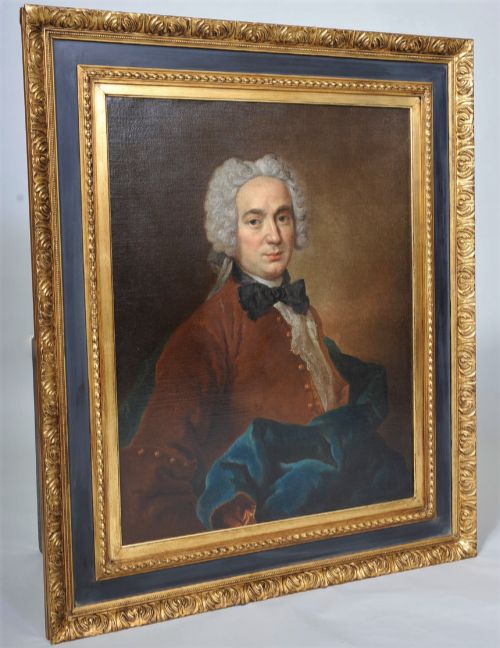
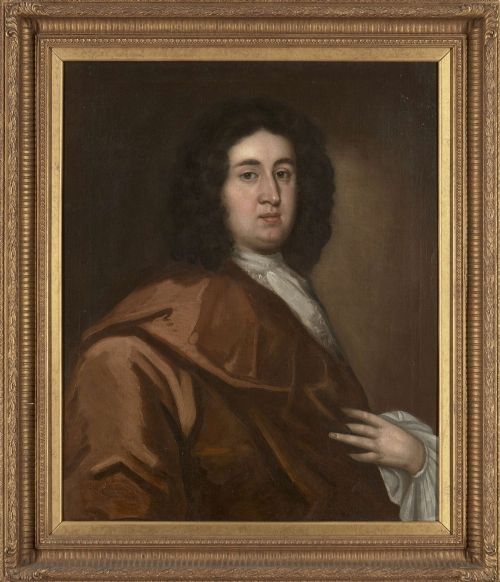
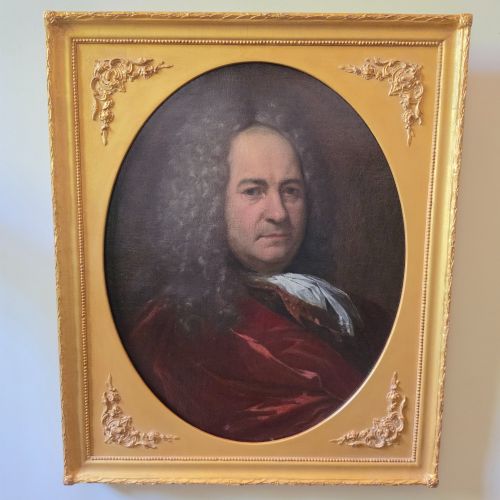
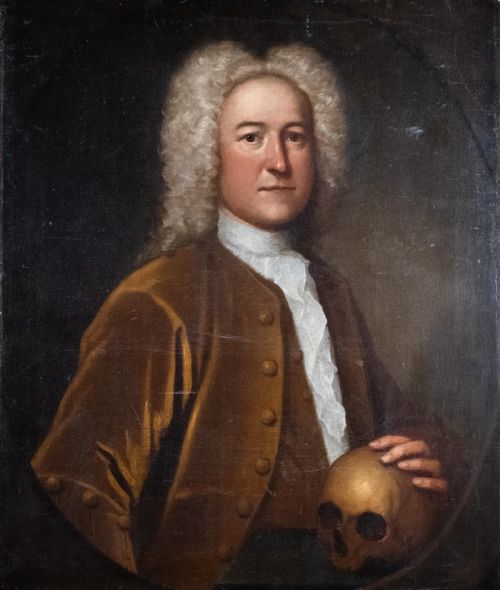
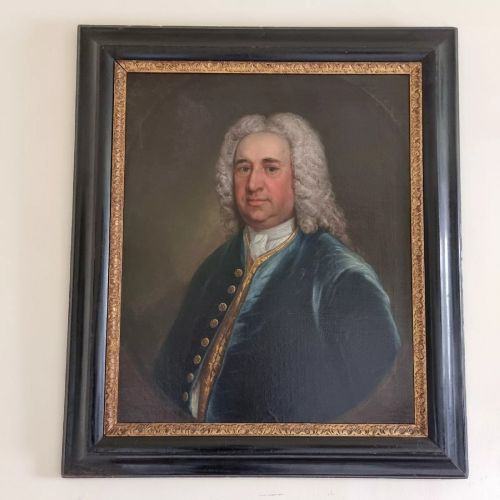
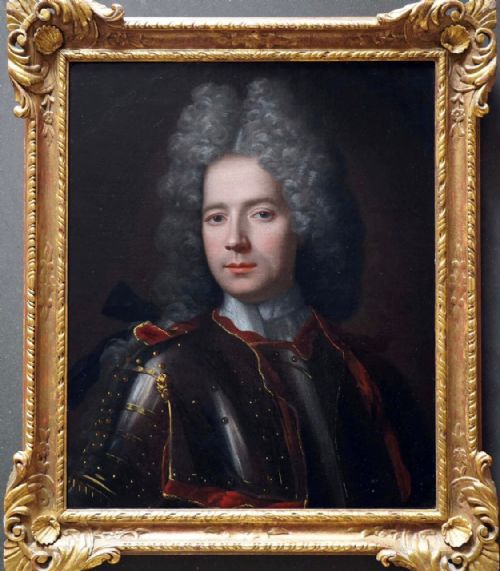
A male portrait in wig brings the gravitas of seventeenth and eighteenth century sitters into a room through oil paint on canvas.
Male Portrait in Wig
A male portrait in wig captures gentlemen, noblemen and notable figures from the seventeenth and eighteenth centuries, rendered in oil on canvas. These works span periods from the late seventeenth century through the Georgian era, showing sitters in formal attire such as crimson coats and cloaks.
The most common examples on this page are oil paintings from the eighteenth century, often housed in giltwood or gilded wood frames. Sitters appear either directly attributed to notable portraitists of the period or as works by the English and Scottish schools.
Subjects range from named historical figures like Joseph Mellish and Richard Oswald to anonymous gentlemen and noblemen. The presence of the characteristic formal wig anchors these paintings firmly in the aesthetic of the Baroque and early Georgian periods.
Materials and construction
Many of these portraits sit inside period frames constructed from wood and finished with gilt or giltwood. The combination of oil on canvas and a substantial gilded frame defines the physical presence of each piece.
Listings feature oil on canvas portraits spanning the seventeenth and eighteenth centuries, including works from the Georgian period and earlier Baroque styles.
Assessing quality and execution
Quality in a male portrait in wig rests upon the skill of the brushwork in rendering the sitter's expression, the texture of the coat and the intricate locks of the wig. Finer works display confident handling of light and shadow across the face, while simpler pieces rely more on formulaic studio production.
The attribution to a specific hand, circle or school also distinguishes the works. Paintings linked closely to established portrait painters or documented sitters carry distinct historical weight compared to anonymous depictions of gentlemen.
Charles Jervas·John Closterman·Allan Ramsay·Joseph Highmore·Hyacinthe Rigaud·Enoch Seeman the Younger·William Denune·Jonathon Richardson·Michael Dahl·John Riley·Andrea Soldi
The Male Portrait in Wig Glossary
- Oil on canvas
- A painting medium where pigments suspended in drying oils are applied to stretched fabric. This combination allowed artists to achieve rich tones and subtle gradations of light.
- Giltwood
- Wood carved and coated with a thin layer of gold leaf or gilt. These frames provide a reflective border that complements the dark palettes of early paintings.
- Baroque
- An artistic style prevalent during the seventeenth and early eighteenth centuries characterised by drama, tension and deep chiaroscuro. Portraits from this movement emphasise rich textures and imposing presence.
- Circle of
- A term used when a painting shows the direct influence and style of a master painter working closely around them. It denotes proximity to a known workshop without a definitive signature.
- Georgian
- The period spanning the reigns of the first four British monarchs named George, marking a distinct era of portraiture and material culture.
Male Portrait in Wig: Frequently Asked Questions
How do I date a male portrait in wig?
Dating relies on stylistic clues in the sitter's clothing, the cut and volume of the wig, and any inscriptions or documentation on the reverse of the canvas. Costume history offers a reliable guide since wig styles evolved distinctly from the late seventeenth century through the mid-eighteenth century.
Attributions to specific schools or circles of painters further help narrow the decade in which the portrait was executed.
Are these paintings in original frames?
Many period portraits retain giltwood or gilded wood frames appropriate to their era of creation. These frames match the construction techniques and materials typical of seventeenth and eighteenth century workshops.
While some frames are contemporaneous with the canvas, others have been matched or restored over subsequent centuries.
How should I hang an oil portrait?
Hang the canvas on a stable interior wall away from direct sunlight and sudden fluctuations in temperature or humidity. Proper placement protects the oil paint and the wooden stretcher from warping or cracking over time.
Ensure the wall fixings can comfortably support the combined weight of the canvas and its heavy giltwood frame.
What does attribution to a school mean?
Attribution to a specific school indicates that the painting originated from a particular region or artistic tradition during that era. For instance, Scottish School or English School designations place the anonymous workshop within a geographic context.
This classification connects the anonymous sitter and painter to broader regional developments in portraiture.