


Aristocratic Lady Portrait
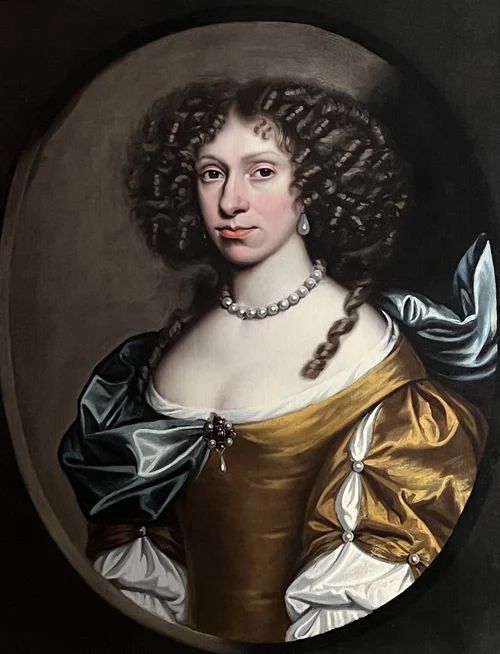
An aristocratic lady portrait captures the likeness, status and elaborate dress of elite women, mostly originating from the seventeenth and eighteenth centuries.
Aristocratic Lady Portrait
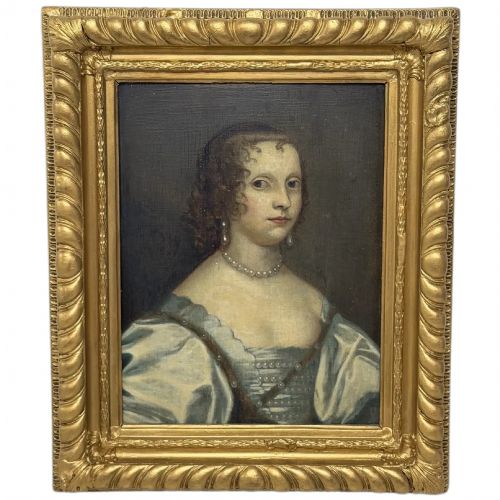
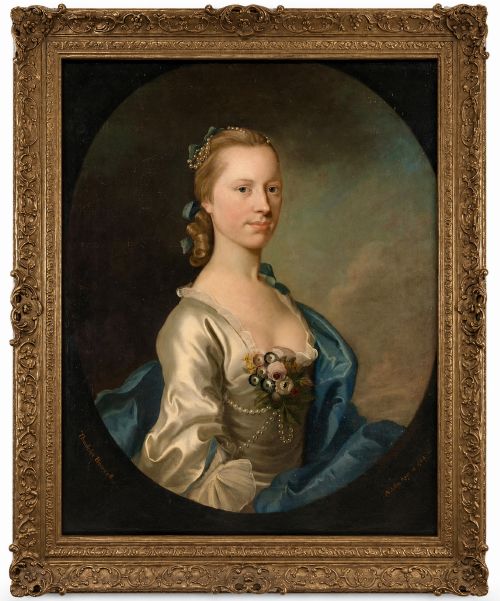
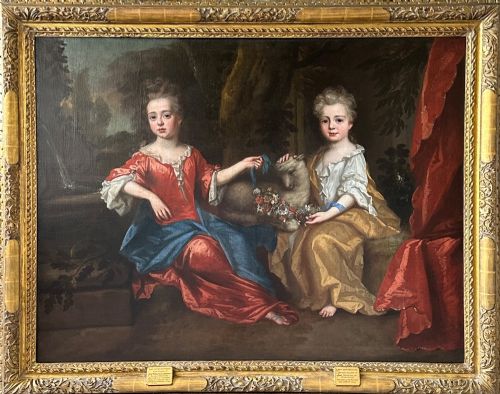
When you search for an aristocratic lady portrait, you encounter historical oil paintings depicting women of high social standing from the seventeenth, eighteenth, and nineteenth centuries. These works frequently depict named individuals or members of notable families, rendered in oil on canvas or oak panel.
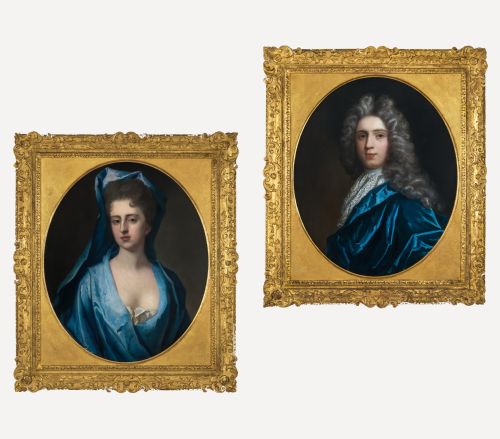
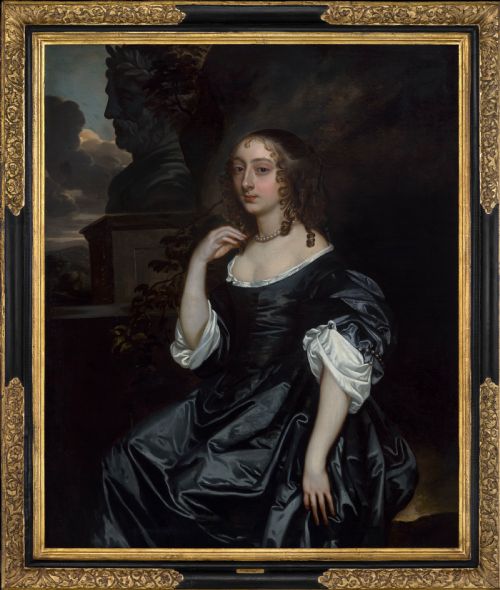
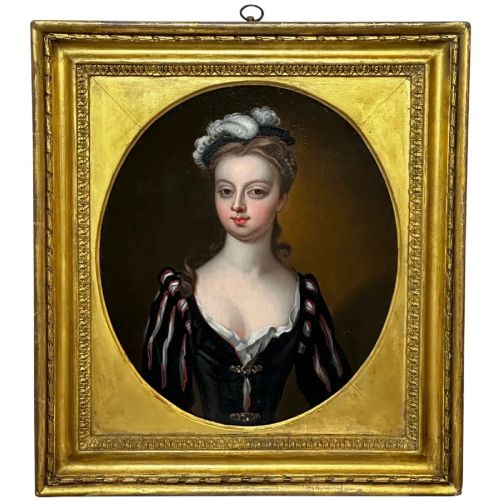
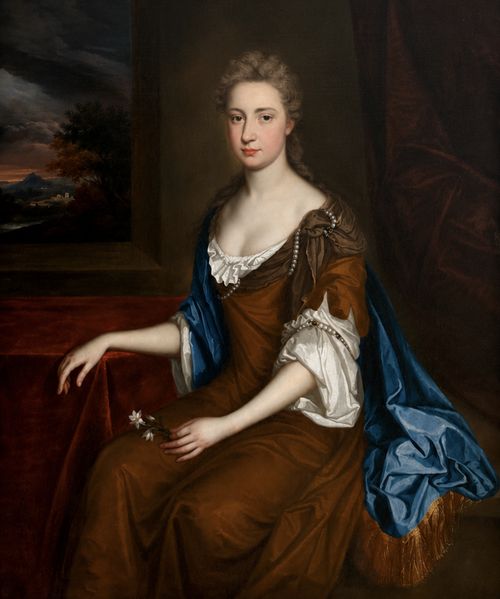
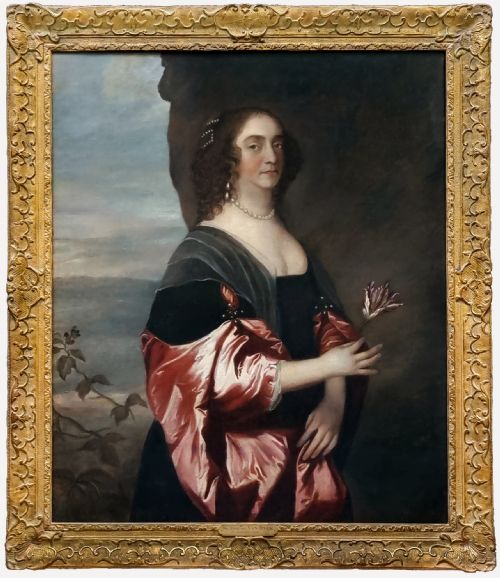
The version you are most likely to meet on this page belongs to the seventeenth or eighteenth century, reflecting British and Dutch baroque or Georgian aesthetics. These paintings show subjects adorned in silks, satins, pearls, and ermine-trimmed cloaks, often set against dark backgrounds or classical architectural elements.
Materials and Construction
The primary material foundation consists of oil paint applied to woven canvas or occasionally wood and oak panel. Artists built these compositions using layered oil pigments to render the rich sheen of fabrics such as red satin, green silk, and silver dresses with gold braided tassels.
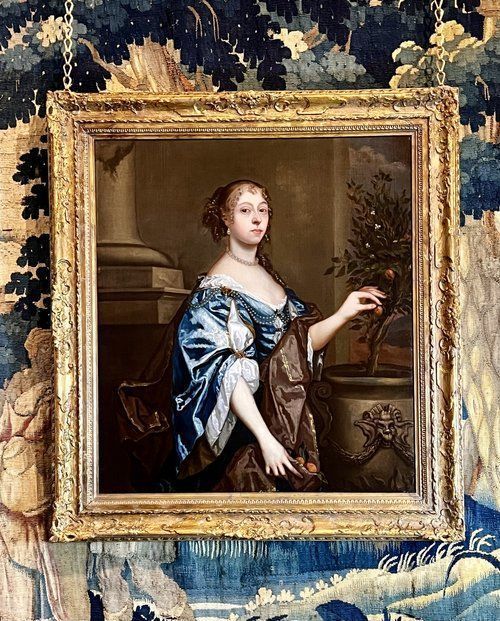
Framing forms an integral component of the physical object, with surviving works frequently housed in period giltwood frames finished in gold leaf. The application of these materials required specialised workshop practices typical of seventeenth-century Dutch and British portraiture.
Several noblewomen pose alongside unexpected companions, including oranges, children, and loyal dogs.
Assessing Artistic Quality
Quality in an aristocratic lady portrait rests upon the handling of facial likeness, hand articulation, and the rendering of textile textures. Superior examples emerge from named masters or their immediate studio circles, where the brushwork in lace collars and silk drapery exhibits notable confidence and depth.
Condition and originality also dictate standing within the range. Works retaining their original canvas support and period giltwood framing without extensive overpainting command greater appreciation than heavily restored examples.
David Scougall·Michael Dahl·Thomas Murray·Pieter Borsseler·Sir Peter Lely·John Vanderbank·Sir Stanley Clarke·Allan Ramsay·James Maubert·Gainsborough·Robert Edward Morrison·Charles Jervas·Pieter Nason·George Perfect Harding·Richard Buckner·Sir Godfrey Kneller·Philip Mercier·Joseph Highmore·Thomas Hickey·William Aikman
The Aristocratic Lady Portrait Glossary
- Oil on Canvas
- Pigment mixed with drying oil applied to a stretched woven fabric support. This method became the dominant medium for elite portraiture from the seventeenth century onward.
- Giltwood
- Wood carved and coated with a thin layer of gold leaf or gold paint. These frames surround the canvas and often reflect the specific decorative style of the painting's period.
- Baroque
- An artistic style prevalent in the seventeenth and eighteenth centuries characterised by drama, rich detail, and deep chiaroscuro. Portraits in this style emphasise texture, movement, and opulent dress.
- Oak Panel
- A rigid wooden support used for early paintings before canvas became universal. Panels provide a stable surface for oil paint but require careful humidity control.
Aristocratic Lady Portrait: Frequently Asked Questions
What periods do these portraits cover?
The works span from the seventeenth century through the nineteenth century, with a heavy concentration of pieces originating in the 1600s and 1700s. You will encounter seventeenth-century Dutch and British baroque examples alongside eighteenth-century Georgian pieces.
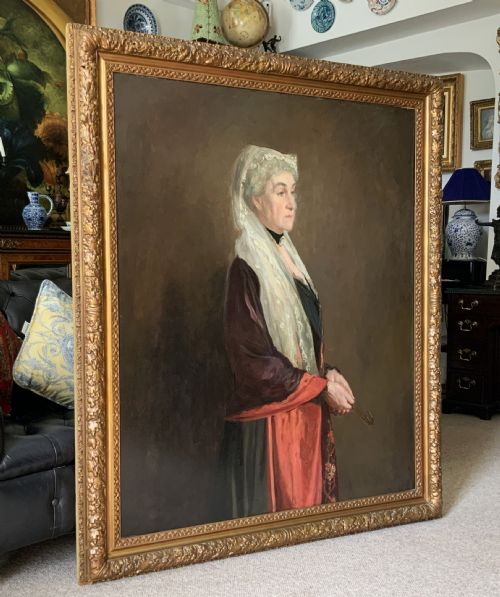
Later nineteenth-century interpretations also appear, demonstrating how the tradition of painting elite women evolved over three centuries.
How can I identify the subject?
Many listings include historical documentation, family names, or peerage titles recorded in the artwork's history. Subjects are frequently identified through old inscriptions on the canvas or panel reverse.
Heraldic devices, coats of arms, or specific family trees mentioned in the title often point directly to the historical identity of the sitter.
What clothing do the sitters wear?
Sitters typically wear the height of fashion for their specific decade, including silk gowns, velvet robes, and ermine-trimmed cloaks. Common accessories feature strands of pearls, jewelled bodices, and elaborate lace collars.
These garments served to signal the wealth, social rank, and aristocratic standing of the individual portrayed.
How should I care for an old oil painting?
Keep the artwork away from direct sunlight, heating vents, and rapid fluctuations in humidity to protect the canvas and wooden stretcher. Display the piece on a stable wall using appropriate hardware secured to wall studs.
Dust the surface and frame gently with a dry, soft, lint-free cloth, avoiding any liquid cleaners or chemical agents.