





Classic Oil Portrait Picture
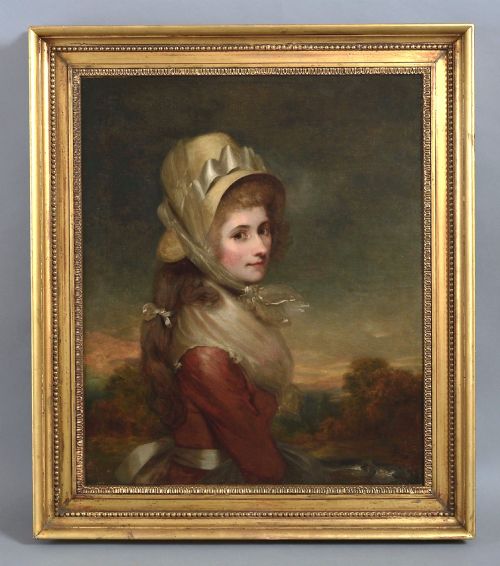
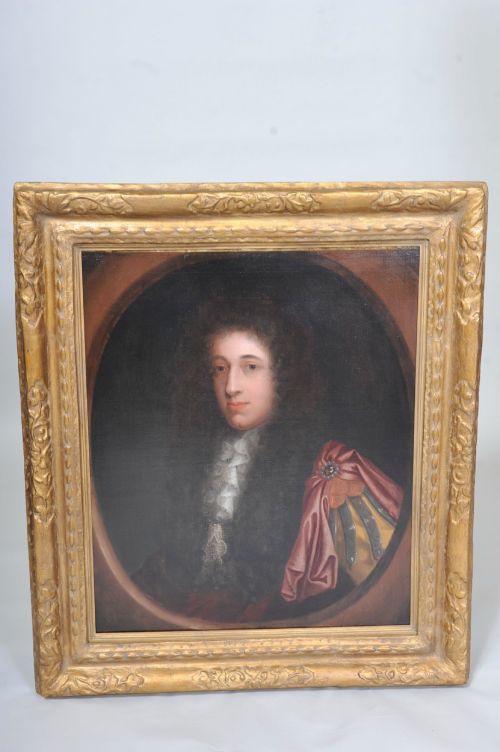
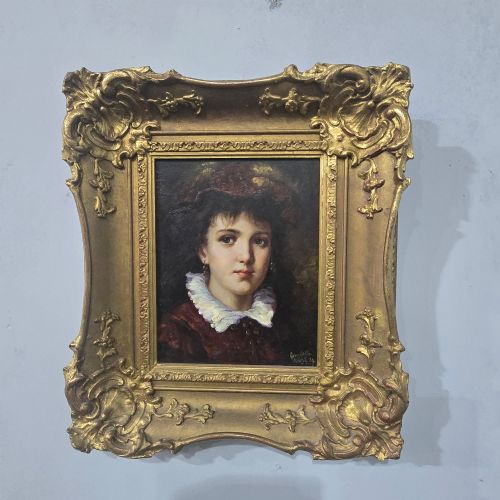
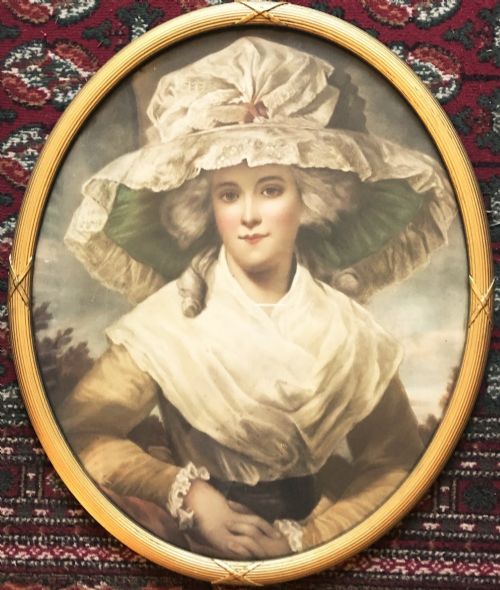
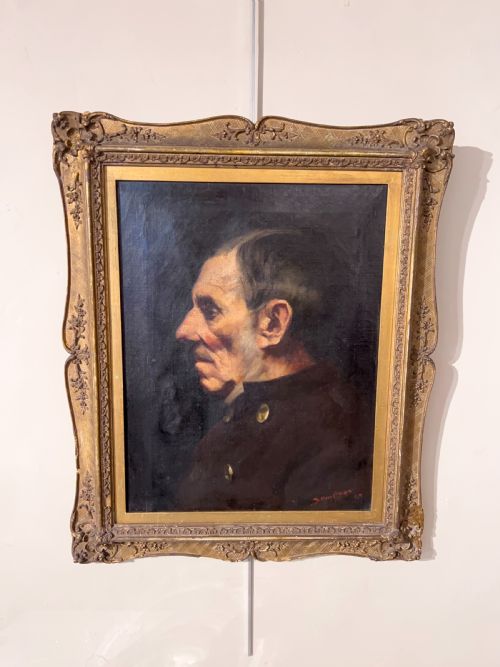
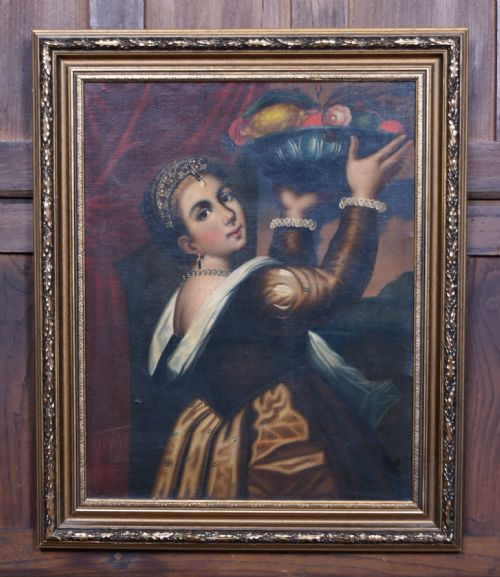
A classic oil portrait picture brings centuries of human presence into a room through oil on canvas and gilded wood frames.
Classic Oil Portrait Picture
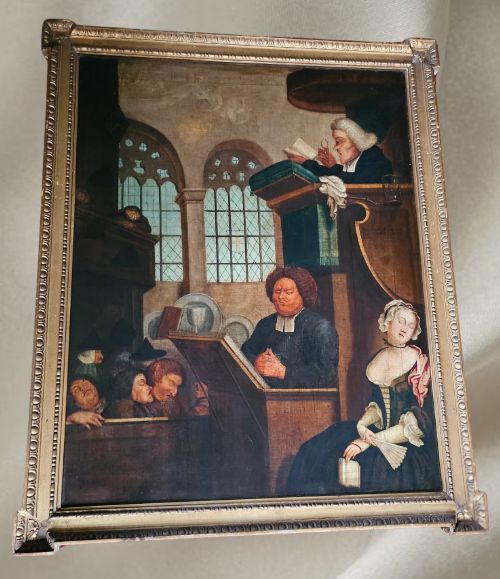
A classic oil portrait picture represents historical individuals, from 17th century gentlemen and ladies to 20th century subjects captured by named artists. These works appear in forms ranging from large oil paintings on canvas to smaller panel boards and framed works.
The selection on this page spans the 17th Century, 18th Century, Victorian period, and mid 20th Century. Buyers encounter both original historical paintings and later period interpretations after older masters.
Subject matter varies from formal aristocratic likenesses to genre scenes and sporting depictions. Each piece offers a direct window into past portraiture traditions and European schools of painting.
What varies in quality
The skill of the brushwork and the psychological depth of the subject separate finer works from standard decorative pieces. Master painters capture likeness and texture with precise command over light and shadow.
The preservation of the original paint surface and the authenticity of the period frame influence the standing of a portrait. Intact giltwood settings and minimal restoration enhance the historical integrity of the canvas.
Listings feature works from the 17th Century onwards, utilising oil on canvas, gilt wood, and gesso in styles from Baroque to Victorian fine art.
Sir Martin Archer Shee·Jonny Gaston·William Hogarth·Bertram Priestman·Attilio Toro·William Henry Knight·Christoffel Bisschop·John Gilroy·Elisabeth Vigee Le Brun
The Classic Oil Portrait Picture Glossary
- Oil on Canvas
- Pigment mixed with drying oil applied to a woven fabric support stretched over a wooden frame. This medium allowed artists to achieve rich colour depth and smooth tonal gradations.
- Giltwood
- Wood carved and coated with gold leaf or gold paint, commonly used for ornate picture frames. It provides a luminous border that complements the darker tones of historical oil paintings.
- Craquelure
- The fine network of minute cracks that develops across an aged oil paint film as it hardens over decades. Collectors view this as a natural indicator of age and material stability.
- Genre Realism
- A style of painting depicting scenes from everyday life with lifelike accuracy rather than idealized subjects. These works focus on ordinary people in domestic or social settings.
- Gesso
- A traditional paint mixture consisting of a binder mixed with chalk, gypsum, or pigment used as a smooth base for gilding on wood frames. It creates the crisp surface necessary for detailed carving.
Classic Oil Portrait Picture: Frequently Asked Questions
How do I date an old portrait?
Dating relies on examining the costume of the sitter, the hairstyle, and the construction methods of the canvas stretcher and frame. Stylistic clues within the brushwork also point to specific periods like the 17th or 19th Century.
Secondary evidence such as artist signatures, exhibition labels on the reverse, or historical records help confirm the precise era of creation.
Are these portraits original paintings?
Many listings feature original oil paintings executed directly by period artists, while others include period copies or print reproductions after famous masterworks. Reading the individual title carefully clarifies whether a piece is an original canvas or an interpretation.
Original works bear the distinct texture of brushstrokes and layered pigment unique to hand-painted art.
How should I hang an oil portrait?
Hang oil portraits away from direct sunlight and damp environments to protect the canvas and the delicate gold leaf on the frame. Secure wall fixings matched to the substantial weight of gilded wood frames are essential for safety.
Positioning the painting at eye level allows viewers to appreciate the fine details of the subject's expression and attire.
What does after an artist mean?
The term indicates that the painting is a later period copy or reproduction created in the style of a well-known historical artist. These pieces offer an accessible way to enjoy the composition of famous works housed in major museums.
Such paintings often date to the 19th Century when artists frequently copied masterworks for study or decorative display.