


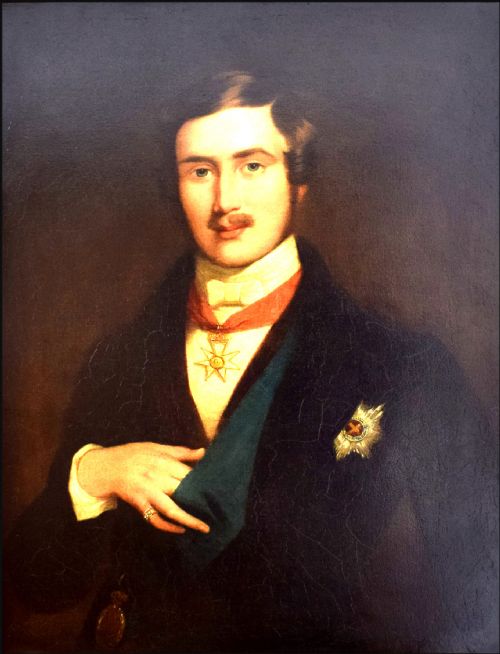
Victorian Family Oil Painting
A victorian family oil painting captures domestic life and lineage on canvas, offering buyers a genuine window into nineteenth-century households.
Victorian Family Oil Painting
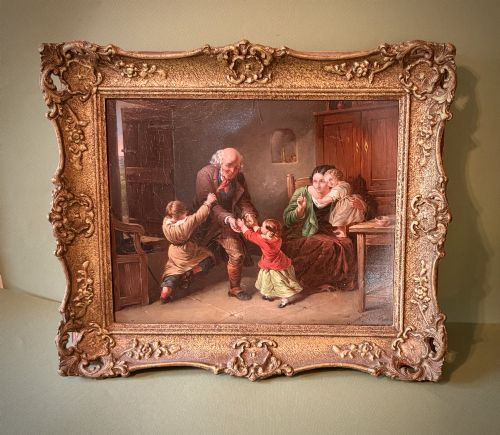
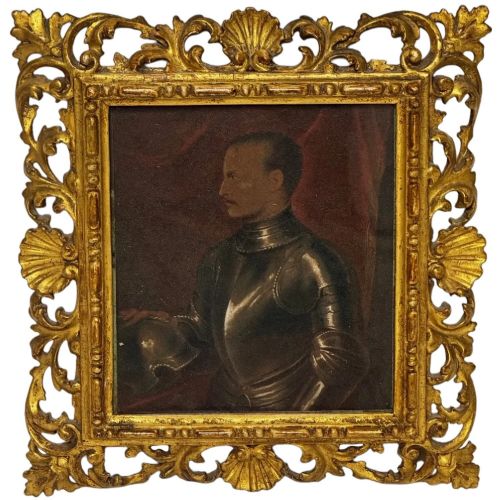
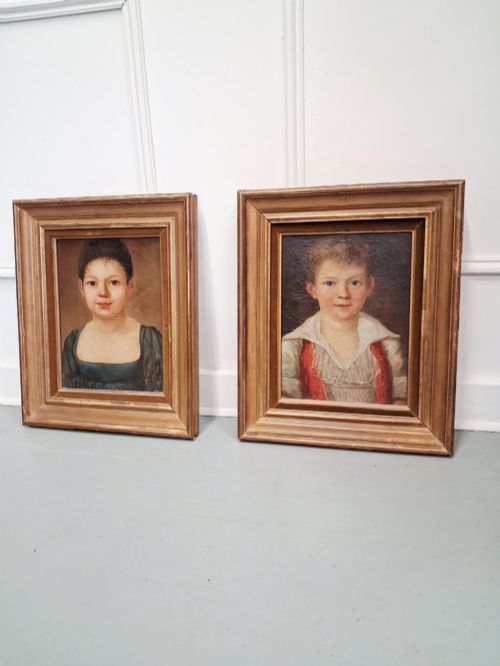
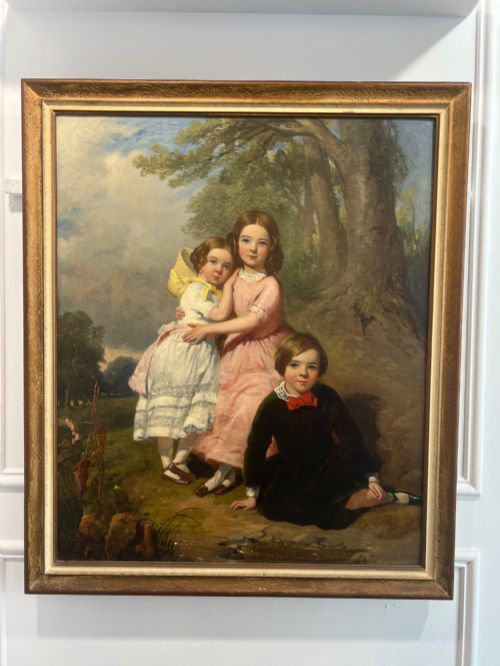
A victorian family oil painting presents group portraits, genre scenes of mothers and children, and intimate domestic interiors that reflect nineteenth-century social values. The pieces gathered here range from formal aristocratic commissions and artist-exhibited works to folk art portraits and later copies after earlier masters.
Buyers encounter various formats spanning the nineteenth century, including works dated to specific decades like eighteen-fifty and eighteen-eighty, alongside framed canvases, panels, and works on glass. These paintings often depict generational bonds, family visits, musical evenings, and cottage door gatherings.
Materials and construction
These works rely on oil paint applied to woven canvas, wooden panels, or glass substrates, utilising traditional nineteenth-century studio methods. Pigments are layered to build depth in clothing, flesh tones, and interior backgrounds.
The documented periods span from the early nineteenth century through to the Victorian era and later twentieth-century copies.
Assessing visual execution
Quality rests in the anatomical accuracy of the figures, the psychological engagement of the subjects, and the handling of light and fabric texture by the painter. Finer works demonstrate confident brushwork in facial expressions and drapery, whereas simpler folk art examples rely on charming stylisation.
The preservation of the original paint surface and the condition of the accompanying gilt wood or gesso frame influence the overall integrity of the piece. Works exhibited at institutional venues or linked to documented artists typically represent the higher tier of production.
George Smith·William Henry Knight·William Egley·Franz Xaver Winterhalter·John F. Pasmore·Sir William Charles Ross
The Victorian Family Oil Painting Glossary
- Genre painting
- A depiction of everyday subjects and domestic scenes rather than formal historical or religious narratives. These compositions focus on ordinary people engaged in daily activities.
- Oil on canvas
- A traditional painting medium where oil-based pigments are applied to a stretched fabric support. It allows for rich colour blending and gradual drying times.
- Giltwood
- Wood carved and coated with gold leaf or a metallic substitute. It provides an ornate, reflective border for nineteenth-century portraits.
- Panel
- A rigid wooden support used by painters instead of stretched canvas. Panels offer a stable surface that frequently survives in solid condition.
- Gesso
- A paint mixture consisting of a neutral binder mixed with chalk, gypsum, or pigment. It serves as a smooth base for gilding on picture frames.
Victorian Family Oil Painting: Frequently Asked Questions
What defines a victorian family oil painting?
These artworks depict domestic groupings, parents with children, and household gatherings created during the nineteenth century using oil paints.
They capture the social ideals and interpersonal dynamics of the era through staged studio portraits or narrative genre scenes.
How were these paintings displayed originally?
Middle and upper-class households hung these portraits in parlours, drawing rooms, and hallways to signal lineage, status, and familial harmony.
Original gilt frames were selected to project light into domestic interiors and complement interior decor.
How should I care for an oil painting on canvas?
Keep the canvas away from direct sunlight, damp environments, and sudden temperature fluctuations that cause wood and canvas to warp or crack.
Dust the surface gently with a soft, dry brush and avoid liquid cleaners on both the paint and the antique frame.
How can I tell the date of a portrait?
Clothing styles, hairstyles, and framing techniques provide primary clues for dating nineteenth-century oil paintings.
Inscribed dates on the reverse, artist signatures, or stretcher construction details help narrow the timeline further.