



Female Portrait Wall Art
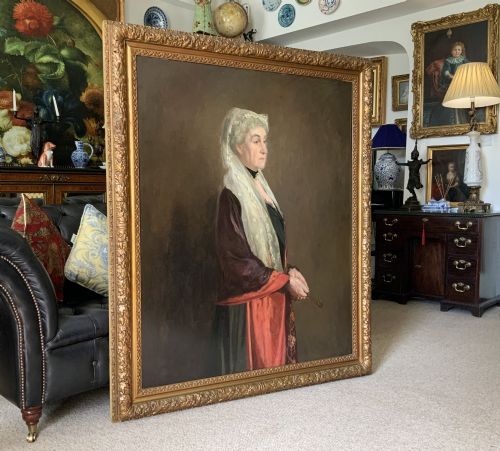
When choosing female portrait wall art, collectors secure historical painted likenesses of women that transform a domestic room with immediate character and depth.
Female Portrait Wall Art
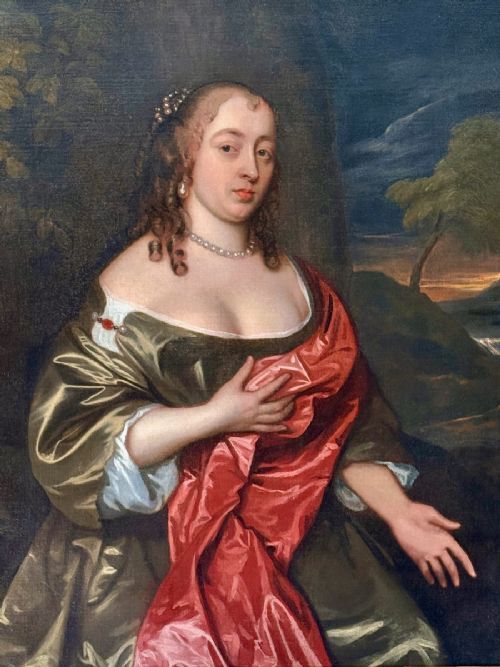
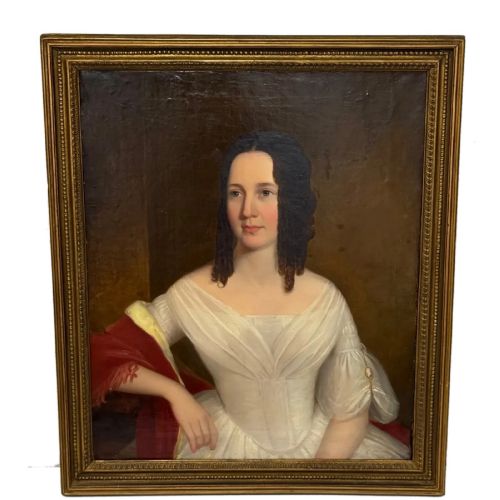
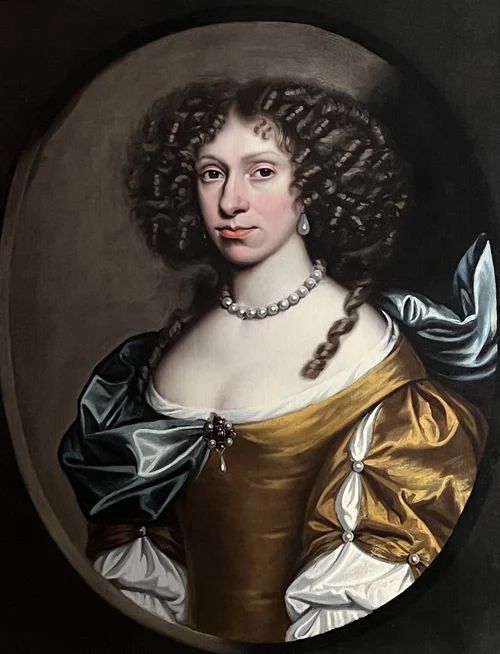
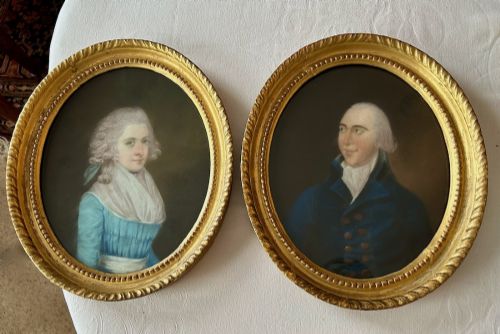
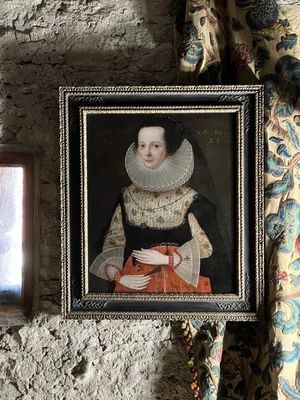
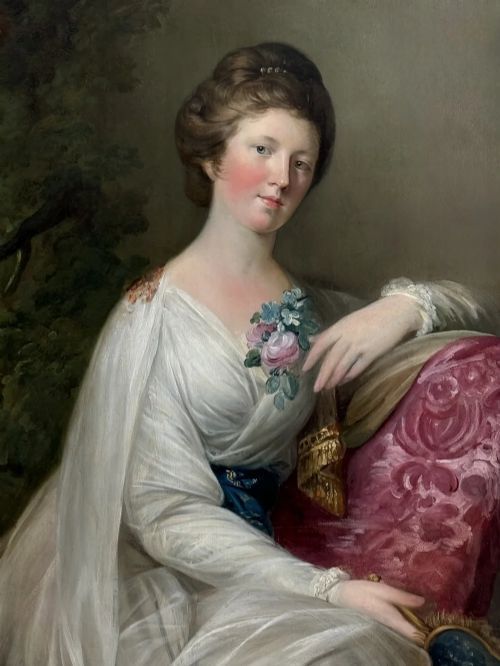
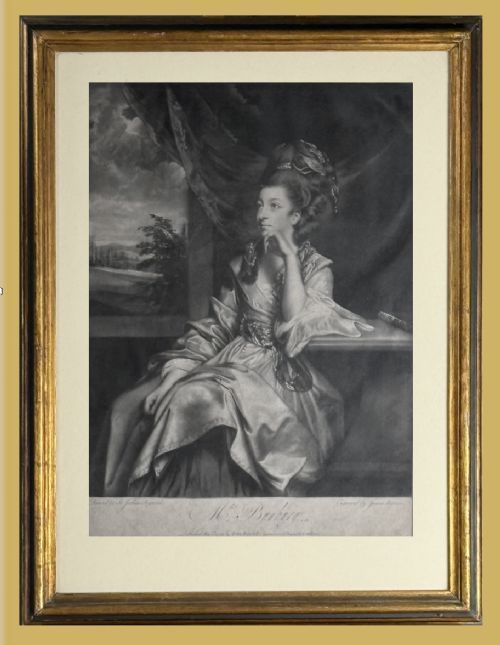
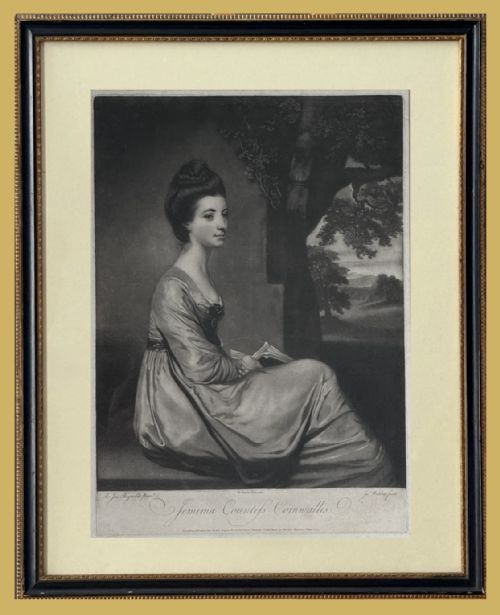
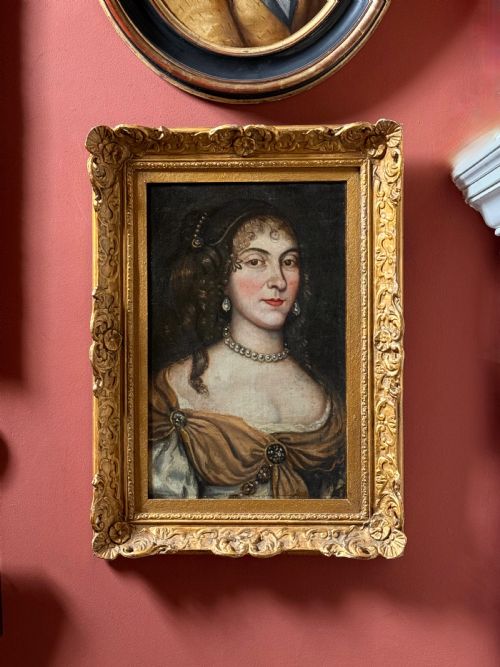
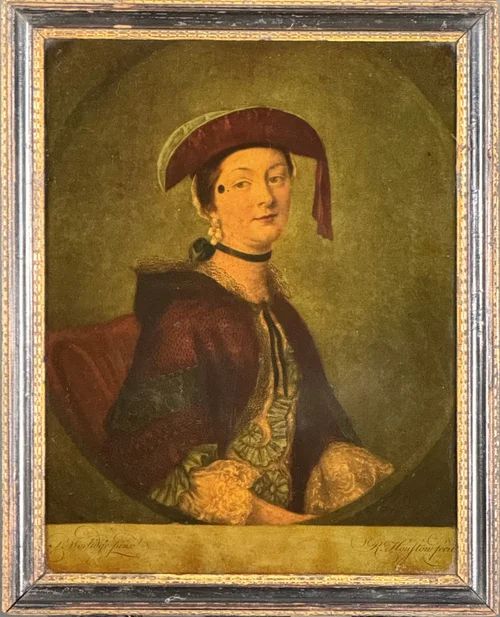
Female portrait wall art comprises historical painted and printed likenesses of women, ranging from grand seventeenth-century noblewomen to twentieth-century fashionable ladies.
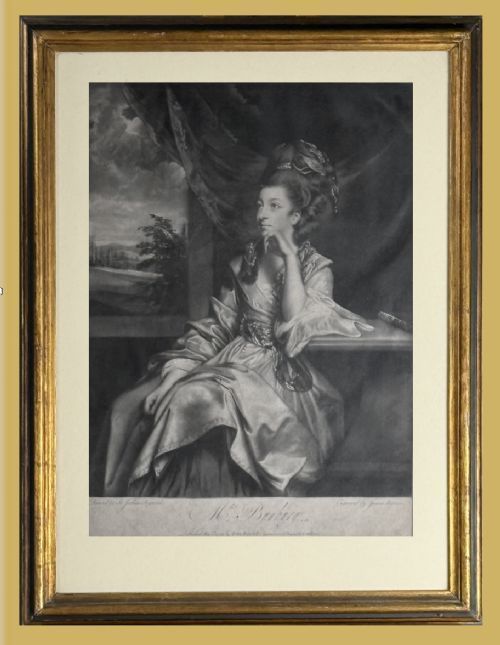
The selections available on this page include oil paintings on canvas, pastel works on paper, and printed mezzotints after master painters.
Buyers will encounter formal aristocratic depictions alongside intimate nineteenth-century studies and mid-century interpretations of feminine beauty.
What varies in quality
Preservation of the original surface, including the stability of the oil paint and the integrity of the canvas, dictates the overall standard of a piece.
The historical significance of the sitter and the documented attribution to a recognised painter elevate the standing of an individual artwork.
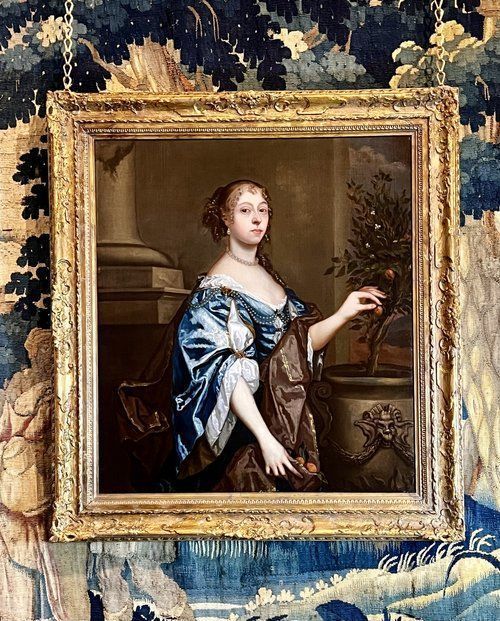
Several noblewomen gaze across the centuries while posing alongside their beloved pet dogs or baskets of freshly picked fruit.
John Hayls·James Watson·Sir Joshua Reynolds·George Willison·John Opie
The Female Portrait Wall Art Glossary
- Mezzotint
- A printmaking process where the copper plate is roughened uniformly to allow for rich dark tones and subtle gradations of light. This technique was widely used in the eighteenth century to reproduce famous oil paintings.
- Giltwood
- Wood that has been coated with a thin layer of gold leaf or gold powder. It provides a bright, reflective border for historical frames.
- Pastel
- A dry medium consisting of powdered pigment and a binder, shaped into sticks. Artists apply it to paper to create portraits with soft textures.
- Canvas
- Heavy woven fabric stretched across a wooden stretcher to serve as a sturdy surface for oil painting. It remains the primary support for classical portraits.
- Baroque
- An artistic style characterised by drama, rich detail, and deep shadow. It heavily influences seventeenth-century portraiture.
Female Portrait Wall Art: Frequently Asked Questions
How do I date an oil portrait?
Dating relies primarily on the style of the sitter's costume, hair styling, and any visible inscriptions on the canvas or stretcher. Examining the preparation of the canvas and the construction of the frame provides further chronological clues.
Comparison with documented works by known painters or contemporary schools helps narrow the decade of creation. Expert analysis of the pigment composition can confirm the historical period.
Where should I hang a large portrait?
Large historical portraits require a wall with sufficient structural support and appropriate scale to command the room without overwhelming the space. Placing them above a fireplace or along a primary hallway allows the piece to act as a natural focal point.
Avoid positioning delicate oil paintings in areas exposed to direct sunlight or fluctuating humidity. Stable indoor environments preserve both the canvas and the giltwood frame.
What is the difference between an oil and a mezzotint?
An oil painting is a unique artwork created by applying pigmented oils directly onto canvas or board by an artist's hand. Each brushstroke is singular and contributes to the physical texture of the surface.
A mezzotint is an engraved print pulled from a prepared copper plate, allowing multiple impressions of a single portrait to be circulated. While prints reproduce famous compositions, original oils remain one-of-a-kind creations.
How do I care for antique canvas art?
Maintenance involves keeping the surface free of dust using a very soft, dry brush and avoiding any liquid cleaners or chemical solvents. Maintaining stable temperature and humidity levels prevents the canvas from sagging or the oil paint from cracking.
Professional conservators should handle structural repairs, cleaning, or varnishing. Regular inspection of the rear of the canvas ensures the wooden stretcher remains secure.