

Classical Oil Wall Painting
When you seek a classical oil wall painting, you acquire centuries of figurative tradition translated through rich pigments and canvas.
Classical Oil Wall Painting
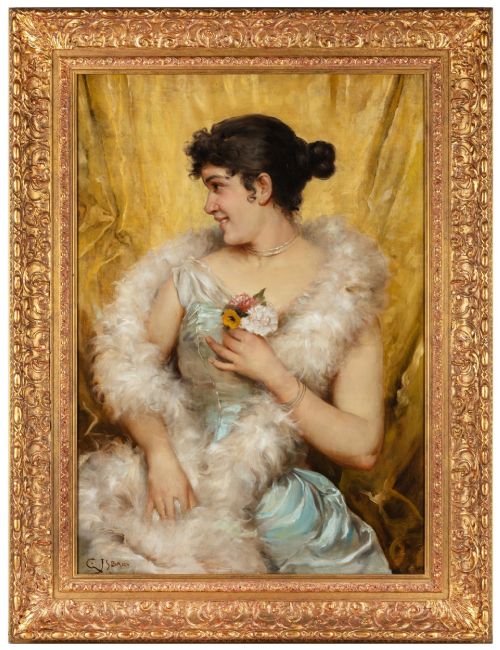
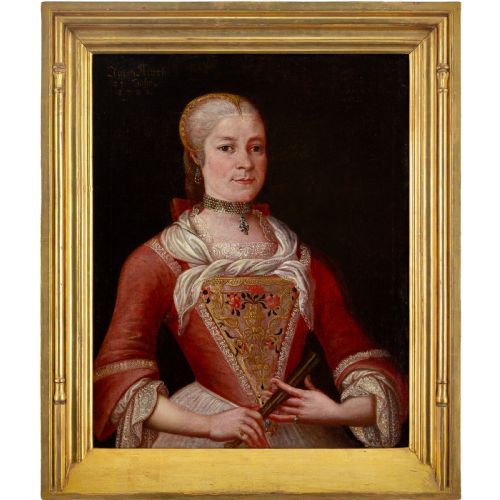
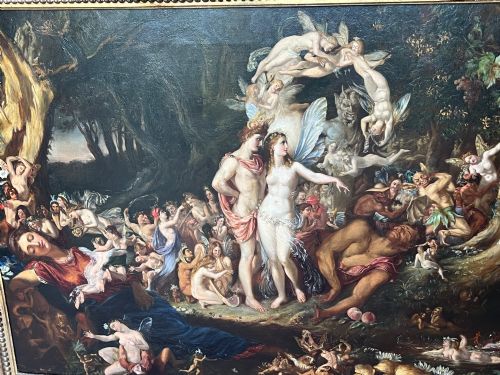
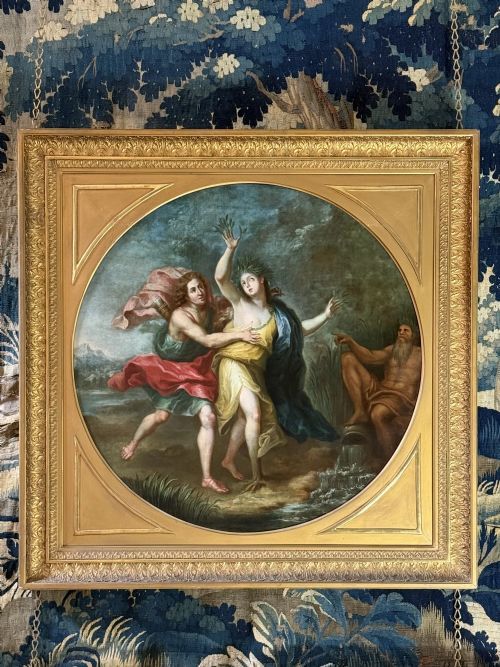
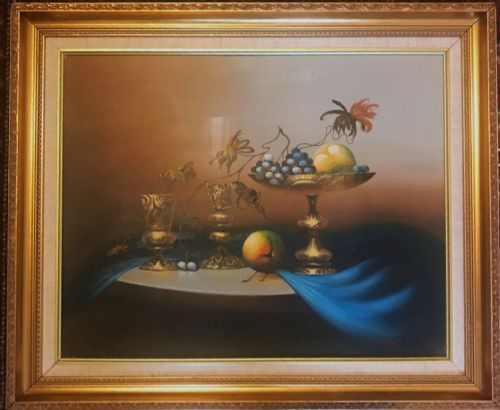
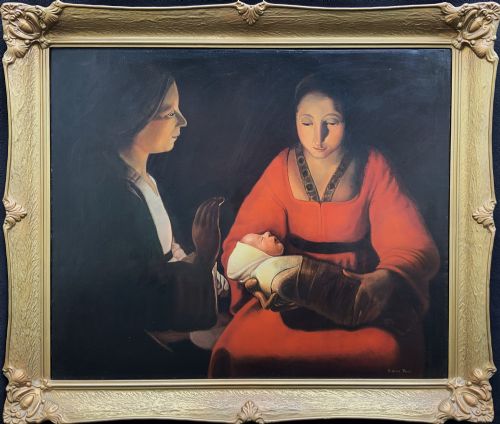
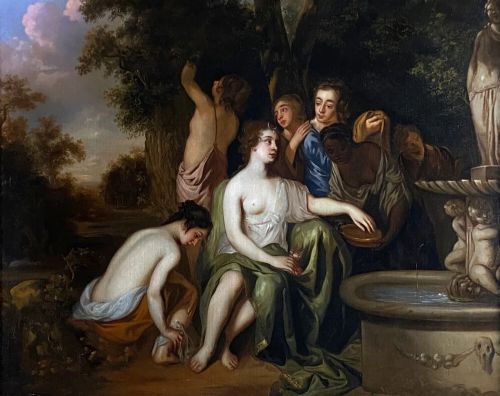
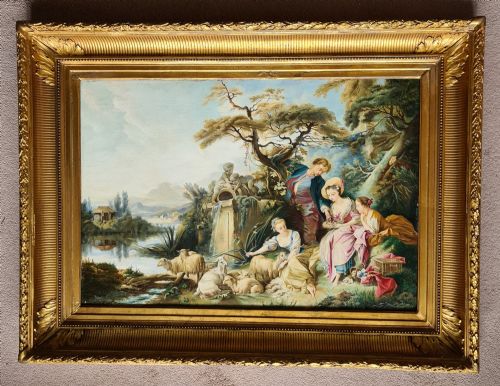
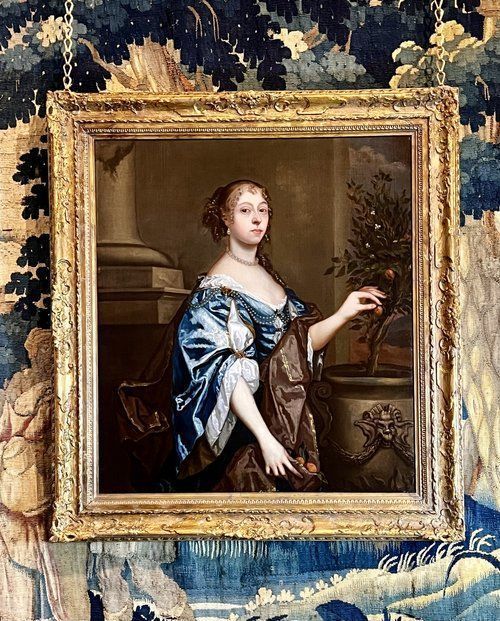
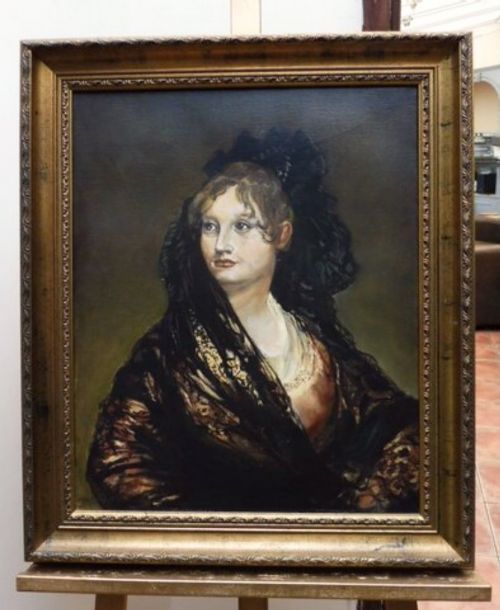
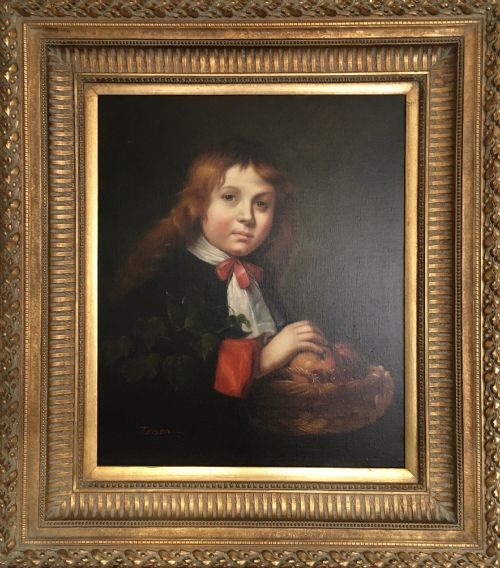
A classical oil wall painting represents historical portraiture, mythology, and floral still lifes derived from centuries past. Buyers encounter both original period works and later interpretations created across the nineteenth and twentieth centuries.
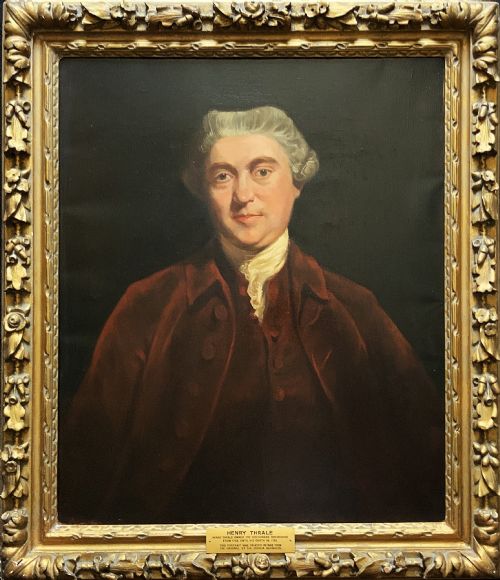
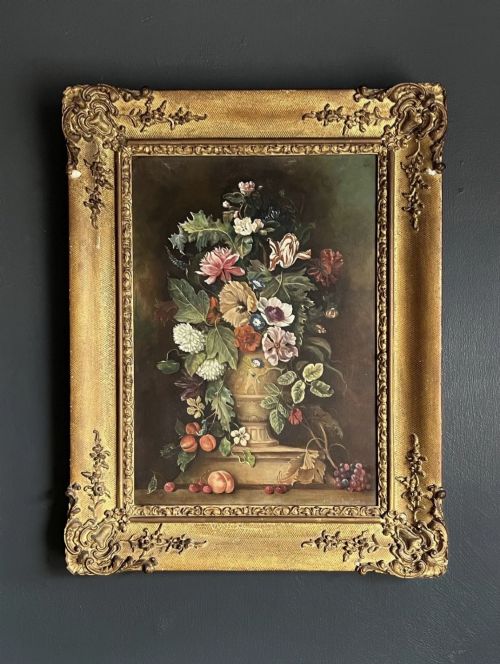
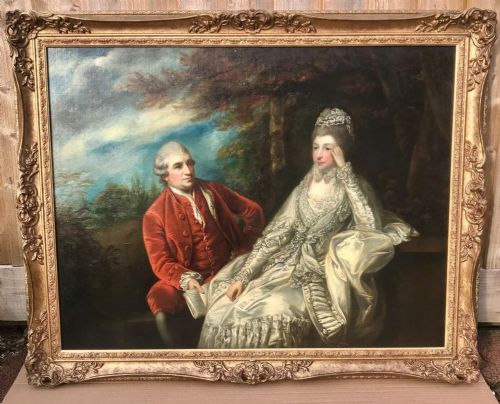
The selections span grand mythological scenes, Dutch-style floral arrangements, and formal portraits set within heavy wooden surrounds. These artworks function as substantial wall art designed to anchor period interiors.
Origins stretch from seventeenth-century Dutch and Italian workshops through to later British and European revivals. The prevalent formats are framed oils on canvas or panel, capturing subjects ranging from classical deities to aristocratic sitters.
How they were made
Makers built these works using oil paint applied to woven canvas stretched over wooden frames, or directly onto prepared wooden panels. Layers of pigment built up deep tones and subtle luminosity characteristic of traditional schools.
Surrounds play an integral role, frequently utilising carved giltwood and gesso frames enriched with gold leaf. These ornate housings complement the classical subjects and protect the edges of the canvas.
Listings feature works spanning from the seventeenth century through to the 1960s, employing oil paint on canvas and wood panels.
What varies in quality
The distinction between standard decorative copies and superior works lies in the brushwork handling and anatomical precision. Master painters achieved depth in drapery and lifelike flesh tones that lesser hands missed.
Frame craftsmanship also dictates overall merit, distinguishing moulded composition ornaments from deeply hand-carved giltwood. Preservation of the original canvas and surface varnish layers completes the hierarchy.
Charles-Antoine Coypel·Pieter Borsseler·John Opie RA·Gaspar Peeter Verbruggen
The Classical Oil Wall Painting Glossary
- Giltwood
- Wood carved and coated with gold leaf or metallic powder. This finish provides a bright, reflective border tailored to formal oil paintings.
- Gesso
- A plaster-like mixture applied to wood or canvas as a base for painting or gilding. It creates a smooth, durable surface for intricate decorative moulding.
- Oil on panel
- A technique where artists paint directly onto a prepared wooden support rather than fabric canvas. Panels offer a rigid ground favoured in early European schools.
- Neoclassical
- An artistic movement reviving the styles of classical antiquity, particularly Greek and Roman motifs. Works in this style emphasise linear precision and dignified restraint.
- Provenance
- The documented history of ownership associated with an artwork. Clear records help establish authenticity and track the passage of a painting through time.
Classical Oil Wall Painting: Frequently Asked Questions
How do I hang a heavy oil painting?
Secure heavy giltwood framed canvases directly into wall studs using rated picture wire and robust wall hooks. Ensure the weight is evenly distributed across the structural supports.
Avoid hanging large oils in areas prone to dampness or direct sunlight to protect both the canvas and the historical frame.
Are these paintings original period pieces?
The inventory includes both authentic historical works from the seventeenth and eighteenth centuries alongside later nineteenth and twentieth-century interpretations.
Inspect the canvas weave, stretcher bars, and framing construction to understand the age and origin of each specific artwork.
What is a Dutch floral still life?
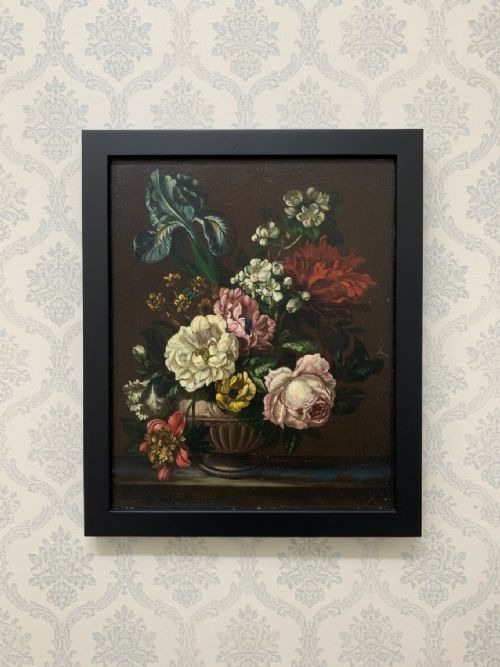
These compositions depict elaborate arrangements of seasonal flowers, often accompanied by fruit or insects, rendered with high realism. They reflect botanical interest and symbolic themes of mortality.
Artists utilised dark backgrounds to make the vibrant colours of the blooms stand out within their ornate frames.