
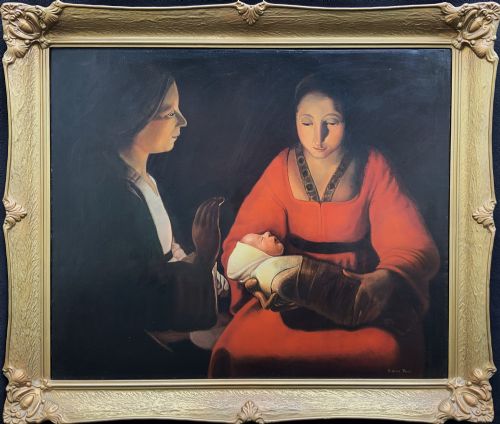
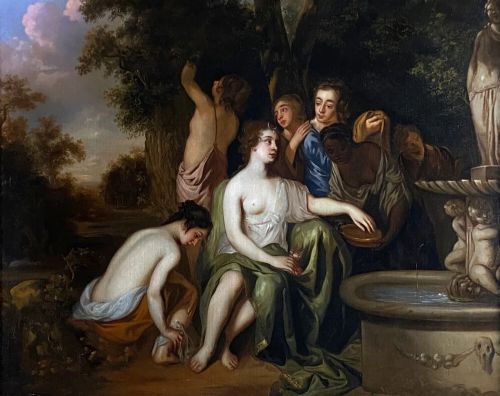
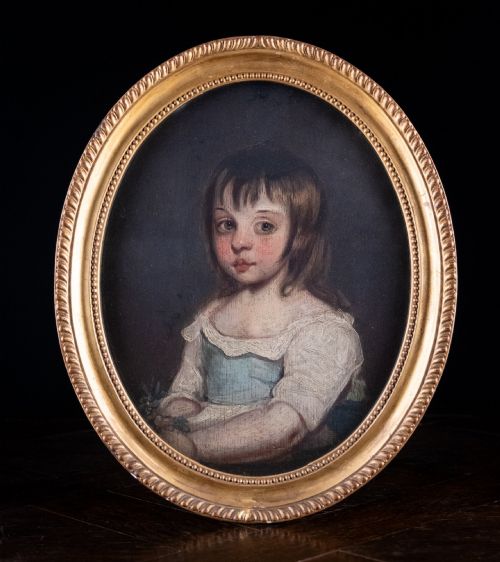
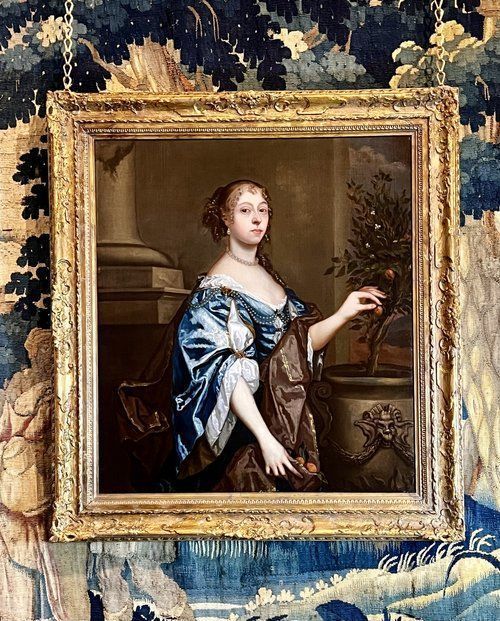
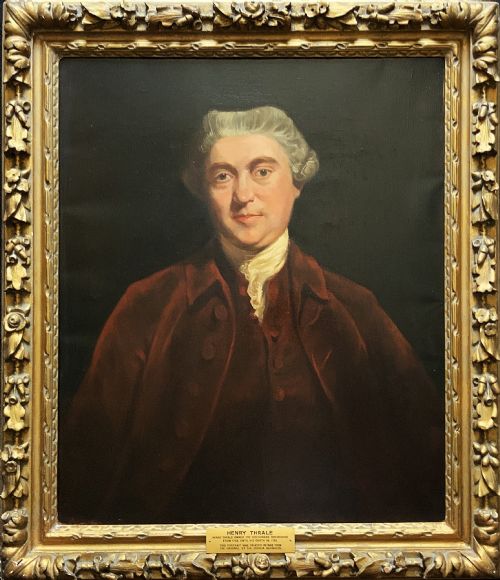
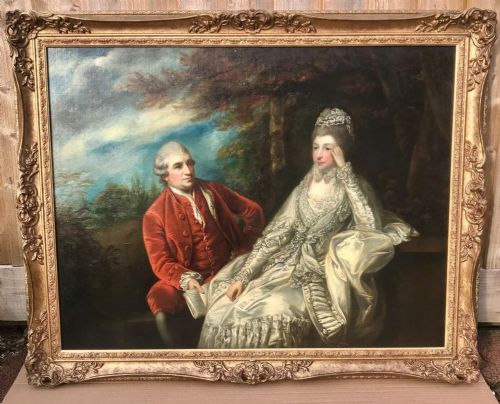
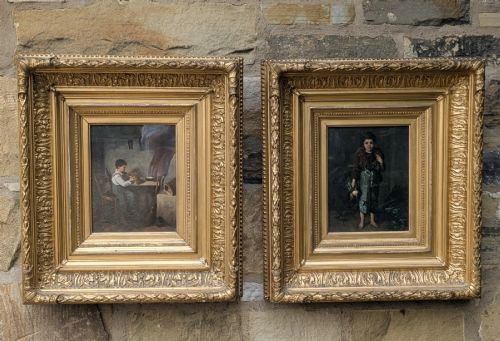
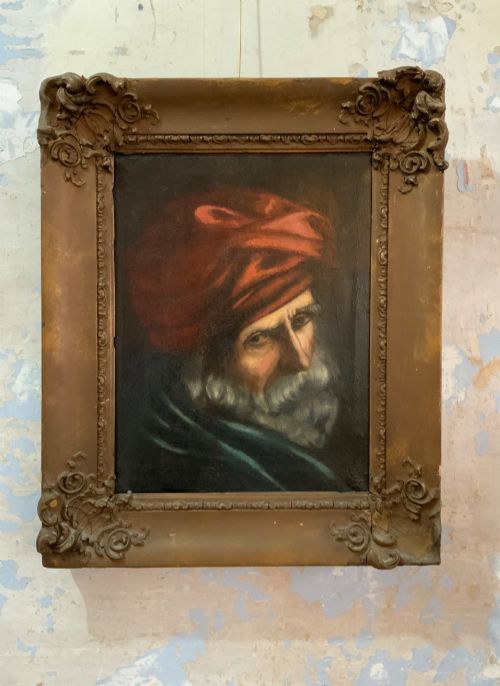
Classical Oil Portrait Artwork
These classical oil portrait artwork pieces bring centuries of traditional European painting into a room, offering rich historical character and depth.
Classical Oil Portrait Artwork
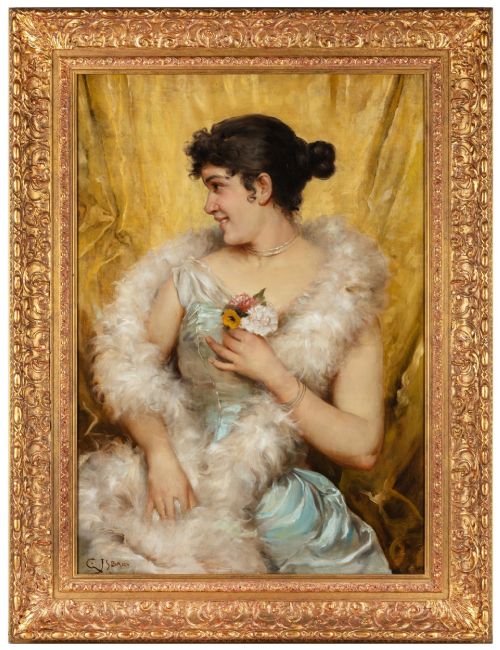
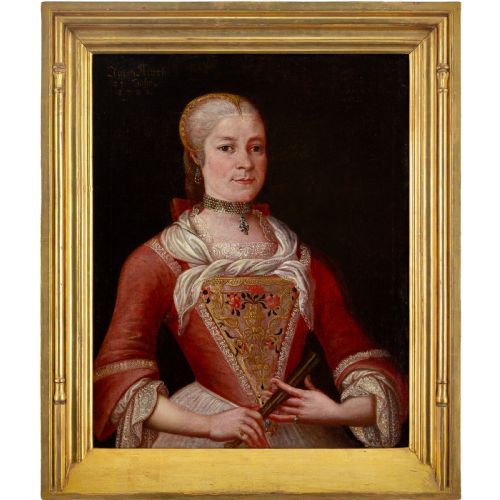
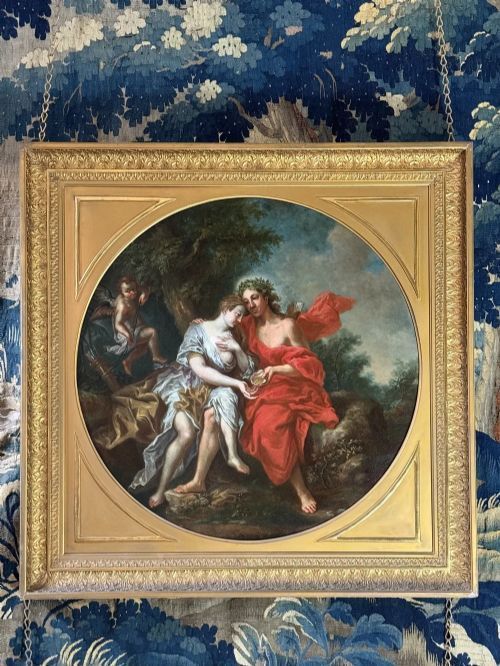
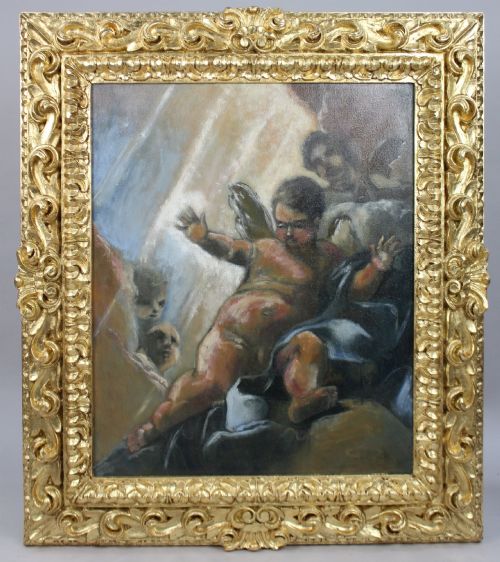
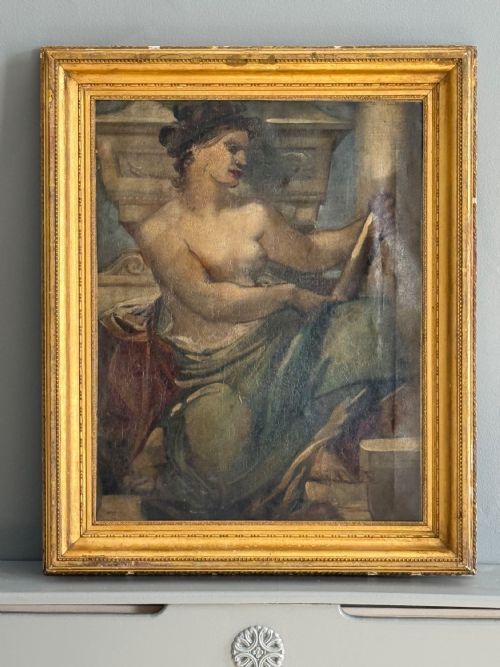
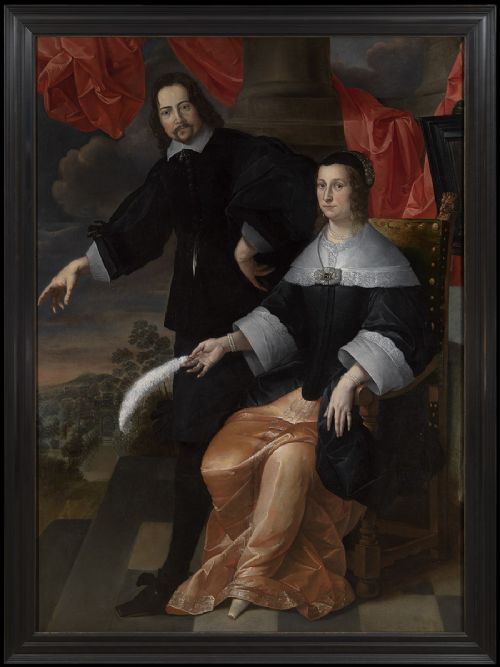
Classical oil portrait artwork spans multiple centuries, reaching from sixteenth-century religious and mythological depictions to nineteenth-century British and continental studies. A buyer searching this phrase encounters works ranging from intimate cabinet pieces to large framed canvases depicting ladies, gentlemen, children, and mythological figures.
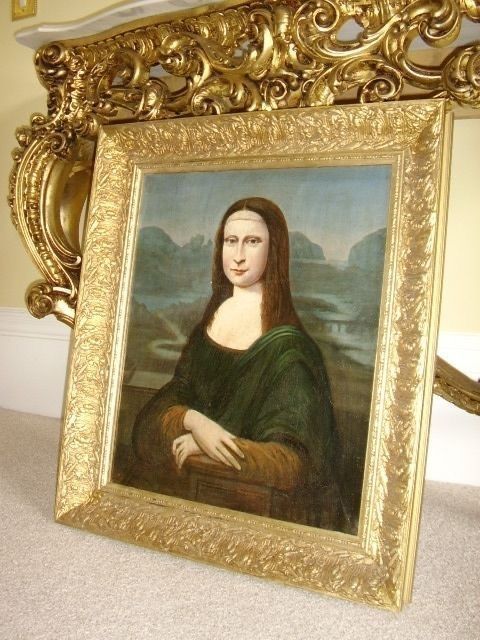
The selections on this page heavily feature eighteenth-century and nineteenth-century examples alongside seventeenth-century Dutch and Italian school pieces. Many are after notable masters, including Raphael, Leonardo da Vinci, and Sir Joshua Reynolds, executed by later hands or studio circles.
Subjects vary from individual sitters such as country girls, Persian gentlemen, and Venetian women to historical and mythological scenes like the bath of Diana or the Cumaean Sibyls. These works provide a direct link to historic academic traditions and portraiture conventions.
Materials and Construction
The works rely primarily on oil paint applied to canvas or wood panels, utilising the rich blending capabilities of oil medium to achieve depth of tone and shadow. Canvas supports range from standard stretched linen to heavy historic weaves.
Several portraits on display preserve the likenesses of seventeenth-century fruit pickers and Persian gentlemen alongside classical deities.
Assessing Quality and Execution
Quality in these portraits lies in the handling of light, shadow, and facial expression, distinguishing sensitive life studies from formulaic copies. The rendering of textiles, hands, and skin tones reveals the technical skill of the painter.
The integrity of the canvas and the preservation of the original pigment layer determine the overall standard of a piece. Original carved giltwood frames that match the age of the painting also add significantly to the integrity of the object.
G. J. S. Bary·Jozsef Molnar·Georges de La Tour·Sir Peter Lely·Pieter Borsseler·Sir Joshua Reynolds·Charles-Antoine Coypel·Robert Byng·Bernardino Luini·John Opie·Guillaume Courtois·William Jones of Bath·Renato Moretti·Philippus Vilain·Jean-Baptiste van Loo·Theodore Jensen·John A. Monteith·Paolo Veronese·John Ferneley Senior·David Teniers·André Charles Voillemot·John Watkins Chapman·Allan Douglas Davidson
The Classical Oil Portrait Artwork Glossary
- Oil on Canvas
- A traditional painting technique where oil-based pigments are applied to a stretched cloth support. This combination allows for smooth blending and lasting vibrancy.
- Giltwood
- Wood that has been coated with gold leaf or gold paint for decorative effect. It is commonly found on ornate antique frames housing classical paintings.
- Circle of
- A term used in art history to describe a work produced by an unknown artist working closely with a known master, sharing their style and technique.
- Baroque
- An artistic style originating in the seventeenth century characterised by dramatic movement, deep shadow, and rich emotional intensity.
- Renaissance Revival
- A nineteenth-century aesthetic movement that drew inspiration from the forms, techniques, and subjects of fifteenth and sixteenth-century art.
Classical Oil Portrait Artwork: Frequently Asked Questions
What is classical oil portrait artwork?
Classical oil portrait artwork comprises painted representations of people and mythological figures created using oil paints on canvas or wood, following historic European artistic traditions.
These pieces range from original seventeenth-century commissions to later nineteenth-century interpretations and copies of Renaissance masters.
How do I date an old oil painting?
Dating involves examining the weave of the canvas, the composition of the wood panel, and the specific chemical makeup of the pigments used. Stylistic clues in the sitter's clothing, hair, and the framing technique also provide reliable chronological markers.
Many historic works carry inscriptions, artist signatures, or archival labels on the reverse of the stretcher or frame that help narrow down the period.
Where should I hang a large oil portrait?
These works suit principal reception rooms, hallways, or libraries where traditional furniture and neutral wall colours can support their historic presence. They command attention above mantels or along staircases.
Placement should avoid direct, harsh sunlight and damp environments to protect the fragile oil pigments and canvas substrate over time.
What does after a master mean?
When a painting is described as being after a known artist, it indicates that the work is a later interpretation or copy of a famous original composition. These pieces were often created as study exercises or to meet historic demand for specific imagery.
Such works still reflect the high technical standards of their own period of execution while referencing earlier cultural milestones.