



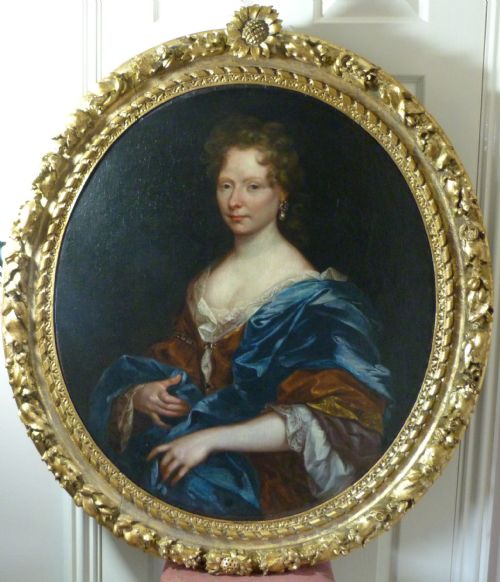
Seventeenth Century Style Portrait
A seventeenth century style portrait brings the heavy drama and rich fabrics of the Baroque era straight into a modern room.
Seventeenth Century Style Portrait
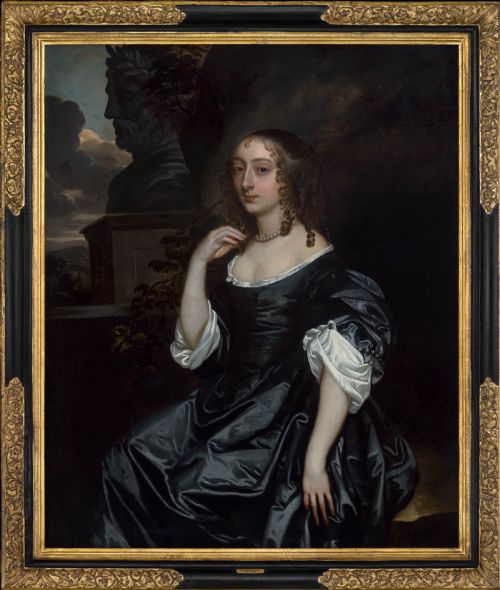
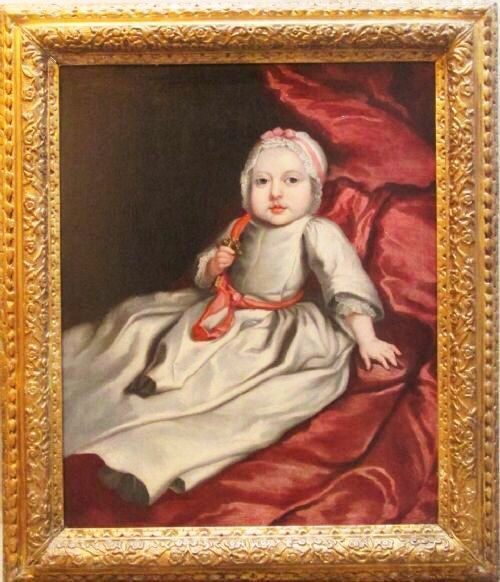
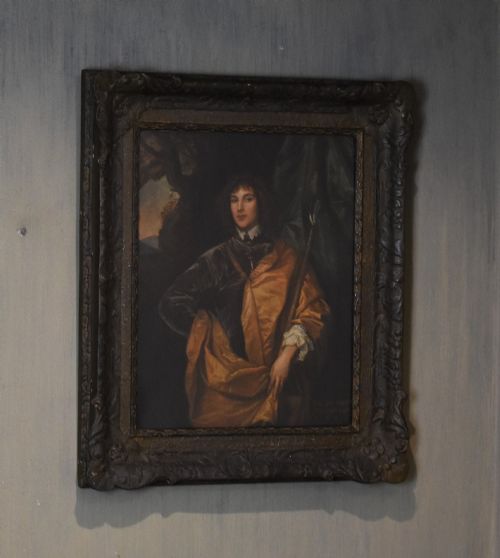
A seventeenth century style portrait captures the imposing presence and refined dress of the Baroque era, typically depicting nobility or historical figures in oil on canvas. When you search for a seventeenth century style portrait, you encounter both genuine works from the seventeenth and eighteenth centuries and later interpretations from nineteen hundred and nineteen twenty.
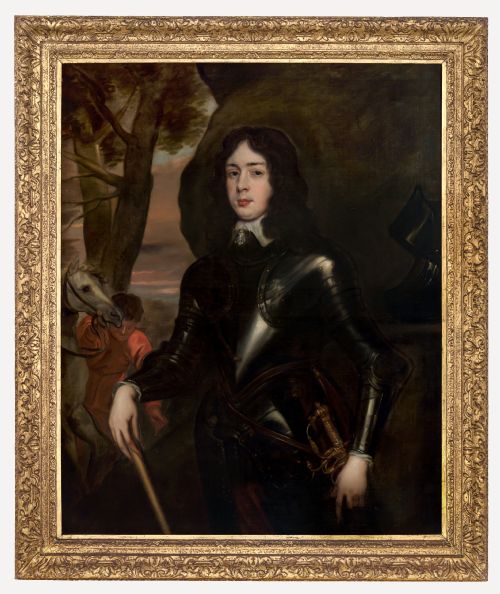
The subjects range from royal figures and military officers in armour to aristocratic ladies and genre figures. Many works follow notable masters such as Sir Anthony van Dyck, Rembrandt, and Peter Paul Rubens, offering traditional Flemish and Dutch Golden Age aesthetics.
Framing plays a defining role in how these pieces appear, with heavy giltwood frames frequently housing the canvas. Whether handling an eighteenth-century copy after Daniel Mytens or a later twentieth-century fine print, the focus remains firmly on intense character study and dramatic lighting.
Materials and construction
The foundation of these works relies on traditional supports of canvas and linen stretched over wooden frames. Artists applied oil paints to build up deep, moody shadows and luminous highlights characteristic of the Baroque period.
Giltwood and gold leaf feature prominently in the framing of these oil paintings, providing a reflective border that enhances the dark, rich palette of the artwork within. Later reproductions incorporate similar framing techniques to mirror the authentic seventeenth-century appearance.
Seventeenth Century Style Portrait Retail Price Guide 2026
Typical asking prices for seventeenth century style portrait among the pieces listed under this phrase on Sellingantiques today, from the lower quarter to the upper quarter. They describe what is for sale here now, not the wider market.
Materials appearing across the inventory include oil, canvas, linen, wood, and giltwood.
Assessing quality and execution
The fidelity of the brushwork and the depth of the oil on canvas dictate the visual success of the piece. Works originating closer to the seventeenth century display a confident handling of fabric textures and facial expression that later student copies sometimes lack.
The quality of the giltwood frame also contributes significantly to the overall piece, as period-appropriate or hand-gilded surrounds elevate the presence of the artwork. The depth of historical connection, whether painted by a follower of a known master or reproduced in nineteen hundred, defines the standing of the work.
Sir Anthony van Dyck·Peter Paul Rubens·Daniel Mytens·Adriaen Hanneman
The Seventeenth Century Style Portrait Glossary
- Baroque
- A European artistic style originating in the early seventeenth century characterised by dramatic movement and grand, ornate detail. It valued deep shadows and emotional intensity over quiet restraint.
- Giltwood
- Wood that has been covered with a thin layer of gold leaf or powder. This finish was standard for luxury frames throughout the seventeenth century.
- Oil on canvas
- A painting medium where pigments are suspended in a drying oil, applied to a woven fabric support. This combination allowed artists to achieve rich tones and smooth blending.
- Flemish Baroque
- A regional artistic movement associated with Flanders during the seventeenth century. It combined Italian artistic ideals with northern realism and vibrant colour.
- Fine print
- A graphic reproduction produced on paper rather than painted by hand. These prints often captured famous seventeenth-century compositions for later collectors.
Seventeenth Century Style Portrait: Frequently Asked Questions
Are these portraits actually from the seventeenth century?
The selection includes genuine works from the seventeenth century alongside eighteenth-century interpretations and twentieth-century prints. Each listing specifies the period to clarify its exact age.
Examining the canvas support and the style of the giltwood frame helps distinguish the period originals from later interpretations.
How should I hang a heavy giltwood frame?
These pieces require secure wall fixings into solid brick or timber studs due to the substantial weight of the wood and oil paint. Professional picture hanging hardware ensures the frame stays safely supported.
Position the centre of the canvas at eye level to replicate the traditional gallery display common in historic houses.
What is the difference between a follower and an original?
A follower painted in the manner of a master such as van Dyck or Rembrandt, often working in a studio during or shortly after the master's lifetime. These works share the same aesthetic vocabulary and technique without being primary works by the master's own hand.
Both categories hold significant historical interest for collectors of seventeenth-century style art.
How do I care for an oil painting on canvas?
Keep the canvas away from direct sunlight and steady the room humidity to prevent the linen support from slackening. Dust the surface and the giltwood frame gently with a soft, dry brush.
Avoid using water or liquid cleaners on the paint surface to protect the delicate oil layers.