
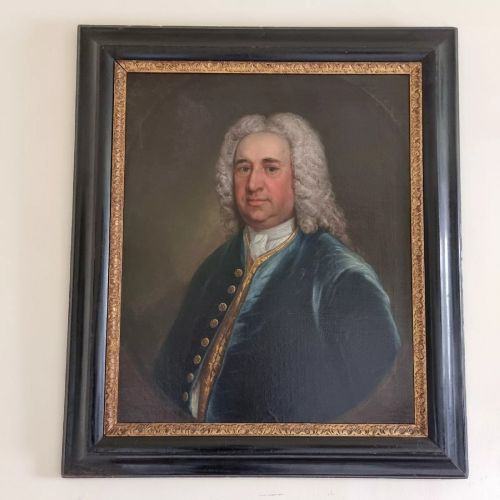


Ancestor Oil Painting
An ancestor oil painting brings family presence into a room, offering genuine historical portraits shaped by the hands of earlier centuries.
Ancestor Oil Painting
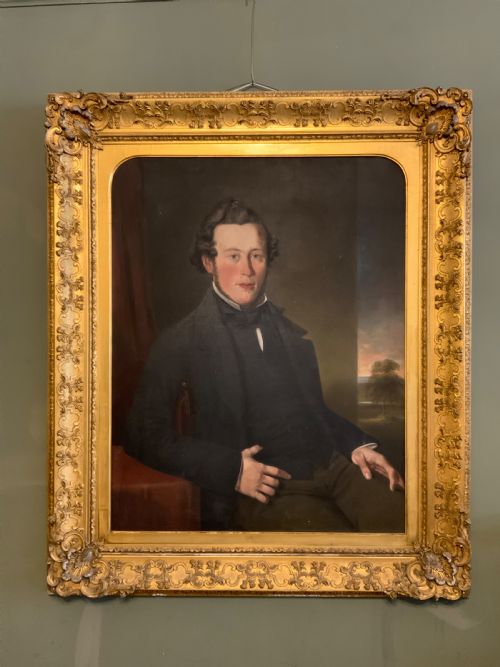
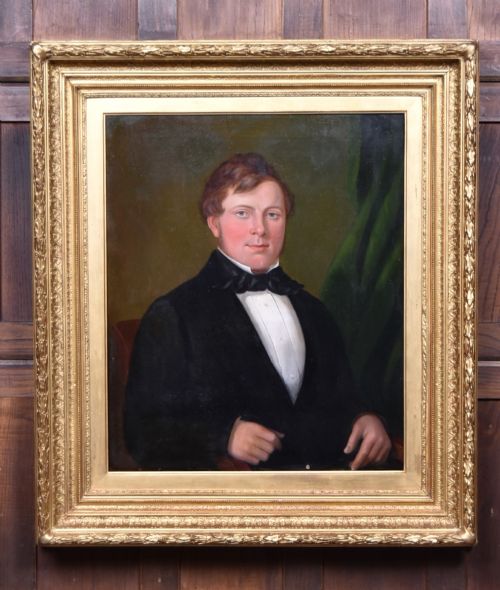
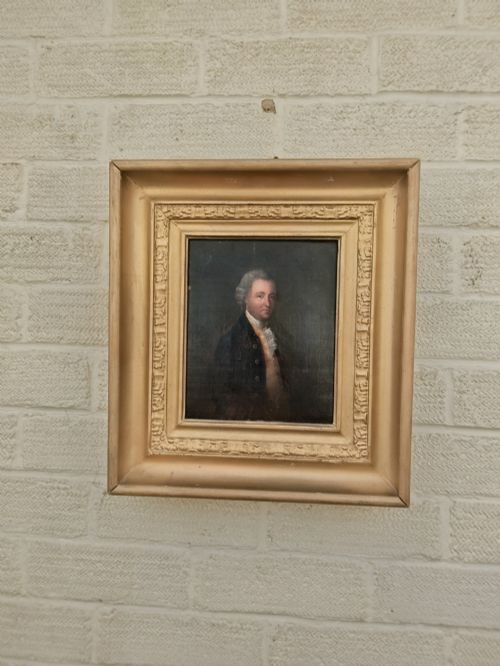
An ancestor oil painting captures the likenesses of earlier generations through traditional portraiture, mostly depicting gentlemen and historical subjects. These works frequently emerge from the eighteenth and nineteenth centuries, spanning Georgian, Regency, and Victorian periods.
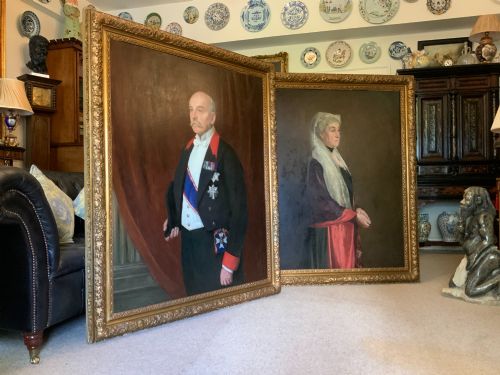
Buyers encounter oil paintings on canvas alongside works on wood and tinplate, reflecting diverse regional origins including Scandinavian romanticism and British folk art. Many listings feature individual portraits of gentlemen, while paired works occasionally appear to represent historic figures or family members together.
The aesthetic of an ancestor oil painting ranges from polished nineteenth-century realism to charmingly naive primitive handling. Each piece provides a direct window into historical costume, from formal frock coats to militia attire.
How they were made
Frames frequently incorporate wood, gold leaf, giltwood, and moulded plaster to complement the finished canvas. These decorative surrounds protect the edges of the paintings while adding weight and architectural presence to the wall art.
Listings feature works predominantly from the eighteenth and nineteenth centuries, executed in oil on canvas, wood, and tinplate.
What varies in quality
Quality in an ancestor oil painting rests on the fidelity of the brushwork and the psychological depth captured in the sitter's expression. Finer works demonstrate confident anatomical rendering and nuanced handling of light across fabrics like frock coats.
Materials and framing also distinguish pieces, with original giltwood and gold leaf surrounds elevating the status of the artwork. The distinction between refined academic painting and naive folk art shapes the character of each piece rather than determining a strict hierarchy of worth.
Jonathon Richardson
The Ancestor Oil Painting Glossary
- Oil on Canvas
- Pigments bound in a drying oil medium applied to a woven canvas support. This combination allowed artists to achieve subtle tonal gradations and lasting durability.
- Giltwood
- Timber carved and coated with a thin layer of gold leaf or metallic powder. It provides a luminous border that enhances the colours within the painting.
- Regency
- The period in British history spanning the early nineteenth century, noted for specific stylistic restraint in portraiture. Works from this era display distinct sartorial and artistic conventions.
- Naive
- A descriptor for art created without formal academic training, often characterised by flat perspective and charming directness. These pieces possess an honest visual appeal distinct from polished salon portraits.
- Tinplate
- Thin sheet steel coated with tin to prevent rusting, used as a rigid painting surface. Scandinavian artists occasionally utilised this material for smaller portraits.
Ancestor Oil Painting: Frequently Asked Questions
What is an ancestor oil painting?
An ancestor oil painting is a historical portrait depicting a forebear or gentleman from earlier centuries, rendered in oil paint upon canvas, wood, or tinplate. These works preserve the likeness and attire of past generations.
Such paintings originate from periods including the Georgian and Victorian eras, reflecting diverse styles from academic realism to naive folk art.
How do I live with one?
Placing an ancestor oil painting in a room requires consideration of lighting to prevent glare on the varnished canvas surface. Pairing the artwork with traditional or eclectic furnishings allows the rich tones of the oil paint and gilt frames to stand out.
Keeping the painting away from direct heat sources ensures the canvas and wooden or giltwood frames remain stable over time.
How can I tell the periods apart?
Periods are identified through the sitter's clothing, hairstyle, and the prevailing artistic style of the work. For instance, Regency and Georgian portraits feature distinct sartorial markers like frock coats compared to later Victorian pieces.
Materials also offer clues, as eighteenth-century works often employ specific canvas preparations and frame constructions distinct from nineteenth-century examples.