




Black Coat Oil Portrait
A black coat oil portrait captures centuries of character in rich pigments, offering a dignified glimpse into the past that anchors any room.
Black Coat Oil Portrait
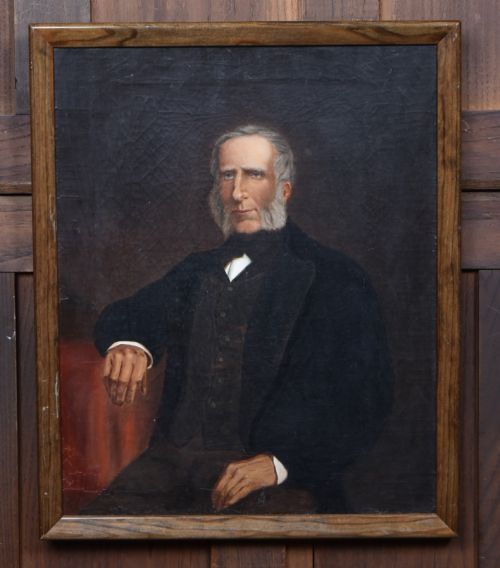
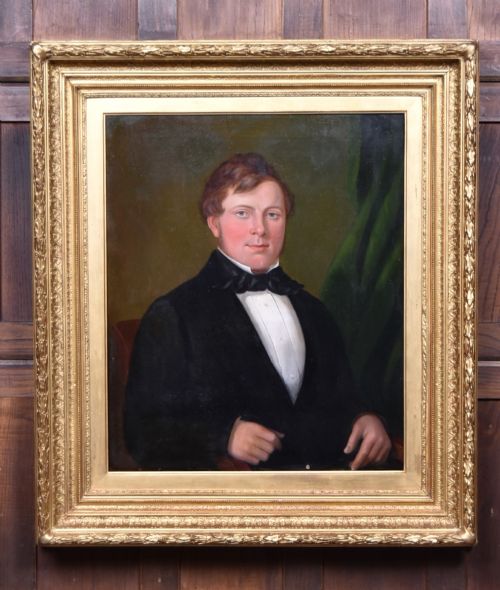
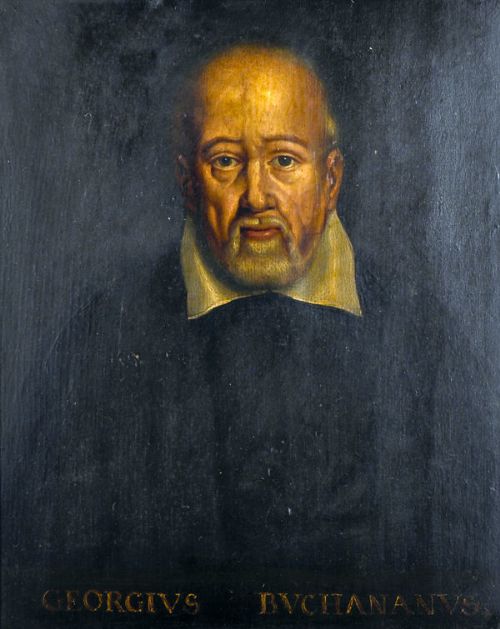
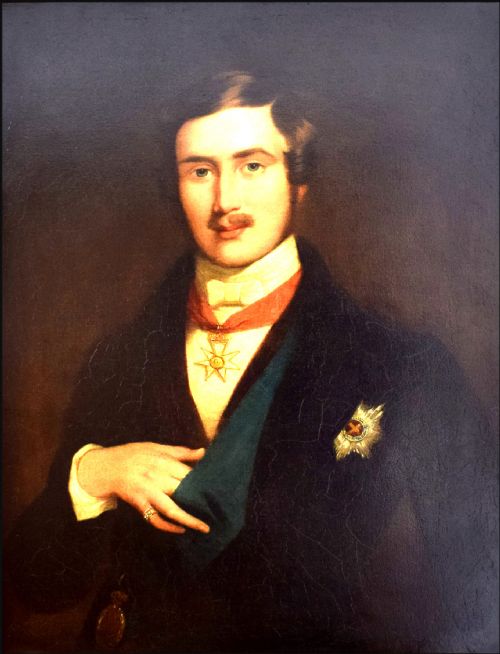
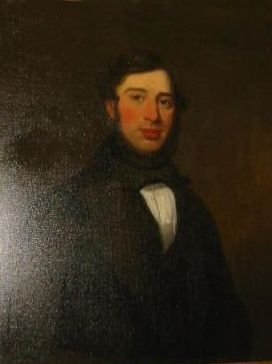
A black coat oil portrait depicts figures ranging from Georgian gentlemen and Victorian notables back to Jacobean subjects and Renaissance scholars. The selection spans the sixteenth century through the nineteenth century, capturing sitters in formal attire across various schools of painting.
Most pieces on display date from the nineteenth century and the eighteenth century, featuring canvases and wood panels populated by gentlemen, reverends, and historical figures. These works vary from accomplished academic portraiture to direct examples of Georgian folk art.
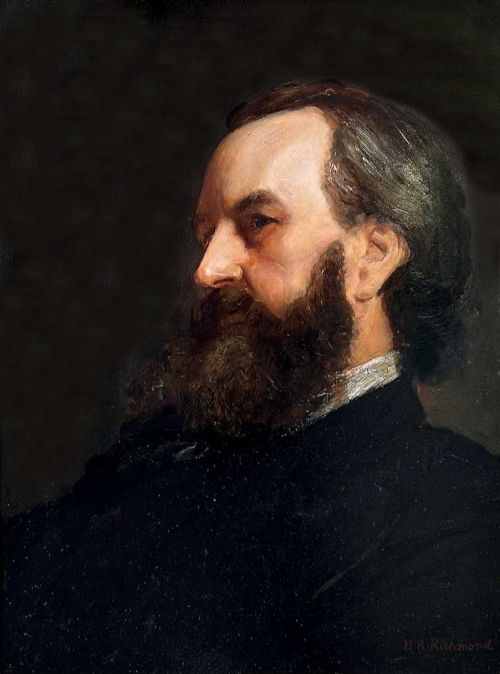
The dominant subject is the male sitter attired in dark garments, reflecting the serious and formal commissions of past eras. Painters rendered these subjects using traditional oil mediums on canvas or wood panels, resulting in enduring historical artefacts.
Distinctions in quality and execution
Quality rests in the handling of the subject's expression, the convincing fall of light across the black coat, and the anatomical precision of the hands and face. Master painters achieved subtle tonal variations within dark fabrics where lesser hands produced flat areas of pigment.
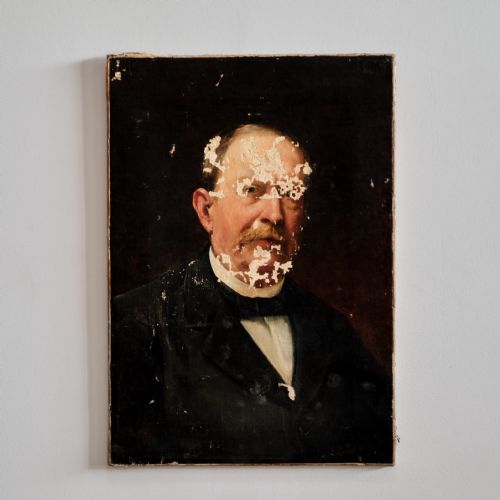
Condition and original context also divide the range, as undisturbed panels and canvases retain their original luminosity while overzealous restoration can flatten the artist's initial brushwork.
Several gentlemen in these portraits wear such stern black coats they appear to be judging your life choices from across the room.
Cornelius Johnson·Alan Ramsay·Rudolph Lehmann·Frans Pourbus the Elder·Sir William Charles Ross·Robrt Ker Porter
The Black Coat Oil Portrait Glossary
- Oil on canvas
- Pigment suspended in a drying oil medium spread across a woven textile support. This combination allowed artists to create rich dark tones and subtle blending for garments.
- Oil on panel
- Pigment applied directly to a prepared wooden board rather than fabric. This method is frequently encountered in earlier sixteenth and seventeenth century works.
- Gesso
- A plaster mixture applied to wood panels or frames to provide a smooth surface for painting or gilding. It forms the stable foundation upon which the oil layers rest.
- Folk art
- Work produced by self-taught or provincial painters operating outside academic traditions. These pieces display a charming directness rather than strict proportion.
- English School
- A designation for artists trained or working within Britain during a particular era. It groups together regional portraitists whose styles share common national influences.
Black Coat Oil Portrait: Frequently Asked Questions
How do I date a black coat oil portrait?
Dating relies on the cut of the sitter's clothing, the hairstyle, and the preparation of the canvas or wood panel. Early works often use wooden panels while later examples favour stretched canvas.
Examining the back of the frame and any stretcher marks can also provide clues to the period. Comparing the stylistic conventions with known portrait schools helps narrow down the decade.
Where should I hang an oil portrait?
These works require stable wall spaces away from direct sunlight and excessive humidity. Placing them in studies, dining rooms, or hallways allows the dark tones to create a traditional atmosphere.
Ensure the hanging hardware securely supports the weight of the wooden frame and canvas. Proper wall placement protects the oil paint from environmental degradation.
What is the difference between canvas and panel portraits?
Panel portraits utilise rigid wooden supports that tend to appear in earlier centuries, such as the Jacobean era. Canvas supports became dominant later, offering a lighter and more flexible surface for large works.
Both materials require careful handling to prevent cracking in the paint layer. The choice of support often guides the overall age and origin of the piece.
How do I care for antique oil paintings?
Maintenance involves keeping the surface free of dust using a soft, dry brush without applying cleaning liquids. Professional conservators should handle any deeper cleaning or varnish removal.
Maintaining a consistent indoor temperature prevents the canvas or wood panel from expanding and contracting. This gentle approach preserves the integrity of the oil paint over time.