



Regency Male Portrait
Regency male portrait works offer an intimate view into the faces of an era, prized by collectors for their striking character studies.
What they are
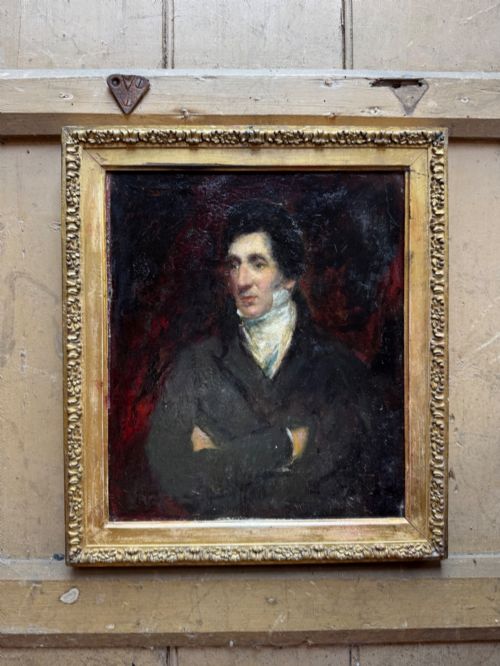
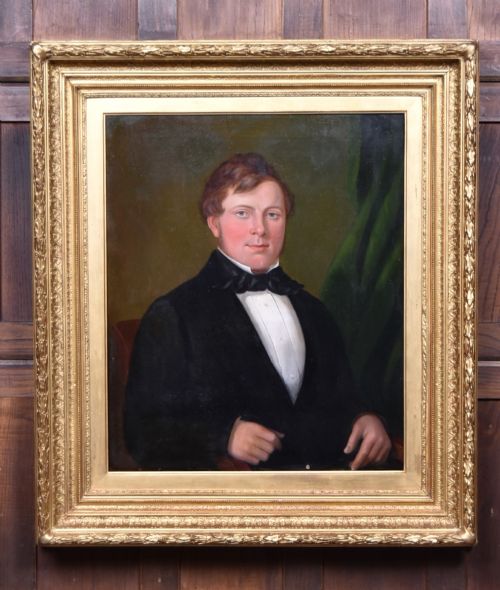
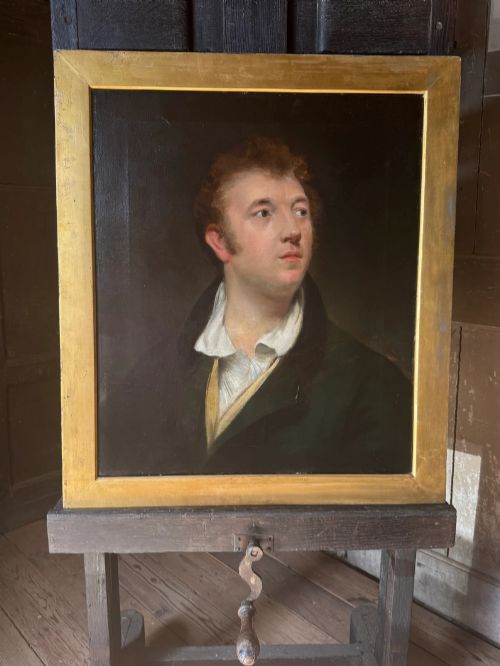
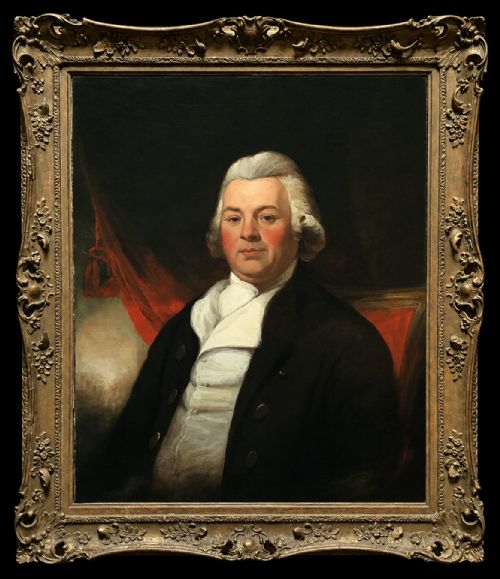
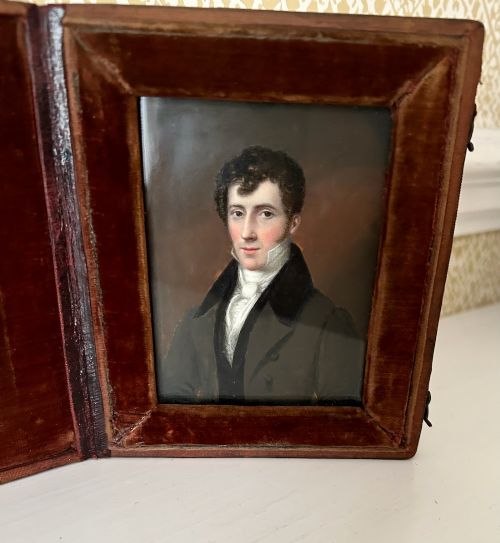
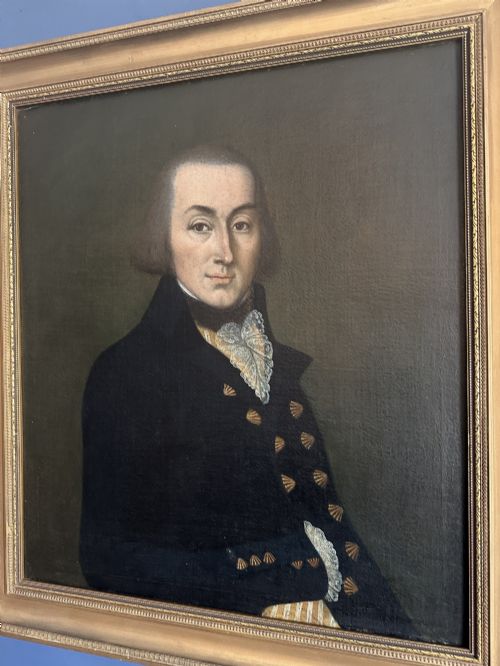
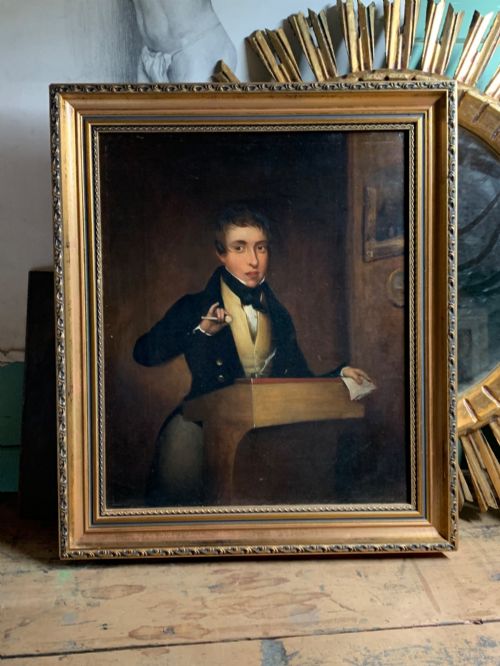
When you search for regency male portrait, you encounter depictions of gentlemen executed across the Georgian, Regency, and Victorian periods. The selection spans grand oil paintings to delicate miniature portraits.
The subjects include named historical figures such as politicians and orators alongside unidentified gentlemen. These works capture the distinct fashion and demeanour of men from the late eighteenth and nineteenth centuries.
You are most likely to meet nineteenth-century interpretations and earlier oils on panel on this page. Each piece reflects the prevailing portraiture conventions of its specific decade of production.
How they were made
The materials recorded in these listings include oil on canvas, oil on panel, and watercolour. Artists also utilised glass, plaster, velvet, and leather to house and frame their subjects.
Execution involves traditional painting techniques applied to canvas or wood supports. Many works retain their period giltwood frames, which complement the medium of the primary portrait.
Retail Price Guide 2026
Typical UK retail prices for regency male portrait, calculated from the Sellingantiques database of over a million retail prices indexed since 2003. This retail price guide relies exclusively on Sellingantiques data; no external sources or auction records are used, so the figures do not describe the wider market.
Listings feature works spanning the eighteenth and nineteenth centuries, executed in oil on canvas, oil on panel, and watercolour.
What varies in quality
The distinction between standard works and exceptional pieces lies in the precision of the brushwork and the psychological depth of the sitter. Skilled handling of light and shadow defines the more accomplished portrayals.
Attribution to documented artists elevates a piece significantly within the range. The preservation of the original surface and the quality of the accompanying period frame also determine the standing of each artwork.
Sir Thomas Lawrence PRA·Robrt Ker Porter
The Regency Male Portrait Glossary
- Oil on panel
- A painting executed on a wooden board rather than canvas. This solid support provides a rigid foundation favoured in earlier centuries.
- Portrait miniature
- A small, highly detailed painting designed for intimate viewing. These works often incorporate delicate watercolours or oils on specialised surfaces.
- Giltwood
- Wood carved and covered with a thin layer of gold leaf. This material is standard for period frames associated with fine portraits.
- Regency
- The historical period spanning from eighteen eleven to eighteen twenty, characterised by distinct aesthetic and social shifts. The style often translates into refined framing and classical attire in portraiture.
Frequently Asked Questions
What is a regency male portrait?
A regency male portrait is a painting or miniature depicting a gentleman from the late eighteenth or early nineteenth century. These artworks capture the clothing, hairstyles, and social standing of men from the Georgian and Regency eras.
They serve as historical records and decorative focal points. Collectors value them for their artistic merit and the personal history each subject represents.
How were these portraits displayed?
Historically, these portraits hung in the drawing rooms, libraries, and hallways of substantial homes. Larger oil works commanded wall space while miniatures sat on desks or were worn close to the person.
Today, they are typically hung in traditional domestic interiors. Proper placement avoids direct sunlight to protect the pigments on canvas and panel.
How do I identify the period?
Dating relies on the sitter's clothing, the hairstyle, and the painting technique. High collars, cravats, and specific jacket cuts help narrow down the decade of creation.
Frame styles and framing materials also offer clues to the age of the piece. Archival notes and signatures on the reverse provide further verification.
Are all the subjects identified?
Many portraits depict unknown gentlemen whose names were lost over time. Others record prominent figures such as politicians, lawyers, and historical orators.
Inscriptions on the back of the panel or canvas sometimes reveal the sitter's identity. Research into contemporary records can occasionally link an anonymous face to a historical person.