


Brown Jacket Portrait
A brown jacket portrait captures a subject in informal or everyday attire, offering an intimate glimpse into historical character.
Brown Jacket Portrait
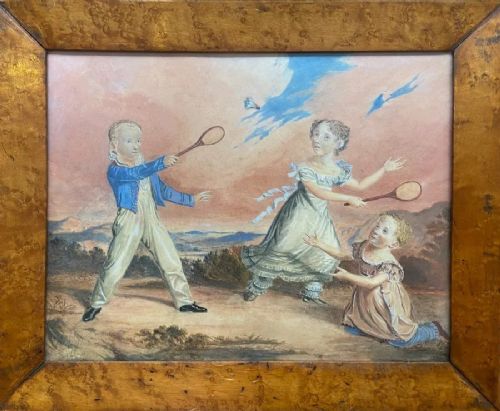
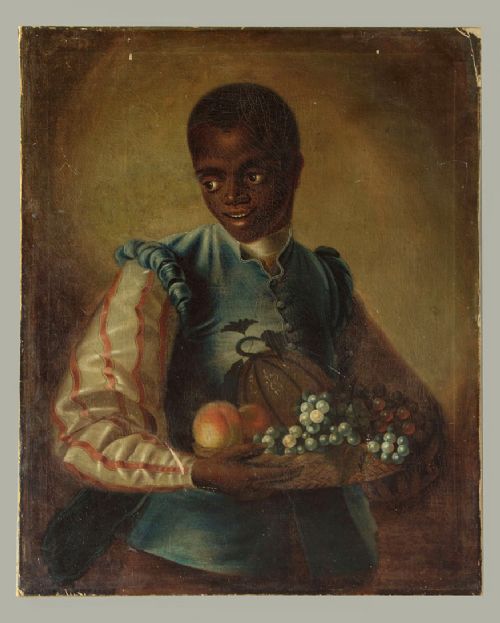
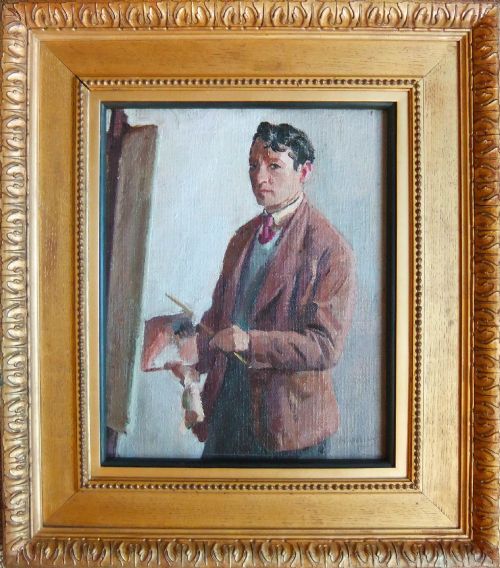
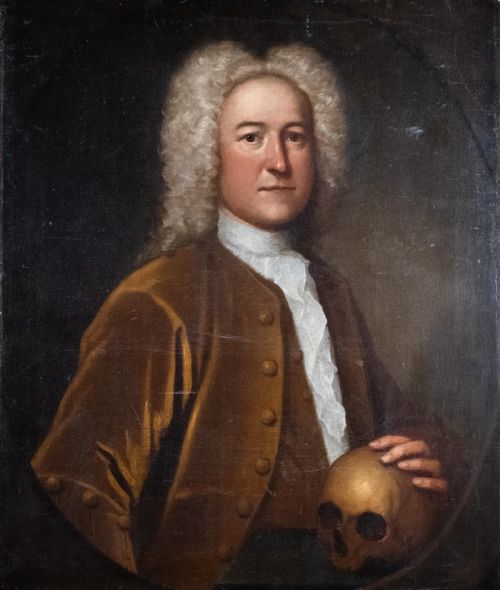
A brown jacket portrait depicts subjects ranging from servants and gentlemen to young children and self-portraits, executed across multiple centuries. These works include pieces from the early eighteenth century, the Victorian era, and twentieth-century impressionism.
Most examples found here utilise oil on canvas or oil on panel, housed within traditional framing such as giltwood. The forms span straightforward oil paintings to more detailed narrative scenes involving sitters with objects like books or shells.
Materials and construction
Artists painted primarily using oil pigments upon prepared canvas or wood panels, working within traditions spanning from early Georgian portraiture to twentieth-century impressionism. These compositions often incorporate fine detailing rendered through layered brushwork.
The finished works are frequently preserved within period frames constructed from wood and glass, often highlighted with giltwood finishes that complement the darker tones of the painted garments.
Listings span from the 1700s through the 1940s, featuring oil, canvas, panel, watercolour, and giltwood materials.
Judging the work
Provenance and attribution to documented artists elevate certain works above anonymous school pieces, while the integrity of the original panel or canvas surface remains central to the piece's overall standing.
Henry Travis·William Jones of Bath·Philip Naviasky·Edouard Julien·Sir Thomas Lawrence·Sidney Riesenberg·John Russell
The Brown Jacket Portrait Glossary
- Oil on panel
- A painting technique where pigments bound in oil are applied directly to a rigid wooden support rather than flexible canvas. This surface was common in earlier centuries for stability and fine detail work.
- Giltwood
- Wood that has been treated with a thin layer of gold leaf or gold paint, typically used to finish decorative picture frames. It provides a bright, reflective border to dark oil paintings.
- Impressionism
- A style of painting developed in the nineteenth century characterised by relatively small, thin yet visible brush strokes and an emphasis on accurate depiction of light. Later twentieth-century variations built directly upon these foundational techniques.
- English School
- A term used by dealers to denote works produced by artists working in England whose specific individual identities remain unrecorded. It groups stylistic traditions by geographic origin rather than a single master.
Brown Jacket Portrait: Frequently Asked Questions
How do I date a brown jacket portrait?
Dating relies heavily on the clothing style of the sitter, the preparation of the canvas, and the construction techniques of the wooden frame. Details such as collar shapes and button types offer precise chronological markers.
Signatures, artist attributions, and exhibition labels on the reverse also help narrow down the period of creation.
Where should I hang an oil portrait?
These works suit study spaces, libraries, or living rooms where controlled lighting enhances the rich tones of the subject's attire. Keeping them away from direct sunlight preserves the oil pigments.
Pairing a dark canvas with a contrasting wall colour makes the painted details stand out effectively.
What is the difference between canvas and panel?
Canvas provides a flexible woven support that became standard for larger works from the eighteenth century onward, allowing for textured brushwork. Wooden panels offer a rigid surface favoured in earlier periods for capturing minute details.
Both materials require stable humidity levels to prevent warping or cracking of the paint layer.
Why are some portraits attributed to a school?
Attributions to regional schools indicate that a work was produced within a specific artistic community without bearing a definitive signature. This terminology groups pieces sharing common technical methods and stylistic traits.
Such works reflect the broader prevailing standards of painting during their respective eras.