



Artist Palette Painting
These artist palette painting pieces range from seventeenth century oils to twentieth century boxes, offering a tangible connection to historical creative work.
Artist Palette Painting
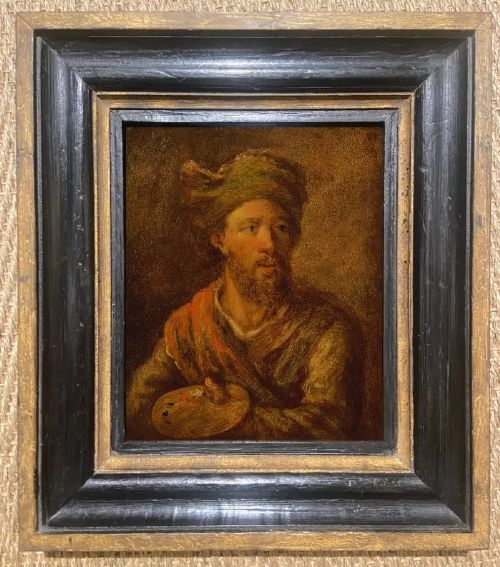
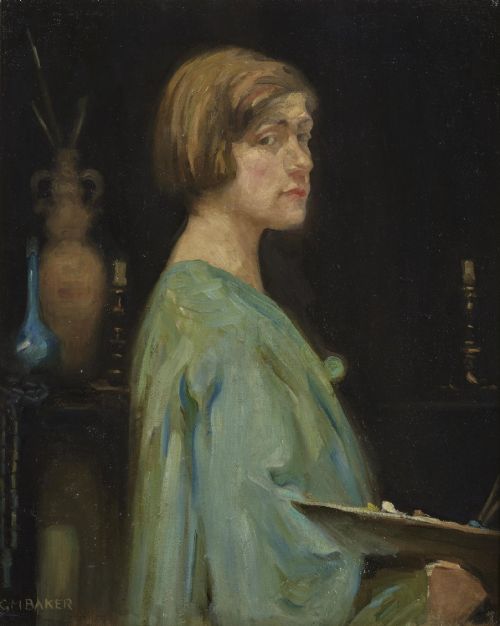
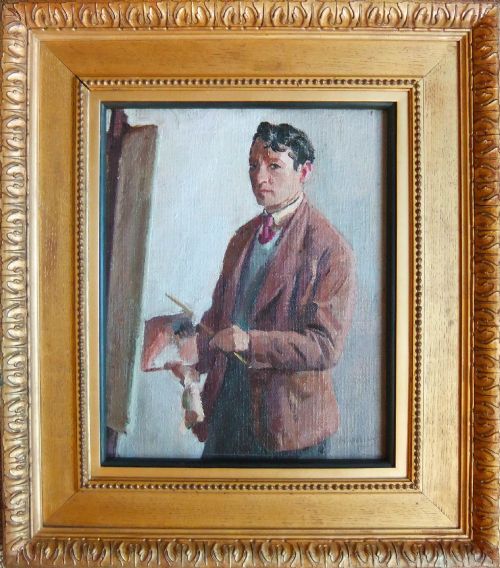
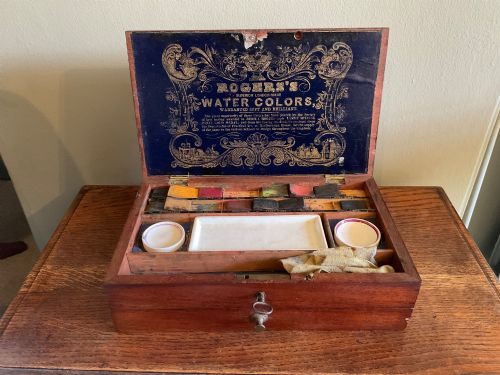
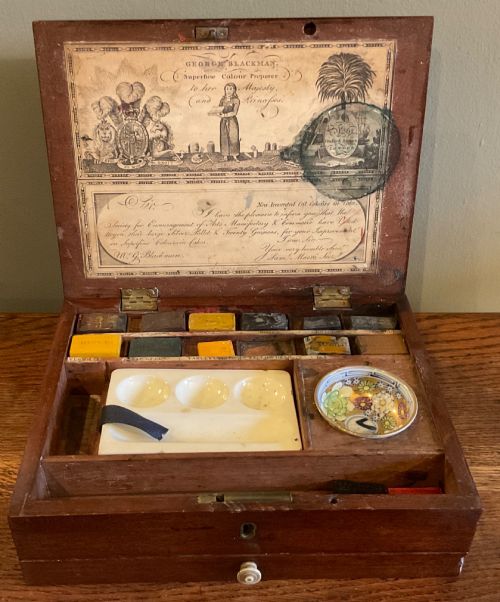
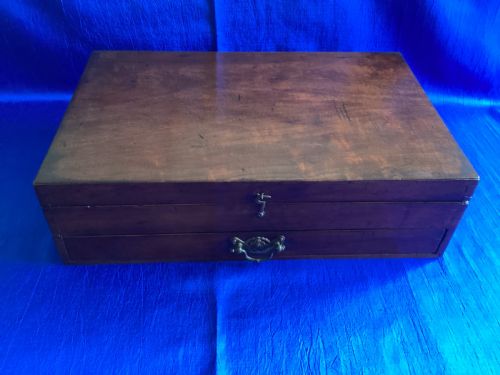
An artist palette painting brings together the physical tool of the studio and the tradition of fine art, often featuring portraits or genre scenes executed across centuries. You will encounter works spanning the seventeenth century, Georgian period, Victorian era, and into the twentieth century. These items include oil paintings on canvas alongside fitted mahogany artist boxes housing ceramic palettes.
Portraits form a significant portion of these listings, including self portraits where painters chose to depict themselves holding their equipment. Other examples include animal subjects and figurative compositions created by British and European makers. The selection encompasses both the finished artworks and the actual containers used by practitioners to mix their colours.
Materials and construction
Wood serves as the primary structural material for the boxes and panels, with mahogany frequently utilised for eighteenth and nineteenth century containers. Brass fittings often secure these wooden compartments, while ceramic and porcelain elements provide the surfaces for mixing oil paint. Canvas stretched over wooden frames supports the oil paintings recorded across the various periods.
Artists applied oil paint using traditional layering techniques, whilst makers of the boxes employed fine cabinet-making skills to build fitted interiors for brushes and pigments. The combination of oil on canvas and fitted wooden utility boxes demonstrates the dual craft of the painter and the box maker.
A bloodhound stands immortalised in oil, posing forever upon the very palette used to capture its likeness.
Distinctions in quality
The standard of an artist palette painting relies upon the execution of the brushwork and the preservation of the surface. Earlier works demonstrate distinct handling of oil paint compared to later modernist or impressionist interpretations.
For the boxes, the precision of the internal compartments and the inclusion of original ceramic palettes determine the desirability of the piece. The distinction rests on the integrity of the materials and the skill evident in both the artwork and the housing.
George Blackman·Lacroix Paris·Rogers
The Artist Palette Painting Glossary
- Oil on Canvas
- A painting medium where pigments are bound with drying oils and applied to a woven fabric support stretched across a wooden frame.
- Mahogany
- A durable tropical hardwood commonly utilised in the construction of fine Georgian and Victorian artist paintboxes.
- Self Portrait
- A representation of an artist drawn, painted, or sculpted by their own hand, frequently showing the creator with tools of the trade.
- Ceramic Palette
- A porcelain or earthenware plate used by painters to mix colours before application to the main canvas.
Artist Palette Painting: Frequently Asked Questions
What is an artist palette painting?
An artist palette painting refers to artworks depicting painters with their equipment or paintings executed directly upon the wooden palette itself. These pieces span multiple centuries from the seventeenth century onward.
They capture the historical tools of the studio alongside traditional portraiture and genre scenes.
How were antique artist boxes used?
Antique artist boxes served as portable studios for painters working away from home. They contained fitted compartments for pigments, brushes, and mixing plates.
Cabinet makers constructed these containers from sturdy woods like mahogany to protect fragile supplies during travel.
How do I date an oil painting?
Dating an oil painting involves examining the canvas preparation, stretcher frame construction, and pigment types. Stylistic clues within the clothing and subject matter also offer chronological context.
Comparing the work to documented pieces by known schools helps narrow the period of creation.
Are porcelain palettes original to the boxes?
Porcelain palettes often bear the marks of specific manufacturers or Paris suppliers matching the era of the box. Fitted slots inside the wooden containers usually secure these ceramic mixing trays.
Originality is assessed by the fit and wear consistent with the surrounding woodwork.