


Framed Figurative Art
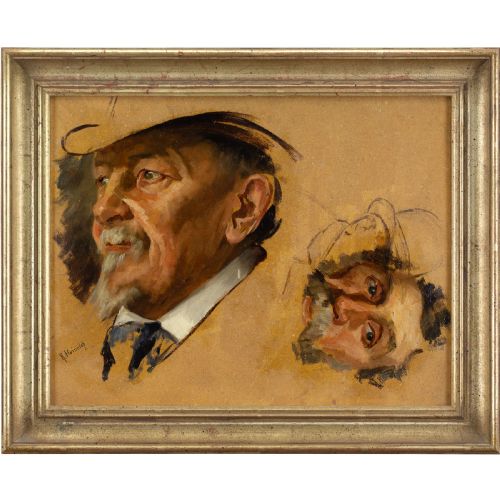
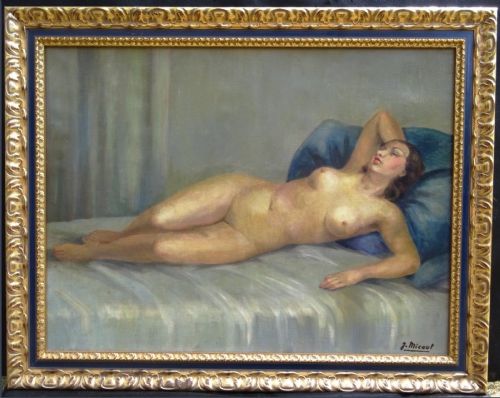
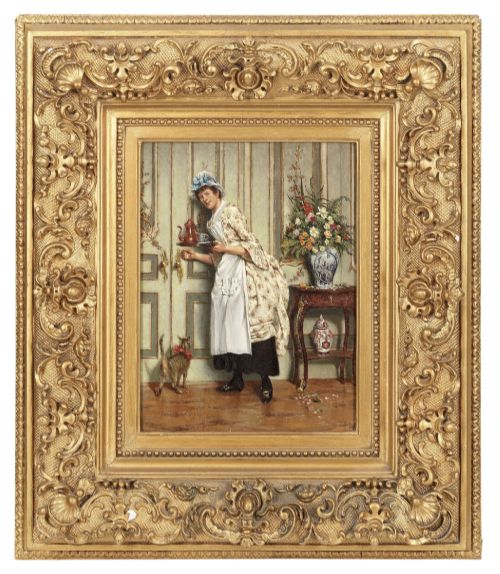
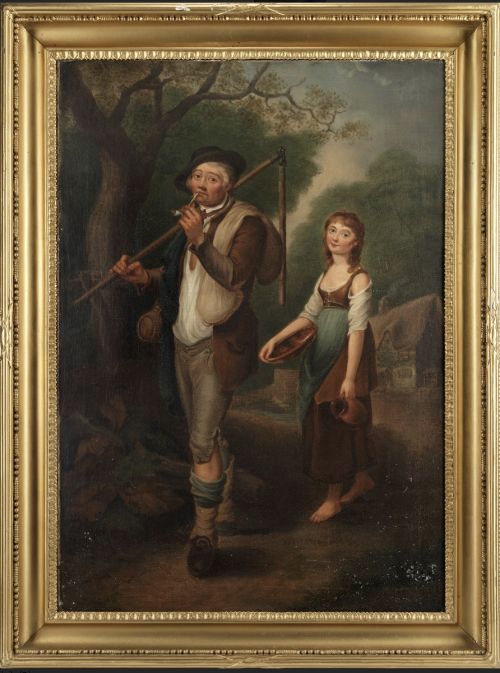
Framed figurative art brings people, portraits and human stories into a room through works executed across the nineteenth and twentieth centuries.
What framed figurative art is
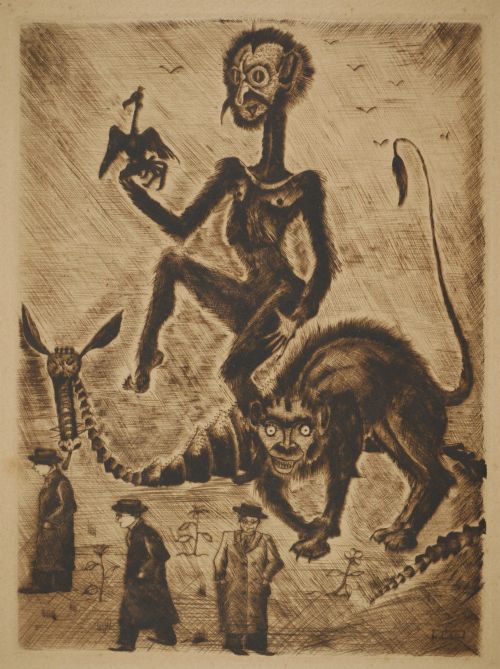
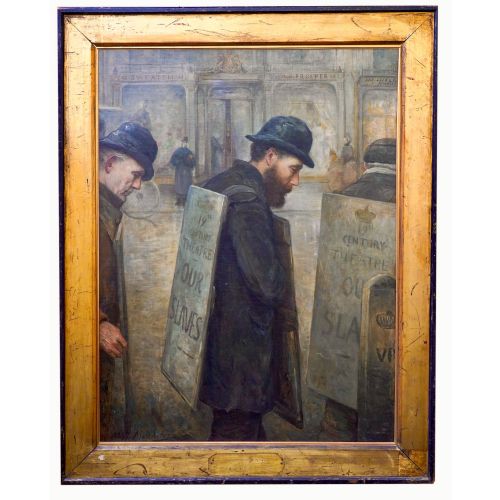
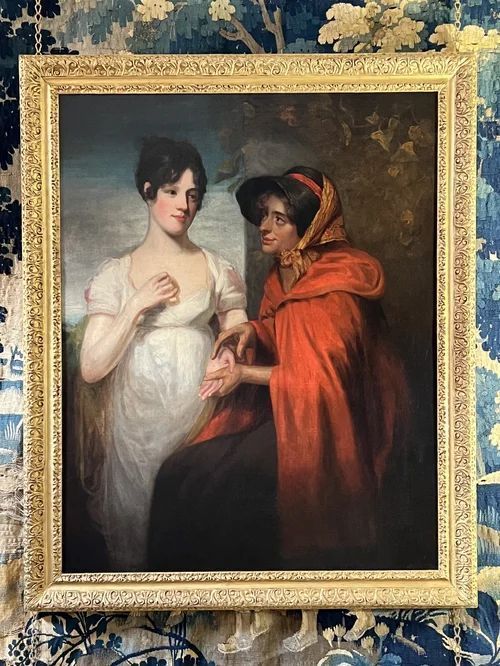
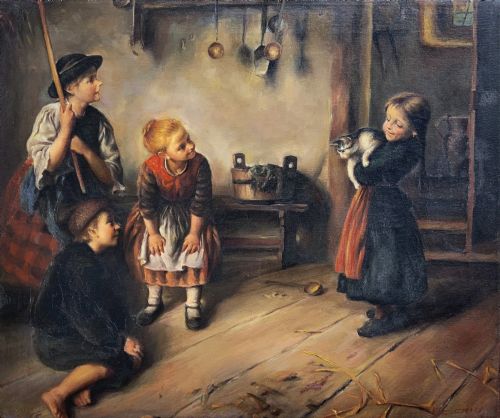
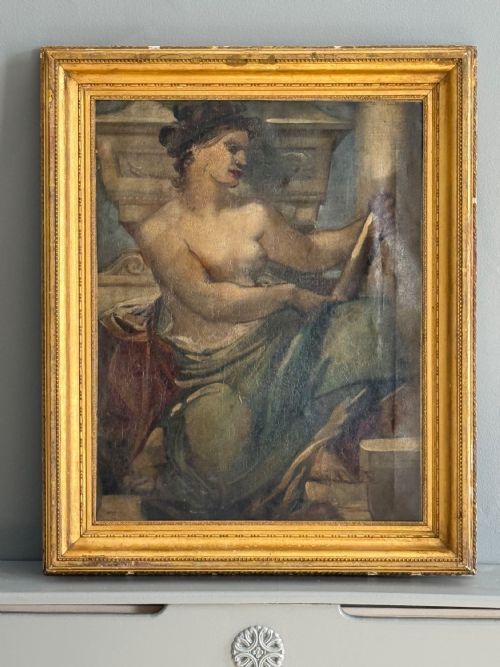
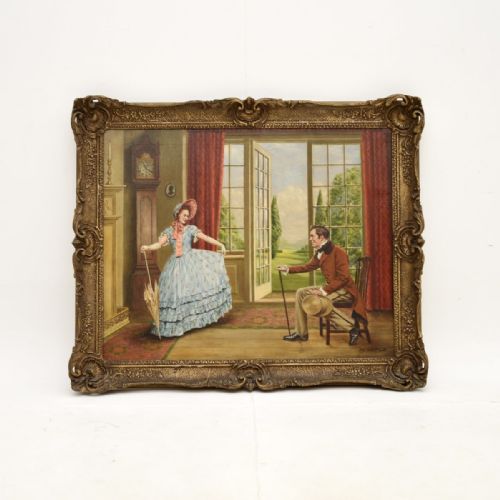
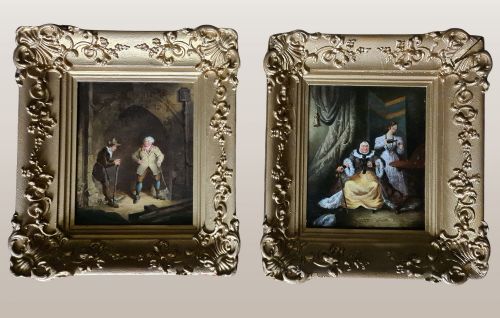
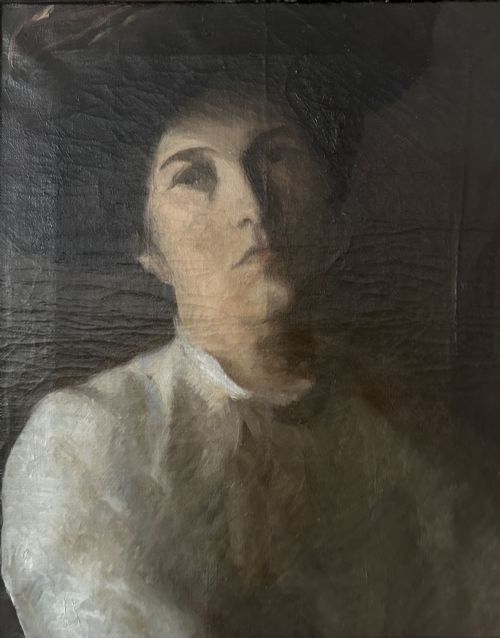
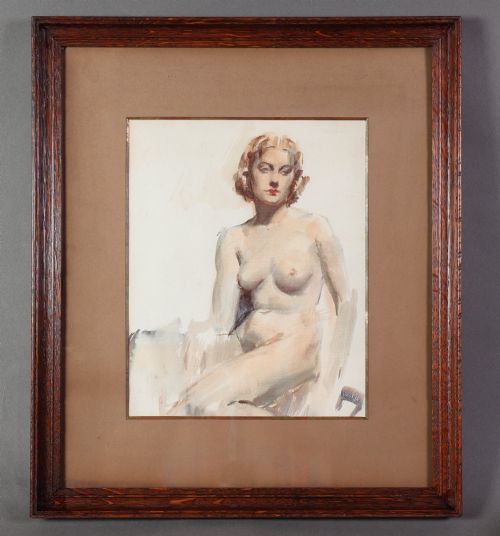
Framed figurative art encompasses oil paintings, pastels and ink studies that depict human figures, ranging from intimate self-portraits to complex interior genre scenes. These works capture specific individuals or narrative moments, framed in wood, giltwood or glass to preserve the paper or canvas.
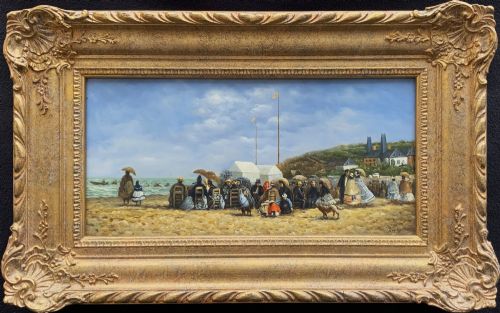
The selections available here span from late Victorian academic historicism and genre painting through to mid-century British modernism, twentieth-century impressionism and expressionism. A buyer is likely to encounter both detailed period portraits and looser twentieth-century interpretations.
Originating across different decades, these pieces reflect changing approaches to the human form, from precise historical costumes to fluid modernist strokes. Each framed piece offers a distinct window into past artistic interpretations of character and society.
How they were made
The physical construction of these pieces relies on traditional supports such as canvas stretched over wooden frames or heavy paper. Artists applied oil paint, pastel or pen and ink to build up the surface texture and detail of the human subjects.
Protective framing forms an integral part of the finished object, utilising gilt wood, plain wood and glass. These frames secure the canvas or paper while complementing the aesthetic of the artwork within.
Retail Price Guide 2026
Typical UK retail prices for framed figurative art, calculated from the Sellingantiques database of over a million retail prices indexed since 2003. This retail price guide relies exclusively on Sellingantiques data; no external sources or auction records are used, so the figures do not describe the wider market.
Current listings incorporate oil paint, canvas, paper, wood, glass and giltwood frames across various decades.
What varies in quality
Quality in these figurative works rests upon the precision of the draughtsmanship and the expressive handling of the medium, whether dealing with oil paint, pastel or ink. Stronger pieces demonstrate a confident command of proportion, lighting and psychological depth in the depiction of the subject.
The physical housing also distinguishes the pieces, as original or period-appropriate giltwood and wooden frames contribute significantly to the overall integrity and visual balance of the artwork.
Philip Naviasky·Charles Haigh Wood·Marc Chagall·Lucien Freud·Adolphe-Alexandre Lesrel
The Framed Figurative Art Glossary
- Genre painting
- Art that depicts scenes from everyday life, typically involving ordinary people engaged in familiar activities or domestic interior settings.
- Academic historicism
- A style of painting rooted in the rigorous standards of official art academies, often focusing on historical subjects and meticulous detail.
- Impressionism
- A twentieth-century artistic approach prioritising loose brushwork, light effects and overall atmosphere over strict photographic precision.
- Giltwood
- Wood that has been treated with a thin layer of gold leaf or gilt paint, commonly used for decorative period picture frames.
Frequently Asked Questions
What periods do these pieces cover?
The works span from the late nineteenth century through the mid-twentieth century, including pieces dated around eighteen-ninety, nineteen hundred, nineteen-forty, nineteen-fifty and nineteen-sixty.
This range allows collectors to explore shifts from Victorian genre painting to mid-century modernism within a single category.
What mediums are used in this art?
The selection includes oil on canvas, pastel portraits and pen and ink studies on paper.
These varied mediums showcase different techniques employed by artists to capture human subjects over the decades.
How are the artworks framed?
The pieces are housed in various surrounds, including gilt wood, standard wood frames and protective glass.
These enclosures help safeguard the canvas and paper while framing the visual composition for display.
What styles can I expect to find?
The listings feature Victorian genre, academic historicism, expressionism, twentieth-century impressionism and mid-century modern British styles.
Each style offers a different perspective on figurative representation, from highly detailed historical scenes to looser modern interpretations.