

20th Century Portrait
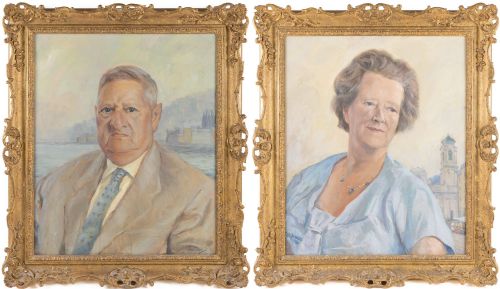
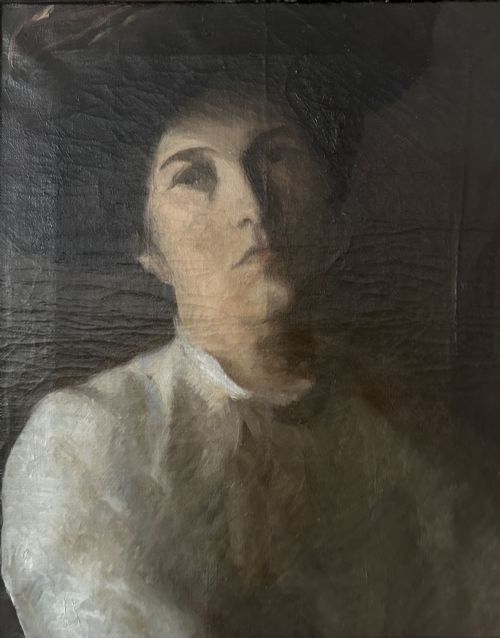
A 20th century portrait captures individual identity through diverse styles ranging from Edwardian academic works to mid-century modern interpretations.
What They Are
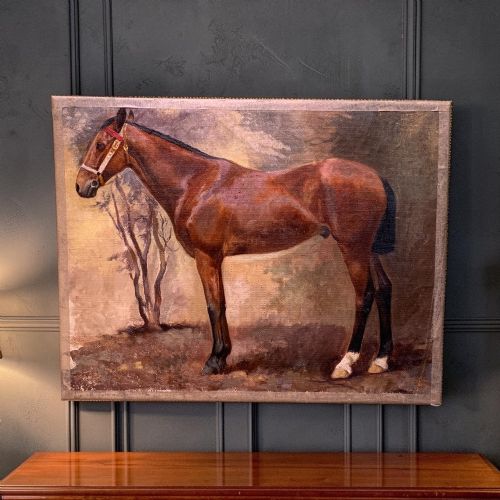
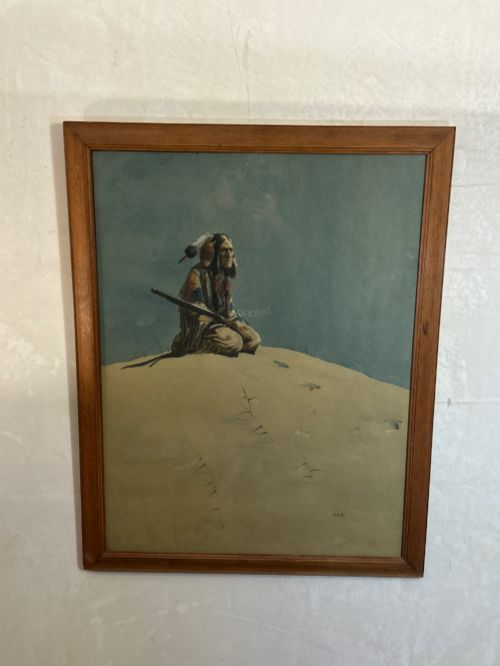
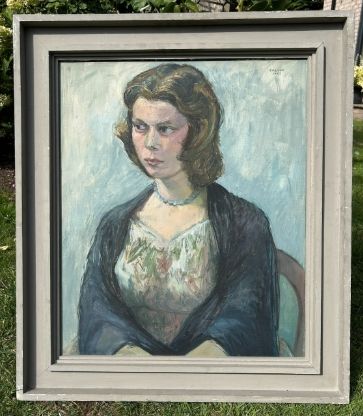
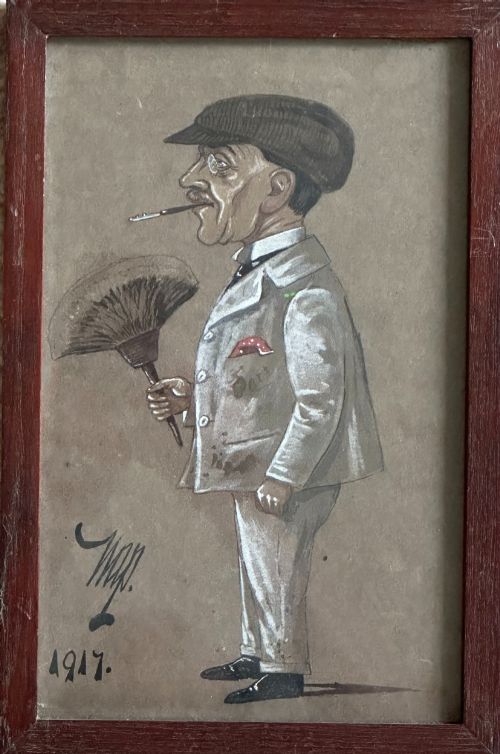
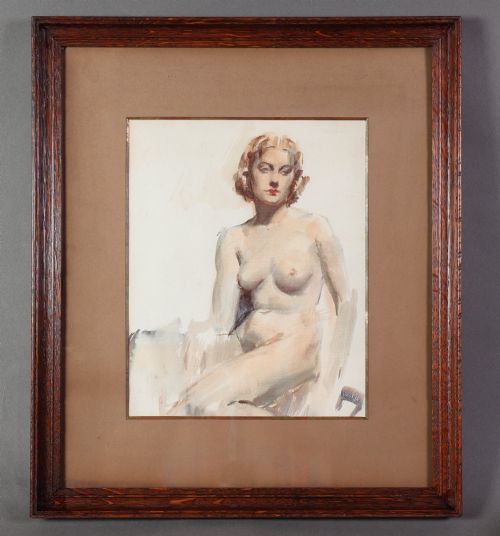
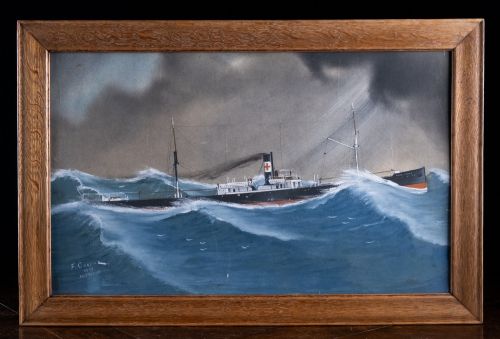
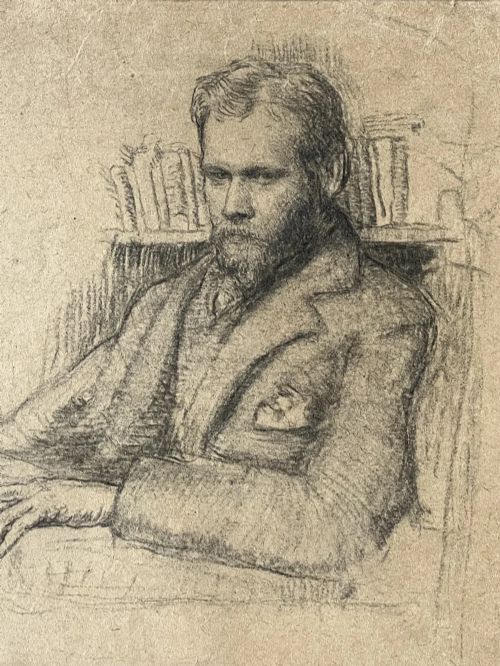
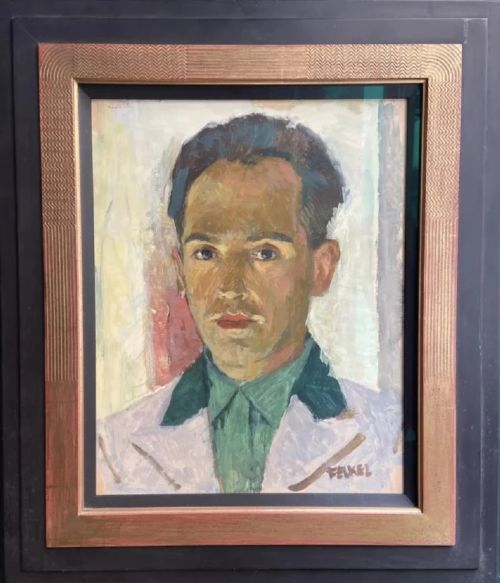
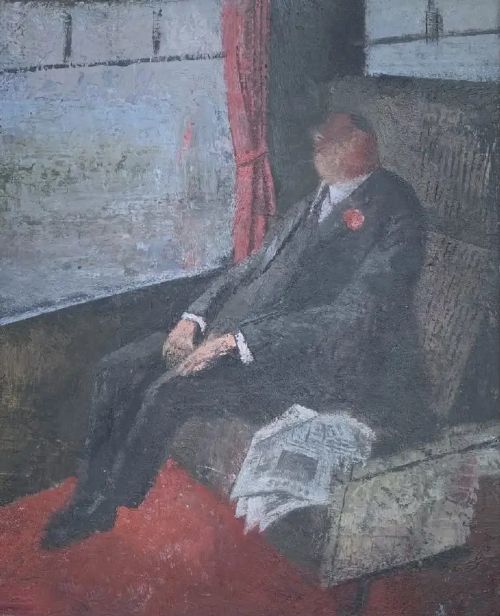
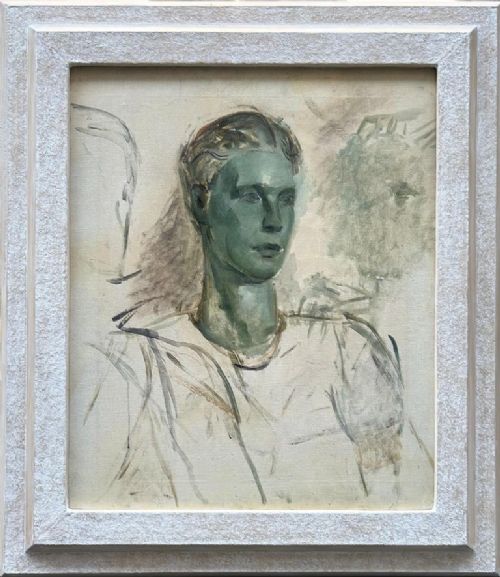
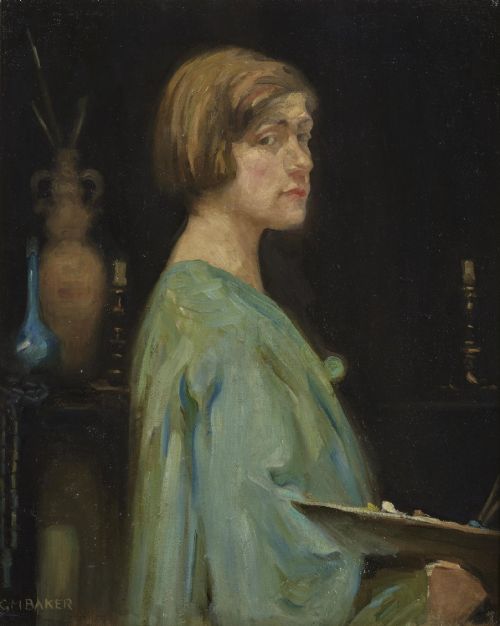
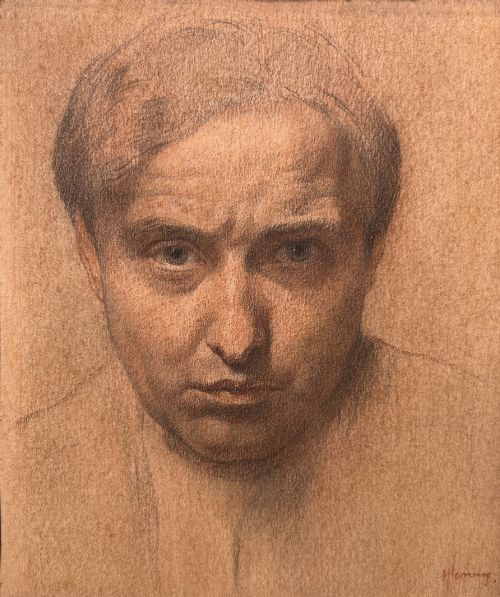
A 20th century portrait encompasses oil paintings, mixed media pieces, and works on paper depicting human subjects, animals, and historical figures. These artworks stem from British, Italian, and German schools, reflecting regional approaches to likeness and form.
Subjects vary from self-portraits and dancers to named personalities like Victor Bonney and Harry S Truman, alongside anonymous studies of gentlemen, ladies, and children.
The aesthetic shifts across decades, moving from traditional realism towards impressionist brushwork and mid-century modern compositions.
How They Were Made
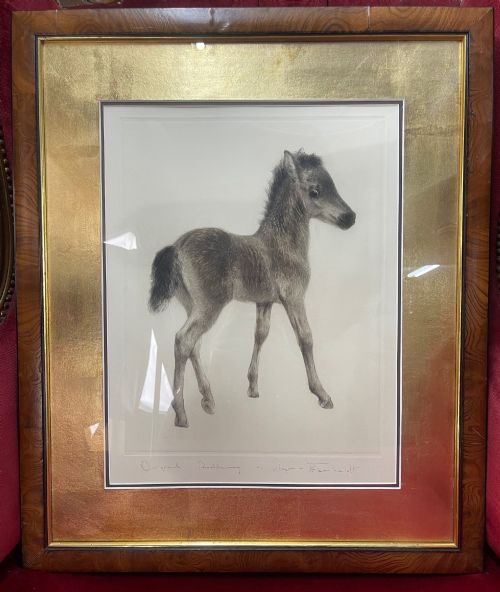
Works on paper employ pencil, chalk, pastel, pen and ink, and watercolour, capturing immediate gesture and tonal variation.
Many finished pieces retain original gilt wood frames, preserving the historical presentation of the artwork.
Retail Price Guide 2026
Typical UK retail prices for 20th century portrait, calculated from the Sellingantiques database of over a million retail prices indexed since 2003. This retail price guide relies exclusively on Sellingantiques data; no external sources or auction records are used, so the figures do not describe the wider market.
Listings feature works spanning from the 19th century through the 1960s, executed in oil, pencil, pastel, and mixed media on canvas and board.
What Varies in Quality
Technical proficiency in handling facial structure, light, and shadow distinguishes accomplished works from simpler student or amateur sketches.
The strength of provenance, particularly when signed by known artists or inscribed by the sitter, elevates the historical significance of the piece.
The integrity of the primary support, whether canvas, board, or paper, alongside the preservation of the original paint layer or medium, dictates overall condition.
Harold Knight RA·Philip Naviasky·Attilio Toro·David Cox RWA ROI·Harry Epworth Allen·Frank C Harlow·Walter Goodin
The 20th Century Portrait Glossary
- Canvas
- A heavy woven fabric stretched across a wooden frame to serve as a support for oil painting. It provides a flexible yet durable surface that accepts layered brushwork.
- Board
- A rigid wooden or composite panel utilised as a painting support instead of fabric. Artists often favoured board for smaller sketches and plein air studies.
- Pastel
- A dry medium composed of powdered pigment and a binder, formed into sticks for drawing. It creates velvety tones and soft transitions well suited to facial studies.
- Gilt wood frame
- A wooden moulding coated with a thin layer of gold leaf or metallic paint. These frames protect the edges of the artwork and define its period presentation.
- Mixed media
- An artwork combining two or more artistic materials or techniques on a single support. This approach allows artists to blend linear drawing with painted colour.
Frequently Asked Questions
What subjects appear in these portraits?
The subjects range from named historical figures and artists to anonymous sitters, children, soldiers, and animals such as cats and horses. Artists also recorded everyday workers and figures in specific regional settings.
Many pieces document personal identity through formal commissions, while others capture spontaneous life studies and intimate sketches.
How do I identify the period of a portrait?
Clothing styles, hairstyles, and framing materials offer immediate clues to the era in which the artwork was created. Edwardian attire and 1940s war-era hairstyles align closely with the recorded dates of the pieces.
Signatures, dates inscribed on the reverse, and artist biographical details further help confirm the timeline.
Are these works signed by the artists?
Several pieces feature direct signatures or monograms from the painter or draughtsman, while others remain attributed to specific regional schools. Signed works often include preparatory inscriptions or exhibition details.
Anonymous pieces are typically categorized by school and period based on technique and stylistic markers.
How should I care for a framed oil painting?
Display oil paintings away from direct sunlight and dramatic fluctuations in temperature to protect the canvas and paint layers. Gentle dusting with a soft, dry brush keeps the surface clear without disturbing the medium.
Avoid using liquid cleaners on the canvas or the original gilt wood frame.