


British Historical Art
British historical art gathers centuries of portraits, military records, and domestic scenes painted in oil, watercolour, and print.
British Historical Art
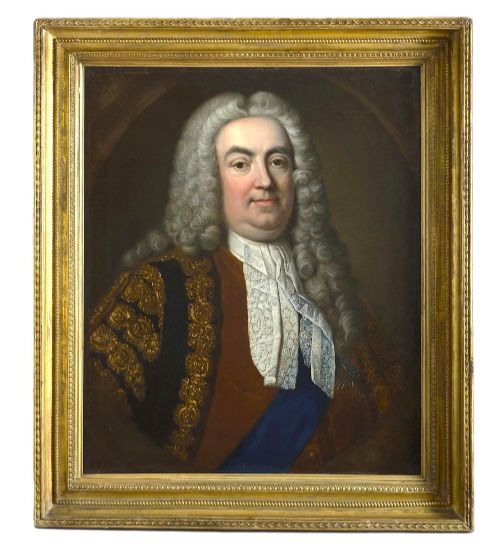
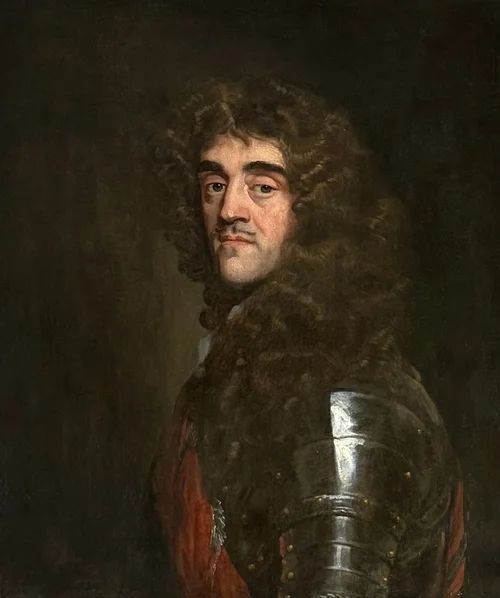
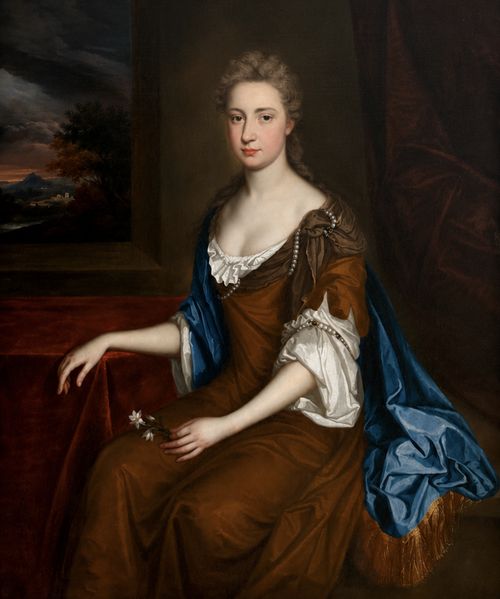
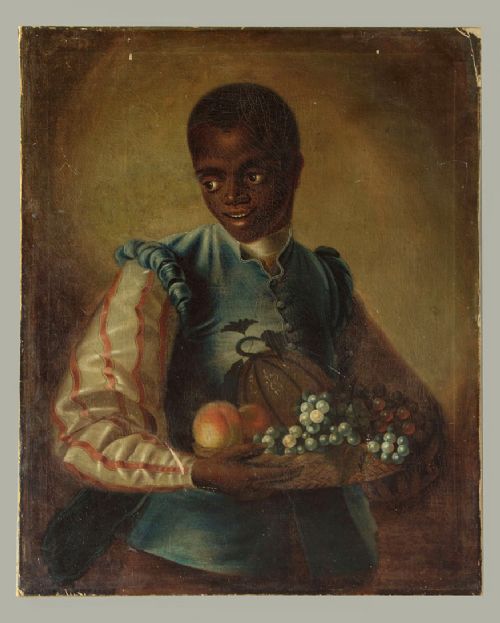
British historical art encompasses oil paintings, watercolours, engravings, and mezzotints that record notable figures, military engagements, and social scenes from past centuries. The selection spans the seventeenth century through to the mid-twentieth century, capturing shifts in society and portraiture.
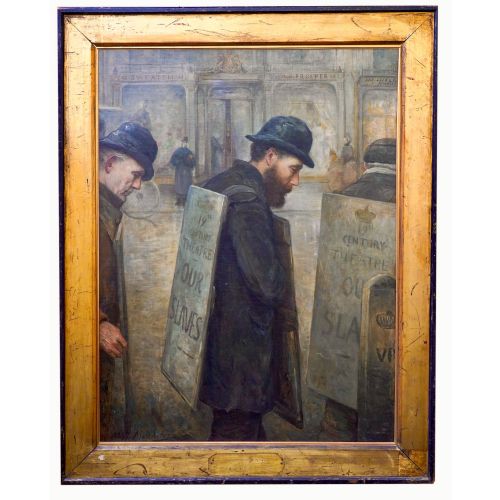
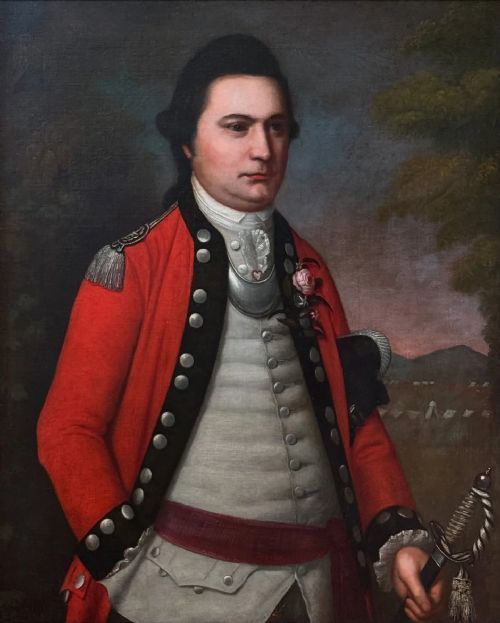
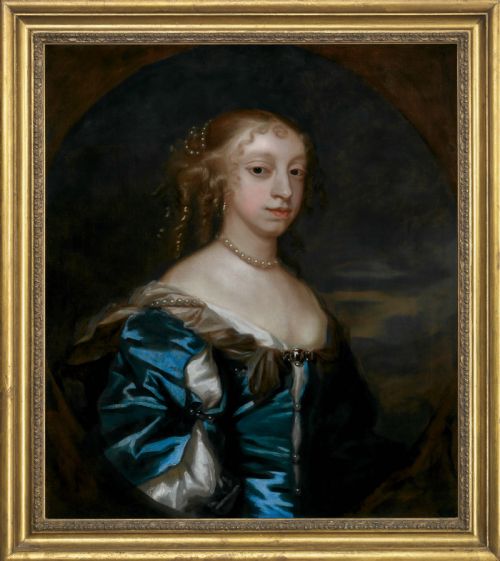
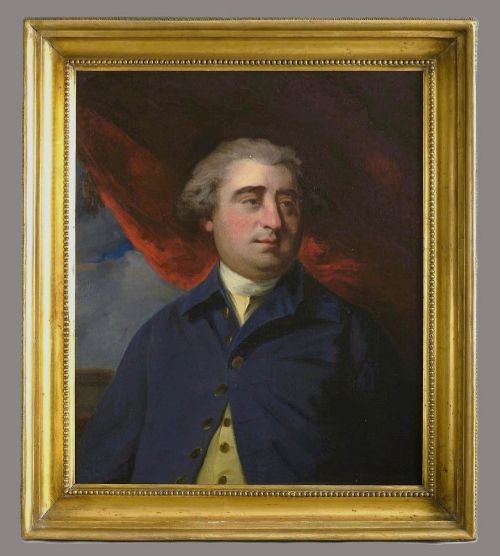
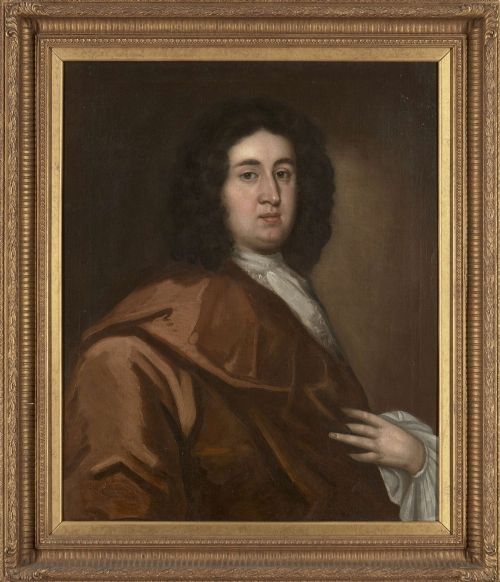
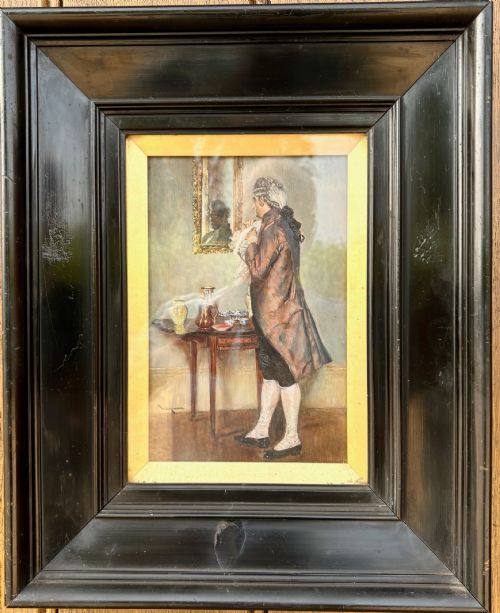
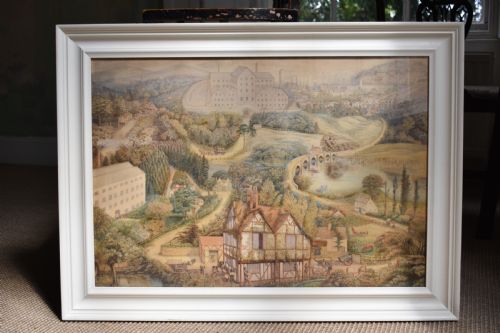
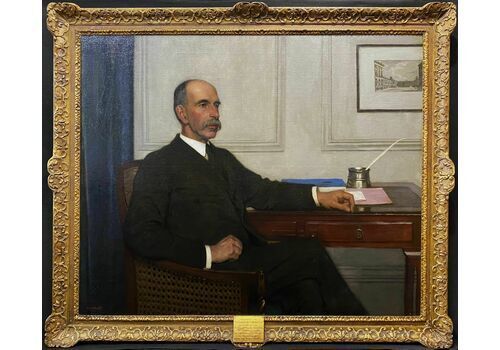
Portraits of aristocracy, military officers, and political figures dominate the offerings, often created by studio assistants or regional painters. Alongside these formal likenesses, genre paintings and topographical views depict everyday life, coastal scenes, and historical events.
Works appear on canvas, panel, paper, and board, frequently housed within period giltwood frames. The breadth of objects reflects changing domestic tastes for commemorative imagery and historical narrative over several hundred years.
How they were made
Painters applied oil and watercolour pigments to prepared canvas, wood panels, paper, and card, building compositions through layered washes or thick impasto. Engravers and mezzotint artists worked copper plates to produce multi-plate or single-impression prints.
Makers utilised natural materials including linen canvas, oak or softwood panels, and rag paper, mounting works within wood and giltwood frames. Pigments derived from minerals and earths provided the subdued tones typical of earlier centuries.
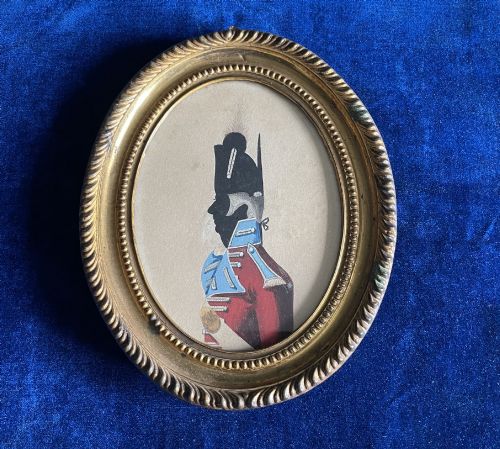
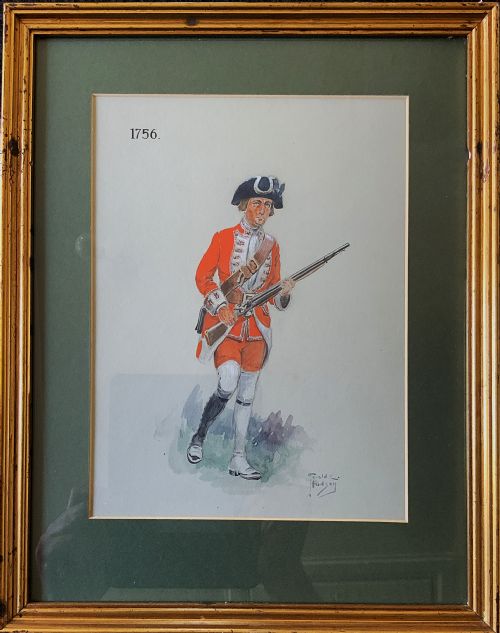
A life portrait of Sir Winston Churchill rubs shoulders with seventeenth-century cavaliers and Georgian infantry officers.
What varies in quality
Skill in handling facial expression, drapery, and anatomical proportion distinguishes accomplished studio output from more formulaic provincial work. The depth of historical documentation associated with a sitter or event also influences the standing of a piece.
Condition plays a role, particularly the integrity of the paint surface, the presence of original stretching, and the survival of period framing without excessive restoration.
John Smith·Thomas Murray·Stickland Lowry·Sir Joshua Reynolds·Thomas Beach·Jean Baptiste Van Loo·John Greenhill·John Closterman·W.D. Almond·Sir Allan Ramsay·Harold Knight·William Jones of Bath·Luke Sullivan·Alfred George Morgan·Charles Napier Hemy·John Watkins Chapman·Arthur Hopkins·Sir Winston Churchill·Thomas Hill·Robert Alexander Hillingford·Florence Hess·Edwin Hughes·Alfred Holst Tourrier·Frank Moss Bennett·Alfred Chantrey Corbould
The British Historical Art Glossary
- Mezzotint
- A printmaking process where the copper plate is roughened to achieve rich dark tones and subtle tonal gradations. This technique was frequently used for reproducing oil portraits.
- Genre painting
- The pictorial representation of scenes from everyday life, involving ordinary people engaged in domestic or social activities. These works provide insight into historical dress and customs.
- Giltwood
- Wood carved and coated with gold leaf or gold paint, commonly used for historical picture frames. It adds reflective warmth to painted compositions.
- Social realism
- An artistic style that depicts the everyday conditions of the working classes and poor, highlighting social contemporary issues. It emerged strongly in Victorian visual culture.
British Historical Art: Frequently Asked Questions
What periods do these historical artworks cover?
The works span from the seventeenth century through the Georgian and Victorian eras up to the mid-twentieth century.
Each period brings distinct attire, painting techniques, and subject matter reflecting the political and social climate of the time.
How were these portraits and scenes displayed?
Most oil paintings and watercolours were framed in carved wood or giltwood to suit domestic interiors of grand houses or public institutions.
Prints and engravings were often mounted behind glass to protect delicate paper surfaces from light and moisture.
How can I tell studio work from a named artist?
Studio pieces often reflect the composition and style of a master painter while being executed by assistants or followers.
Signatures, documentary records, and stylistic comparisons help clarify whether a work is by the primary hand or associated with a workshop.
What subjects besides portraits are available?
The selection includes military engagements, naval battles, topographical views, and domestic genre scenes.
Political prints and allegorical watercolours also record public events and satirical commentary from past centuries.