
Canvas Oil Painting Art
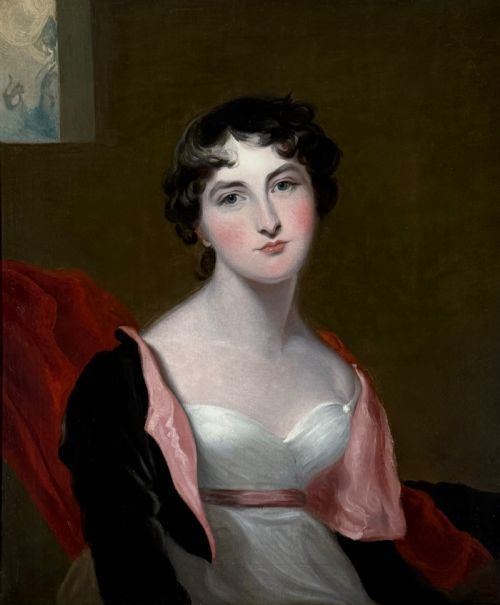
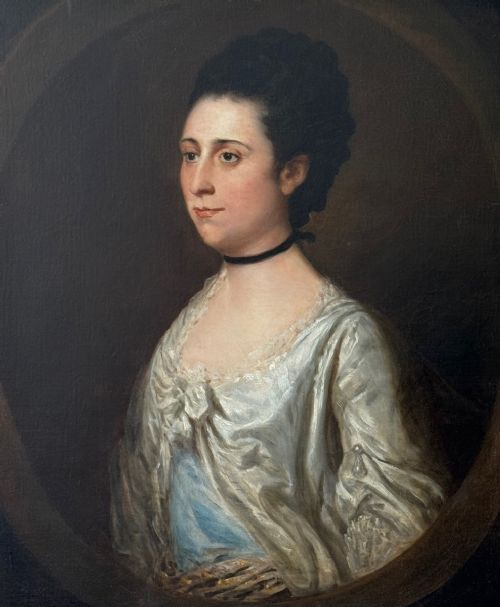
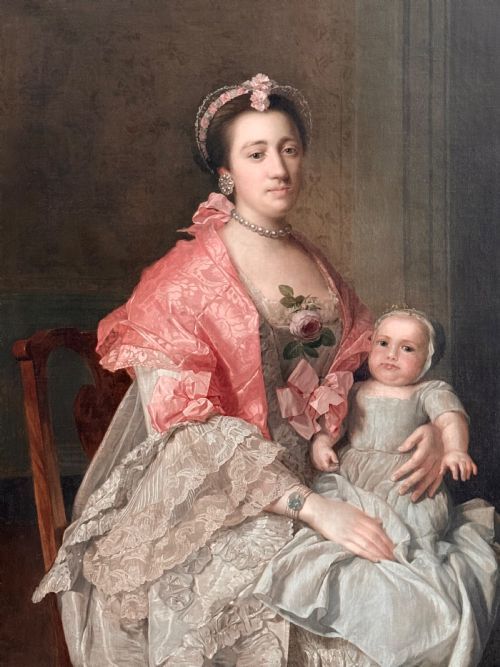
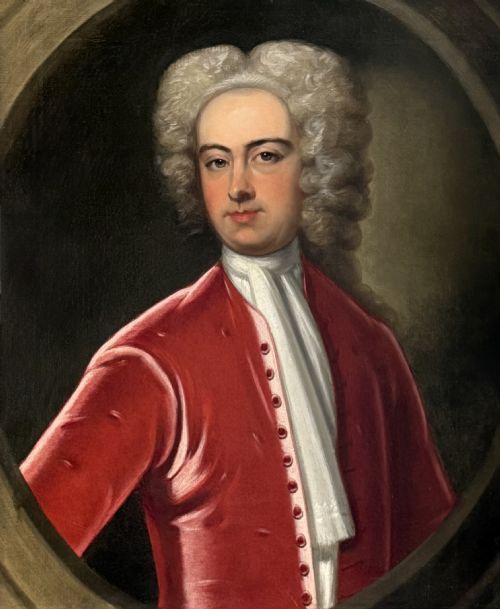
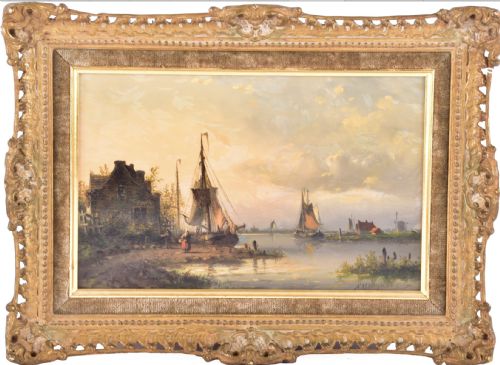
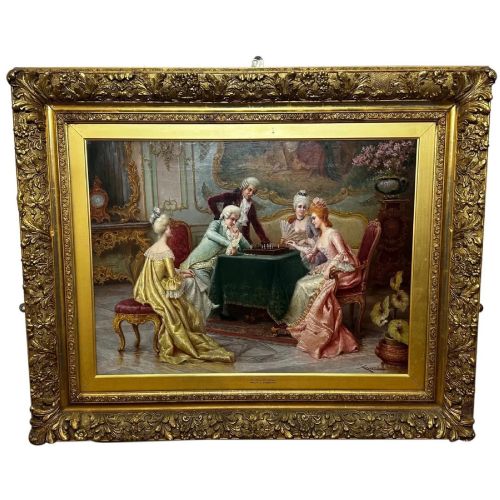
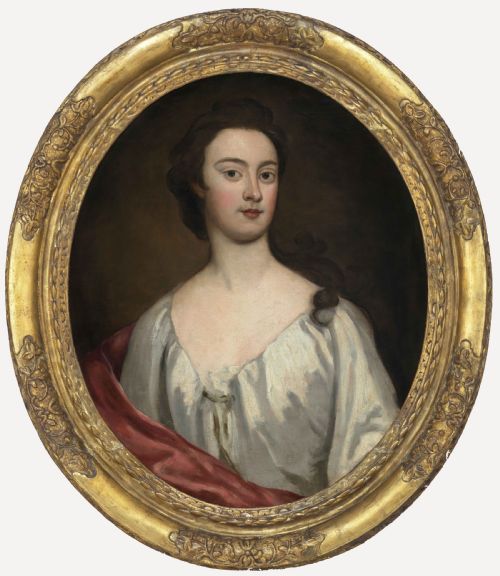
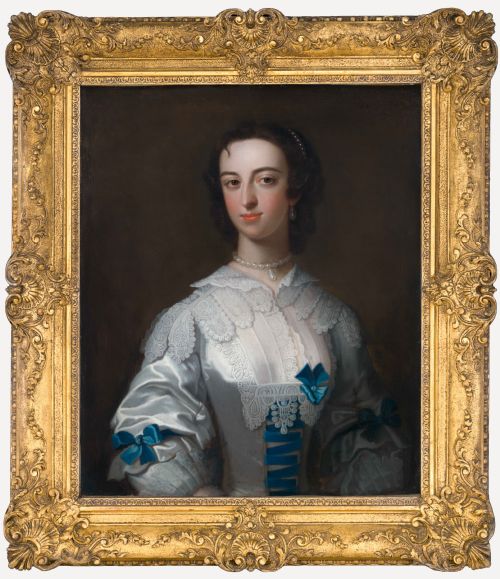
Canvas oil painting art spans centuries of portraiture, landscapes, and still lifes created with pigmented oils stretched across woven fabric supports.
Canvas Oil Painting Art
Buyers exploring canvas oil painting art encounter works originating from the seventeenth century through to the mid-twentieth century, encompassing British, French, Flemish, and Italian regional schools.
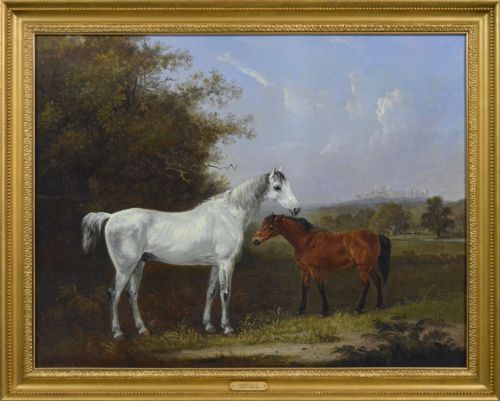
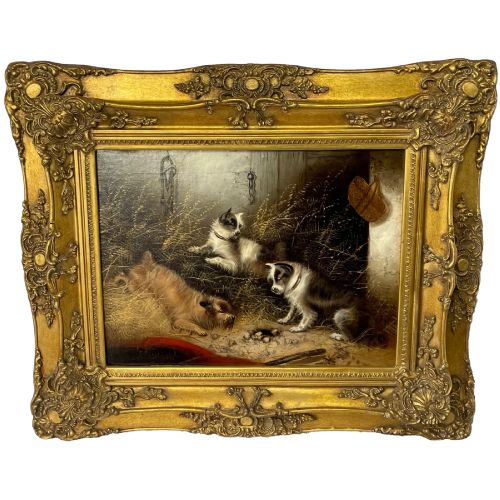
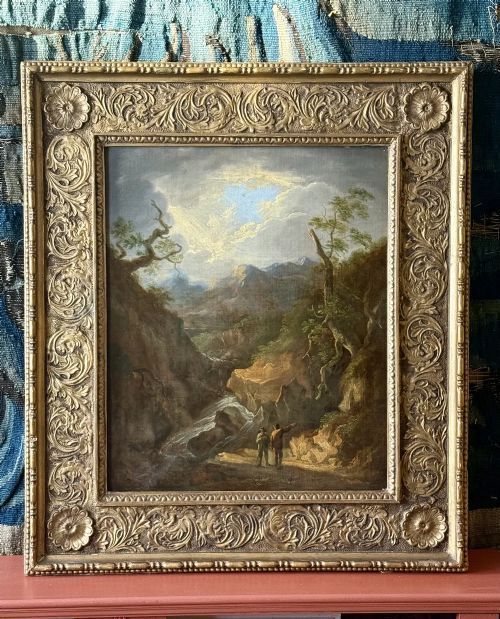
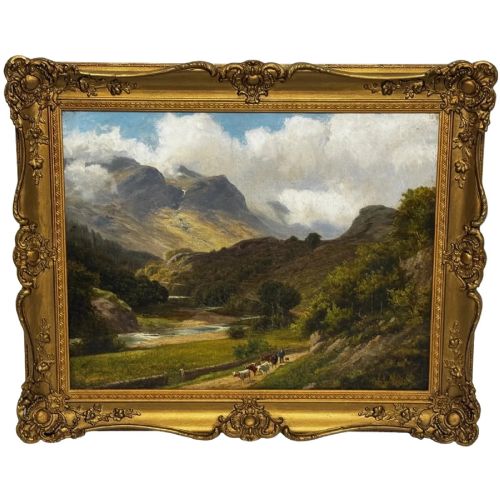
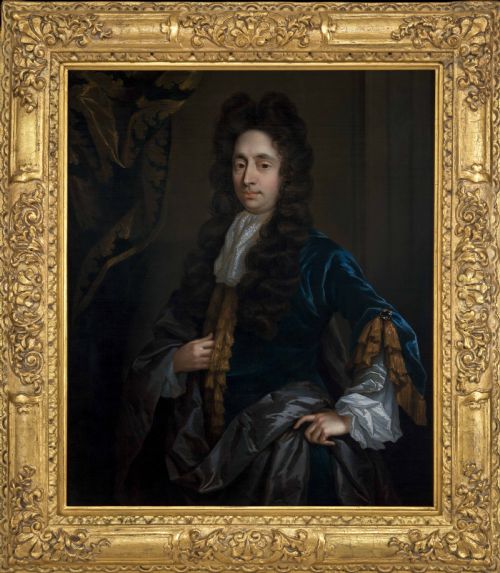
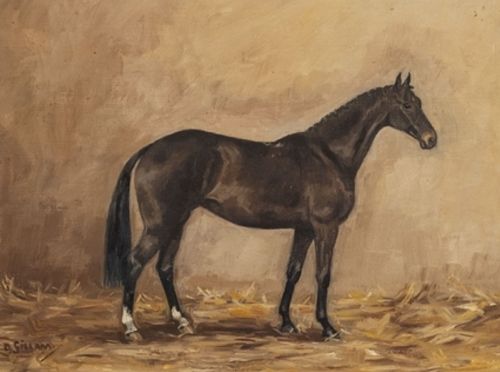
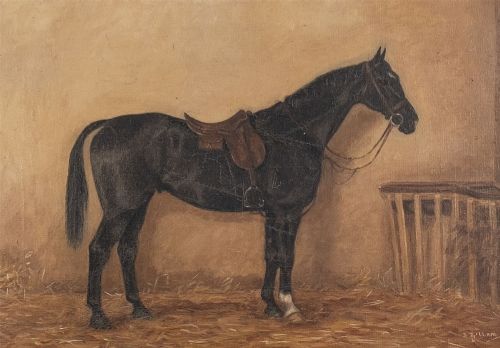
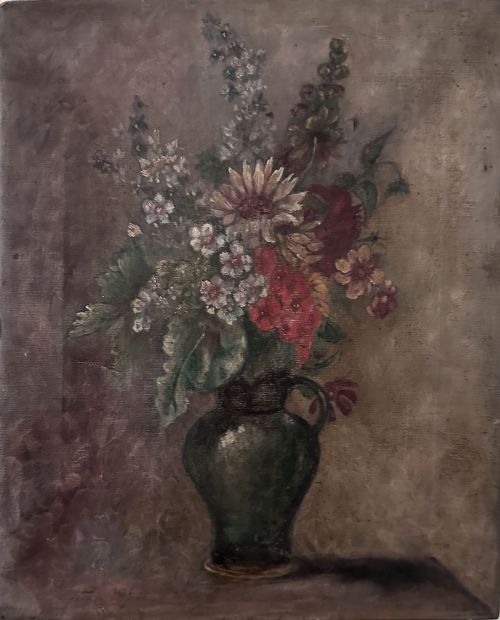
The selections on this page heavily feature traditional portraiture alongside pastoral landscapes, sporting scenes, and botanical still lifes executed on woven supports.
Formats range from intimate cabinet pieces to substantial framed works executed by continental and British artists working within distinct historical movements.
How They Were Made
These works rely primarily on oil paint applied to stretched canvas supports, occasionally accompanied by wood panels or board substrates in specific periods.
Framing often incorporates period giltwood and gold leaf mouldings that complement the depth and luminosity of the underlying oil pigments.
Listings feature works from the 17th Century, 18th Century, 19th Century, and mid-20th century on canvas and wood supports.
What Varies in Quality
Quality rests upon the dexterity of brushwork, anatomical proportion in figures, and the handling of light and shadow across the composition.
The stability of the underlying canvas support and the preservation of the original pigment layers distinguish superior examples from heavily retouched works.
Sir William Beechey·Henry Barraud·Charles-Antoine Coypel·Sir Joshua Reynolds·Eugène Verboeckhoven
The Canvas Oil Painting Art Glossary
- Giltwood
- Wood carved and coated with gold leaf or metallic powder to create a reflective ornamental frame. This technique was widely utilised in the eighteenth and nineteenth centuries.
- Oil Paint
- Pigment particles suspended in a drying oil such as linseed. It provides rich colour saturation and allows for smooth blending.
- Portraiture
- The representation of a specific human subject, capturing likeness and social standing. These works frequently document historical figures and regional gentry.
- Still Life
- An arrangement of inanimate objects, such as fruit, flowers, or game. Artists use these compositions to demonstrate mastery of texture and light.
- Provenance
- The documented history of ownership tracing a piece back to its creation. Clear provenance confirms attribution and authenticity.
Canvas Oil Painting Art: Frequently Asked Questions
How do I care for an antique oil painting?
Keep the piece away from direct sunlight and steady temperature fluctuations to prevent the canvas and paint layers from cracking.
Dust the surface gently with a soft, dry brush and avoid using liquid cleaners on the paint or giltwood frame.
What periods are common in these paintings?
The available selection spans from the seventeenth century through the Victorian era up to the mid-twentieth century.
Earlier pieces often feature dark, dramatic palettes, while later nineteenth and twentieth-century works display brighter hues and looser brushwork.
How can I tell a reproduction from an original?
Examine the surface texture under magnification to check for raised brushstrokes and the weave of the canvas behind the support.
Original works show natural pigment ageing and craquelure, whereas prints or modern copies present a uniform flat surface.
Why are some canvases relined?
Relining is a historical conservation method where a weakened original canvas is attached to a new support fabric for structural stability.
This process helps preserve fragile historic works against sagging and tearing over centuries of display.