
Classic Wall Art
Classic wall art brings heritage into a room through centuries of painted portraiture, landscape and traditional framed printwork.
Classic Wall Art
Classic wall art spans centuries of creative output, connecting modern interiors directly to historical fine art traditions. Buyers searching for classic wall art encounter oil paintings on canvas, framed prints and detailed engravings spanning multiple historic eras.
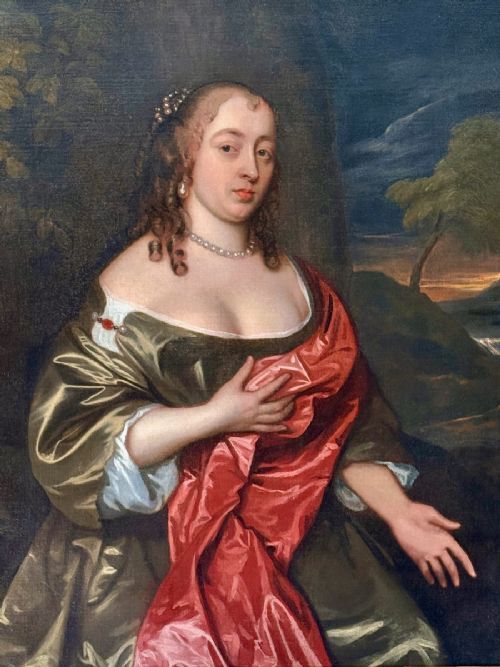
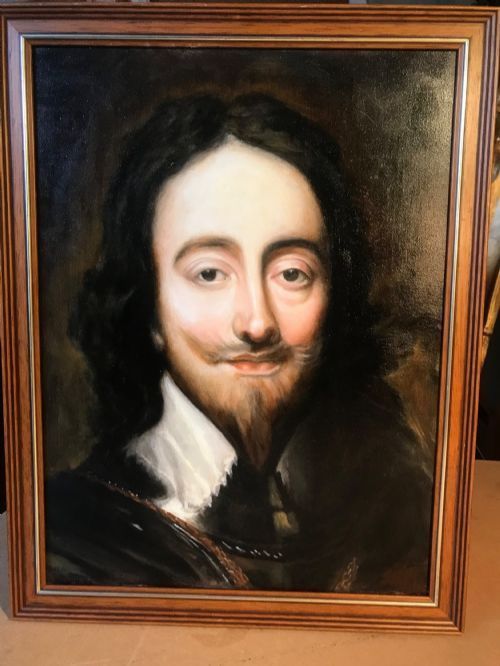
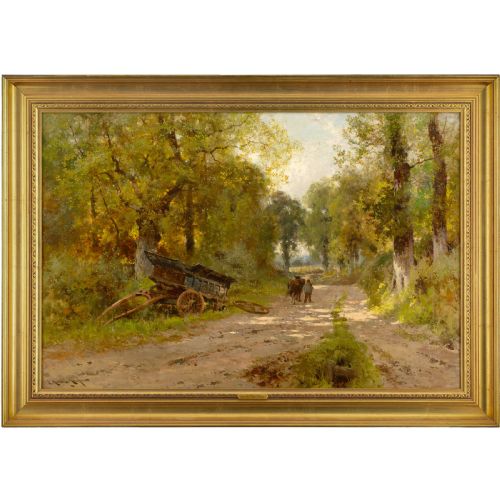
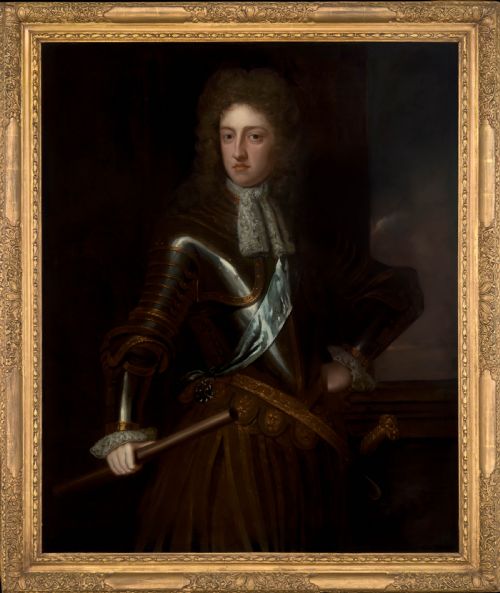
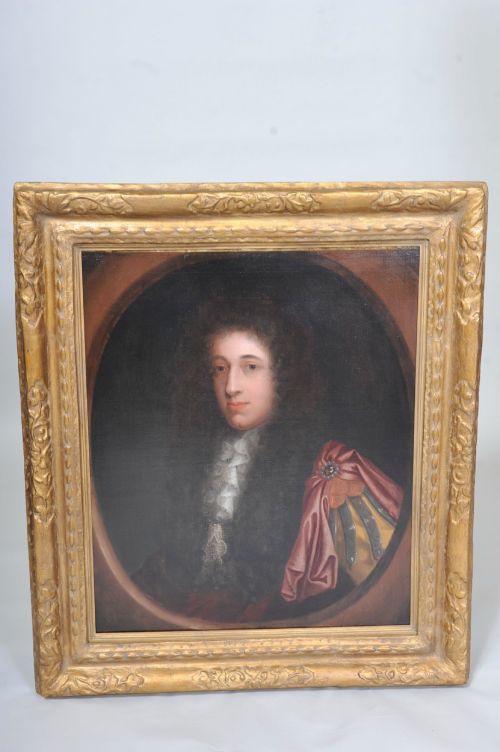
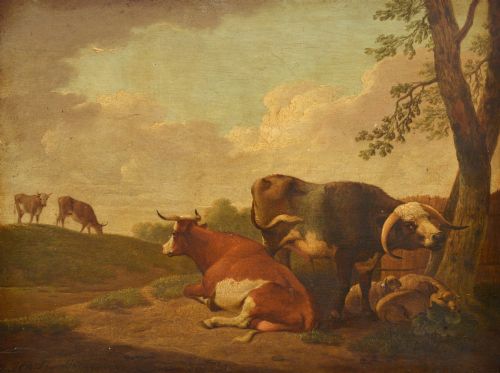
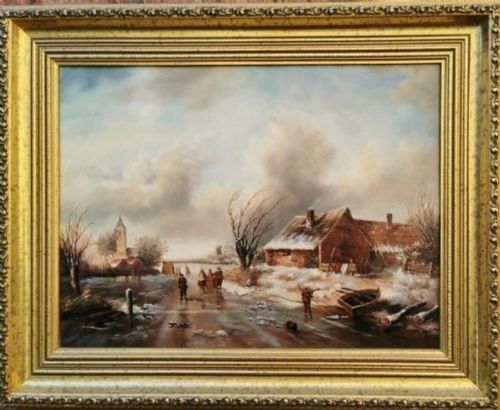
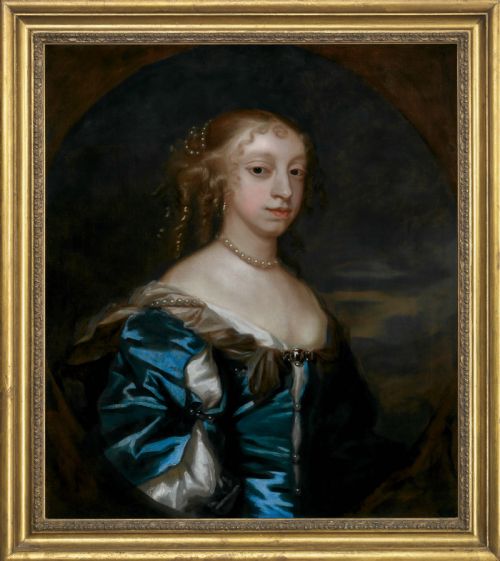
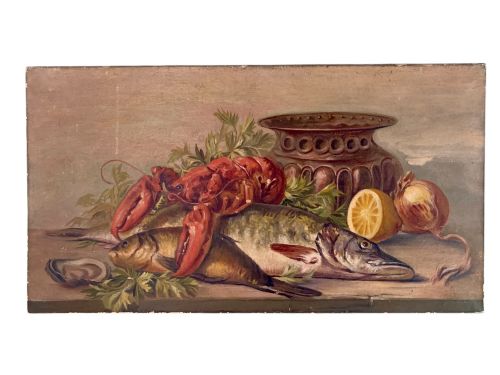
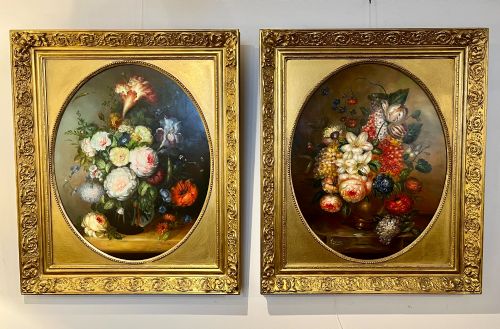
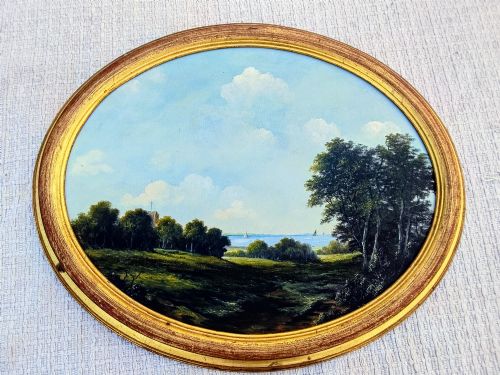
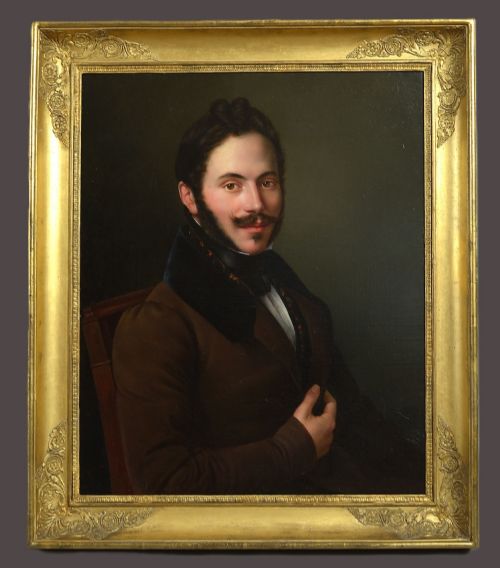
The selections on this page lean heavily towards authentic oil on canvas works alongside traditional framed prints. Subjects range from formal 17th-century aristocratic portraits to 19th-century landscape scenes and Dutch-inspired still life arrangements.
Originating across Britain, France and the Netherlands, these pieces reflect the aesthetic priorities of Georgian, Victorian and earlier European schools. Each item serves as a functional decorative anchor that defines the visual character of a traditional or eclectic interior space.
How they were made
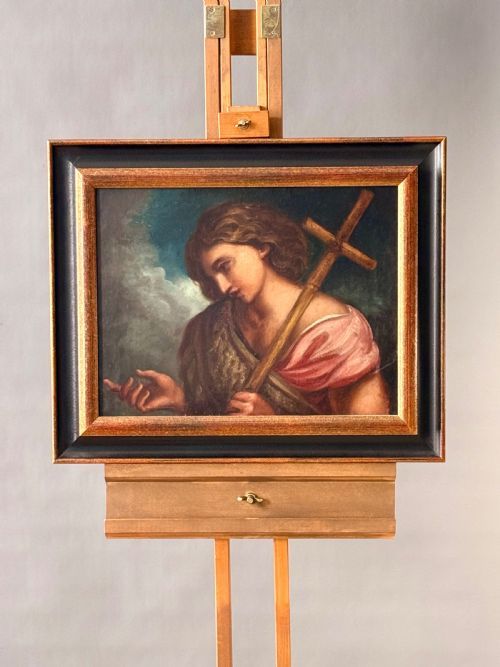
Traditional creation relies on oil paint applied to stretched canvas or wooden board panels, often housed within heavy gilded wooden frames. Artists built depth through layered glazing techniques, applying pigments mixed with oils to achieve luminous skin tones and atmospheric lighting effects.
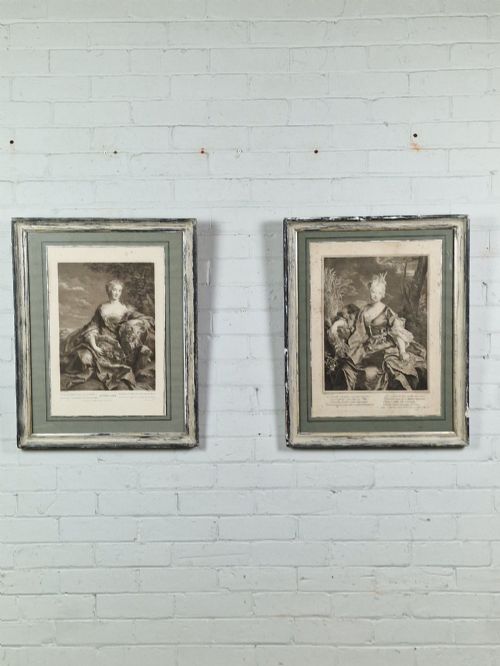
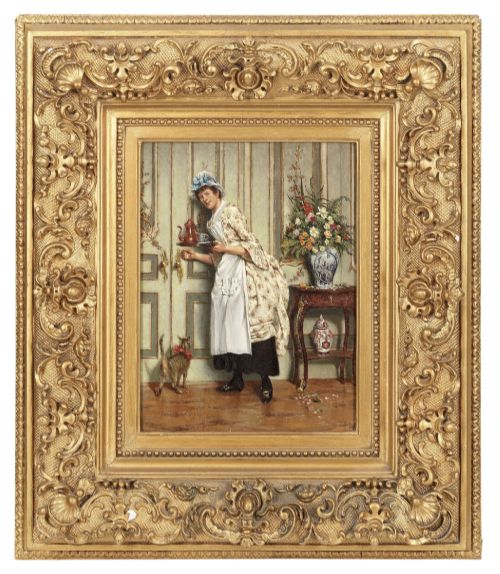
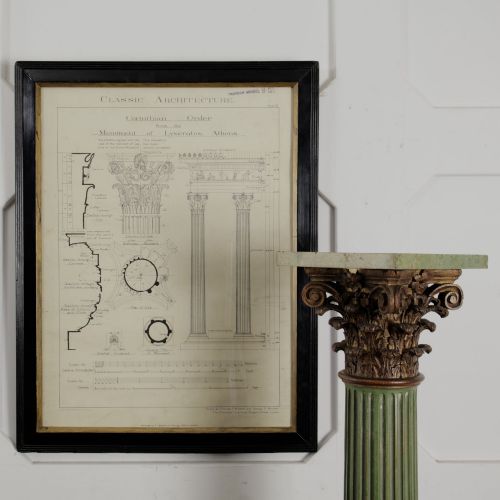
Paper-based works utilise copperplate engravings and early printing methods, sometimes protected beneath glass within period frames. Giltwood surrounds utilise carved timber ornamented with applied gesso and gold leaf to complement the artwork within.
Several historical gentlemen in these collections appear permanently distracted from their pipes, books, and chess games by distant horizons.
What varies in quality
The integrity of the original support structure and the survival of the untouched paint surface dictate the overall standard of a piece. Original frames matching the period of the artwork add substantive historical cohesion to the presentation.
Sir Godfrey Kneller·Jean Baptiste Van Loo·David Roberts·Edouard Pingret
The Classic Wall Art Glossary
- Oil on canvas
- A traditional painting medium where coloured pigments are suspended in drying oils and applied to a woven fabric support. This technique allows for rich blending and textured impasto work.
- Giltwood
- Timber carved and coated with a thin layer of gold leaf or metallic powder. It provides a reflective, ornate border suitable for formal historic paintings.
- Engraving
- A printmaking process where an artist cuts lines into a metal plate to hold ink. The resulting image is transferred under pressure onto paper sheets.
- Still life
- An artwork depicting inanimate subject matter, typically commonplace objects such as flowers, food or household items. These compositions focus on texture, light and shadow.
- Old Master
- A term for a European artist of high skill working before the nineteenth century. It also refers to paintings produced by these recognised historical figures.
Classic Wall Art: Frequently Asked Questions
How do I hang heavy oil paintings?
Heavy oil canvases require secure wall anchors fixed directly into masonry or wooden wall studs to support the substantial weight of the timber frame.
Professional picture hangers and multi-point hanging wire systems distribute the load evenly across the wall surface to prevent shifting.
Where should I place antique portraits?
Antique portraits suit formal living rooms, hallways or studies where traditional furniture complements their historical aesthetic.
Keeping them away from direct sunlight protects vulnerable oil pigments from fading over time.
How do I identify a 19th-century canvas?
Nineteenth-century works typically display machine-woven canvas textures and specific stretcher frame construction methods standard to the Victorian era.
Examining the materials on the reverse side often reveals period stamps, labels or oxidation patterns consistent with the age.
Can I mix different art periods?
Mixing seventeenth-century portraiture with nineteenth-century landscapes creates depth and visual variety within a single room display.
Unified framing choices or consistent thematic subjects help disparate historical periods sit comfortably together on the same wall.