
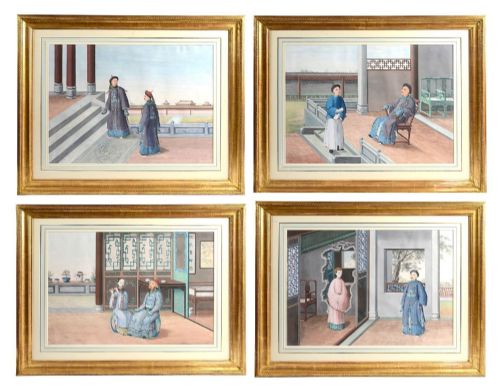
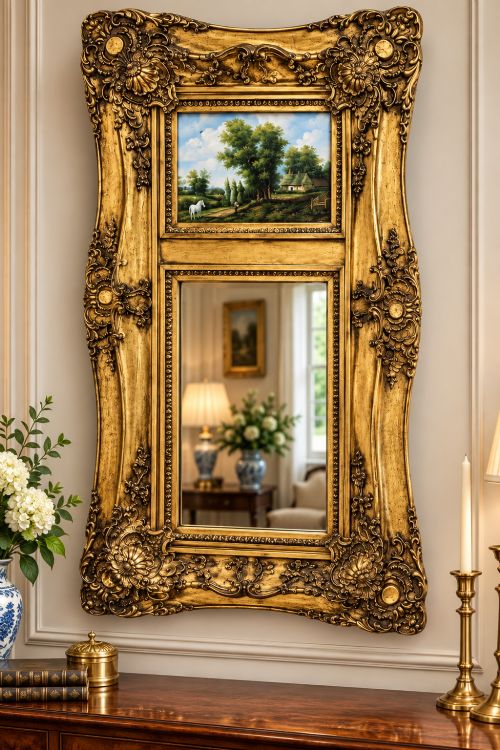
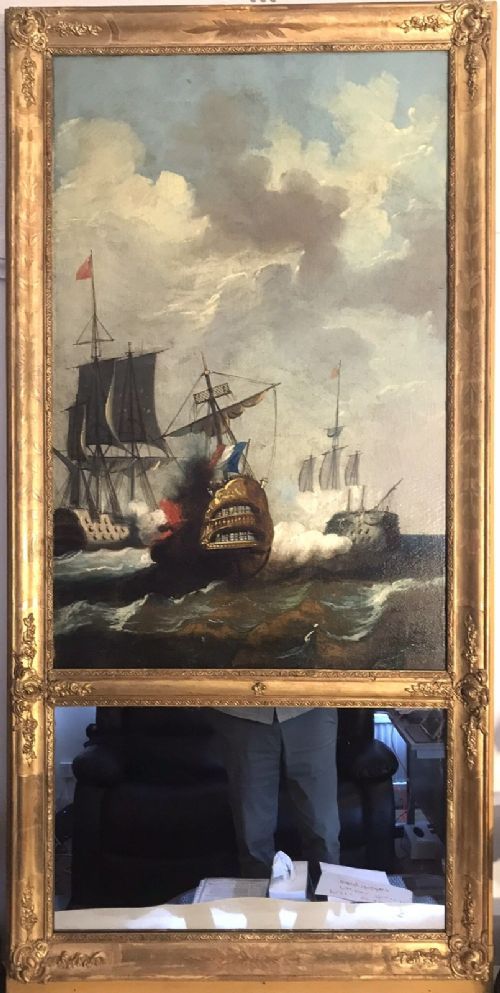
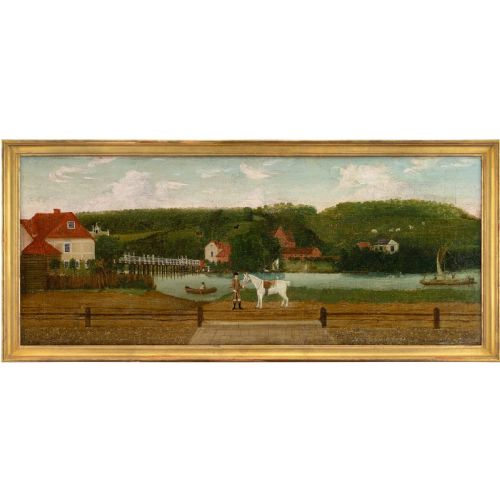





Antique Gilt Picture
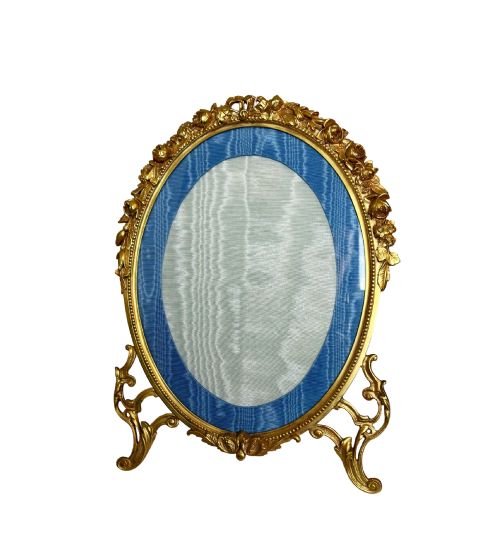
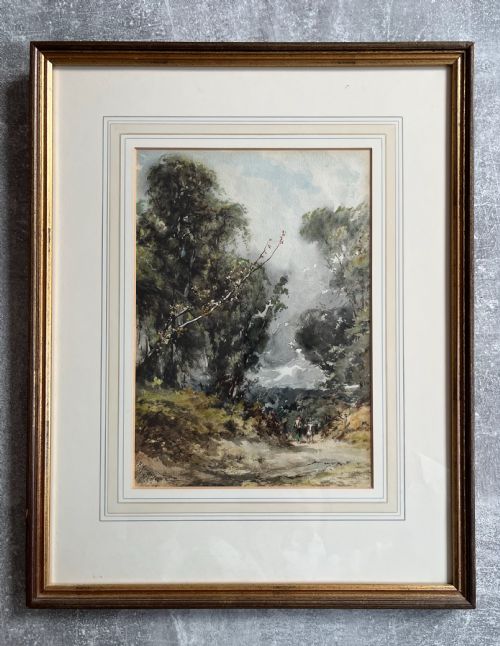
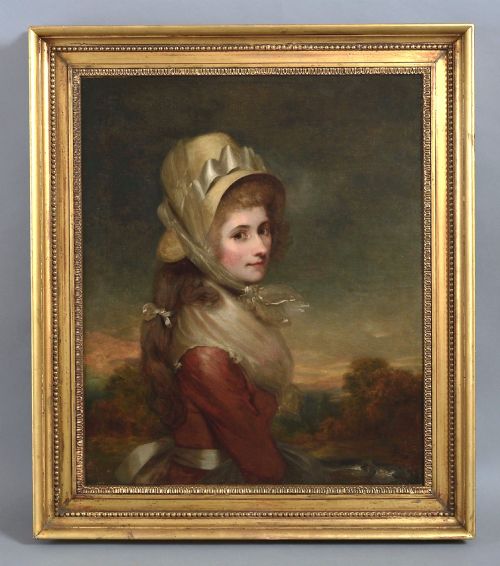
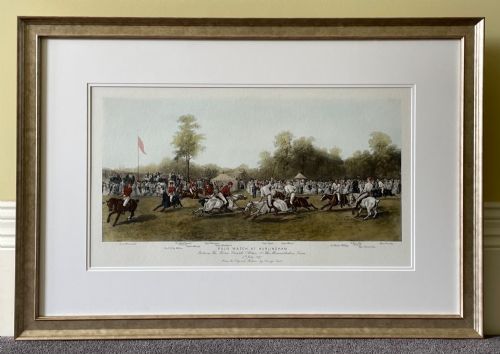
When you search for an antique gilt picture, you find paintings, drawings, and mirrors housed in period gilded surrounds.
Antique Gilt Picture
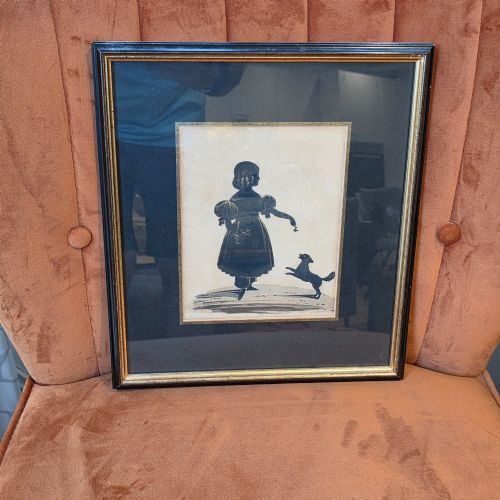
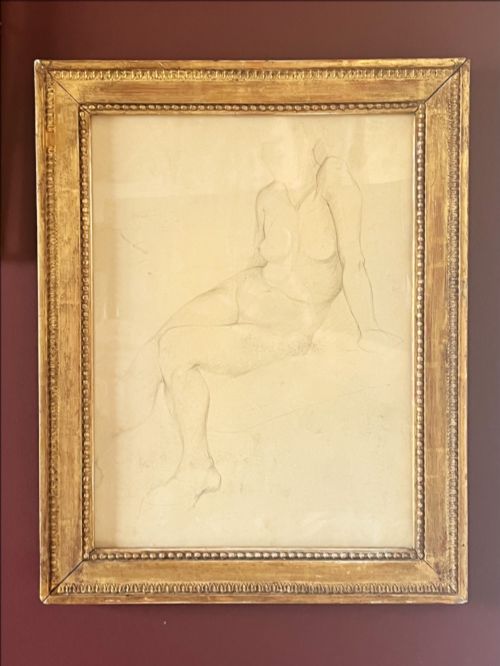
An antique gilt picture combines historical artwork with a decorative metallic frame, ranging from seventeenth-century portraits to twentieth-century watercolours. The selection spans oil on canvas, paper works, lithographs, and silhouette profiles, each enclosed in wood or gesso surrounds finished with gold leaf.
Buyers encounter empty decorative frames alongside complete works featuring landscapes, botanical studies, and aristocratic portraits. Originating from periods including the Georgian, Regency, and Victorian eras, these items serve as primary focal points for wall display.
How they were made
Frames utilise carved wood, gesso, and ebonised timber, finished with applied gold leaf or metallic gilt layers to achieve a luminous surface. Artisans shaped intricate mouldings with acanthus leaf decoration, swept curves, and Florentine carved patterns.
Artworks within utilise oil on canvas, watercolour, engraving, and lithography on paper or panel supports. The gilding process involved laying thin metal leaf over prepared gesso grounds on timber frames.
Canine subjects appear frequently, including needlework spaniels, resting pugs, and watercolour studies of dogs.
What varies in quality
The standard of carving and the depth of the gesso relief define the finer examples, where crisp acanthus leaves and hand-carved details remain sharp beneath the gilding. Lower tiers show cast composition ornament that lacks the definition of hand-worked wood.
The integrity of the original gold leaf surface separates standard pieces from exceptional survivals. Evidence of original gilding without excessive modern over-painting preserves the historical character of the object.
Chapman Brothers Chelsea
The Antique Gilt Picture Glossary
- Giltwood
- Wood that has been coated with gold leaf or a metallic substitute. This material forms the primary structure of many period decorative frames.
- Gesso
- A plaster-like mixture applied to wood frames to create a smooth surface for gilding. Artisans carved intricate decorative motifs directly into this dried layer.
- Swept frame
- A frame moulding featuring undulating, flowing curves popular in various historical periods. These contours catch the light across multiple intersecting planes.
- Rebate
- The recessed channel on the inner reverse edge of a frame that holds the artwork or mirror glass in place. Measurements of this space determine what size canvas fits the surround.
- Lithograph
- A print made from a flat stone or metal plate on which an image has been drawn. This technique allowed for the reproduction of pictorial works during the nineteenth century.
Antique Gilt Picture: Frequently Asked Questions
How do I date a frame?
Examine the construction methods visible on the reverse, including corner joints, timber type, and the composition of the gesso layer. Earlier frames often display hand-carved wooden foundations, while later examples utilise moulded plaster decorations.
Compare the profile and ornamentation against established stylistic periods like the Baroque or Regency eras. Secondary indicators include original backing boards, old label fragments, and the ageing patterns of the gilding.
Can I re-frame modern art?
Placing contemporary artwork into an antique gilt surround creates a striking contrast between old and new design elements. Ensure the internal rebate dimensions match the depth and width of the modern canvas or panel.
Take care to select a frame proportioned correctly to the scale of the artwork. Heavy ornate mouldings require substantial compositions so the surround does not overpower the piece.
How do I clean gilt surfaces?
Dust giltwood frames gently using a soft, dry artist brush or a clean microfiber cloth. Avoid applying water, chemical solvents, or modern cleaning sprays, which strip fragile metallic leaf.
Keep the pieces away from direct sunlight and high humidity to prevent the gesso from cracking. Professional conservation is recommended for flaking or unstable leaf surfaces.