


Antique French Fine Art
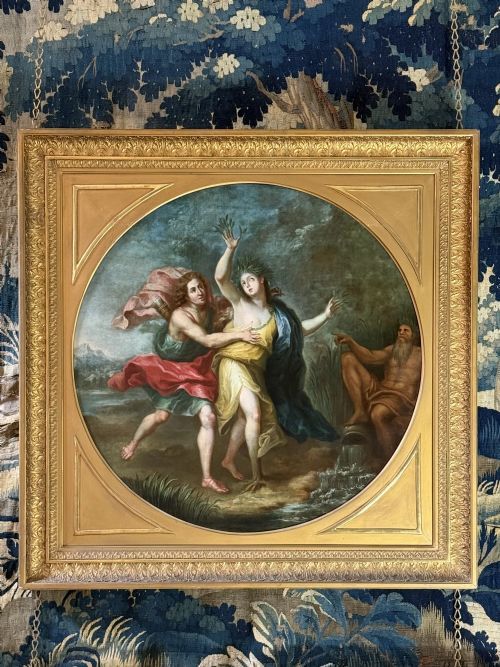
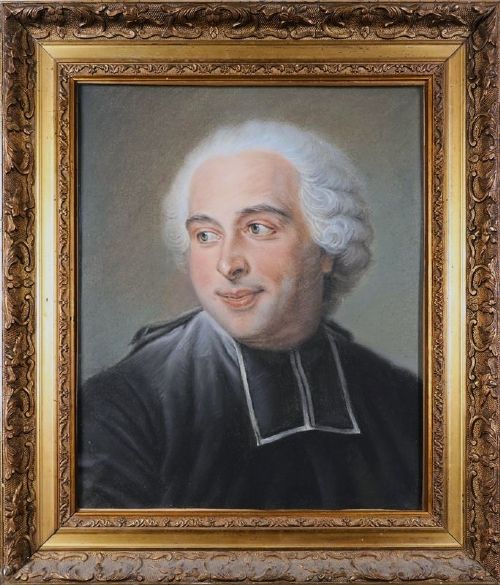
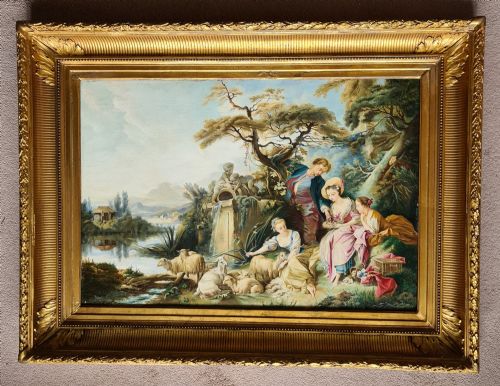
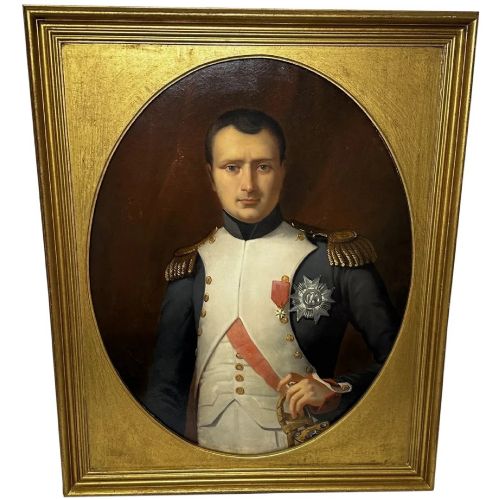
These antique french fine art pieces capture centuries of continental painting traditions, offering collectors evocative works spanning the Barbizon School to Post-Impressionism.
Understanding antique french fine art
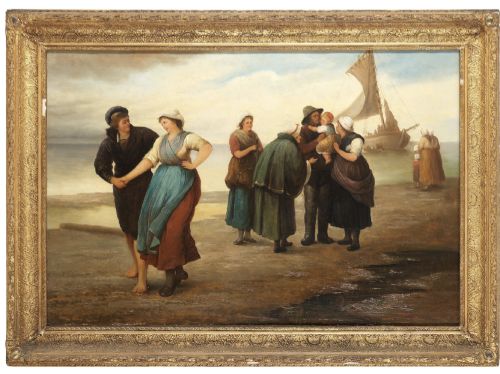
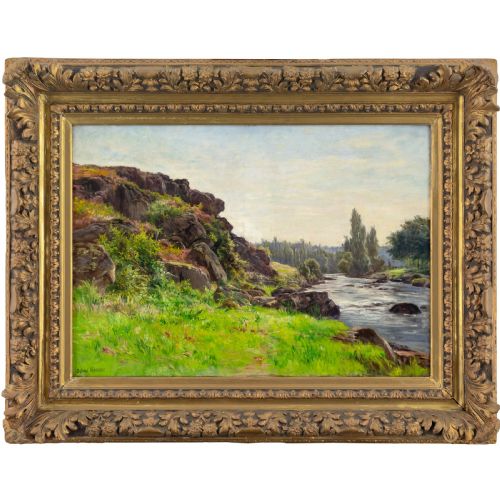
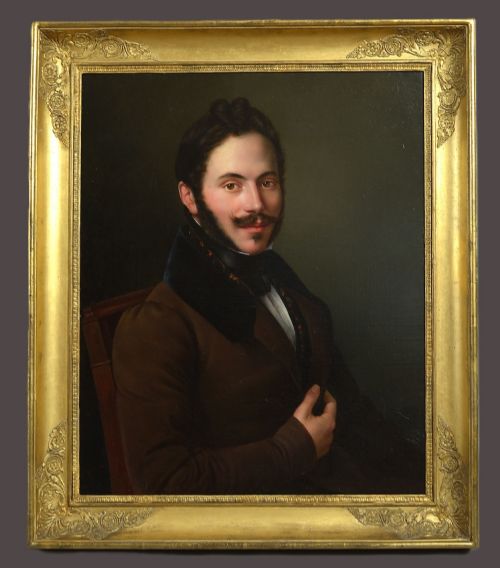
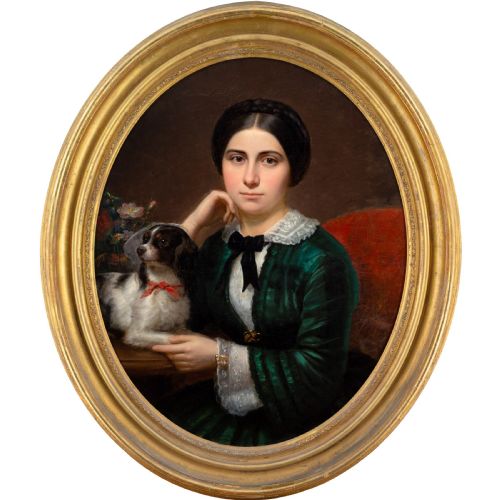
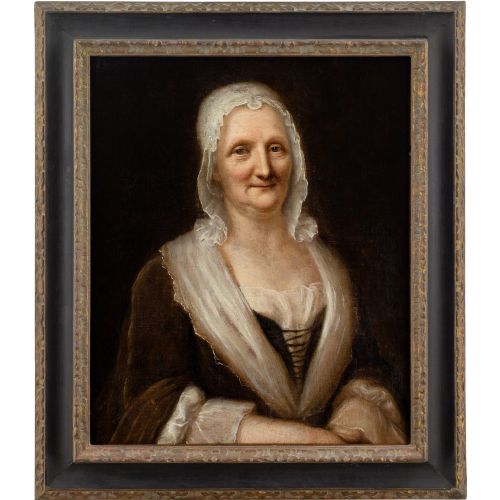
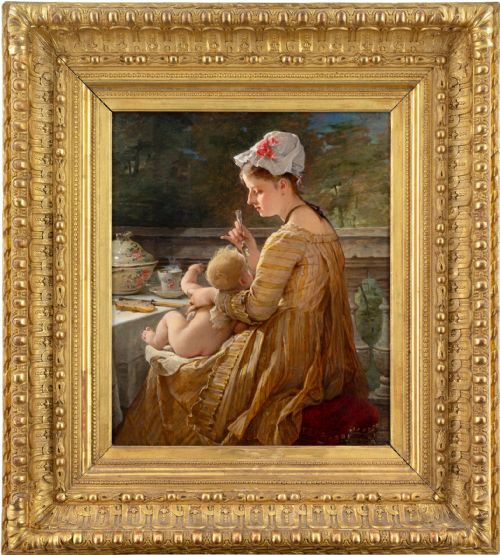
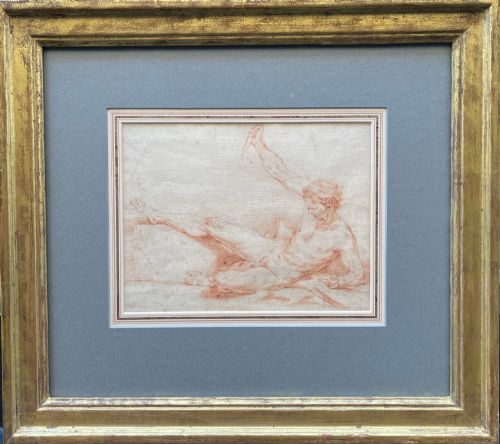
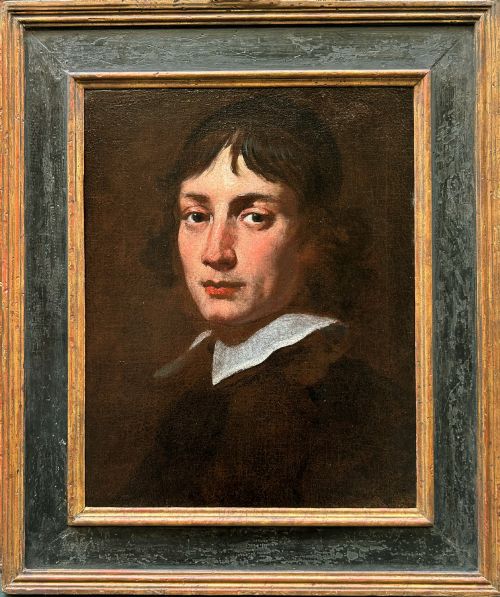
When you search for antique french fine art, you encounter oil paintings, watercolours, and gouaches originating from France across the nineteenth and early twentieth centuries. These works reflect major stylistic movements including the Barbizon School, French Impressionism, Post-Impressionism, Realism, and Symbolism. Landscapes, street scenes, portraits, and genre subjects dominate the selection available on this page.
The periods represented stretch from the mid-nineteenth century through to the early decades of the twentieth century, capturing pivotal shifts in continental aesthetics. You find canvases and panels attributed to named artists alongside works created in the manner or tradition of notable painters. Original frames, particularly those in gilded wood, frequently accompany these pieces, preserving their historical context.
Materials and construction
Painters of this tradition utilised oil paint and watercolour on supports such as stretched canvas, wooden panels, and heavy paper. The application of pigment ranges from smooth, academic blending to textured impasto characteristic of later impressionist and expressionist approaches.
Surrounding these works are frames fashioned from wood, often finished with gilt or gilding techniques to complement the visual weight of the paintings. The integration of canvas, oil medium, and carved wooden framing defines the physical substance of these works.
Retail Price Guide 2026
Typical UK retail prices for french fine art, calculated from the Sellingantiques database of over a million retail prices indexed since 2003. This retail price guide relies exclusively on Sellingantiques data; no external sources or auction records are used, so the figures do not describe the wider market.
Listings feature works executed in oil paint, watercolour, and gouache across canvas and panel supports from the nineteenth and twentieth centuries.
Distinctions in quality
The calibre of these works rests upon the surety of the brushwork, the depth of the composition, and the fidelity of the palette. Superior examples demonstrate a confident command of light and atmospheric perspective that elevates the subject matter.
Condition plays a role in differentiation, particularly the preservation of the original paint surface and the integrity of the gilt wooden frames. Works retaining their historical framing and stable paint layers stand apart from those bearing heavy intervention.
Paul Désiré Trouillebert·Eduard Leon Cortes·Edgard Maxence·Edouard Julien·Gaston Cornil·Eugene Battaille·Charles Edmond Rene His·Lucien Coutaud
The Antique French Fine Art Glossary
- Barbizon School
- A nineteenth-century French art movement dedicated to naturalistic landscape painting, emphasising direct observation of nature.
- Oil on Canvas
- A traditional painting technique where oil-based pigments are applied to a woven fabric support stretched across a wooden frame.
- Gilt Wood
- Wood treated with gold leaf or a gold-coloured metallic finish, commonly used for framing fine art paintings.
- Post-Impressionism
- A predominantly French art movement that developed roughly between the late nineteenth century and the early twentieth century, extending impressionist boundaries while rejecting its limitations.
- French Symbolism
- A late nineteenth-century movement in art that used mythological and dream-like imagery to express mystical ideas and inner emotional experiences.
Frequently Asked Questions
How do I identify a Barbizon School painting?
Barbizon School works typically feature rustic landscapes, atmospheric skies, and earthy palettes painted with a focus on realism and natural light.
Look for an emphasis on forest scenes, pastures, and rural workers, created by artists influenced by the plein air traditions of mid-nineteenth-century France.
Are these paintings supplied in original frames?
Many of these works retain period frames, particularly moulded and gilded wood constructions that complement the aesthetic of the nineteenth and early twentieth centuries.
Checking the reverse of the frame often reveals clues about its age and whether it has remained paired with the canvas over time.
What is the difference between oil on canvas and oil on panel?
Oil on canvas involves pigment suspended in drying oil applied to stretched fabric, which offers a slight bounce and distinctive surface texture.
Oil on panel utilises a rigid wooden support, providing a completely stable surface that prevents the cracking sometimes associated with aged canvas.
How should I care for an antique oil painting?
Keep antique paintings away from direct sunlight, extreme temperature fluctuations, and high humidity to protect both the canvas and the oil pigments from degradation.
Dust the surface gently with a soft, dry brush rather than using liquid cleaners or cloths that might snag on textured impasto paint.