
Religious Portrait Painting
A religious portrait painting captures figures of faith through centuries of European devotion and artistic interpretation.
Religious Portrait Painting
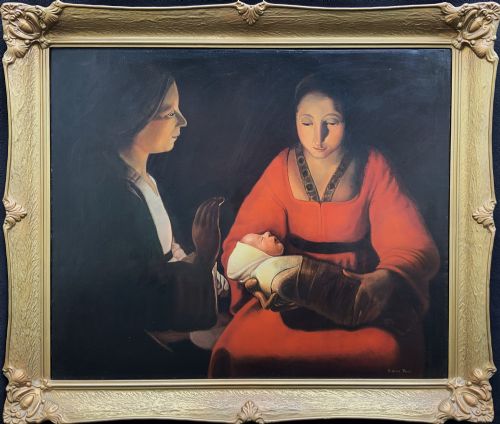
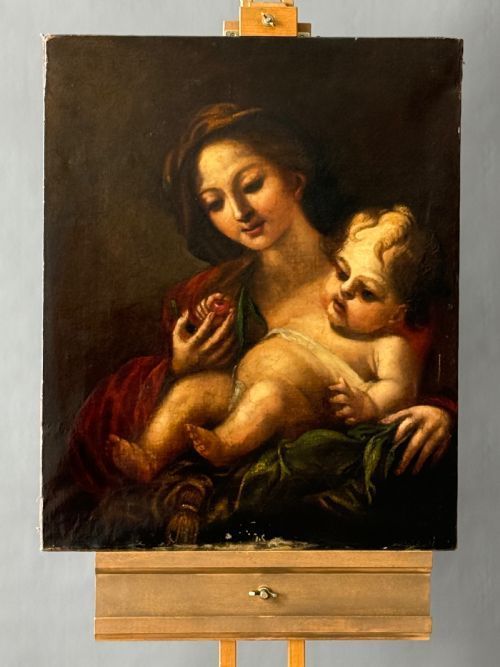
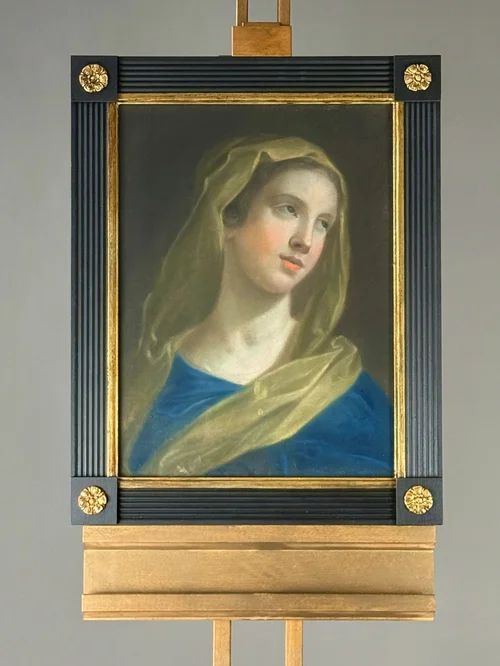
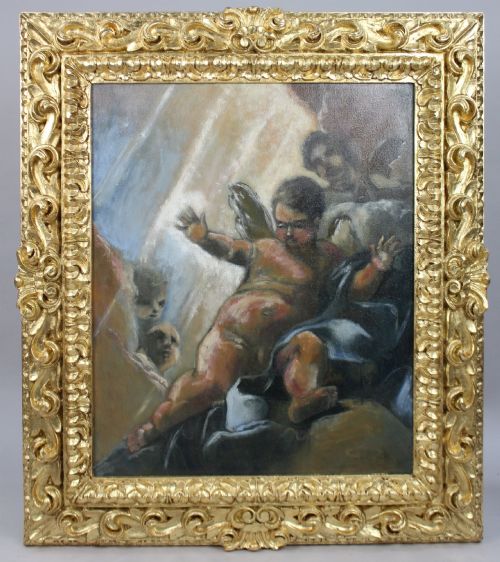
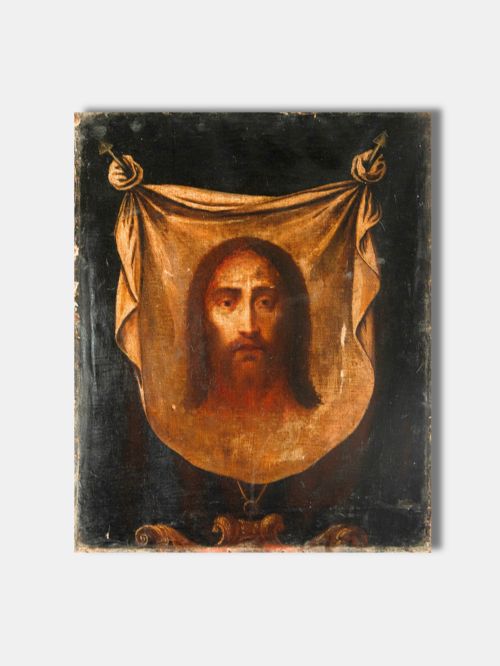
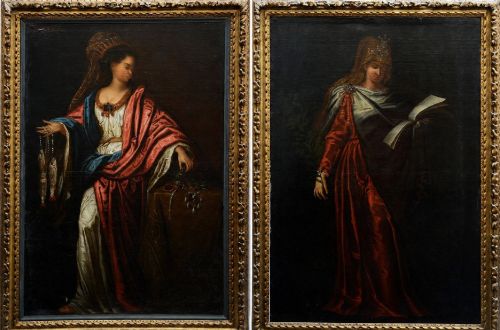
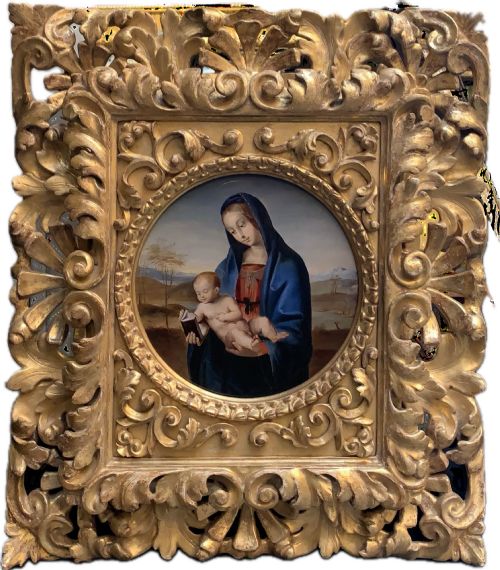
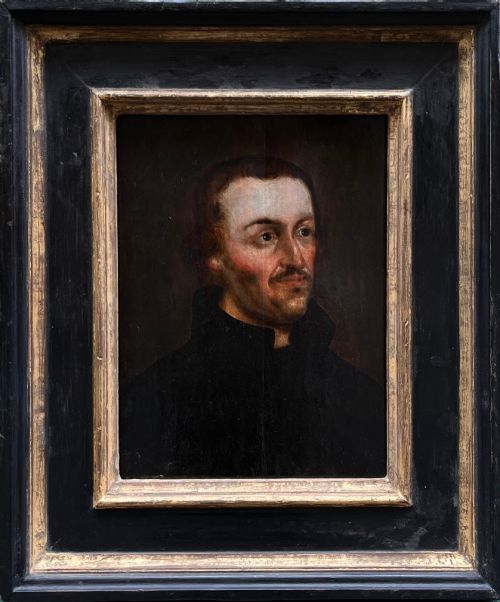
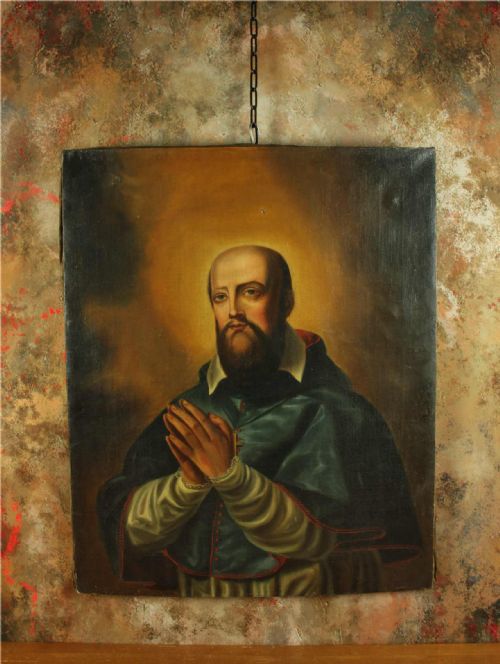
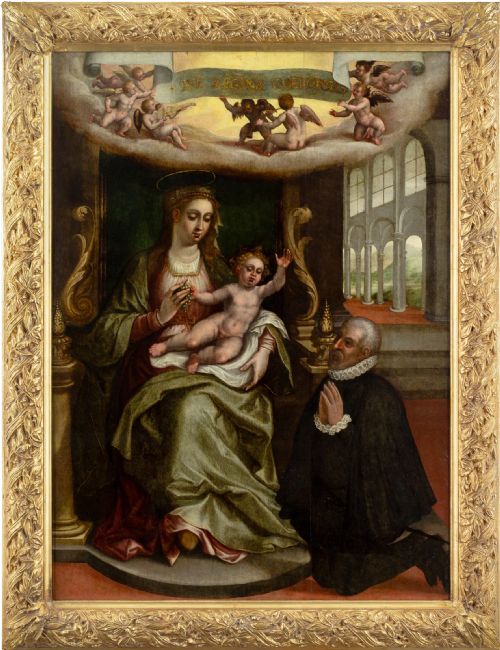
A religious portrait painting depicts saints, biblical figures, and devotional subjects rendered by European artists across several centuries. These works range from grand altar-scale canvases to intimate domestic panels and miniatures designed for private contemplation. The offerings span sixteenth-century Italian and Spanish schools through to Victorian interpretations and later revivals.
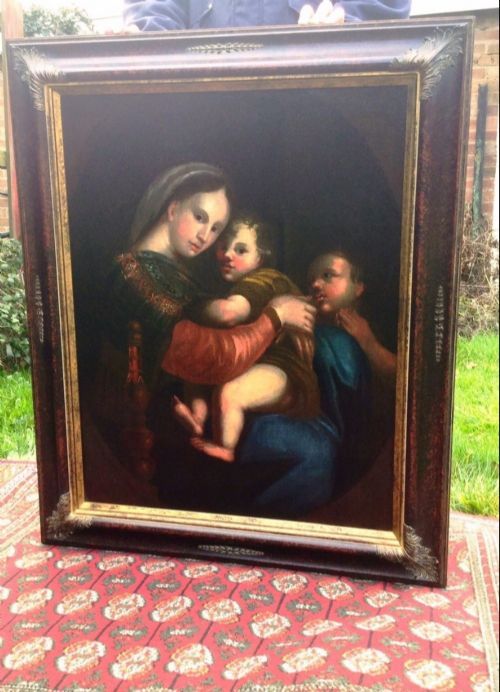
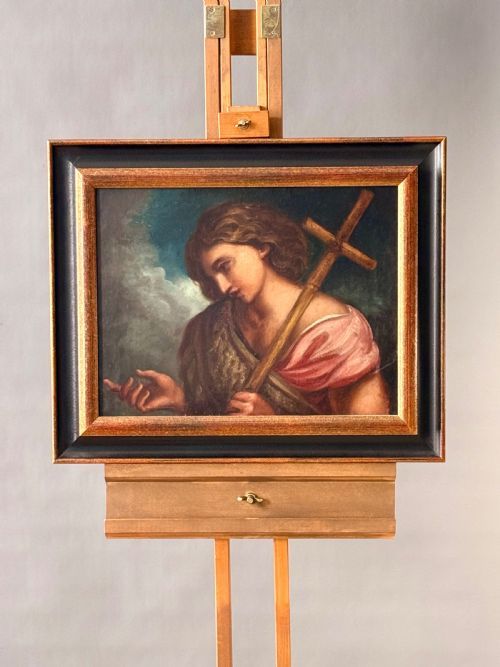
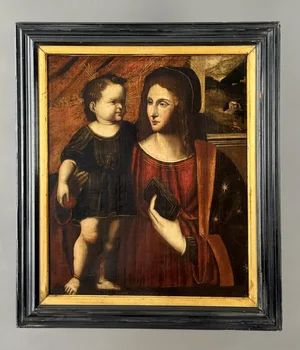
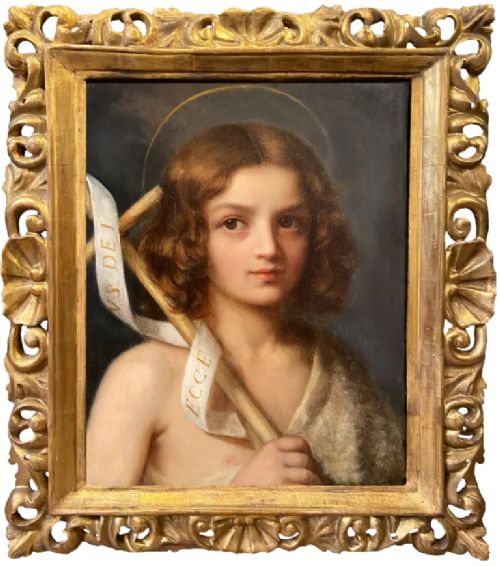
Buyers encountering this selection will frequently find eighteenth-century Italian and Spanish works alongside seventeenth-century Baroque examples. Common subjects include the Madonna and child, Saint John the Baptist, and various biblical narratives translated into oil on canvas or copper panels. Many pieces reflect the influence of major masters through period copies and follower workshops.
Materials and Techniques
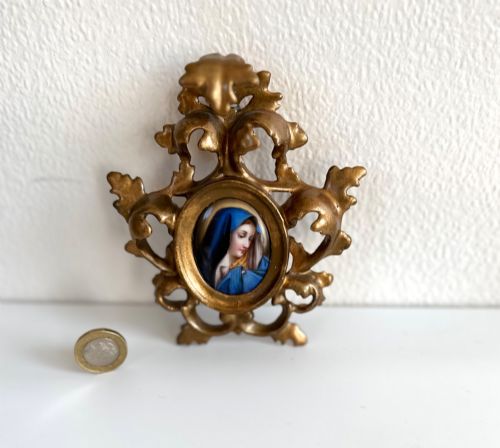
The primary medium recorded in these works is oil paint applied to woven canvas or prepared wooden panels, occasionally extended to copper plates and Limoges enamel. Pigments were built up in layers to create depth, sometimes revealing pentimenti where artists altered compositions during execution. Canvases are frequently housed in period carved giltwood frames that complement the devotional imagery.
Execution methods vary from direct studio creation by regional schools to careful copies after Renaissance masters like Raphael and Correggio. Artisans utilised gold leaf for highlights and halos in specific liturgical contexts, while miniaturists worked on delicate supports to produce portable items of faith.
Religious Portrait Painting Retail Price Guide 2026
Typical asking prices for religious portrait painting among the pieces listed under this phrase on Sellingantiques today, from the lower quarter to the upper quarter. They describe what is for sale here now, not the wider market.
French, Italian, and Spanish regional schools are represented alongside English and European traditions.
Factors of Quality
Quality in a religious portrait painting rests upon the confidence of brushwork and the expressive power rendered in the subject's face and hands. Superior examples display subtle tonal modulation and anatomical command, whereas simpler works rely on formulaic repetition without the same psychological depth.
The integrity of the original surface and the harmony of the accompanying frame contribute significantly to a piece's standing. Works executed by documented regional schools or accomplished followers demonstrate a higher tier of draughtsmanship compared to anonymous provincial output.
Benedetto Luti·Francesco Solimena·Bernardino Luini·Miguel Barroso·Scipione Pulzone
The Religious Portrait Painting Glossary
- Pentimento
- An alteration in a painting, evidenced by traces of previous work, showing that the artist changed their mind during the composition. This occurrence often authenticates an older canvas by revealing the creative process beneath the final top layers of oil paint.
- Baroque
- An artistic style prevalent from the late sixteenth century into the eighteenth century, characterised by dramatic lighting, intense emotion, and dynamic movement. Works from this period use strong contrasts between light and dark to heighten the spiritual drama.
- Giltwood
- Wood that has been coated with a thin layer of gold leaf or powder, commonly used for ornate frames during the seventeenth and eighteenth centuries. These frames provide a reflective border that enhances the illumination within the painted scene.
- Old Master
- A term for a European painter of skill who worked before about eighteen hundred. These artists formed the foundation of traditional academic techniques seen across historical religious canvases.
Religious Portrait Painting: Frequently Asked Questions
What subjects are common in religious portrait paintings?
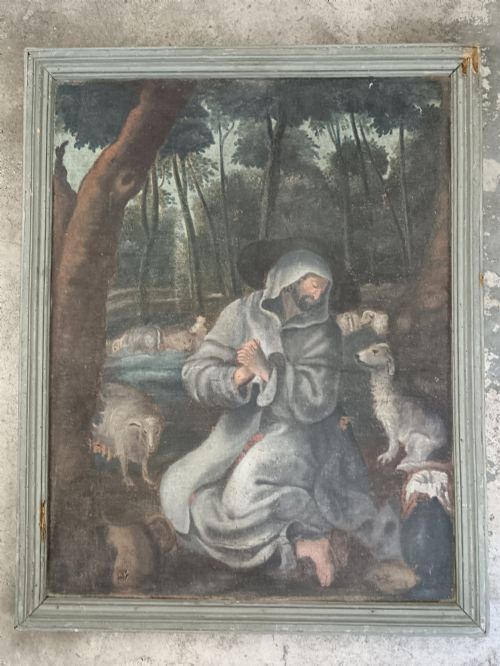
These works frequently portray the Madonna and child, holy families, and individual saints such as Saint John the Baptist or Saint Francis. Biblical narratives and historical figures of faith also appear regularly across the centuries.
Subjects were chosen to inspire devotion in domestic spaces or smaller chapels, reflecting the theological priorities of their specific regional schools.
How do you date a religious portrait painting?
Dating relies on stylistic markers, costume details, pigment analysis, and the construction methods of the canvas support or wooden panel. Baroque works show dramatic lighting, while earlier pieces retain Renaissance compositional balance.
Comparative analysis with known works by followers or regional workshops helps narrow the period of creation to a specific century.
What is an old master oil painting?
An old master oil painting originates from a European artist working before the nineteenth century. These pieces reflect the traditional studio practices, media preparation, and stylistic conventions of their era.
Many available works are attributed to specific schools or followers who perpetuated the techniques of major historical figures.
How should I care for an antique oil painting?
Antique canvases require stable environmental conditions away from direct sunlight, excessive heat, and sudden humidity fluctuations. Keeping the surface free of accumulated dust helps preserve the integrity of the oil paint layer.
Framed works should be hung securely using appropriate hardware suited to the weight of the carved wood and stretcher bars.