
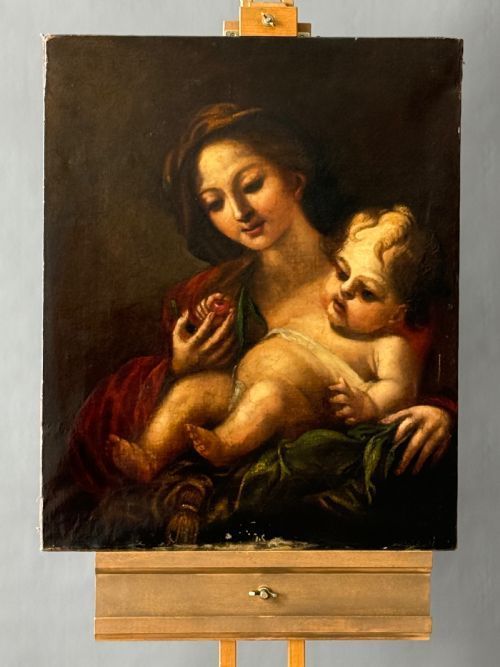
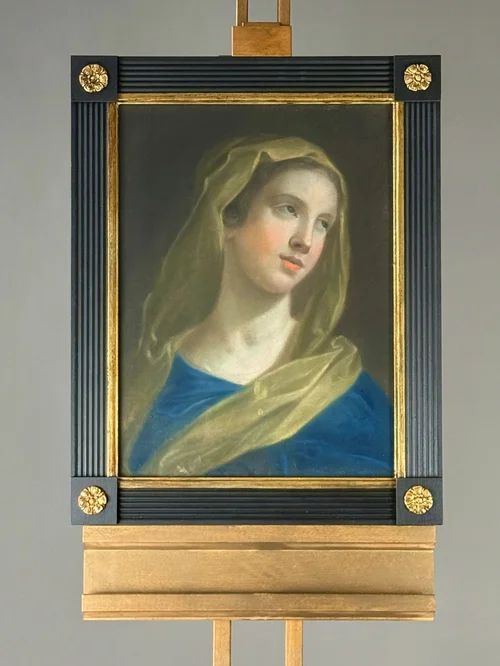
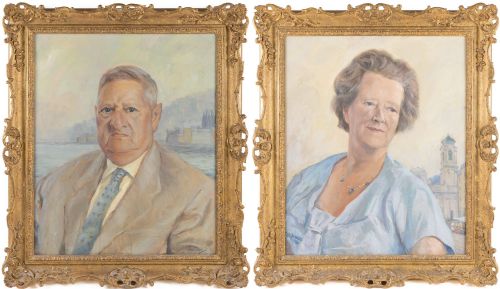
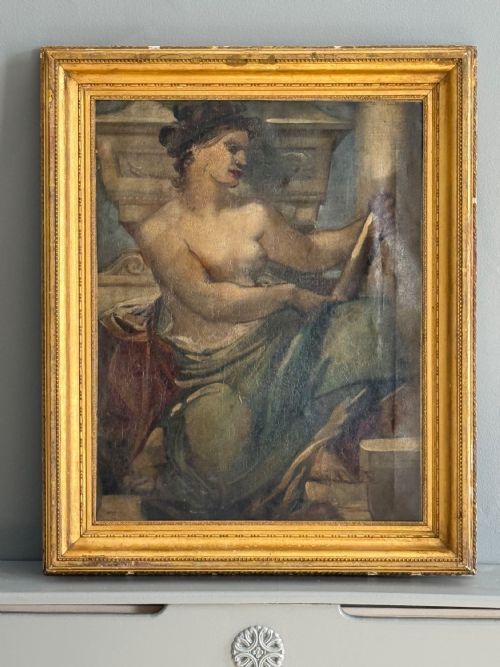
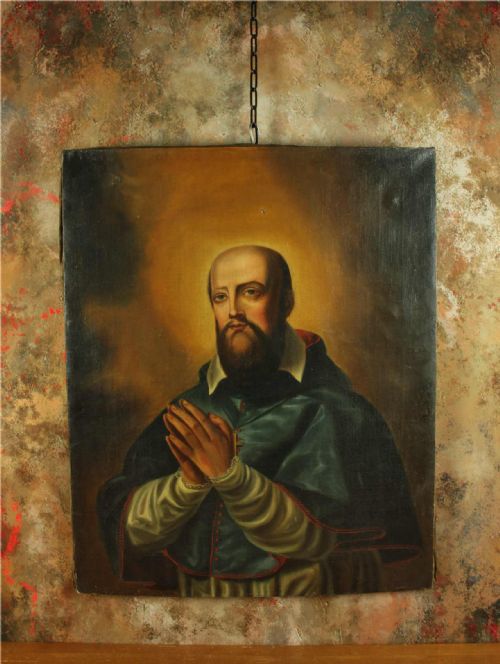
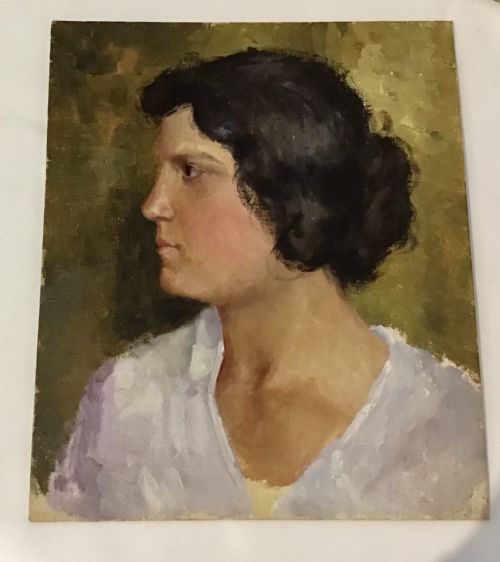


Italian School Portrait
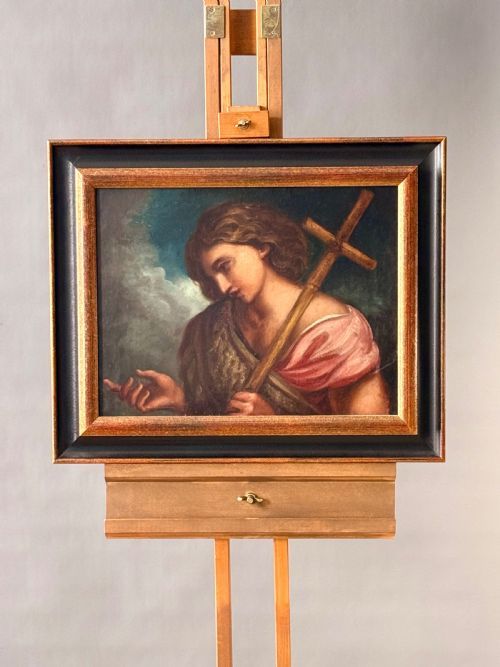
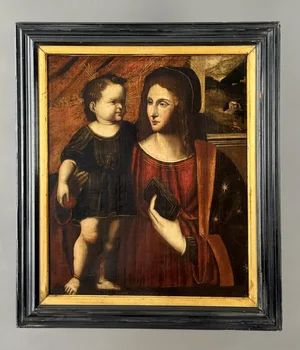
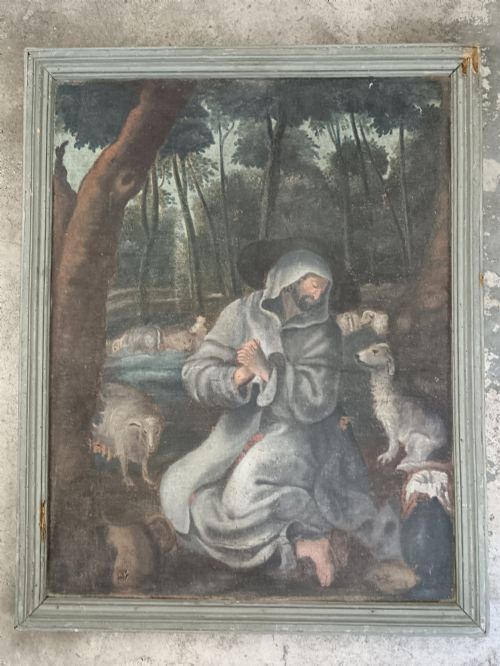
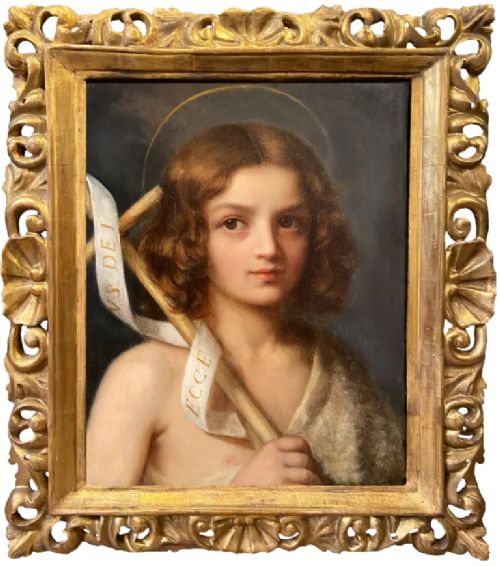
An italian school portrait brings centuries of continental draftsmanship, religious iconography, and aristocratic presence directly into a room.
Italian School Portrait
An italian school portrait encompasses centuries of regional artistic output, stretching from sixteenth-century Renaissance interpretations to nineteenth-century academic studies. Buyers seek these works for their deep connection to historical ateliers, religious devotion, and classical humanism.
The selections on this page lean heavily towards oil on canvas and wood panel formats, featuring sacred figures, noblemen, and genre subjects. Surviving examples often display the lingering influence of major master painters through deliberate copies or regional revival movements.
Materials and Technique
Makers utilised traditional grounds applied to woven canvas or dense wood panels, building up luminous depth through layered oil paint and translucent glazes. Gold leaf frequently highlights the ornate frames or halos within religious compositions.
Draftsmanship relied on precise preparatory underdrawings, sometimes visible today through natural ageing or pentimenti where the artist altered a contour during execution.
Listings feature works spanning from the sixteenth century through the mid-twentieth century, executed in oil, pastel, and watercolour.
Distinguishing Quality
The hierarchy of these works rests on the sensitivity of the brushwork, the anatomical conviction of the face and hands, and the preservation of the original pigment layers. Superior examples capture a psychological immediacy that transcends standard workshop repetition.
Original framing adds significant merit, particularly where period giltwood or carved surrounds complement the visual weight and historical context of the canvas.
Benedetto Luti·Bernardino Luini·Bartolomeo Schedoni·Giovanni Battista Moroni·Rosso Fiorentino·Guido Reni·Federico Andreotti
The Italian School Portrait Glossary
- Pentimento
- A visible trace of an earlier painting, adjustment, or correction beneath the final layers of oil paint. This phenomenon proves the artist worked directly on the composition rather than mechanically transferring a pre-planned design.
- Tondo
- A circular painting or relief sculpture format popular in Renaissance and later Italian art. It requires the composition to be arranged harmoniously within a curved boundary.
- Giltwood
- Wood that has been treated with a thin layer of gold leaf or gold powder. It provides the shimmering, reflective border typically found on grand antique frames.
- Old Master
- A term for a European artist of high skill working before the nineteenth century. These painters established the foundational traditions reflected in later regional school works.
Italian School Portrait: Frequently Asked Questions
How do I identify an Italian school portrait?
An italian school portrait typically reveals itself through characteristic handling of light, shadow, and subject matter rooted in historic continental traditions. Look closely at the preparatory layers, pigment richness, and stylistic links to established regional movements.
Examining the stretcher bars, canvas weave, and framing style also helps determine whether a piece originates from an active period workshop or a later revival.
Were these portraits always meant for churches?
While many surviving examples depict saints, madonnas, and biblical figures intended for devotional spaces, a vast number recorded secular sitters, nobles, and everyday characters. Portraits of cardinals, philosophers, and children served domestic display in elite palazzos.
Religious works functioned as private prompts for contemplation just as much as public statements of faith and patronage.
What is the difference between an original and an after piece?
An original composition stems directly from an artist's independent invention, whereas a piece marked 'after' denotes a deliberate study or historic copy of a known masterpiece. These derivative works were vital for training and allowed collectors to own interpretations of famous museum treasures.
Both categories hold historical significance depending on the quality of execution and the age of the canvas.
How should I care for an old canvas painting?
Protect antique oil paintings by maintaining stable indoor humidity and avoiding direct, harsh sunlight that can degrade aged varnish layers. Dust the surface very gently with a soft, dry brush without applying pressure to the paint.
Professional cleaning and conservation should be left to specialists who understand historic pigments and delicate grounds.