
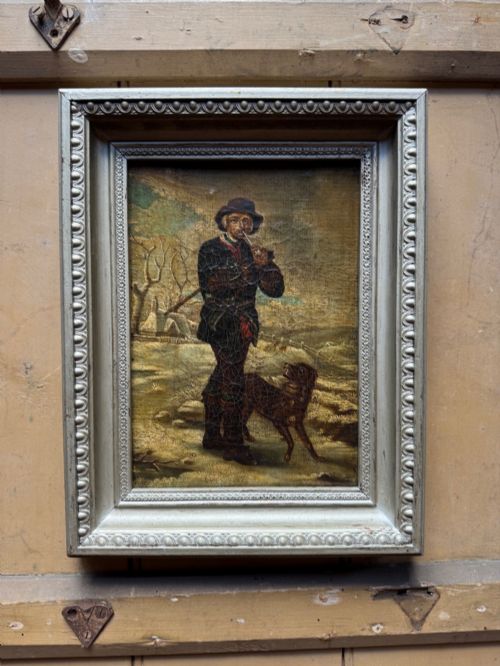
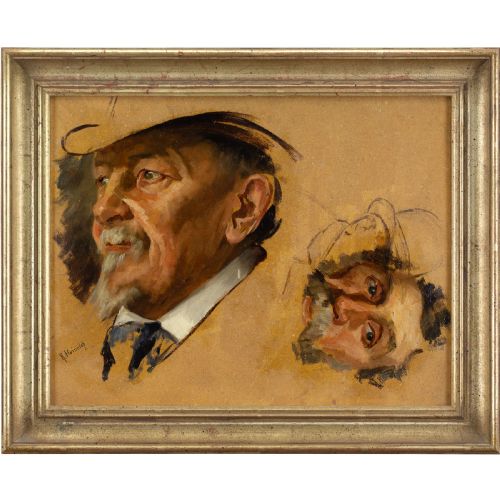
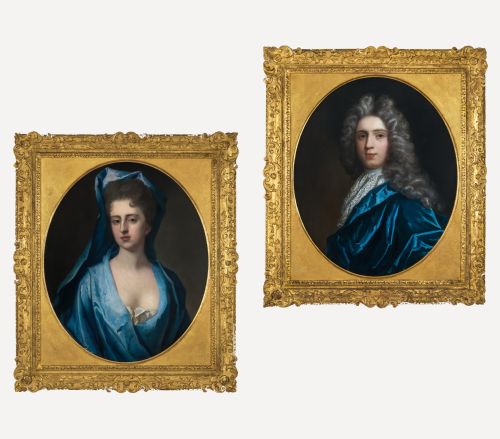
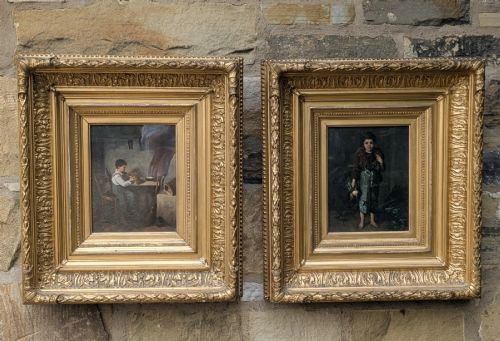
Antique Oil Portrait Study
An antique oil portrait study captures a likeness with directness, offering a glimpse into personal history through painted canvas, panel and board.
Understanding antique oil portrait study pieces
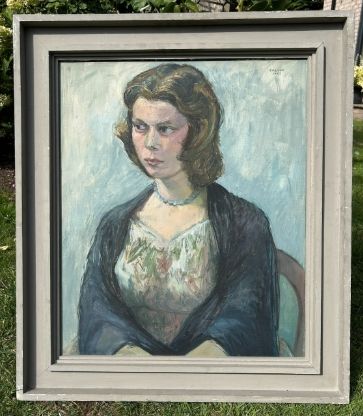
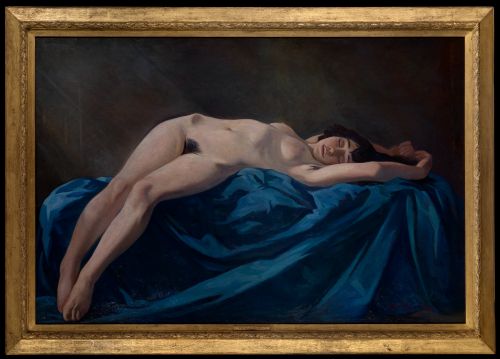
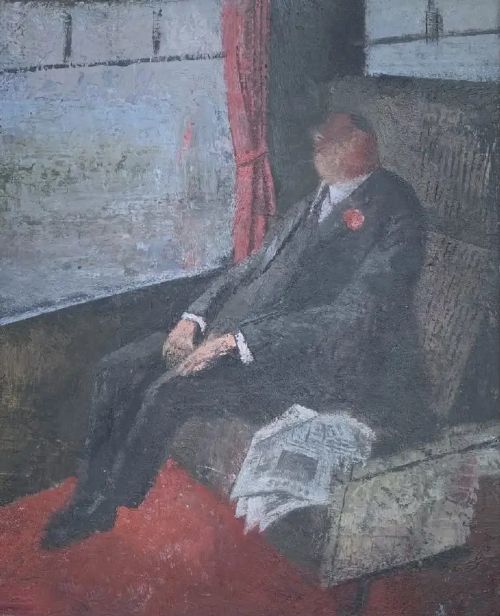
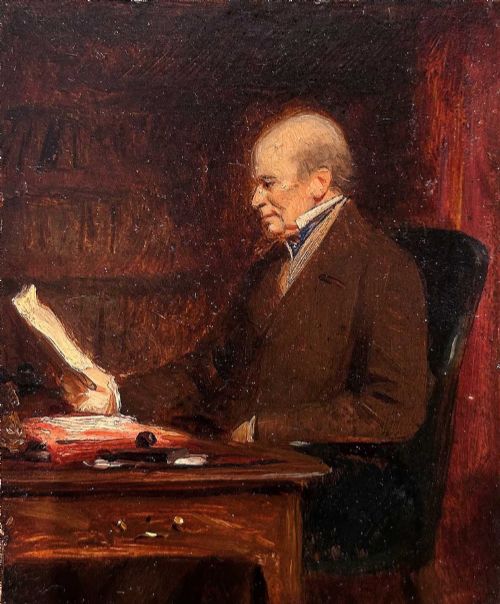
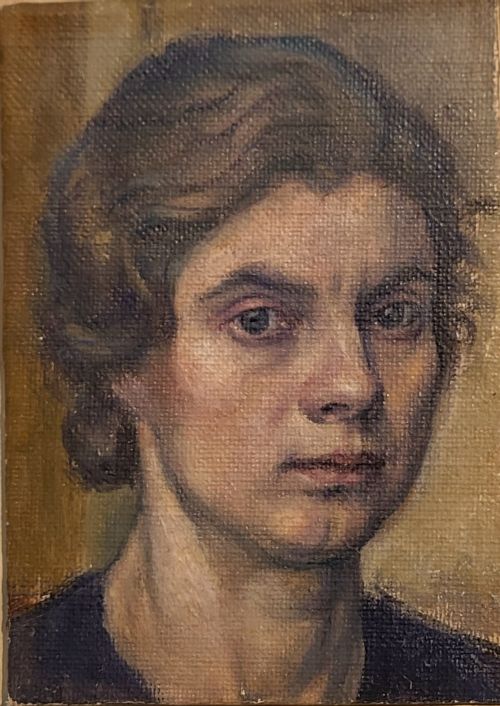
An antique oil portrait study represents a painted depiction of a person, ranging from detailed Victorian realisms to impressionist child studies and intense Baroque heads. Buyers seeking this phrase encounter British, Italian, Roman, Swedish and Belgian works spanning the seventeenth century up through the nineteen-thirties.
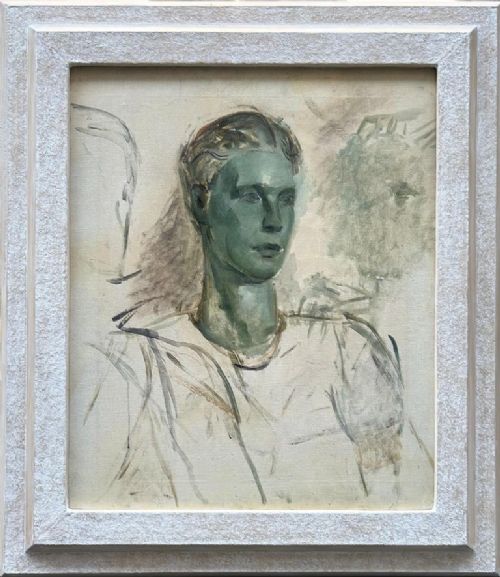
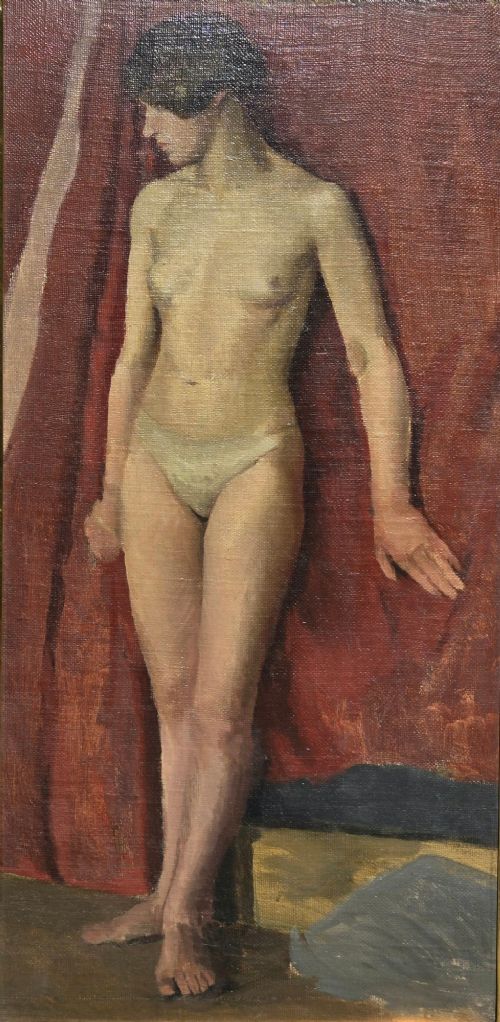
The selections on this page encompass finished likenesses and intimate preparatory studies on canvas, wood panel and board. Many bear attribution to specific schools or named artists, whilst others remain anonymous domestic and marine representations.
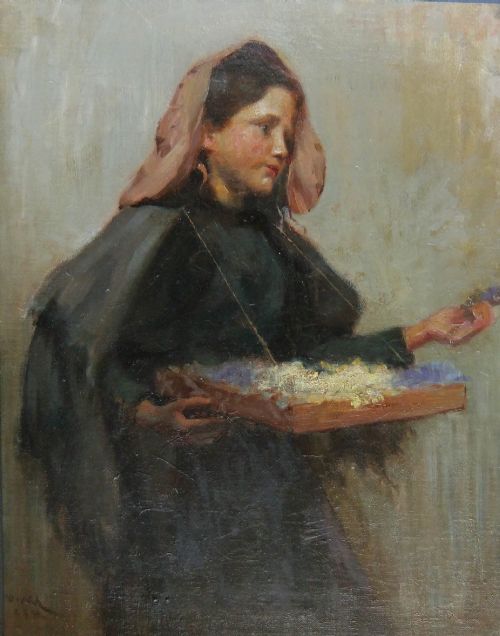
Subjects vary from titled baronets and philosophers to children, gentlemen and women in lace bonnets. Each piece preserves the physical presence of an individual through historical painting traditions.
Materials and techniques
Artists painted these works using oil pigments applied to canvas, stretched wood supports, or rigid board panels. Some compositions incorporate gold leaf and giltwood framing to elevate the visual impact of the depiction.
Techniques range from smooth, academic layering seen in seventeenth-century and Victorian works to looser impasto strokes and impressionist brushwork characteristic of later periods. Supports vary from traditional woven canvas to card and panel depending on the date and origin.
Retail Price Guide 2026
Typical UK retail prices for oil portrait study, calculated from the Sellingantiques database of over a million retail prices indexed since 2003. This retail price guide relies exclusively on Sellingantiques data; no external sources or auction records are used, so the figures do not describe the wider market.
Assessing quality in portrait studies
The condition of the oil medium and its underlying support largely influence desirability. Intact surfaces with minimal historical restoration hold greater appeal for collectors of fine art painting.
Michael Dahl·Thomas Murray·Ralph Hedley·Arthur Paine Garratt·Ernst Theodor Krause·Curt Ruger·Nils Forsberg·Georges Rouault·Georg Achen·Édouard John Mentha
The Antique Oil Portrait Study Glossary
- Oil on canvas
- A painting technique where pigment suspended in oil is applied to a stretched cloth support. This combination allows for rich colour blending and durability over centuries.
- Panel
- A rigid wooden support used by artists instead of canvas. Wooden boards provide a firm foundation for detailed brushwork.
- Impasto
- Paint applied thickly to a canvas so that it stands out from the surface. This technique adds tactile dimension and visible brush texture to a study.
- School
- A group of artists working in a particular style, region or period, often without a direct master-pupil relationship. Attributions to a specific school indicate shared regional characteristics.
- Baroque
- An artistic style prevalent in the seventeenth century characterised by dramatic lighting, deep shadows and intense emotional expression. Portraiture from this era emphasises psychological depth.
Frequently Asked Questions
What is a portrait study?
A portrait study is a painting focused primarily on capturing the likeness, expression or character of a sitter. These works often served as preparatory exercises or independent artistic explorations rather than formal, commissioned gallery pieces.
Because they were frequently less formal than grand ceremonial portraits, artists felt freer to experiment with lighting, mood and looser brush techniques.
How do I date an oil portrait?
Dating relies on examining the stretcher construction, canvas weave, framing style and the sitter's clothing and hairstyle. Historic portraiture often reflects the prevailing artistic conventions and fashions of its specific decade or century.
Signatures, inscriptions on the reverse, and stylistic comparisons with known works by specific schools further help narrow down the period of creation.
Where should I hang a portrait study?
These paintings suit traditional living spaces, studies or hallways where their intimate scale can be appreciated up close. Pairing them with period furnishings or traditional wall colours enhances their historical character.
Avoid placing oil paintings in direct sunlight or areas with high humidity to protect the canvas and pigment from degradation over time.
What does attribution mean?
Attribution indicates that an expert believes a work was created by a specific artist or workshop based on stylistic evidence. Terms like attributed to suggest strong stylistic ties without definitive documentation.
Works designated simply by a regional school reflect the broader artistic traditions of a country and era rather than a named individual.