


17th Century Italian Art
17th century italian art brings dramatic oil paintings, carved wood panels and embroidered textiles into a room with deep religious and classical narratives.
17th Century Italian Art
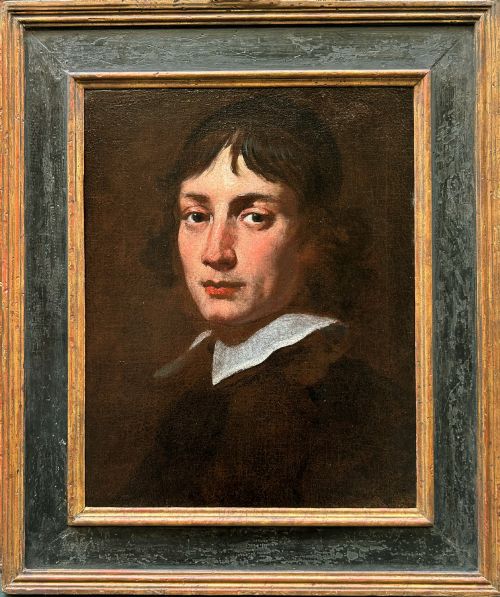
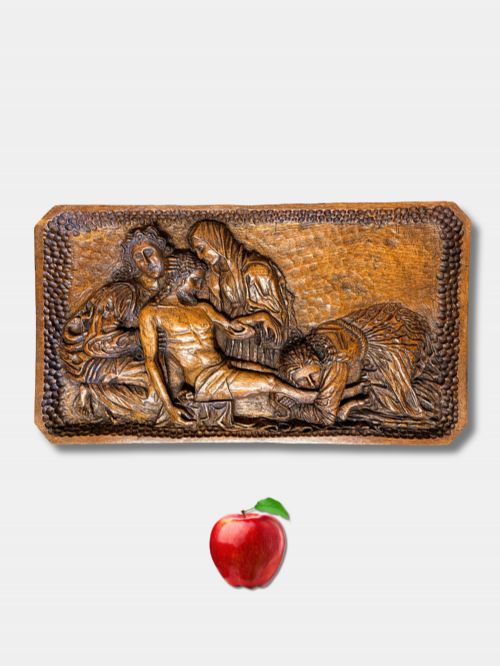
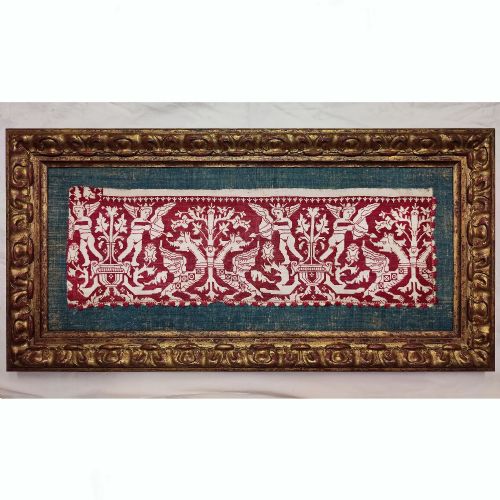
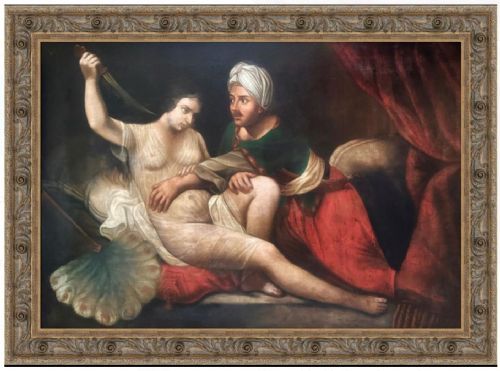
When searching for 17th century italian art, a buyer encounters oil paintings on canvas and wood panels alongside carved chestnut panels and framed textiles. These pieces reflect religious iconography, classical mythology, marine seascapes and portraits originating from specific regional schools.
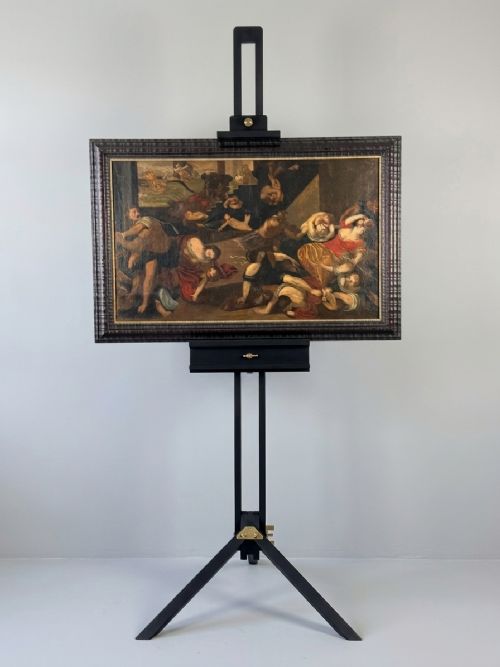
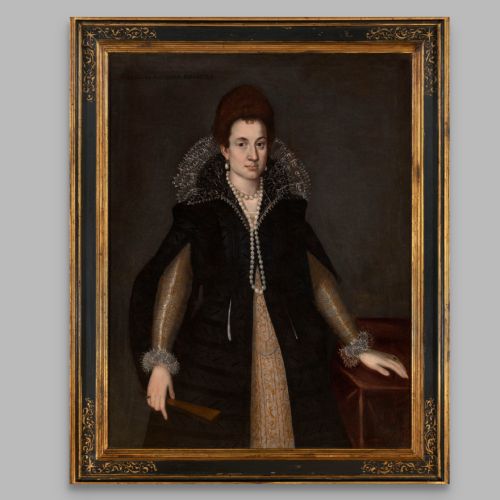
The most common versions on this page are oil paintings executed by regional schools or followers of known masters, spanning the seventeenth and eighteenth centuries. Portraits and biblical scenes dominate, often presented in giltwood frames reflecting Italian Baroque styles.
How They Were Made
Works in this category rely primarily on oil paint applied to canvas, fruitwood panels or standard wood supports. Pigments build up rich surfaces that occasionally reveal pentimento alterations beneath the final layer.
Framing and structural elements utilise carved chestnut and giltwood adorned with gold leaf. Embroidered borders employ textile techniques distinct from standard painted mediums.
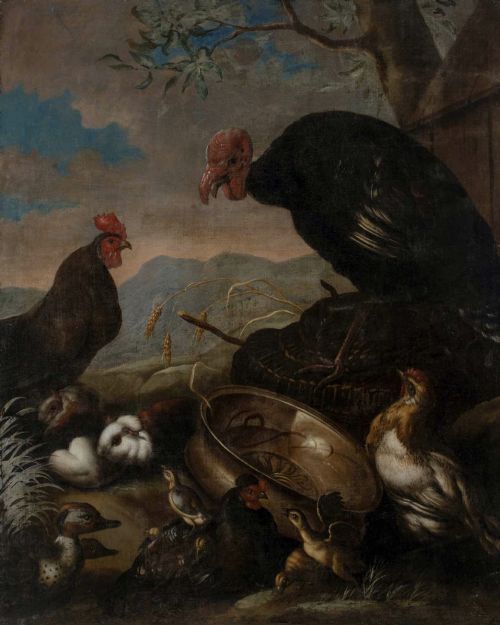
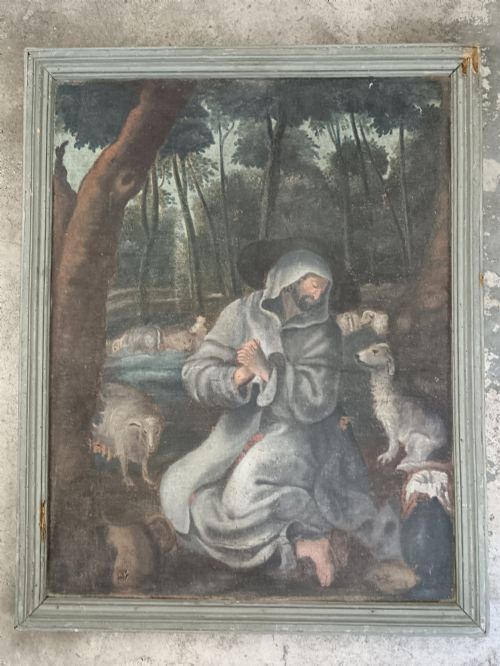
Saint Francis of Assisi shares space here with fowl in castle ruins and scenes from Handel.
What Varies in Quality
The standard of execution shifts between primary hands and the broader output of regional schools or followers. Attribution depth and the preservation of original paint layers determine the standing of an individual work.
Materials influence the grade of a piece, separating standard canvas supports from fruitwood panels or intricate carved chestnut reliefs. The sophistication of the composition, particularly in complex figural scenes, dictates the tier of the piece.
Angelo Maria Crivelli·Pietro Fachetti·Guillaume Courtois·Gian Lorenzo Bertolotto·Guido Reni·Pietro D’asaro·Andrea Celesti·Orsola Maddalena Caccia
The 17th Century Italian Art Glossary
- Pentimento
- An alteration in a painting, visible as traces of previous work that the artist painted over. This reveals changes in the composition during the creative process.
- Giltwood
- Wood that has been treated with a thin layer of gold leaf or powder. This finish appears frequently on frames housing seventeenth-century works.
- Fruitwood
- Dense wood derived from fruit-bearing trees, utilised as a panel support for paintings. It provides a smooth, stable surface for fine brushwork.
- School
- A group of artists sharing a similar style, time and location under a master influence. Regional schools define many anonymous or attributed works from this era.
17th Century Italian Art: Frequently Asked Questions
How do I hang a heavy wood panel painting?
Wood panel works require secure wall anchors rated for the combined weight of the panel and its frame. Ensure the hanging wire and fixings attach directly to the structural frame rather than decorative elements.
Position the piece away from direct heat sources and sunlight to protect the wood and oil pigments from environmental stress.
What is an Italian school painting?
An Italian school painting originates from artists working within Italy or closely following the stylistic traditions of Italian masters. These works often remain anonymous or carry attributions to followers and regional circles rather than a primary master.
Such pieces capture the dominant aesthetic movements of their specific region, from Genoese drama to Venetian colouring.
Why do some paintings have multiple attribution names?
Attributions often link an unsigned work to a circle, follower or manner of a known master based on stylistic similarities. This indicates the workshop or artistic environment where the piece likely originated.
Research and stylistic comparisons refine these connections over time without necessarily confirming the exact hand of the master.