


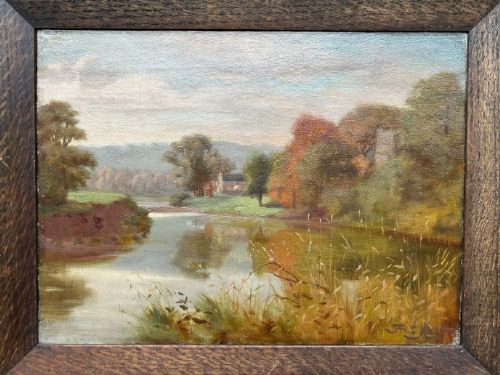
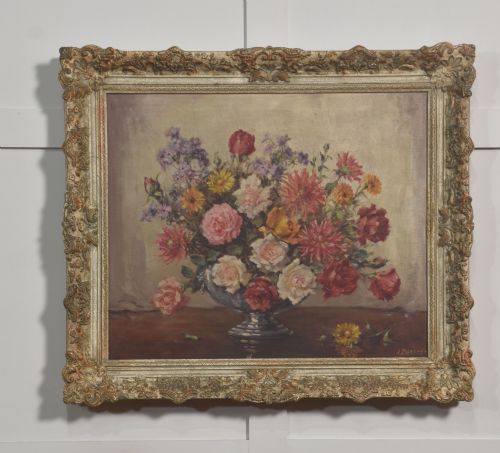
Vintage Framed Oil Artwork
These vintage framed oil artwork pieces bring texture and historical depth to interiors through painted canvas, wood, and gilt gesso frames.
Vintage Framed Oil Artwork
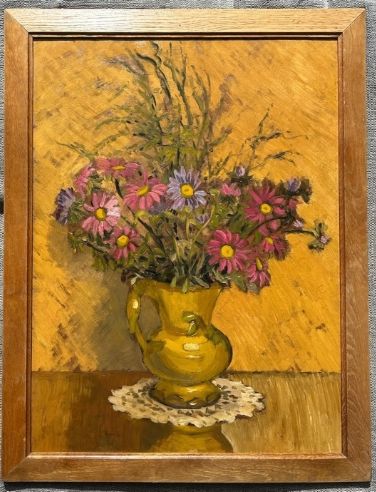
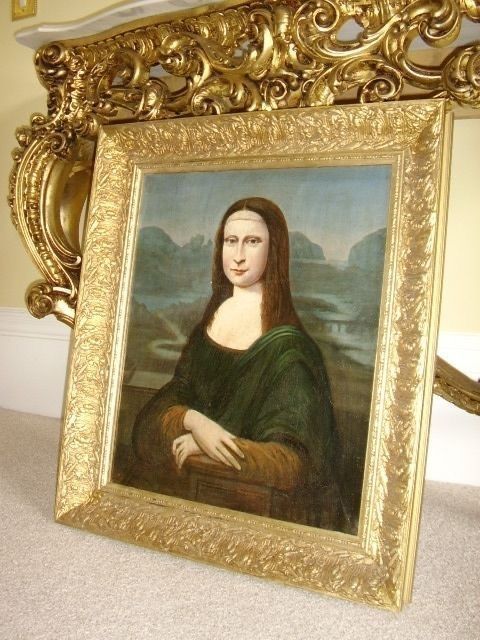
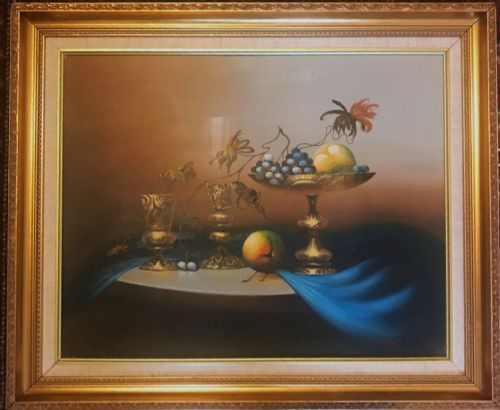
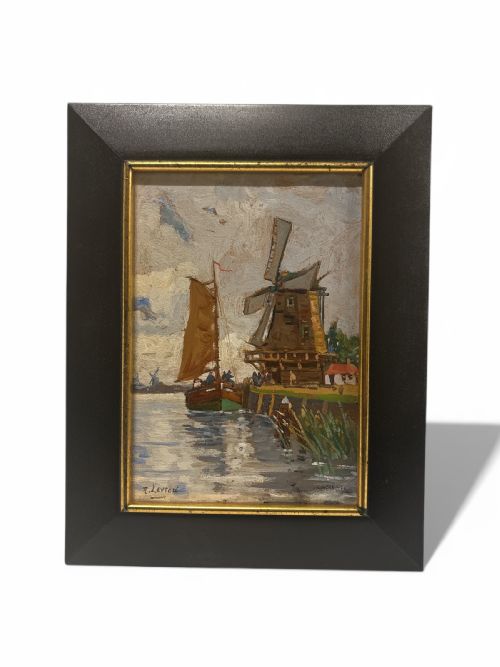
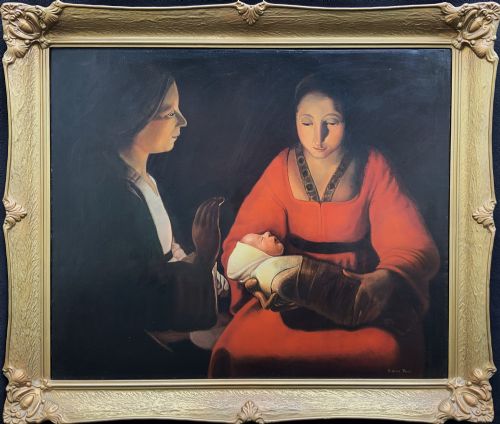
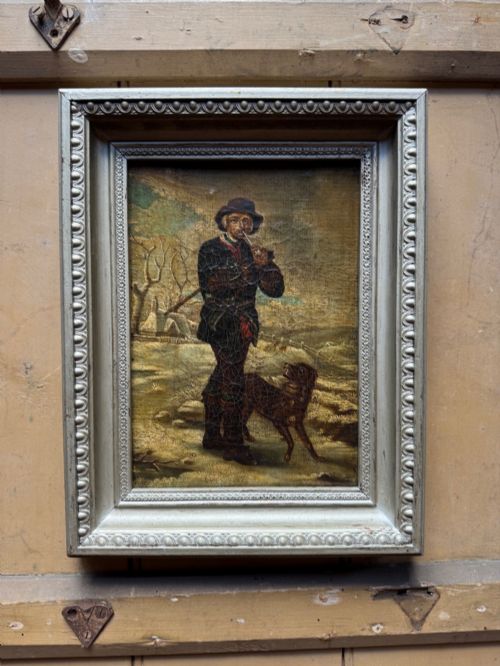
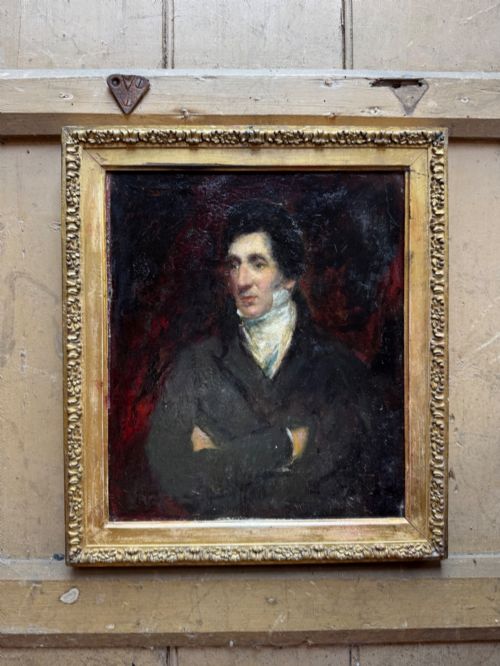
When you search for vintage framed oil artwork, you encounter painted compositions spanning the nineteenth century through the mid twentieth century. These works encompass portraits, still lifes of flowers and fruit, marine views, and pastoral landscapes.
The selections on this page frequently originate from British, French, and Dutch schools, reflecting classical realism, impressionism, and post-impressionism. Canvases and boards are typically housed within their original or period-matched surrounds.
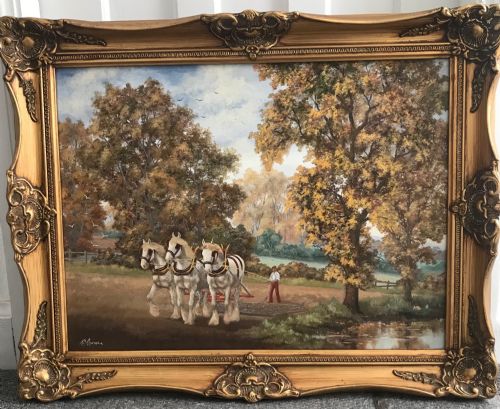
Subjects range from quiet rural scenes and equine studies to dramatic maritime accounts and intimate figurative studies. Each piece preserves the distinct brushwork and palette of its respective era.
How they were made
Makers applied oil paint to stretched canvas or wooden board substrates, utilising the slow drying time to blend colours and build rich surface textures. Artists often worked en plein air or within studio environments, layering pigments to achieve depth.
Surrounds were constructed from wood and embellished with gesso, frequently finished in gilt. These frames protect the perimeters of the canvas while complementing the tonal qualities of the painting within.
Watch for racing pigeons and prize shorthorn bulls sharing wall space with serene marine sunsets.
What varies in quality
The distinction between standard works and exceptional examples lies in the confidence of the brushwork and the precision of compositional balance. Superior pieces demonstrate a mastery of light and shadow that animates the subject matter.
Frame craftsmanship also dictates standing, with hand-carved gesso details and original gilding commanding greater appreciation than later replacements. The harmony between the artwork and its specific housing determines the overall integrity of the piece.
Kenneth Cozens·Leonardo Da Vinci·Jozsef Molnar·Georges de La Tour·Clifford Hanney·Frederick Marriott·Eugène-Louis Gillot·Robert Heinrich·William McAlpine·Reginald Arthur Borstel·William Joseph Shayer Senior·Alfred Fontville de Breanski Jr·Sidney A. Court·Edward Mills·Kershaw Schofield·George Houston RSA RSW
The Vintage Framed Oil Artwork Glossary
- Gilt gesso
- A plaster-based material applied to wooden frames and covered with thin gold leaf. This technique creates ornate surface ornamentation popular in period framing.
- En plein air
- The practice of painting outdoors to capture direct natural light and atmospheric conditions. Artists utilised this method particularly for coastal and landscape subjects.
- Oil on canvas
- Pigments mixed with a drying oil medium applied to a woven fabric support stretched over a wooden frame. This combination allows for flexible application and enduring colour richness.
- Post-Impressionism
- An art movement extending beyond impressionism to emphasise symbolic content and geometric forms. Works in this style exhibit expressive brushwork and bold colour choices.
Vintage Framed Oil Artwork: Frequently Asked Questions
How do I date a vintage oil painting?
Dating relies upon examining the preparation of the canvas, the stretcher construction, and the style of the pigment application. Clues often reside in the framing materials and historical inscriptions on the reverse.
Period framing and stretcher wedges can further confirm the era in which the work was assembled and exhibited.
How should I care for a framed oil painting?
Protect the artwork by hanging it away from direct sunlight and maintaining stable room humidity. Dust the canvas and frame gently with a soft, dry brush without applying pressure.
Avoid using liquid cleaners on the painted surface or the gilt gesso frame to prevent moisture damage.
What subjects are most common in these artworks?
Landscape and marine views predominate, alongside botanical still lifes and figurative portraits. These subjects reflect the prevailing academic and domestic tastes of the nineteenth and early twentieth centuries.
Artists frequently documented rural working life, coastal shipping, and tranquil woodland scenes.