






Mid Century African Art
Mid century african art brings together expressive paintings, sculptural figures and textiles from the middle decades of the twentieth century.
Mid Century African Art
When you search mid century african art, you are looking at a diverse group of works that spans paintings, drawings, sculptures and textiles created between the 1930s and 1960s. These pieces capture both indigenous traditions and the interpretive perspectives of European and local artists working across the continent during that era.
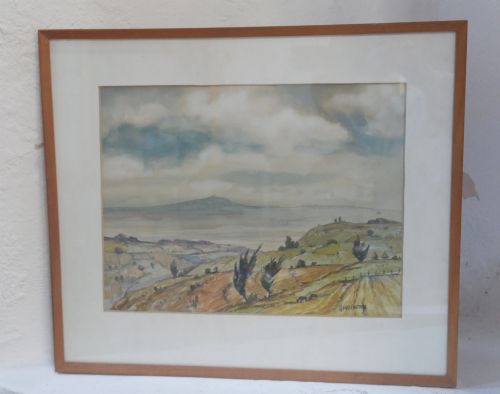
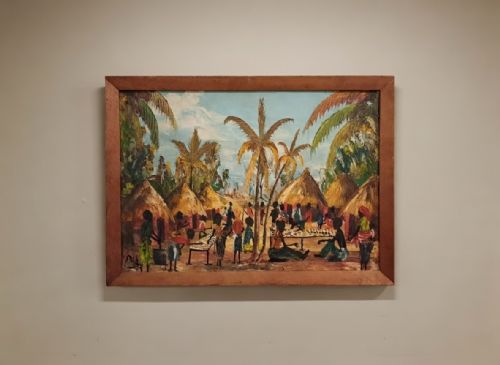
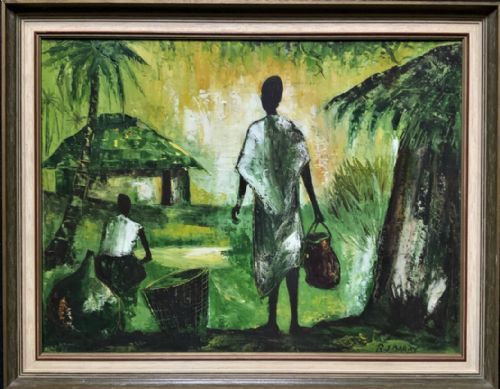
The objects on this page lean heavily towards mid-century modernist, impressionist and folk art styles, alongside traditional tribal pieces. You will frequently encounter framed oil paintings of village scenes, charcoal portraits and sculptural bronze or wooden figures.
Origins vary from specific regional traditions like Gabon fertility figures and Benin bronzes to individual artistic responses captured in oil paint, watercolour, charcoal and raffia. Each item tells a distinct story of mid-century visual culture in Africa.
What varies in quality
The distinction between ordinary and exceptional works rests on the confidence of the execution and the preservation of the material. A securely handled oil paint application or a finely carved wooden surface holds the eye far better than hesitant marks.
Context and attribution elevate certain pieces, particularly where a known artist or a distinct regional school is clearly identified. The integrity of the medium, whether canvas, bronze or woven raffia, remains paramount to the overall presence of the object.
Listings incorporate items spanning four distinct decades from the 1930s to the 1960s.
Anne Dorrien Smith·Cecil Rochfort Doyly John·Maud Frances Eyston Sumner
The Mid Century African Art Glossary
- Oil on board
- A painting executed with oil paint directly onto a rigid wooden or cardboard panel rather than stretched canvas.
- Fertility figure
- A carved wooden or terracotta sculptural object traditionally associated with promoting harvest or human abundance.
- Post-Impressionism
- An art movement extending beyond impressionism to emphasise symbolic motifs and expressive use of paint.
- Charcoal drawing
- A dry drawing medium created using burnt organic material to produce deep blacks and varied tonal shading.
Mid Century African Art: Frequently Asked Questions
What periods do these pieces date from?
The items collected under this heading generally span the decades from the 1930s through to the 1960s. This timeframe captures both traditional tribal craftsmanship and mid-century modernist painting movements.
Specific dates are assigned based on stylistic evidence, signatures, or documented historical periods associated with the workshops and artists of origin.
How should I display a raffia tapestry?
Framed raffia tapestries require protection from direct sunlight to prevent the natural fibres from fading and becoming brittle over time. Maintaining stable indoor humidity levels also helps preserve the integrity of the woven material.
Using conservation-grade framing materials ensures the textile remains secure and well-ventilated against the backing board.
What is the difference between oil on canvas and oil on board?
Oil on canvas involves paint applied to a flexible woven fabric stretched over a wooden frame, which yields a slight give to the surface. Oil on board uses a rigid wooden panel or stiff backing as the foundation for the pigment.
Both methods were common during the mid-century period, with boards frequently used for smaller or more spontaneous plein air paintings.
How do I identify a regional tribal sculpture?
Regional tribal figures are typically distinguished by their specific carving styles, iconography, and the types of wood or metal employed. Pieces from Gabon or Benin exhibit well-documented artistic conventions unique to their cultural heritage.
Examining the tool marks, patina and wear patterns also helps determine the traditional context and age of the sculpture.