





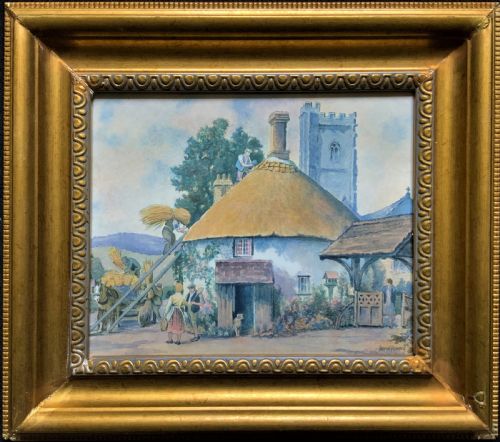


Vintage Rural Village Art
Vintage rural village art captures the quiet charm of country life through paintings spanning the nineteenth and twentieth centuries.
Vintage Rural Village Art
Vintage rural village art encompasses painted scenes of country settlements, farm landscapes, and local village life created across the nineteenth and twentieth centuries. These works record rural communities through periods including Victorian, Edwardian, and mid-century movements.
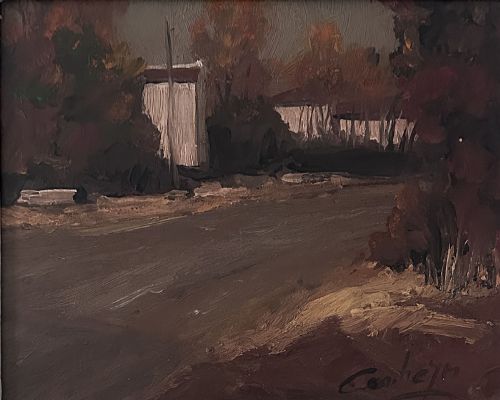
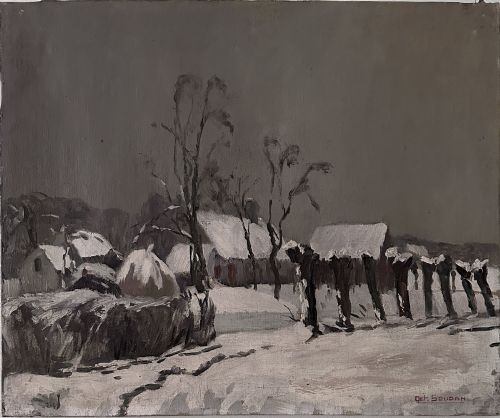
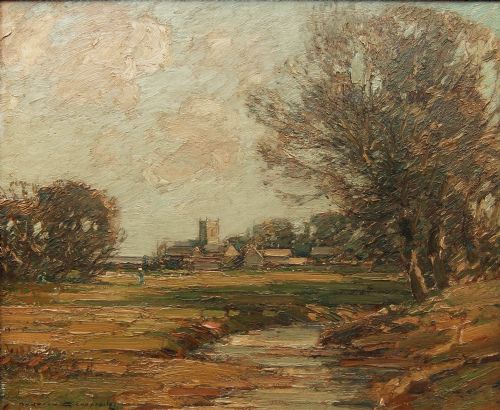
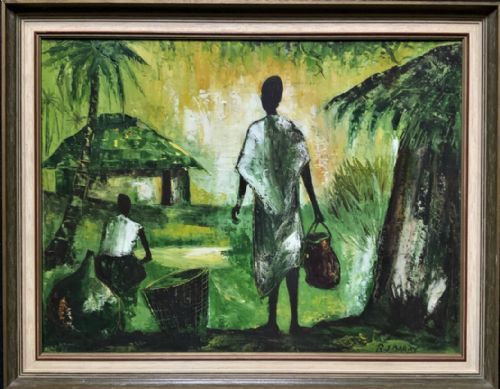
Buyers will encounter oil paintings on canvas alongside watercolours on paper depicting cottages, taverns, village streets, and agricultural labour. The selection spans traditional realists, impressionists, and primitive folk art from British, French, and African subjects.
Representational scenes range from quiet dusk watercolours to bustling village street views executed by named artists and anonymous hands alike. The predominant formats are framed oil paintings and watercolours designed for wall art display.
How they were made
These works rely on traditional media with artists applying oil paint to canvas or wood panels, and watercolours to paper sheets. The physical construction often involves period wood framing that complements the canvas or paper substrate.
Techniques vary from academic realism and impressionist brushwork to simplified primitive folk art methods. Pigments are handled to capture atmospheric effects such as winter frost, autumn foliage, and dusk light.
A busy horse and cart occasionally shares the road with a wandering duck.
What varies in quality
The standard of execution depends upon the artist's command of perspective, light, and composition within the painted scene. Masterful handling of oil paint or watercolour brings depth and atmosphere to the village architecture and landscape.
The integrity of the original materials, including the preservation of the canvas, paper, and period framing, influences the character of each piece. Provenance and attribution to documented artists also separate individual works within the range.
Charles Vickers·ROBERT MCGREGOR·Kershaw Schofield·J.V.R.PARSONS·Maurice Asselin·Fred Lawson·David Heward·Stephanie Cooper·John Holland Snr
The Vintage Rural Village Art Glossary
- Oil on canvas
- A painting medium where pigments suspended in drying oils are applied to stretched fabric. This technique allows for rich colour blending and textured brushwork.
- Watercolour on paper
- A painting method using water-soluble pigments applied to paper supports. It produces translucent washes and delicate atmospheric effects.
- Post-Impressionism
- An art movement extending beyond impressionism that prioritised expressive forms and symbolic use of colour. Artists rejected strict naturalism in favour of personal emotional response.
- Folk art
- Art produced by self-taught or indigenous artists working within a traditional community aesthetic. These works often display flat perspective and direct, unadorned storytelling.
- Provenance
- The documented history of ownership and origin for an artwork. Clear records help establish authenticity and the identity of the maker.
Vintage Rural Village Art: Frequently Asked Questions
What periods do these rural paintings cover?
The works span from the nineteenth century through the mid-twentieth century, capturing shifting artistic movements over several decades.
You will find pieces reflecting Victorian and Edwardian sensibilities alongside later impressionist and mid-century interpretations.
Are these paintings original works?
The selection consists of original oil paintings and watercolours rather than modern mass-produced reproductions.
Each piece represents a unique hand-painted record of village life and landscape executed by the artist.
How should I frame and display these artworks?
Many pieces arrive within period wood frames that suit their nineteenth or twentieth-century origins. Display them away from direct sunlight to protect the oil paint or watercolour pigments on paper.
What subjects typically appear in these scenes?
Common subjects include village streets, country taverns, agricultural workers, hay wagons, and rural riversides. These compositions document everyday life in European and wider rural communities.
Scenes range from quiet winter settings to bustling harvest days and evening dusks.